How to Choose the Right Oily Skin Face Wash for Men


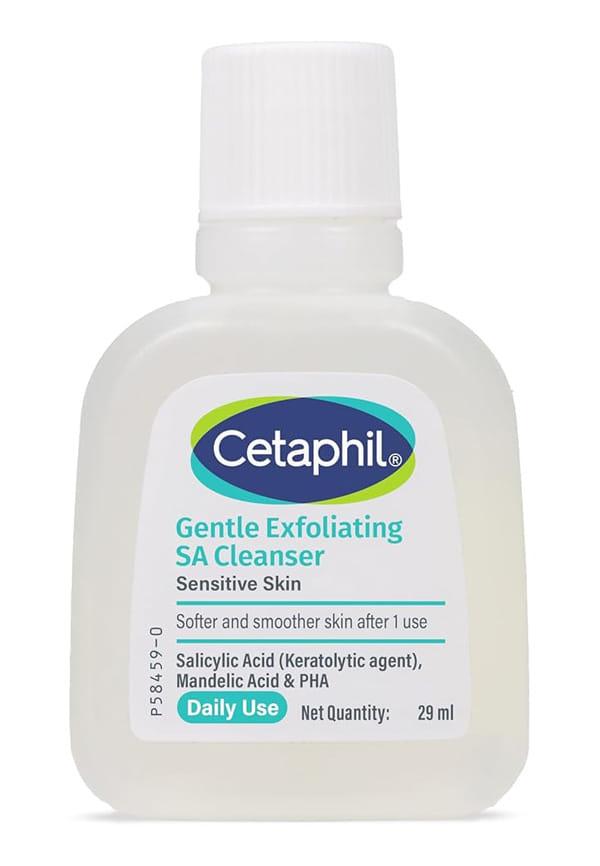
Gentle Daily Exfoliating Cleanser With Salicylic Acid For Oily Acne Prone Skin
That post-gym mirror moment when your face looks like you've been dipped in oil? Or the 3 PM shine that makes your forehead look like a beacon? If you're nodding along, you're not alone. Men's oily skin comes with its own set of challenges, and that generic bar soap sitting in your shower definitely isn't cutting it. The good news? Finding the right face wash can be a complete game-changer for managing excess oil, preventing breakouts, and keeping your skin looking fresh all day.
Here's the thing about men's skincare - your skin is genuinely different from women's, and it needs a different approach. Understanding these differences is the first step to choosing the right cleanser for your specific needs.
Men's skin is typically 20-25% thicker than women's, with larger pores and significantly higher sebum production. Thanks to testosterone, your oil glands work overtime, producing up to twice as much oil as women's skin. This isn't necessarily a bad thing - that extra oil can actually help prevent premature ageing - but it does mean you need a cleanser that can handle the extra workload without stripping your skin completely.
Real talk: if you're constantly blotting your T-zone, dealing with enlarged pores, or finding yourself with that telltale shine within hours of washing your face, you've got oily skin. Other signs include frequent blackheads, especially around the nose, and breakouts that seem to appear out of nowhere. Many men also notice their skin feels tight immediately after washing, then swings back to greasy within a few hours - a classic sign that your current cleanser is too harsh.
The biggest mistake? Thinking that scrubbing harder or washing more frequently will solve the problem. Over-cleansing actually triggers your skin to produce even more oil to compensate. Using body soap on your face is another common misstep - these formulas are far too harsh for facial skin and can disrupt your skin's natural barrier. Many men also skip moisturiser entirely, thinking it'll make their skin greasier, when actually, proper hydration helps regulate oil production.
When you're scanning ingredient lists, certain powerhouse ingredients should catch your eye. These work specifically to control oil, unclog pores, and prevent the buildup that leads to breakouts.
Salicylic acid is your best friend for penetrating deep into pores and dissolving the oil and dead skin cells that cause blackheads. It's particularly effective for men because it can handle the thicker skin texture and larger pores. Benzoyl peroxide works brilliantly for acne-prone oily skin, killing acne-causing bacteria whilst helping to dry up existing spots. Niacinamide is gentler but incredibly effective at regulating sebum production over time - perfect for daily use.
Glycolic acid helps remove surface oil and dead skin cells without the harshness of physical scrubs. Tea tree oil offers natural antibacterial properties, making it an excellent choice for those preferring natural ingredients. Zinc oxide not only helps control oil but also calms inflammation, which is particularly helpful if you're dealing with angry, red breakouts.
Yes, even oily skin needs hydration. Hyaluronic acid provides moisture without adding oil, whilst ceramides help maintain your skin's protective barrier. Glycerin is another excellent humectant that draws moisture to the skin without feeling heavy or greasy.
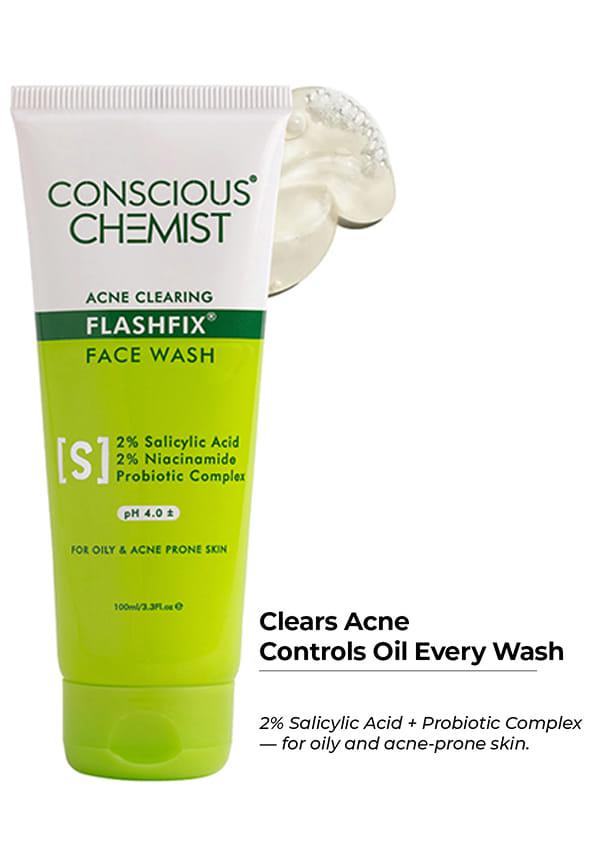
Flashfix Salicylic Acid Cleanser For Oily Acne Prone Skin
Choosing the right cleanser isn't just about grabbing the first product labelled 'for oily skin'. Your specific skin needs, lifestyle, and even the climate you live in all play a role in what will work best for you.
First, determine whether you have truly oily skin or combination skin. If only your T-zone gets oily whilst your cheeks remain normal or even dry, you'll need a gentler approach than someone whose entire face produces excess oil. Consider your acne severity too - occasional breakouts require different treatment than persistent, inflamed acne. Pay attention to how your skin reacts to products; if you frequently experience irritation, sensitivity should be a key factor in your selection.
Look for 'non-comedogenic' on the label - this means the product won't clog your pores. The pH level matters too; aim for cleansers with a pH between 4.5 and 6.5 to maintain your skin's natural acid mantle. Decide whether you want sulfate-free formulas (gentler but may not foam as much) or don't mind sulfates (more thorough cleansing but potentially more drying).
Look for products that have been clinically tested and show proven results. Brand reputation matters - companies that invest in research and are transparent about their ingredients are generally safer bets. Don't assume expensive means better; some of the most effective oil control face wash options are surprisingly affordable.
Not all oily skin is created equal, and different formulations work better for different concerns. Understanding which type suits your specific situation can save you time, money, and frustration.
Gel-based cleansers are excellent for deep cleaning without over-drying. They typically contain active ingredients that penetrate pores effectively whilst maintaining a balanced approach to oil removal. Foam cleansers work well for surface oil removal and give that satisfying 'squeaky clean' feeling, though they can be more drying. Cream cleansers might seem counterintuitive for oily skin, but they're perfect if you have sensitive oily skin that reacts poorly to harsher formulations.
If you're dealing with regular breakouts, medicated cleansers containing benzoyl peroxide or salicylic acid can be incredibly effective. Antibacterial formulations help prevent the bacterial overgrowth that contributes to acne. Exfoliating cleansers with gentle acids can be used 2-3 times weekly to prevent pore blockages, but shouldn't be your daily go-to as they can be too intense for everyday use.
Having oily skin doesn't mean you can't be sensitive to harsh ingredients. Fragrance-free formulations reduce the risk of irritation, whilst products with minimal ingredient lists are easier to tolerate. Look for hypoallergenic options that have been specifically tested for sensitive skin.
Even the best cleanser won't work if you're not using it correctly. Proper technique can make the difference between clear, balanced skin and ongoing oily skin struggles.
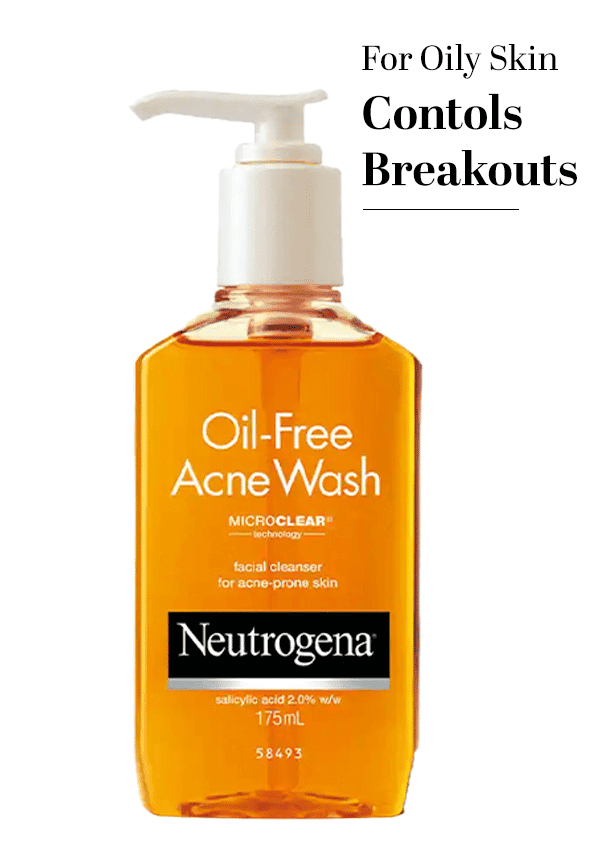
Oil Free Acne Wash For Acne Prone Skin With Salicylic Acid
If you use sunscreen daily (which you should), or if you're particularly oily, consider double cleansing in the evening. Start with an oil-based cleanser to dissolve sunscreen and excess sebum, then follow with your regular water-based cleanser. This ensures you're getting a thorough clean without having to scrub aggressively.
Start with lukewarm water - hot water strips your skin and can actually stimulate more oil production. Apply your cleanser to damp skin and gently massage in circular motions for 30-60 seconds. Pay extra attention to your T-zone, but don't neglect your jawline and hairline where oil and product buildup commonly occurs. Rinse thoroughly with lukewarm water, then pat dry with a clean towel.
Twice daily cleansing - morning and evening - is the sweet spot for most men with oily skin. Your morning cleanse removes overnight oil buildup, whilst your evening cleanse removes the day's accumulation of oil, pollution, and products. After intense workouts, a gentle rinse with water or a very mild cleanser can help, but avoid over-cleansing which can backfire.
Your cleanser is just the foundation. Building a complete routine that supports your skin's health will give you the best long-term results for managing oily skin.
A toner can help remove any remaining traces of oil and prep your skin for moisturiser. Look for alcohol-free formulas with niacinamide or salicylic acid. Yes, you absolutely need a moisturiser - choose a lightweight, gel-based formula that won't clog pores. SPF protection is non-negotiable; many modern sunscreens are designed specifically for oily skin and won't add to your shine.
Clay masks once or twice weekly can provide deep pore cleansing and oil absorption. Gentle exfoliation 2-3 times per week helps prevent pore blockages. For active breakouts, targeted spot treatments with benzoyl peroxide or salicylic acid can speed healing.
Steer clear of heavy oils and comedogenic ingredients like coconut oil or cocoa butter. Alcohol-based toners might feel refreshing initially but can over-dry your skin and trigger rebound oil production. Avoid anything that leaves your skin feeling tight or stripped - this usually means it's too harsh for daily use.
Even with the right products and technique, you might encounter some bumps along the way. Here's how to navigate common challenges and know when to seek professional help.
If you've been consistent with a good routine for 6-8 weeks and aren't seeing improvement, it might be time for professional help. Persistent acne despite proper care could indicate hormonal issues or the need for prescription treatments. Severe irritation or allergic reactions to multiple products suggest you might need patch testing to identify specific triggers.
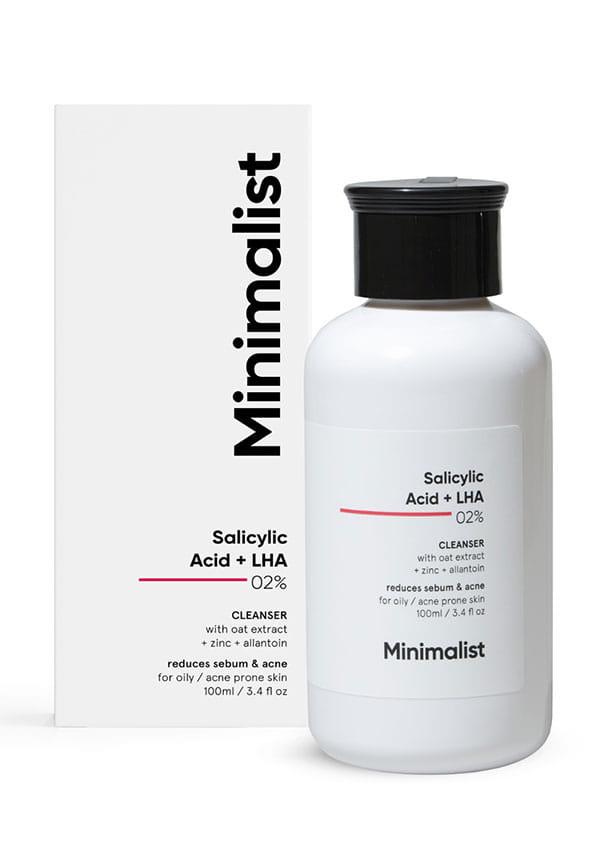
2% Salicylic Acid Face Wash For Oily Skin
When travelling, stick to travel-sized versions of your proven products rather than trying hotel amenities. For post-workout cleansing, a gentle rinse or micellar water can remove sweat without over-cleansing. During seasonal changes, you might need to adjust your routine - summer often requires more oil control, whilst winter might call for gentler formulations.
Some excellent drugstore options contain the same active ingredients as premium brands. However, premium products often have better formulations, more elegant textures, and additional beneficial ingredients. The key is finding what works for your skin and budget - expensive doesn't always mean better, but sometimes the investment is worth it for improved texture and results.
The best face wash for men's oily skin contains oil-controlling ingredients like salicylic acid or niacinamide, is non-comedogenic, and matches your skin's sensitivity level. Look for gel or foam formulations that clean thoroughly without over-drying.
Men with oily skin should cleanse twice daily - morning and evening. You can add a gentle water rinse after intense workouts, but avoid over-cleansing as this can trigger increased oil production.
You might need to adjust your cleanser seasonally. Summer often requires stronger oil control, whilst winter might call for gentler formulations to prevent over-drying from heating and cold weather.
Face wash typically refers to foaming or gel products that rinse off with water, whilst cleansers can include cream or oil-based products. For oily skin, water-based face washes are usually most effective.
Most men can use the same cleanser twice daily, but some prefer a gentler morning cleanser and a stronger evening cleanser, especially if using active ingredients or dealing with heavy sunscreen removal.
Finding the right face wash for oily skin isn't about finding the harshest product available - it's about finding the right balance of effective cleansing without disrupting your skin's natural functions. The best approach combines understanding your specific skin needs with consistent use of well-formulated products containing proven ingredients like salicylic acid, niacinamide, and gentle cleansing agents.
Remember that skincare is a journey, not a destination. What works for your mate might not work for you, and your skin's needs might change with age, seasons, or lifestyle factors. The key is patience, consistency, and being willing to adjust your routine as needed.
If you're curious about trying different formulations before committing to full-size products, platforms like Smytten offer an excellent way to test various cleansers and skincare products through their curated trial packs. With access to over 2,400 trusted brands and the ability to try products before investing in full sizes, it's a smart approach to finding what truly works for your skin. After all, why settle for 'maybe' when you can discover exactly what your skin loves?
