How to Choose the Right Face Wash for Sensitive Skin Men


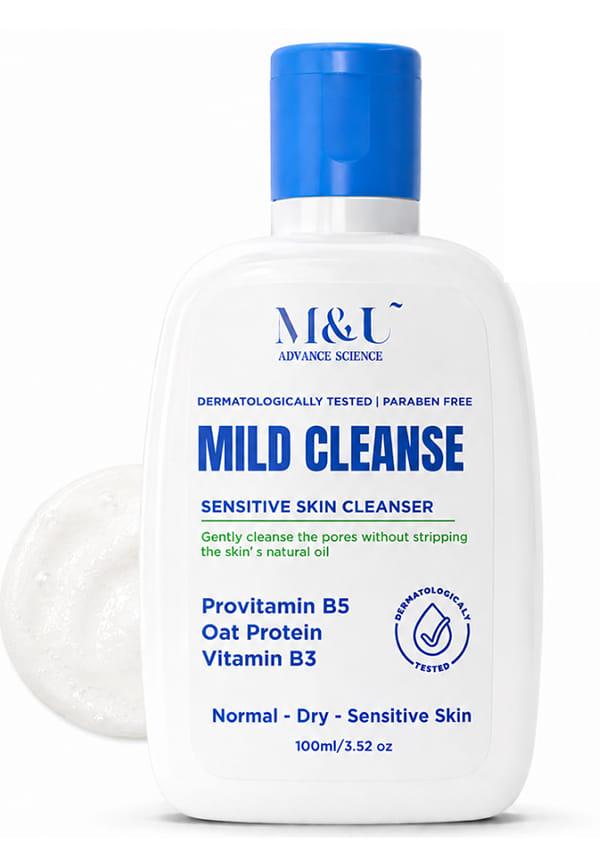
Mild Cleanse Gentle Cleanser for Sensitive Skin
If you've ever felt like your face is staging a protest every time you wash it—redness, tightness, or that uncomfortable burning sensation—you're not alone. Men's sensitive skin can be particularly tricky to navigate, especially when most skincare advice seems written for someone else entirely. The truth is, choosing the right face wash when you have sensitive skin isn't just about finding something gentle; it's about understanding what your skin actually needs and why that basic bar soap or whatever's on sale probably isn't cutting it.
Men's skin has some unique characteristics that make the face wash selection process quite different from what you might expect. For starters, male skin is typically about 25% thicker than female skin and produces more sebum, which means you're dealing with a combination of potentially oily areas and sensitive reactions. This creates a bit of a skincare puzzle—you need something effective enough to handle oil production but gentle enough not to trigger irritation.
Shaving adds another layer of complexity to men's sensitive skin concerns. Every time you shave, you're essentially creating micro-abrasions on your skin's surface, making it more vulnerable to irritation from harsh cleansing ingredients. This is why that burning sensation after washing your face might be more intense on days when you've shaved—your skin barrier is already compromised.
Common triggers for men's skin irritation include fragrances (even those marketed as 'masculine'), alcohol-based ingredients, and sulfates. These ingredients might make a cleanser feel more effective or smell appealing, but they're often the culprits behind persistent redness, dryness, or that tight feeling that makes you want to skip washing your face altogether. The wrong face wash can actually worsen existing skin conditions like eczema or rosacea, turning a simple cleansing routine into a daily battle.
When you're scanning ingredient lists (and yes, it's worth doing), there are certain ingredients that act like a green light for sensitive skin. These aren't just marketing buzzwords—they're backed by research and dermatologist recommendations.
Aloe vera is probably the most recognisable soothing ingredient, and for good reason. It contains compounds called polysaccharides that help reduce inflammation and support skin healing. If you've ever used aloe on a sunburn, you'll understand why it's brilliant for daily use on sensitive facial skin—it provides that cooling, calming effect without any heaviness.
Chamomile extract works similarly, offering anti-inflammatory benefits that can help reduce redness and irritation. Oat extract is another gentle powerhouse—it contains compounds called avenanthramides that have anti-inflammatory properties, plus it provides mild, natural exfoliation without the harshness of physical scrubs.
Ceramides deserve special mention because they help restore and maintain your skin's natural barrier. Think of them as the mortar between the bricks of your skin cells—when this barrier is strong, your skin is better equipped to handle environmental stressors and less likely to react to products.
Here's something most people don't realise: your skin's natural pH sits around 4.5 to 5.5, which is slightly acidic. Many traditional soaps and harsh cleansers have a much higher pH (more alkaline), which can disrupt your skin's natural protective acid mantle. A gentle cleanser for men's sensitive skin should ideally maintain this natural pH balance, helping your skin function optimally rather than working against it.
Understanding what to avoid is just as important as knowing what to look for. Sulfates like sodium lauryl sulfate (SLS) and sodium laureth sulfate (SLES) are common culprits in harsh cleansers. These are the ingredients that create that satisfying lather, but they can strip your skin of its natural oils, leaving it vulnerable and reactive.
Fragrances and essential oils are another major concern. Even natural fragrances can trigger reactions in sensitive skin, which is why fragrance-free face wash options are often the safest bet. This includes essential oils like tea tree or peppermint, which might seem natural and beneficial but can actually be quite irritating for sensitive skin types.
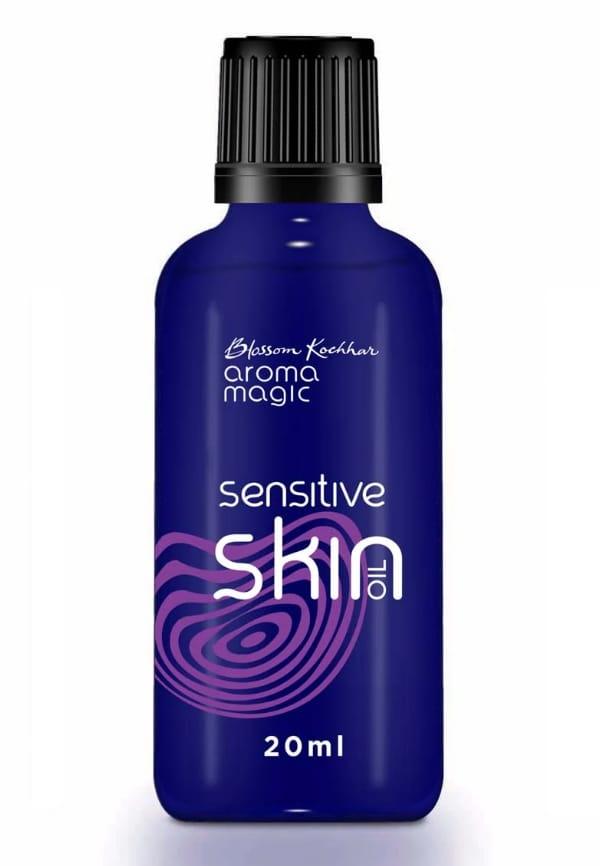
Sensitive Skin Oil
Alcohol-based ingredients (particularly denatured alcohol) can be extremely drying and inflammatory. While some alcohols like cetyl alcohol are actually moisturising, ingredients like ethanol or isopropyl alcohol can leave your skin feeling tight and irritated. Harsh physical exfoliants—those face washes with visible scrubbing particles—can also be problematic, as they can create micro-tears in already sensitive skin.
Not all sensitive skin is created equal, and understanding your specific type can help you make better product choices. This is where things get a bit more nuanced than just grabbing any gentle cleanser.
If you're dealing with oily sensitive skin, you're walking a tightrope between controlling excess oil and not triggering irritation. Look for gentle, soap-free formulations that contain mild ingredients like salicylic acid in low concentrations (0.5% or less). The key is finding something that can remove excess oil without stripping your skin completely, as over-cleansing can actually trigger more oil production.
Non-comedogenic formulations are crucial here—you want something that won't clog your pores while still being gentle enough for daily use. Gel-based cleansers often work well for this skin type, as they can provide effective cleansing without the heaviness of cream-based formulas.
For dry sensitive skin, cream-based cleansers are often your best friend. These formulations typically contain moisturising ingredients that cleanse without stripping, helping to maintain your skin's natural moisture barrier. Look for ingredients like glycerin, hyaluronic acid, or ceramides that can actually add hydration while cleansing.
With dry sensitive skin, less is often more. You might find that cleansing once a day (preferably in the evening) and simply rinsing with water in the morning works better than twice-daily cleansing.
Combination sensitive skin requires a balanced approach. You need something gentle enough for the sensitive areas but effective enough to handle the oilier zones (usually the T-zone). Look for gentle formulations that can handle this complexity without requiring different products for different areas of your face.
The technique matters just as much as the product when you're dealing with sensitive skin. Here's how to approach your cleansing routine to minimise irritation and maximise effectiveness.
Start with lukewarm water—not hot, not cold. Hot water can strip your skin and increase sensitivity, while cold water won't effectively remove oil and impurities. Lukewarm water is the sweet spot that allows your cleanser to work effectively without causing additional irritation.
Use about a pea-sized amount of cleanser—more isn't better when it comes to sensitive skin. Gently massage the product into your skin using circular motions with your fingertips, avoiding any harsh rubbing or pulling. Spend about 30 seconds on this step; you're not trying to scrub away problems, just gently removing the day's buildup.
Rinse thoroughly but gently, making sure no product residue remains on your skin. Leftover cleanser can cause irritation and clogged pores. Pat your face dry with a clean, soft towel—never rub. Patting helps preserve your skin's natural moisture and prevents unnecessary friction.
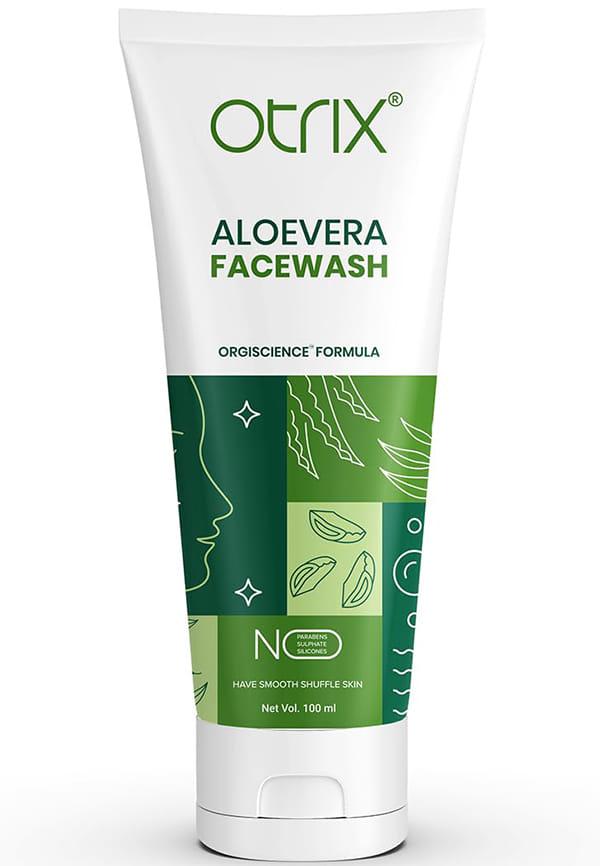
Aloe Vera Face Wash - Natural Cleanser for Glowing Skin
The timing of your post-cleansing routine is crucial. Apply your moisturiser while your skin is still slightly damp to help lock in hydration. This is especially important for sensitive skin, as it helps maintain the skin barrier you've just cleaned.
Understanding the different types of cleansers available can help you make a more informed choice based on your specific needs and preferences.
Cream cleansers are often the gold standard for extremely sensitive or dry skin. They work differently from gel or foam cleansers because they don't rely on surfactants that can strip the skin. Instead, they use gentle emulsifiers to remove impurities while depositing moisturising ingredients.
These cleansers often don't foam much, which can feel strange if you're used to traditional cleansers, but this lack of foam is actually a good sign—it means they're not using harsh detergents. Apply them to dry skin, massage gently, then remove with a warm, damp cloth or rinse with lukewarm water.
If you prefer the feeling of a foaming cleanser, look for soap-free formulations that create a gentle lather without harsh sulfates. These typically use milder surfactants that can still provide that satisfying cleansing experience without the irritation.
The foam should feel soft and cushiony, not tight or squeaky. If your skin feels 'squeaky clean' after washing, that's actually a sign that the cleanser might be too harsh—healthy skin should feel soft and comfortable after cleansing, not stripped.
Oil cleansers might seem counterintuitive, especially if you have oily skin, but they can be incredibly gentle and effective for sensitive skin. They work on the principle that like dissolves like—oil-based cleansers can effectively remove oil-based impurities (like sunscreen and sebum) without harsh detergents.
For sensitive skin, oil cleansers can be particularly beneficial as part of a double-cleansing routine, where you use an oil cleanser first to remove impurities, then follow with a gentle water-based cleanser.
One of the biggest mistakes is using body wash or bar soap on your face. Your facial skin is much more delicate than the skin on your body, and products formulated for body use are often too harsh for daily facial cleansing. Even if a body wash claims to be gentle, it's not specifically formulated for the unique needs of facial skin.
Over-cleansing is another common pitfall. More isn't better when it comes to sensitive skin—washing your face more than twice a day can actually increase sensitivity and trigger more oil production. Similarly, using too much product or scrubbing too vigorously can cause more harm than good.
Many men skip patch testing new products, which is particularly risky with sensitive skin. Always test a new cleanser on a small area (like behind your ear or on your inner wrist) before using it on your entire face. Wait 24-48 hours to see if any reaction occurs.
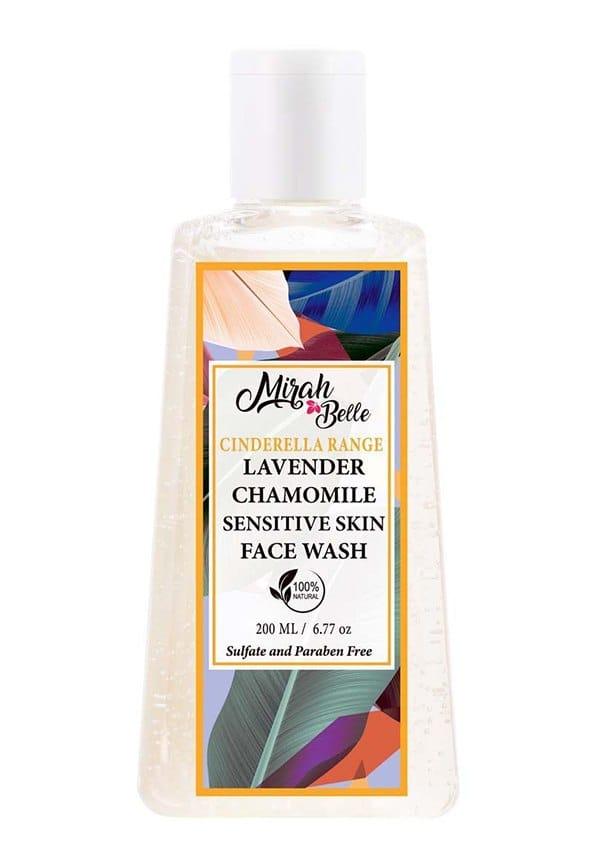
Lavender - Chamomile Sensitive Skin Face Wash
Another mistake is choosing products based on marketing claims rather than ingredient lists. Terms like 'deep clean' or 'maximum strength' might sound appealing, but they often indicate products that are too harsh for sensitive skin. Focus on gentle, soothing formulations rather than aggressive cleansing claims.
The best face wash for men with sensitive skin is typically a gentle, fragrance-free, and hypoallergenic cleanser with soothing ingredients like aloe vera or chamomile. Look for soap-free formulations with a balanced pH that won't disrupt your skin's natural protective barrier. Cream-based cleansers often work particularly well for very sensitive skin types.
Choose fragrance-free and hypoallergenic cleansers specifically formulated to minimise irritation. Look for soothing ingredients like aloe vera, chamomile, or oat extract, and avoid harsh sulfates, alcohol, and artificial fragrances. Always perform a patch test before using new products, and consider your specific skin type—whether it's oily, dry, or combination sensitive skin.
The 4-2-4 method involves cleansing with oil for 4 minutes, gentle massage for 2 minutes, then rinsing with lukewarm water for 4 minutes. For sensitive skin, this method should be adapted with gentler pressure and possibly shorter timing to avoid over-stimulation of reactive skin.
While the principles of sensitive skin care are similar regardless of gender, men's skin is typically thicker and produces more oil. Additionally, regular shaving can increase sensitivity. Men might benefit from formulations that account for these differences while maintaining the gentleness required for sensitive skin.
Most men with sensitive skin should cleanse twice daily—morning and evening. However, those with very sensitive or dry skin might benefit from cleansing only once daily (preferably in the evening) and simply rinsing with water in the morning. Listen to your skin and adjust accordingly.
Choosing the right face wash for sensitive skin doesn't have to be a process of trial and error that leaves your skin irritated and frustrated. By understanding your skin's specific needs, reading ingredient lists carefully, and focusing on gentle, soothing formulations, you can find a cleanser that works with your skin rather than against it.
Remember that consistency matters more than perfection. A gentle, well-suited cleanser used regularly will give you better results than constantly switching between different products. Your skin needs time to adjust and show improvement, so give any new routine at least 4-6 weeks before deciding whether it's working for you.
The key is finding that sweet spot where your skin feels clean and comfortable without any tightness, redness, or irritation. When you find the right cleanser, you'll know—your skin will feel balanced, look healthier, and your entire skincare routine will become something you actually look forward to rather than dread.
If you're curious about trying different gentle cleansers but hesitant to commit to full-size products, platforms like Smytten offer a practical solution. With access to mini versions from trusted brands, you can test how your sensitive skin responds to different formulations before making a larger investment. It's a smart approach that takes the guesswork out of finding your perfect match.
