How to Choose the Right Broad Spectrum Sunscreen Lotion for Daily Use


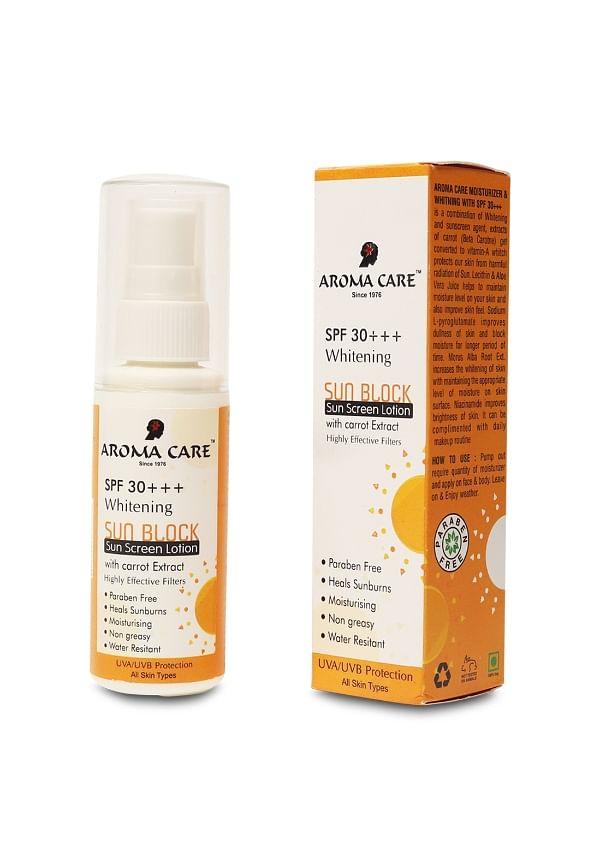
SPF 30+++ Whitening SUN BLOCK Sun Screen Lotion
You know that moment when you're standing in the skincare aisle, completely overwhelmed by rows of sunscreen bottles? Each one promises the best protection, but how do you actually know which broad spectrum sunscreen lotion will work for your daily routine? With UV damage being the leading cause of premature ageing and skin cancer, choosing the right daily sun protection isn't just about preventing sunburn—it's about protecting your skin's future. Let's break down everything you need to know to find your perfect daily SPF companion.
Broad spectrum sunscreen lotion is your skin's best defence against both UVA and UVB rays. Think of it as a protective shield that covers all the bases—UVB rays cause those painful sunburns, whilst UVA rays penetrate deeper, leading to premature ageing and long-term skin damage. Regular sunscreens might only protect against one type of UV radiation, but broad spectrum formulas tackle both.
Here's the thing about daily UV protection: even on cloudy days, up to 80% of UV rays can still reach your skin. Whether you're commuting to work, sitting by a window, or just popping to the shops, your skin is constantly exposed to harmful radiation. This cumulative damage adds up over time, leading to dark spots, fine lines, and increased risk of skin cancer.
The lotion formulation specifically works brilliantly for daily use because it spreads easily, absorbs well, and doesn't leave that chalky white cast that many other sunscreen types can. It's also typically more moisturising than gel or spray formulas, making it perfect for incorporating into your morning skincare routine without adding extra steps.
When shopping for your daily broad spectrum sunscreen lotion, certain features make all the difference between a product you'll actually use and one that sits forgotten in your bathroom cabinet. Let's talk about what really matters.
SPF 30 blocks about 97% of UVB rays, whilst SPF 50 blocks around 98%. The difference is minimal, but anything below SPF 30 isn't quite enough for daily protection. Going higher than SPF 50 doesn't offer significantly more protection and often comes with heavier, greasier formulas that you're less likely to reapply.
Look for the PA rating system (Protection Grade of UVA) on your broad spectrum sunscreen. PA+++ or PA++++ indicates excellent UVA protection, which is crucial for preventing premature ageing and maintaining healthy skin long-term.
Even if you're not planning a beach day, water-resistant formulas stay put better through daily activities like walking, light exercise, or even just the natural oils your skin produces throughout the day. Look for 40-80 minute water resistance ratings.
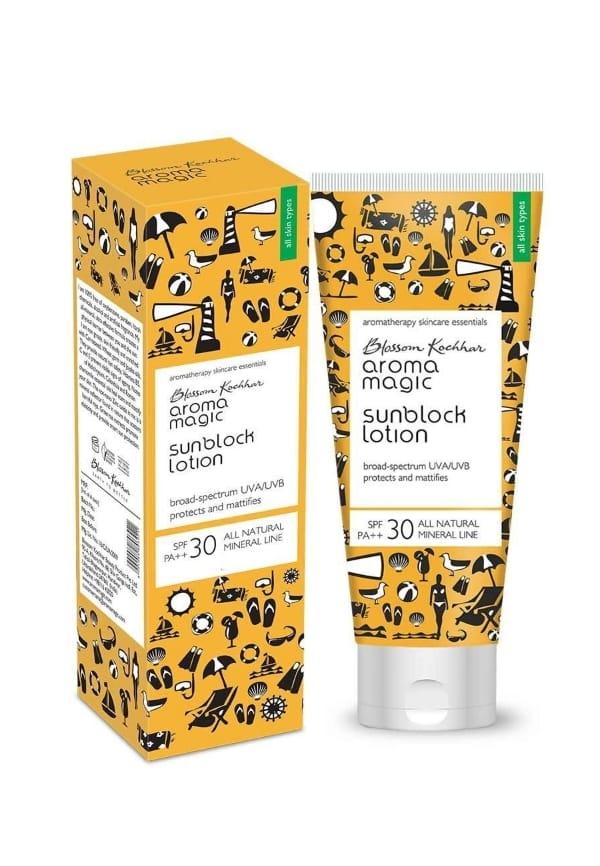
Sunblock Lotion
Your skin type plays a huge role in determining which broad spectrum sunscreen lotion will work best for your daily routine. What works brilliantly for your friend might leave you looking like an oil slick or feeling tight and uncomfortable.
If your skin tends to get shiny or you're dealing with breakouts, look for non-comedogenic formulas that won't clog your pores. Gel-based or oil-free broad spectrum sunscreen lotions work wonderfully here. Ingredients like niacinamide can actually help control oil production whilst providing sun protection.
For dry skin, your daily sunscreen can double as a moisturiser. Look for formulas with ceramides, hyaluronic acid, or glycerin. These ingredients help maintain your skin barrier whilst protecting against UV damage.
Mineral sunscreens containing zinc oxide or titanium dioxide are typically gentler than chemical filters. These physical blockers sit on top of your skin rather than absorbing into it, making them less likely to cause irritation or allergic reactions.
With combination skin, you might need a hybrid approach. Look for lightweight formulas that provide adequate moisture without overwhelming your T-zone. Some people find success using different products on different areas of their face.
Understanding what's actually in your broad spectrum sunscreen lotion helps you make better choices for your skin and the environment. Not all UV protection ingredients are created equal.
Zinc oxide and titanium dioxide are mineral filters that provide excellent broad spectrum protection without penetrating your skin. For chemical filters, avobenzone combined with stabilising ingredients offers good UVA protection, whilst octinoxate and octisalate handle UVB rays effectively.
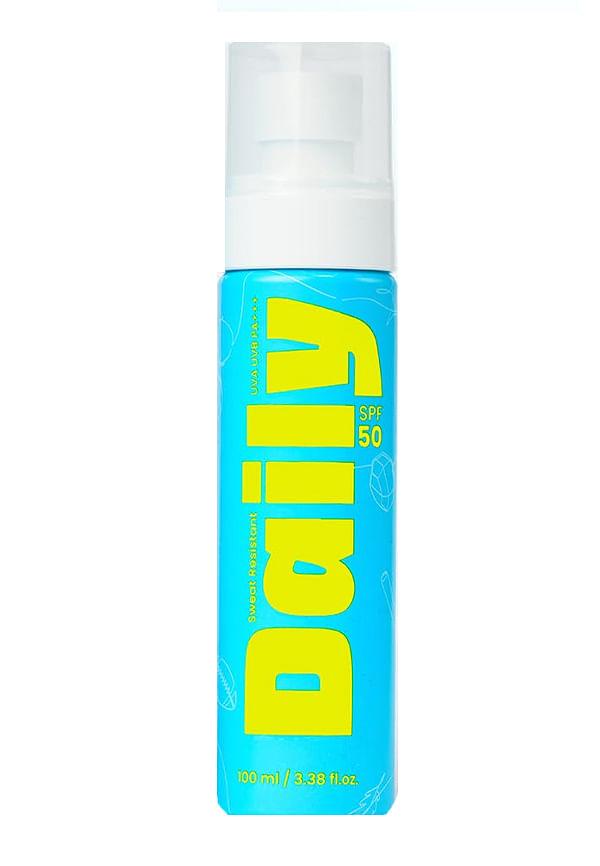
Daily SPF 50 - Body Sunscreen Spray on Lotion
Modern sunscreen formulas often include bonus skincare ingredients. Antioxidants like vitamin C or E provide additional protection against environmental damage. Niacinamide helps with oil control and can improve skin texture over time. Ceramides support your skin barrier function.
Some chemical filters like oxybenzone and certain forms of octinoxate have raised concerns about coral reef damage and potential hormone disruption. If you're environmentally conscious or have sensitive skin, mineral formulas might be your best bet.
Even the best broad spectrum sunscreen lotion won't protect you properly if you're not applying it correctly. Most people use far less than the recommended amount, which significantly reduces the actual SPF protection they're getting.
For your face and neck, you need about a quarter teaspoon of product. That might seem like a lot, but it's what's required to achieve the SPF level stated on the bottle. Apply your sunscreen 15-30 minutes before sun exposure to allow it to properly bind to your skin.
Reapplication is crucial—every two hours minimum, or immediately after swimming, sweating, or towelling off. If you're wearing makeup, consider a powder SPF for touch-ups, or look for setting sprays with sun protection.
Layer your daily sunscreen over your moisturiser but under makeup. Some formulas work well mixed with your foundation, but test this first to ensure you're not diluting the protection.
One of the biggest mistakes people make is choosing a broad spectrum sunscreen lotion based solely on SPF number without considering their lifestyle or skin type. A high SPF that you hate using is far less effective than a moderate SPF that you apply generously and reapply regularly.
Another common error is seasonal switching—thinking you only need serious sun protection during summer months. UV rays are present year-round, and snow can actually reflect up to 80% of UV radiation, increasing your exposure during winter months.
Don't forget to check expiration dates. Sunscreen loses effectiveness over time, and using expired products can leave you vulnerable to UV damage. Most formulas last about three years from manufacture, but if you're using the proper amount daily, you should finish a bottle much sooner than that.
Storage matters too—leaving your sunscreen in a hot car or direct sunlight can break down the active ingredients, reducing its effectiveness even before the expiration date.
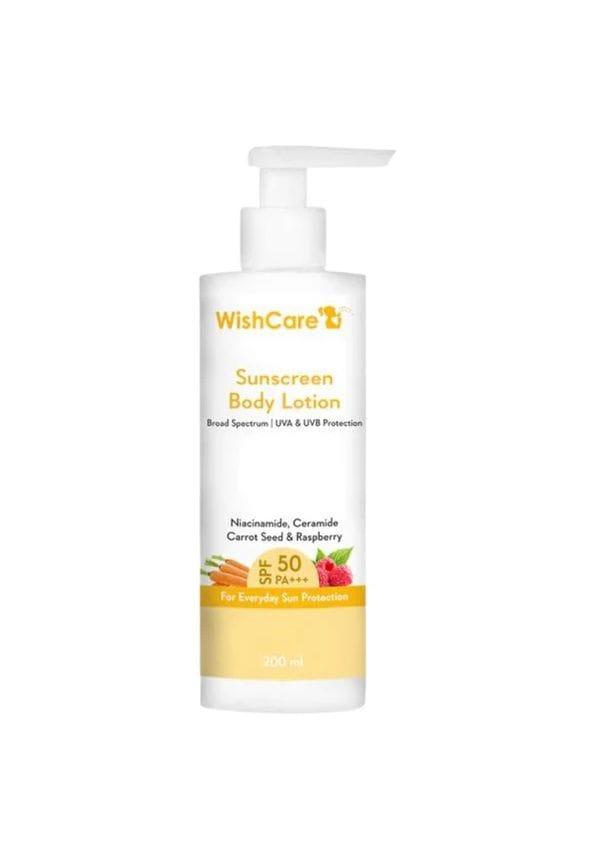
SPF50 Sunscreen Body Lotion - Broad Spectrum - UVA & UVB Protection
Broad spectrum sunscreen lotion is a cream-based formula that protects against both UVA and UVB radiation. UVB rays cause sunburn and contribute to skin cancer, whilst UVA rays penetrate deeper into the skin, causing premature ageing and also contributing to skin cancer risk. The lotion format makes it easy to apply evenly and typically provides better coverage than sprays or gels.
For daily use, SPF 30 to 50 provides excellent protection without being unnecessarily heavy. SPF 30 blocks about 97% of UVB rays, whilst SPF 50 blocks around 98%. The key is consistent, proper application rather than relying on a higher number for better protection.
Absolutely! Look for lightweight, fast-absorbing formulas that won't pill or interfere with your makeup application. Apply your sunscreen first, wait a few minutes for it to set, then apply your primer and foundation as usual. Some tinted broad spectrum sunscreen lotions can even replace your primer.
Reapply every two hours for optimal protection, or immediately after swimming, sweating heavily, or towelling off. If you're indoors most of the day with minimal sun exposure, you might get away with one morning application, but outdoor activities require more frequent reapplication.
Yes, especially mineral formulas containing zinc oxide or titanium dioxide. These physical blockers are less likely to cause irritation than chemical filters. Look for fragrance-free, hypoallergenic formulas specifically designed for sensitive skin.
Choosing the right broad spectrum sunscreen lotion for daily use comes down to understanding your skin's needs and finding a formula you'll actually want to use every day. The best sunscreen is the one you apply consistently, so don't be afraid to try different options until you find your perfect match.
Remember, sun protection is one of the most effective anti-ageing and skin cancer prevention strategies available. Whether you're dealing with oily skin, dryness, sensitivity, or just want reliable daily protection, there's a broad spectrum sunscreen lotion out there that will work for your lifestyle.
If you're curious about trying different formulas before committing to full-size products, platforms like Smytten offer a brilliant way to test various sunscreen options through their curated selection of minis from trusted brands. With over 28 million users discovering their perfect products this way, it's worth exploring what works best for your unique skin needs before making that full-size investment.
