How to Choose the Perfect Winter Sunscreen for Indian Skin


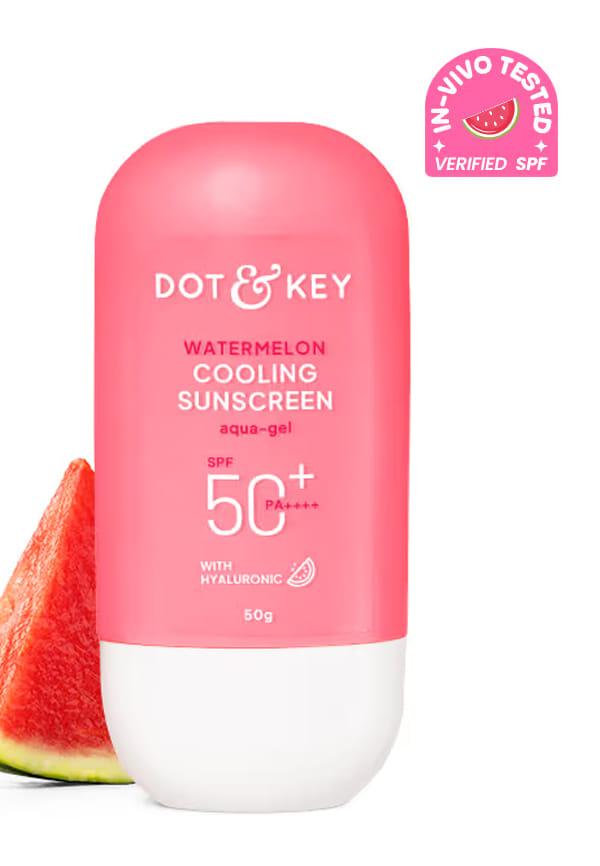
Watermelon Cooling Sunscreen, IN-VIVO Tested SPF 50+ PA++++
Good Product, Love Formula
 5
5“very good product I love the formula it is good for all skin type I love this”
Excellent Product & Price
5“This product is very good 💯😊 Good price 👍”
Excellent Product & Price
5“This product is very good 💯😊 Good price 👍”
Let's be real—when winter rolls around, sunscreen is probably the last thing on your mind. You're thinking cosy jumpers, hot chai, and maybe some moisturiser for that dry skin. But here's the thing: your skin still needs protection from UV rays, even when it's chilly outside. Finding the right winter sunscreen for Indian skin isn't just about slapping on any old SPF. It's about understanding what your skin actually needs during the cooler months and picking a formula that works with your unique skin type and lifestyle.
Think UV rays take a holiday when the temperature drops? Think again. Sun protection in winter is just as crucial as your summer routine, and here's why your skin is still at risk.
UV rays don't actually weaken much during winter months. In fact, UVA rays—the ones responsible for premature ageing and skin damage—remain pretty consistent year-round. Whether you're in Mumbai's mild winter or Delhi's crisp cold, those rays are still hitting your skin. Plus, if you're heading to hill stations or snowy areas, the reflection off snow can actually increase UV exposure by up to 80%.
Then there's the indoor factor. Central heating and air conditioning can make your skin drier and more vulnerable to damage. When your skin barrier is compromised from dryness, it's less equipped to protect itself from environmental stressors, including UV radiation coming through windows.
The biggest myth? That cold weather equals no sun damage. Your skin doesn't know it's winter—it just knows it's being exposed to harmful rays. Daily sunscreen use helps maintain your skin's health and prevents that cumulative damage that shows up later as dark spots, fine lines, and uneven texture.
Indian skin comes with its own set of characteristics that affect how we should approach sunscreen for Indian skin during winter. Most of us fall into Fitzpatrick skin types III to V, which means we have more melanin production than lighter skin tones—but that doesn't make us immune to UV damage.
During winter, melanin production can actually slow down a bit, making your skin potentially more susceptible to burning than you might expect. This is especially true if you're travelling from a warmer region to a cooler, higher-altitude area where UV intensity can be surprisingly strong.
India's diverse climate zones mean your winter skincare routine needs to adapt based on where you live. Coastal areas like Mumbai maintain higher humidity, so you might get away with lighter formulations. But if you're in North India dealing with dry, cold air, you'll need something more nourishing.
Darker skin tones often struggle with finding sunscreens that don't leave a white cast, but winter formulations tend to be creamier and blend better. The key is finding that sweet spot between adequate protection and a natural finish that works with your complexion.
Not all sunscreens are created equal, especially when it comes to winter wear. Here's what to prioritise when shopping for your perfect match.
Broad spectrum sunscreen protection is non-negotiable. You want both UVA and UVB coverage, regardless of the season. Look for labels that specifically mention "broad spectrum" rather than just SPF numbers.
For daily winter use in India, SPF 30-50 hits the sweet spot. Going higher doesn't necessarily mean better protection, but it can mean a heavier, greasier feel that nobody wants under their winter layers.
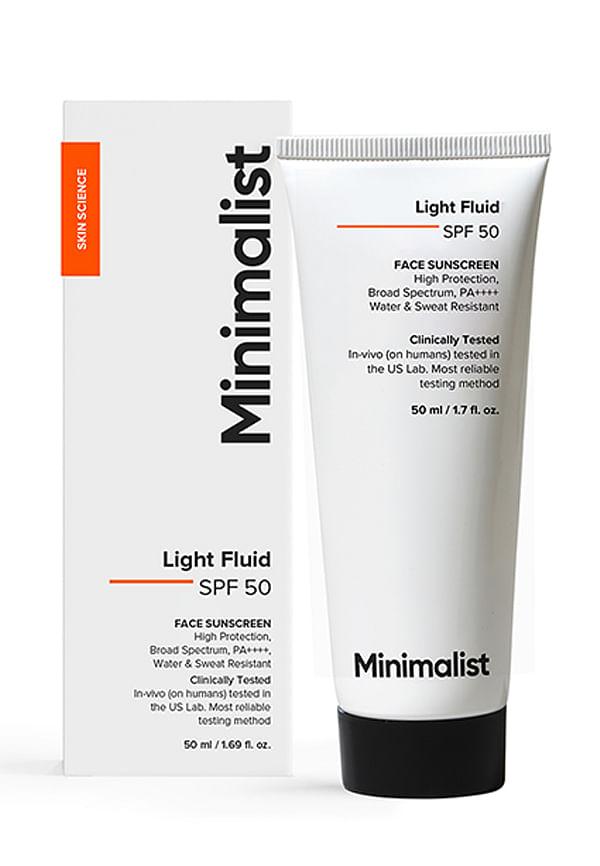
Light Fluid SPF 50 Face Sunscreen
Very Nice Product
4“very nice product... excellent”
Superb Product for Cost
5“superb product for this cost 👌”
Loved the product
5“I used this product and I just love this one”
Winter sunscreens should multitask. Look for formulations with hyaluronic acid, ceramides, or glycerin. These ingredients help combat the drying effects of cold weather while providing protection. It's like getting a moisturiser and sunscreen in one—efficiency at its finest.
Cream formulations typically work better in winter than lightweight gels. They provide that extra barrier against harsh weather while ensuring your skin doesn't feel tight or uncomfortable. But if you're dealing with oily skin even in winter, a non-greasy sunscreen in a lotion form might be your best bet.
Winter can be particularly harsh on sensitive skin, making ingredient selection crucial. If you're dealing with sunscreen for sensitive skin concerns, mineral sunscreens with zinc oxide or titanium dioxide are generally gentler than chemical filters.
For those struggling with best sunscreen for dry skin issues, look for formulations that include nourishing ingredients like shea butter, squalane, or niacinamide. These components help strengthen your skin barrier while providing protection.
Vitamin E acts as an antioxidant powerhouse, helping to neutralise free radicals that can damage your skin. Peptides can help with skin repair and strengthening, while antioxidants provide an extra layer of protection against environmental stressors.
Skip sunscreens with high alcohol content—they'll only make winter dryness worse. Fragrances can be particularly irritating when your skin is already stressed from cold weather, so opt for fragrance-free formulations when possible.
Always test new products on a small area of your inner arm for 24-48 hours before applying to your face. Winter skin can be more reactive, so this step becomes even more important during the colder months.
Getting your winter skincare routine right means understanding how sunscreen fits into your existing regimen. The good news is that winter sunscreens often feel more like moisturisers, making them easier to incorporate.
Start with a gentle cleanser, follow with any serums or treatments, then apply your sunscreen as the final step before makeup. If you're using a particularly rich night cream, you might find you can skip a separate morning moisturiser and let your sunscreen do double duty.
Apply sunscreen 15-30 minutes before heading outside, and don't skimp on the amount. You need about a quarter teaspoon for your face and neck—more than you probably think. The 2mg/cm² rule still applies, even in winter.
Yes, you still need to reapply every two hours if you're spending time outdoors. If you're mostly indoors, you can probably get away with one morning application, but keep a travel-size tube handy for touch-ups.
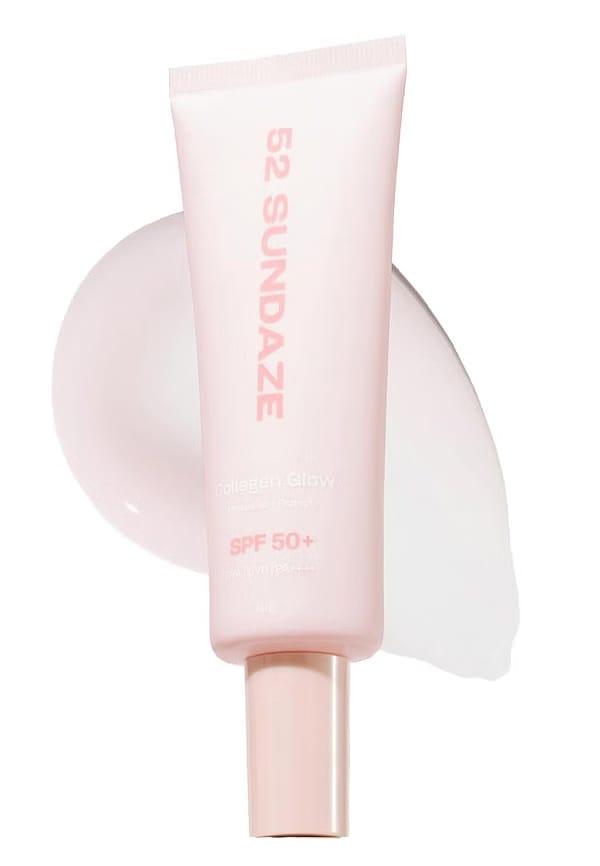
SPF 50 Collagen Glow Sunscreen Cream PA++++
Nice, but not for going out
5“nice but not the best for going out”
Sundaze Sunscreen: Everything is Perfect!
5“Sundaze has one of the best sunscreen ever. Texture, the soft pink color, the packaging, the tube EVERYTHING IS PERFECT.”
Nice Sun Protection & Easy Glide
4“nice sun protection and easy glide non sticky”
Winter sunscreens tend to play nicer with makeup than their summer counterparts. Let your sunscreen set for a few minutes before applying primer or foundation, and you should be good to go.
Even the most well-intentioned skincare routine can go wrong with a few common missteps. Here's what to watch out for when using sunscreen for winter.
The biggest mistake? Thinking cloudy days mean no UV exposure. Up to 80% of UV rays can penetrate clouds, so that overcast winter day still requires protection. Don't let the lack of sunshine fool you into skipping your SPF.
Using your lightweight summer sunscreen in winter is like wearing flip-flops in snow—technically possible, but not ideal. Winter formulations are designed to combat dryness while providing protection, so make the switch when the weather changes.
Don't forget often-missed spots like your ears, the back of your neck, and your hands. These areas are still exposed to UV rays and can show signs of damage over time. Your décolletage also needs attention if you're wearing V-necks or scarves that shift throughout the day.
Some skincare ingredients don't play well together. If you're using retinoids or acids in your routine, make sure your sunscreen is compatible. When in doubt, space out application times or consult with a dermatologist.
Finding the right winter sunscreen for Indian skin is a bit like dating—it might take a few tries to find "the one." Here's how to narrow down your options and find a formula that works with your lifestyle and skin type.
Start by honestly assessing your skin type. If you're dealing with winter dryness for the first time, you might need to temporarily switch from your usual oily skin products to something more nourishing. Your skin's needs can change with the seasons, and that's completely normal.
Consider where you live and work. If you're in a coastal city with milder winters, you might not need as heavy a formulation as someone dealing with dry, cold mountain air. Similarly, if you work outdoors or spend a lot of time commuting, you'll need more robust protection than someone who's mostly indoors.
Think about your daily routine. Do you exercise outdoors? Travel frequently? Work in air-conditioned offices? These factors all influence what type of sunscreen will work best for you. Someone who hits the gym every morning needs a different formula than someone who works from home.
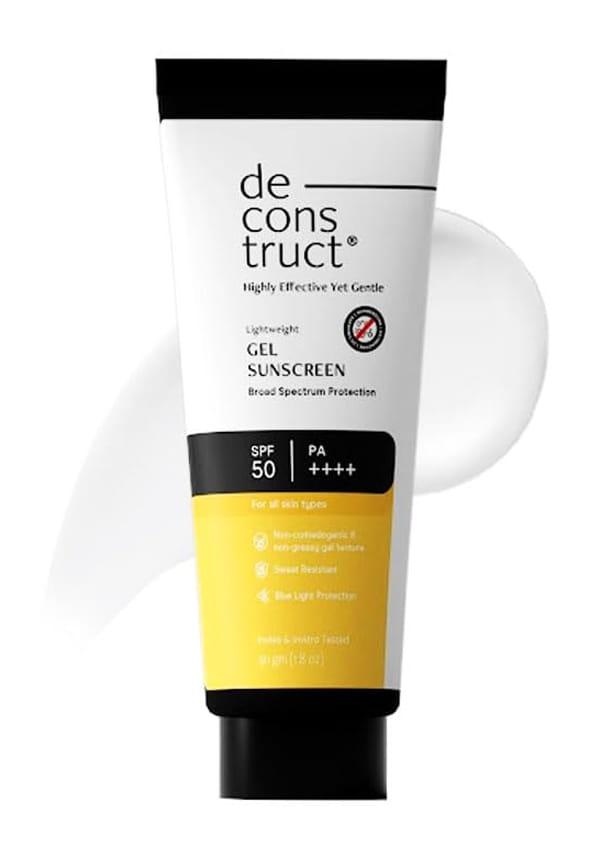
Lightweight Gel Sunscreen- SPF 50+ and PA+++
Gel vs. Cream Consistency
4“it says it's gel sunscreen but it's cream...tho the consistency is matte”
Good Product for Skin
4“this was a good product for skin”
Good Product for Skin
4“this was a good product for skin”
You don't need to break the bank to find good sun protection, but investing in a quality product that you'll actually use daily is worth it. Consider trying smaller sizes first or looking for trial options—platforms like Smytten offer curated trial packs from trusted brands, letting you test products before committing to full sizes. With over 1,500 brands available and the ability to try up to 8 minis for just ₹249, you can experiment with different sunscreen formulations without the financial commitment.
If you have specific skin concerns, sensitive skin, or are dealing with conditions like rosacea or eczema, a dermatologist can help guide your choice. They can recommend specific ingredients to look for or avoid based on your skin's unique needs.
Absolutely. UV rays don't take a break just because it's cold. UVA rays, which cause ageing and skin damage, remain consistent throughout the year. Even on cloudy days, up to 80% of UV rays can reach your skin. If you're in snowy areas, the reflection can actually increase your exposure significantly.
SPF 30-50 is ideal for most winter activities in India. If you're spending extended time outdoors, especially at higher altitudes, lean towards SPF 50. For daily indoor activities with minimal sun exposure, SPF 30 provides adequate protection without feeling too heavy.
While you can technically use the same product, winter-specific formulations often work better during colder months. They typically contain more moisturising ingredients and have creamier textures that help combat dryness while providing protection.
Look for mineral sunscreens with zinc oxide or titanium dioxide, as these are generally gentler than chemical filters. Avoid products with fragrances, alcohol, or harsh preservatives. Always patch test new products for 24-48 hours before full application, especially during winter when skin can be more reactive.
It's not necessary, but facial sunscreens are often formulated to be gentler and work better under makeup. If budget allows, a dedicated facial sunscreen can provide better cosmetic elegance, while a body sunscreen can be more cost-effective for larger areas.
The standard rule is every two hours if you're outdoors. However, if you're mostly indoors, one morning application is usually sufficient. Keep in mind that if you're near windows or driving, you're still getting UV exposure and may need to reapply.
Choosing the perfect winter sunscreen for Indian skin doesn't have to be complicated. Focus on broad spectrum protection with SPF 30-50, look for moisturising ingredients that combat winter dryness, and don't forget that UV protection is a year-round necessity, not just a summer concern.
Remember, the best sunscreen is the one you'll actually use every day. Whether that's a lightweight lotion or a rich cream depends on your skin type, lifestyle, and personal preferences. Don't be afraid to experiment with different formulations until you find your perfect match.
With platforms like Smytten making it easier to try products before committing to full sizes, finding your ideal winter sunscreen has never been more accessible. The platform's trial packs from over 1,500 trusted brands mean you can test different formulations without the guesswork, helping you make smarter, more confident choices for your skincare routine. After all, why settle for 'maybe' when you can try it all and find exactly what works for your skin?
