How to Choose the Perfect Sunscreen for Acne-Prone Skin
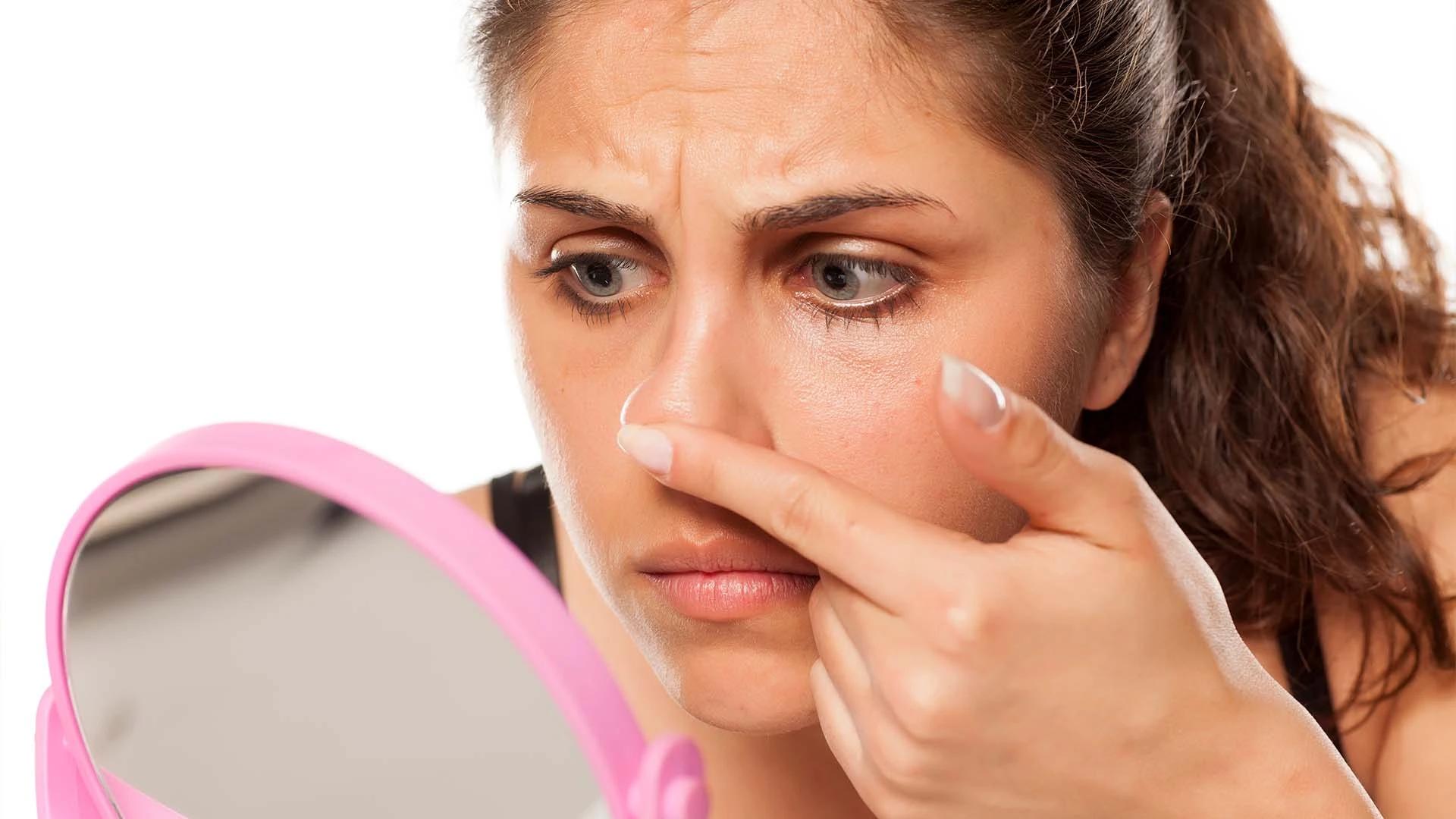

Finding the right sunscreen for acne prone skin feels like solving a puzzle, doesn't it? You need UV protection, but most formulas seem to clog pores or leave you looking like an oil slick by noon. Let's be real—acne-prone skin deserves sun protection that actually works with your skin, not against it. The good news? There are brilliant formulas out there that protect without the breakout drama. We're diving into everything you need to know about choosing a sunscreen that keeps your skin happy, protected, and clear.
Here's the thing about acne-prone skin and sun protection—it's not just about slapping on any SPF and calling it a day. Traditional sunscreens often contain heavy oils, thick emollients, and pore-clogging ingredients that can turn your face into a breakout zone. But skipping sunscreen altogether? That's not the answer either.
UV damage can actually make acne worse by increasing inflammation and slowing down your skin's healing process. Plus, those dark spots left behind by breakouts (hello, post-inflammatory hyperpigmentation) become even more stubborn when exposed to the sun. Studies show that people with acne-prone skin are 40% more likely to develop lasting pigmentation issues without proper sun protection.
The key is finding formulas specifically designed for your skin type. Non comedogenic sunscreen options have been game-changers for many people dealing with persistent breakouts. These formulas are tested to ensure they won't block your pores, giving you the protection you need without the acne flare-ups you definitely don't want.
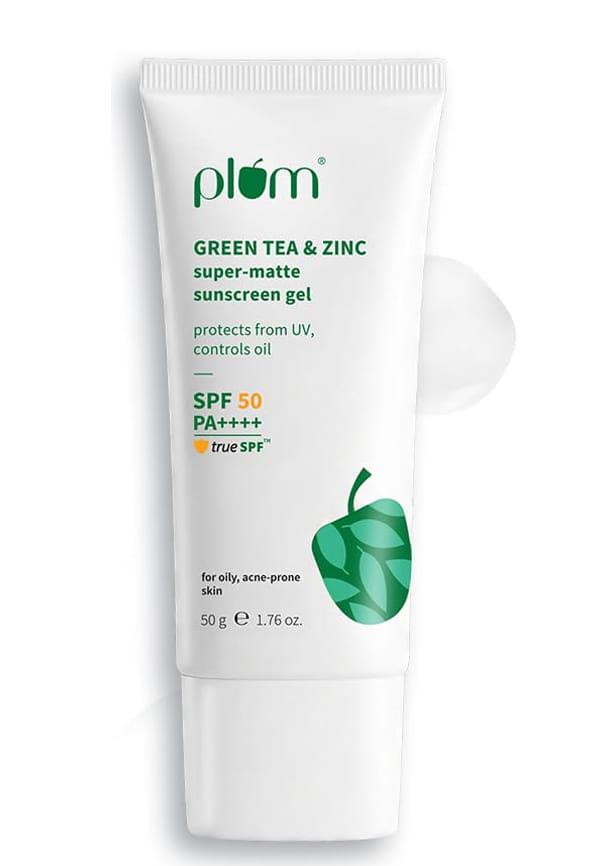
Green Tea & Zinc Super-Matte Sunscreen Gel , SPF 50 PA ++++ For Oily Skin
Not all sunscreen ingredients are created equal, especially when you're dealing with sensitive, breakout-prone skin. Some ingredients actually help calm inflammation whilst protecting your skin from UV damage. Let's break down what to look for in your next bottle.
Zinc oxide is basically the superhero of acne-safe sun protection. This mineral ingredient sits on top of your skin, creating a physical barrier against UV rays whilst also having anti-inflammatory properties that can help calm existing breakouts. Titanium dioxide works similarly, offering gentle protection that's perfect for sensitive skin types.
Chemical filters like avobenzone and octinoxate can work for some people with oily skin, but they're more likely to cause irritation or breakouts. If you do go the chemical route, look for newer-generation filters that are less likely to cause sensitivity.
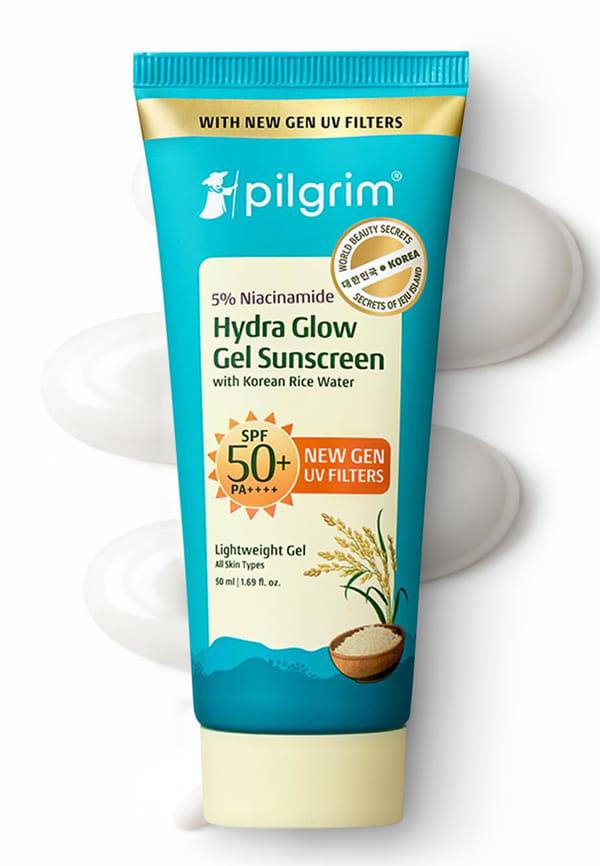
5% Niacinamide Oil-Free Super Light Gel Sunscreen SPF 50+ PA++++
Some sunscreens go the extra mile by including ingredients that actually benefit acne-prone skin. Niacinamide helps control oil production whilst reducing inflammation. Hyaluronic acid provides lightweight hydration without heaviness. Some formulas even include a small amount of salicylic acid to help keep pores clear.
Antioxidants like vitamin C and E can help protect against environmental damage whilst supporting your skin's healing process. These ingredients make your daily sunscreen for acne routine feel more like skincare and less like a necessary evil.
Knowing what to avoid is just as important as knowing what to look for. Some ingredients are notorious for clogging pores and causing breakouts, even in people who don't typically struggle with acne.
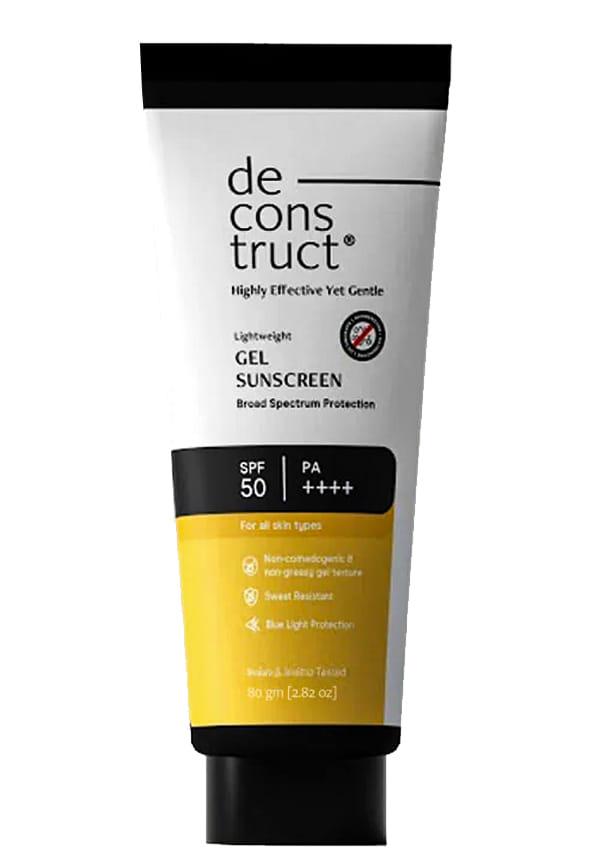
Lightweight Gel Sunscreen- SPF 50+ and PA+++
Coconut oil, cocoa butter, and other heavy plant oils might sound natural and lovely, but they're comedogenic nightmares for most people. These ingredients can block pores and create the perfect environment for bacteria to thrive. Similarly, thick waxes and heavy emollients can suffocate your skin.
Fragrance and essential oils are other common culprits. They might make your sunscreen smell amazing, but they can also irritate sensitive skin and trigger breakouts. Even ingredients marketed as "natural" can be problematic—your skin doesn't care if something comes from a plant if it's going to clog your pores.
Here's a surprising one: alcohol-based formulas aren't automatically better for oily skin. Whilst they might feel less greasy initially, they can actually trigger your skin to produce more oil to compensate for the drying effect.
The texture of your sunscreen can make or break your experience with it. Heavy, greasy formulas are a no-go for acne-prone skin, but there are plenty of lightweight options that feel like nothing on your skin.
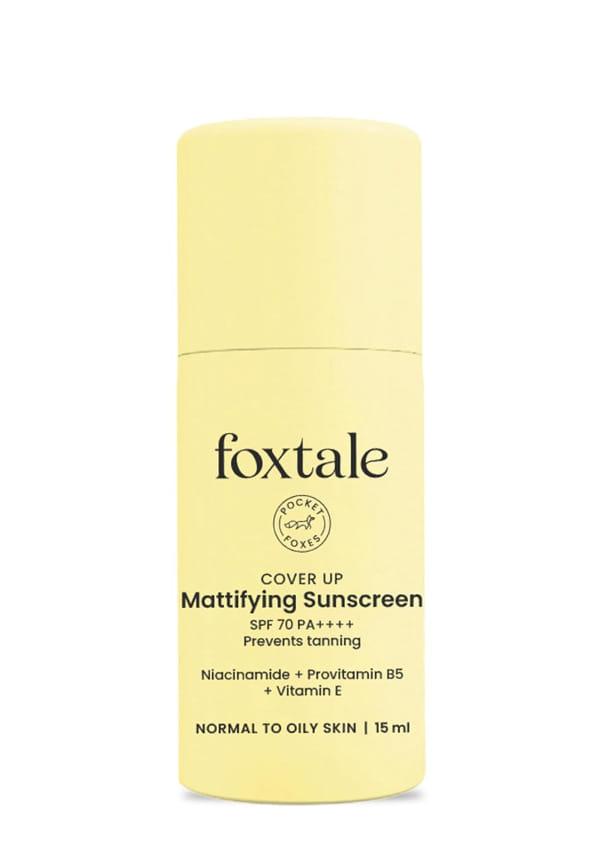
SPF 70 Matte Finish Sunscreen for Oily Skin
Gel-based sunscreens are brilliant for oily and acne-prone skin. They absorb quickly, don't leave a greasy residue, and often have a cooling effect that feels refreshing on inflamed skin. Water-based lotions are another excellent choice—they provide the protection you need without the weight.
Powder sunscreens can be handy for touch-ups throughout the day, especially if you wear makeup. They're not ideal as your primary protection, but they're perfect for reapplication without disturbing your base.
Look for formulas that contain silica or clay-based ingredients—these help absorb excess oil throughout the day and give you that coveted matte finish. Some sunscreen for oily skin formulas double as primers, creating a smooth base for makeup whilst controlling shine.
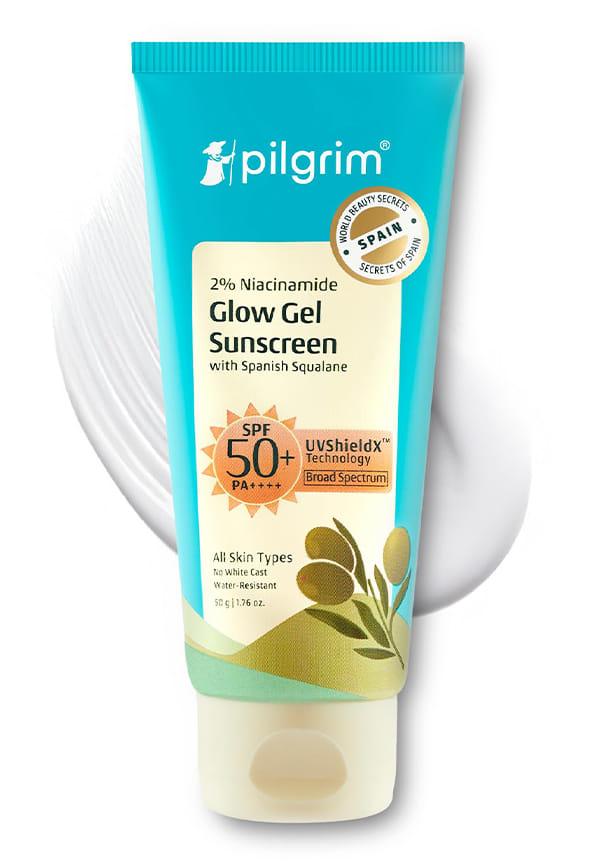
2% Niacinamide Glow Sunscreen Spf 50 Pa+++
The key is finding something that dries down properly. Your sunscreen should feel comfortable and invisible once it's absorbed, not sticky or heavy.
SPF 30 is generally sufficient for daily use and tends to be less heavy than higher SPF formulas. SPF 50 can be worth it if you're spending extended time outdoors, but for most people, a good SPF 30 applied properly beats a high SPF applied too thinly.
Broad-spectrum protection is non-negotiable—you need protection from both UVA and UVB rays. UVA rays are particularly sneaky because they don't cause obvious burning, but they're responsible for premature ageing and can worsen acne scarring.
Application technique matters more than you might think. You need about a quarter teaspoon for your face and neck—that's more than most people use. Don't forget to reapply every two hours, or more frequently if you're sweating or swimming.
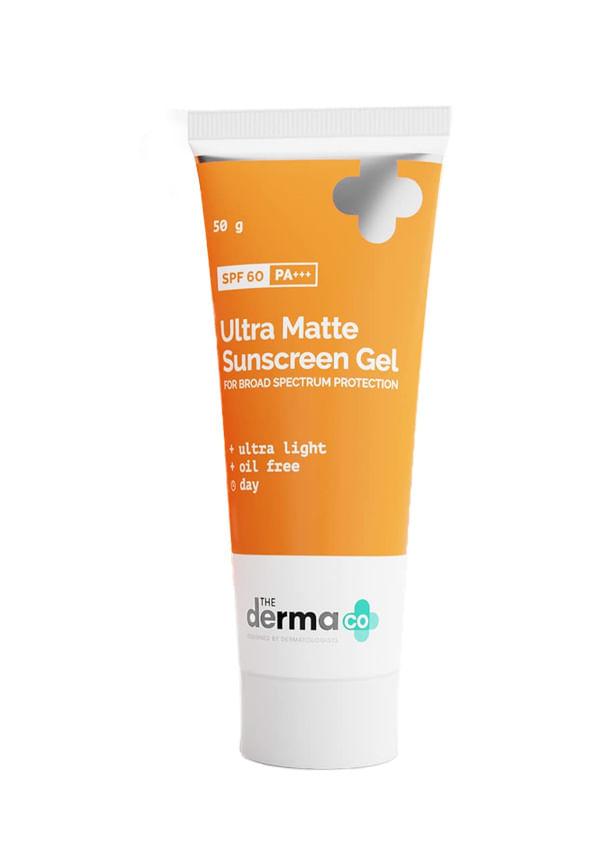
Ultra Matte Sunscreen Gel - SPF 60
If you're using acne treatments like retinoids or acids, apply your sunscreen as the final step in your morning routine. These treatments can make your skin more sensitive to the sun, making protection even more crucial.
Not all acne-prone skin is the same, and your sunscreen choice should reflect your specific needs and skin type.
Mineral sunscreen for acne is usually the gentlest option for sensitive, inflamed skin. These formulas are less likely to cause irritation and can actually help calm redness. Look for fragrance-free options and avoid anything with too many active ingredients.
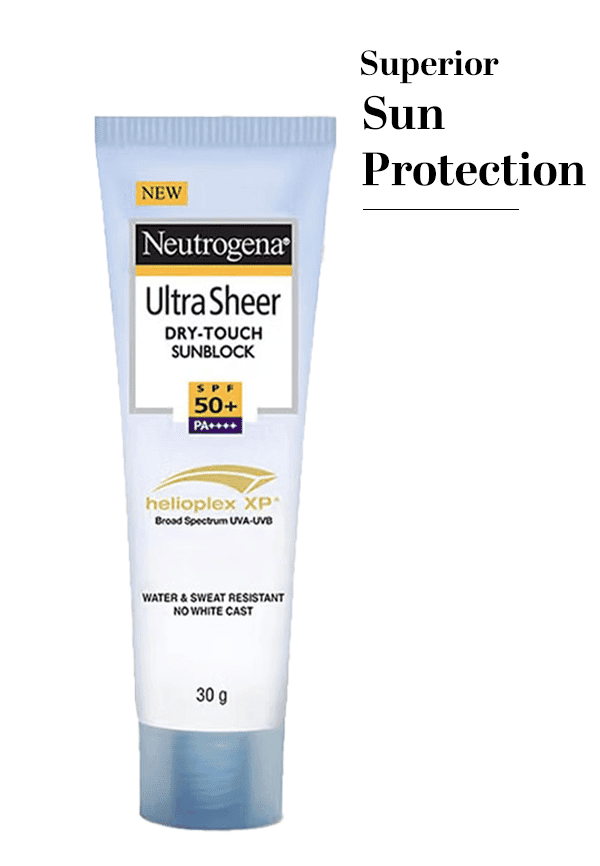
Ultra Sheer Dry Touch Sunscreen SPF 50+
When applying sunscreen over active breakouts, be gentle. Pat rather than rub, and make sure your hands are clean to avoid introducing more bacteria to the area.
If your skin tends to be oily, especially in your T-zone, look for formulas with mattifying properties. Ingredients like silica and niacinamide can help control oil production throughout the day. Some people find that gel formulas work better in humid climates, whilst lightweight lotions are perfect for air-conditioned environments.
Tinted sunscreens can be brilliant for covering dark spots whilst protecting them from further UV damage. Look for shades that match your skin tone—many brands now offer inclusive shade ranges that work for various skin tones.
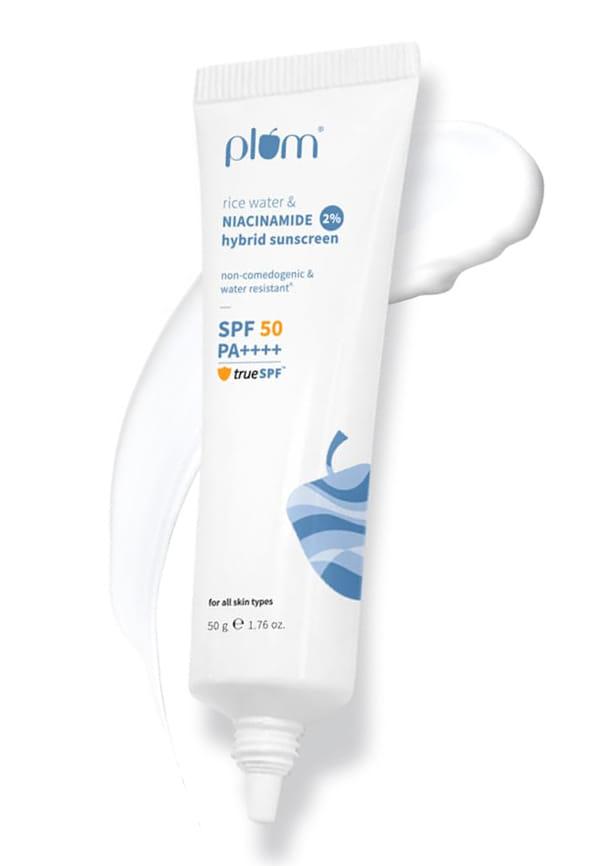
2% Niacinamide & Rice Water SPF 50 PA++++ Hybrid Sunscreen
Remember, preventing new dark spots is much easier than treating existing ones. Consistent sun protection is your best defence against post-inflammatory hyperpigmentation.
Even with the right formula, there are common mistakes that can sabotage your sun protection efforts. Under-application is probably the biggest one—most people use about half the amount they actually need.
Don't skip sunscreen when you're using acne treatments. Many people worry that layering products will cause breakouts, but proper sun protection is essential when your skin is more sensitive. If you're concerned about product interactions, space out your applications or consult with a dermatologist.
Proper removal is just as important as proper application. Use a gentle cleanser that can effectively remove sunscreen without over-stripping your skin. Double cleansing can be helpful if you're wearing makeup over your sunscreen.
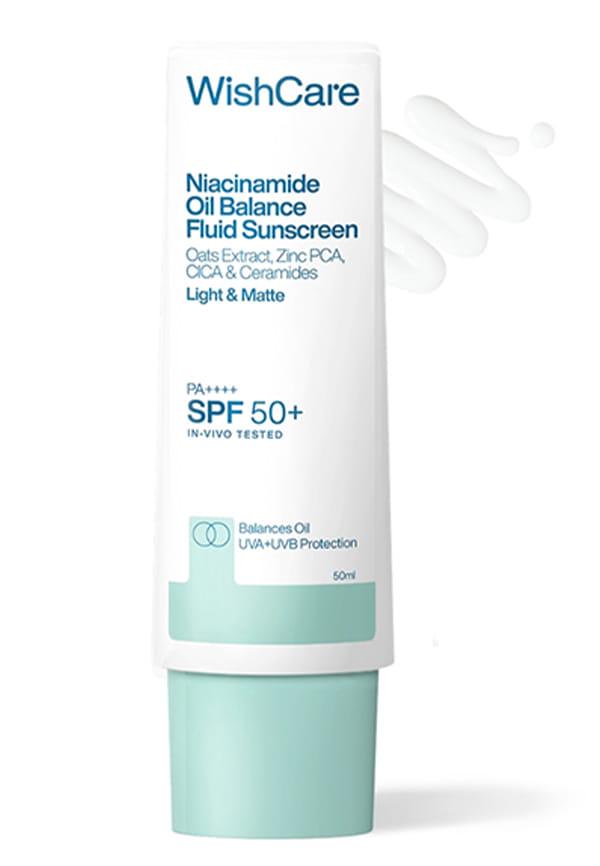
WishCare Niacinamide Oil Balance Sunscreen SPF 50 PA++++ - In-Vivo Tested
Seasonal adjustments might be necessary too. You might need a lighter formula in summer and something slightly more hydrating in winter, depending on your climate and how your skin behaves throughout the year.
Building a consistent routine is crucial. Your sunscreen without breakouts should become as automatic as brushing your teeth. The best sunscreen is the one you'll actually use every day.
With platforms like Smytten, you can actually try different sunscreen formulas before committing to full-size purchases. This takes the guesswork out of finding your perfect match—you can test how different textures and ingredients work with your skin without the financial risk of buying products that might not work for you.
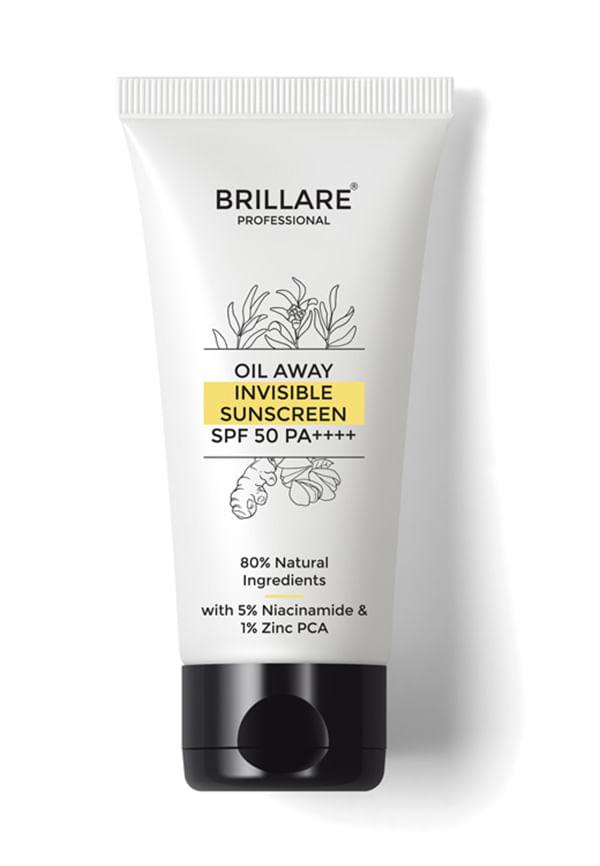
Oil Away INVISIBLE Sunscreen
The best sunscreen for acne prone skin is typically a non-comedogenic, oil-free formula with mineral filters like zinc oxide or titanium dioxide. Look for gel-based or lightweight lotion textures that won't clog pores. Ingredients like niacinamide can provide additional benefits for acne-prone skin.
Absolutely! Daily sunscreen use is essential for acne-prone skin. UV exposure can worsen inflammation and lead to post-inflammatory hyperpigmentation. Choose an acne safe sunscreen that's specifically formulated for your skin type and apply it every morning as the final step in your skincare routine.
Mineral sunscreens with zinc oxide or titanium dioxide are generally better for acne-prone skin because they're less likely to cause irritation or breakouts. They sit on top of the skin rather than being absorbed, making them gentler for sensitive, inflamed skin.
Use clean hands and pat the sunscreen gently onto your skin rather than rubbing vigorously. Apply it as the final step in your morning routine, after any acne treatments have fully absorbed. Make sure to use enough product—about a quarter teaspoon for your face and neck.
Avoid heavy oils like coconut oil, thick waxes, fragrances, and comedogenic ingredients. Also steer clear of alcohol-based formulas that can over-dry your skin and trigger more oil production. Always check that your sunscreen is labelled as non-comedogenic.
Whilst sunscreen won't treat existing acne scars, it's crucial for preventing them from getting darker. UV exposure can worsen post-inflammatory hyperpigmentation, making dark spots more prominent and longer-lasting. Consistent sun protection helps prevent new dark spots from forming.
Finding the perfect sunscreen for acne prone skin doesn't have to be a struggle. The key is understanding your skin's specific needs and choosing formulas that work with your skin type rather than against it. Whether you need an oil-free gel for super oily skin or a gentle mineral formula for sensitive areas, there's definitely something out there that'll work for you.
Remember, consistency is everything when it comes to sun protection. The best sunscreen is the one you'll actually want to use every single day. Don't be afraid to try different formulas until you find your perfect match—your skin (and your future self) will thank you for the effort.
Smytten makes this journey so much easier by offering trial-sized versions of various sunscreens from trusted brands. You can explore different formulas and find what works best for your skin without committing to full-size products. With over 1,500 brands available and the ability to try up to 8 minis for just ₹249, finding your ideal sunscreen becomes an exciting discovery rather than an expensive gamble. After all, why settle for 'maybe' when you can #TryItAll and find the perfect protection for your skin?
