How to Choose the Perfect Face Moisturizer Now


Let's be real—walking down the skincare aisle can feel like navigating a maze blindfolded. With thousands of face moisturisers promising everything from glass skin to eternal youth, knowing how to choose face moisturiser that actually works for you feels impossible. One minute you're reading about hyaluronic acid, the next you're wondering if that £50 face cream is worth it or just fancy packaging. Here's the thing: the perfect moisturiser isn't about the price tag or the prettiest bottle. It's about understanding your skin's unique needs and finding a formula that plays nicely with your face. Ready to decode the mystery? Let's dive into everything you need to know about choosing a face moisturiser that'll become your skin's new best friend.
Before you even think about ingredients or textures, you need to know what you're working with. Your skin type is basically your starting point for everything—from the face moisturiser you choose to how you apply it. Think of it as your skin's personality: some faces are naturally oily and dramatic, others are dry and sensitive, and some are just confusing combination types that can't make up their minds.
Here's a simple test that doesn't require fancy equipment. Wash your face with a gentle cleanser, pat it dry, and wait about an hour without applying anything. Now, look in the mirror and see what's happening. If your face feels tight and looks a bit dull, you're likely dealing with dry skin. If there's shine appearing on your forehead, nose, and chin (the famous T-zone), you've got oily skin. See shine everywhere? That's oily skin territory. If it's just the T-zone that's getting greasy while your cheeks feel normal or slightly dry, welcome to combination skin club.
Oily skin loves to make its presence known. You'll notice that shine creeping in by midday, even if you started with a fresh face. Your pores might look more visible, especially around your nose and forehead. If you're dealing with frequent breakouts alongside the oil, you're in acne-prone territory. The good news? When you know how to choose face moisturiser for oily skin, you can actually help balance things out rather than making them worse.
Dry skin often feels tight, especially after cleansing. You might notice flakiness, rough patches, or that your makeup doesn't sit quite right. Sometimes dry skin can feel itchy or look a bit dull. The tricky bit is that dry skin can change with seasons—you might be fine in summer but struggle when winter hits and the heating comes on. Understanding this helps you choose a moisturiser for dry skin that can adapt to your changing needs.
Combination skin is basically having two different skin types on one face. Your T-zone (forehead, nose, chin) tends to be oily while your cheeks are normal or dry. It's like your face can't decide what it wants to be. Sensitive skin, on the other hand, reacts to things—whether that's new products, weather changes, or stress. If your skin gets red, stings, or breaks out when you try new things, sensitivity is probably part of your skin story.
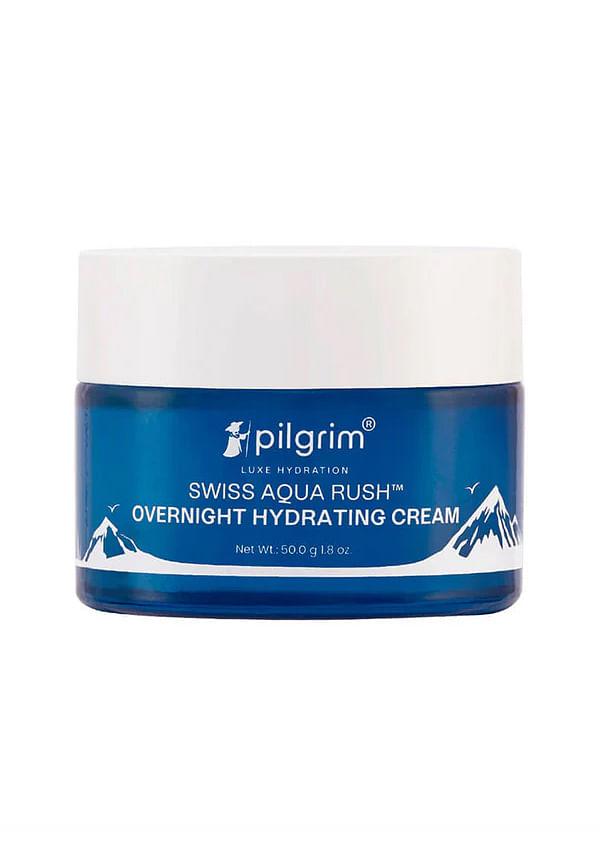
Swiss Aqua Rush Overnight Hydrating Face Cream
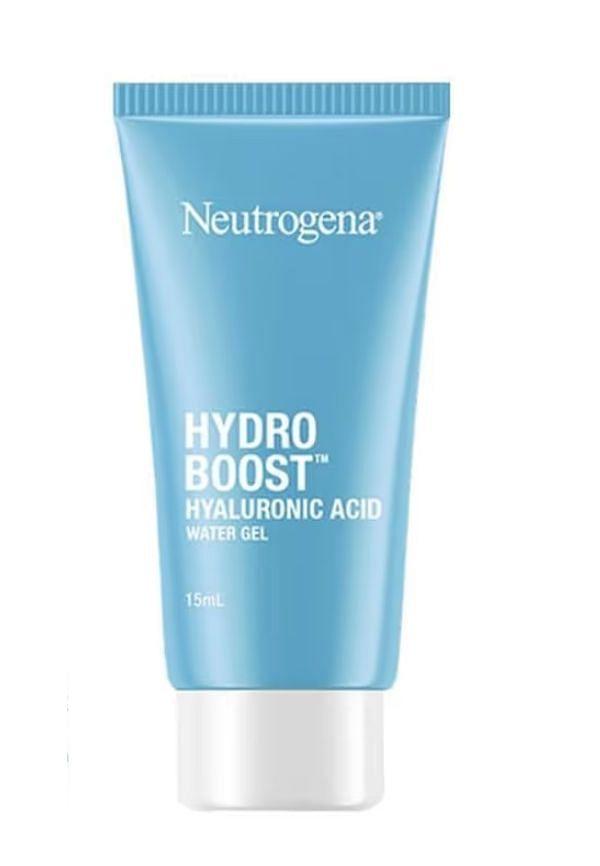
Hydro Boost Water Gel Moisturizer
Nice, Smooth Moisturizer
 5
5“nice moisturizr smooth and uh must try it ”
Good Product, Competitive Price
4“A bit costly , but smytten has less price compared to other platform Usefull product and working good”
A Staple Moisturizer
5“my go to moisturizer a staple for sure”
Now that you know your skin type, let's talk about what should actually be in your face moisturiser. Think of ingredients as the supporting cast in your skincare routine—each one has a specific job, and the best formulas know how to make them work together.
Hyaluronic acid is basically a moisture magnet—it can hold up to 1,000 times its weight in water. Sounds impressive, right? It works for everyone because it doesn't add oil, just pure hydration. Glycerin is another hero ingredient that draws moisture from the air into your skin. Ceramides are like the security guards of your skin barrier, keeping the good stuff in and the bad stuff out. These ingredients in face moisturiser work for pretty much everyone, regardless of skin type.
If you're dealing with oily skin, niacinamide is your friend—it helps control oil production and can make pores look smaller. For acne-prone skin, salicylic acid in your moisturiser can help prevent breakouts while keeping skin hydrated. Dry skin loves rich ingredients like shea butter and squalane, which create a protective barrier to lock moisture in. Sensitive skin responds well to soothing ingredients like aloe vera and chamomile.
Some ingredients just don't play well with certain skin types. If you have oily or acne-prone skin, heavy oils like coconut oil might clog your pores. Sensitive skin should probably avoid strong fragrances and essential oils that can cause irritation. Dry skin should steer clear of alcohol-heavy formulas that can strip away natural oils. It's not about these ingredients being bad—they're just not right for everyone.
The texture of your face moisturiser matters just as much as what's in it. It's like choosing between a light summer dress and a cozy winter jumper—both serve a purpose, but timing and context matter.
Glow+ Milk Fluid Moisturizer
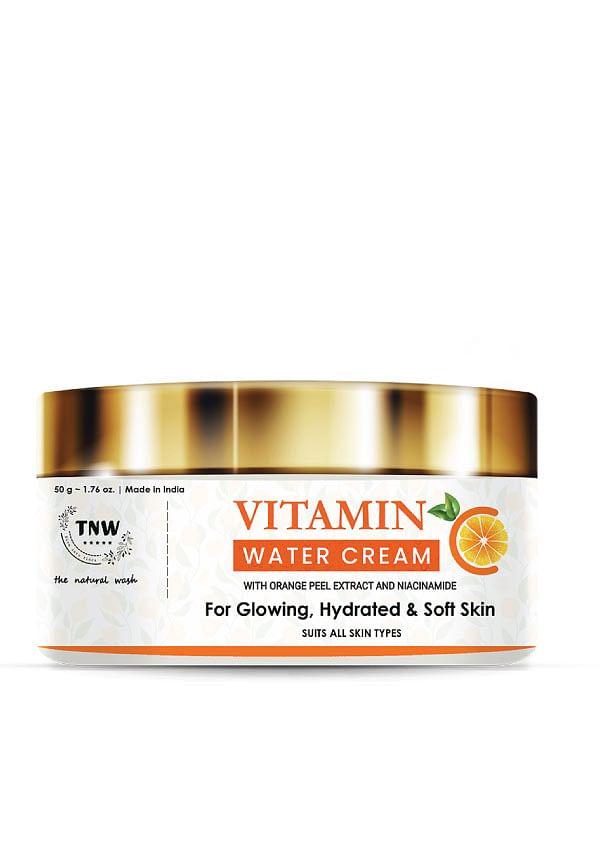
Vitamin C Water Cream For Hydrated Skin
Gel moisturisers are the lightweight champions of skin hydration. They absorb quickly, don't leave a greasy residue, and often have a cooling effect that feels amazing on oily skin. They're usually water-based rather than oil-based, which means they won't clog pores or add unwanted shine. Perfect for those hot summer days or if you're someone who hates the feeling of heavy products on your face.
Face cream formulations are richer and more emollient-heavy, making them perfect for dry skin that needs serious moisture. They create a protective barrier on your skin that helps prevent water loss throughout the day. Lotions fall somewhere in the middle—lighter than creams but more substantial than gels. They're great for normal skin or for those who want hydration without the heaviness.
Here's where things get interesting. Hydrating serums can sometimes replace traditional moisturisers, especially for oily skin. They're concentrated with active ingredients and absorb deeply into skin. You can also layer them under your regular moisturiser for extra skin hydration. It's like having a double shot of moisture when your skin really needs it.
Now for the practical bit—actually choosing the best moisturiser for face based on your specific skin type. This is where all that skin type knowledge comes in handy.
When you're figuring out how to choose face moisturiser for oily skin, look for oil-free, non-comedogenic formulas. These won't clog your pores or add extra shine. Gel textures work brilliantly, as do lightweight lotions with mattifying properties. Ingredients like niacinamide and hyaluronic acid provide hydration without heaviness. Don't skip moisturiser just because your skin is oily—dehydrated oily skin often produces even more oil to compensate.
Dry skin needs rich, emollient ingredients that create a protective barrier. Look for moisturiser for dry skin that contains ceramides, shea butter, or squalane. Cream textures usually work better than gels because they provide longer-lasting hydration. Don't be afraid of slightly heavier formulas—your skin needs that extra nourishment, especially during colder months.
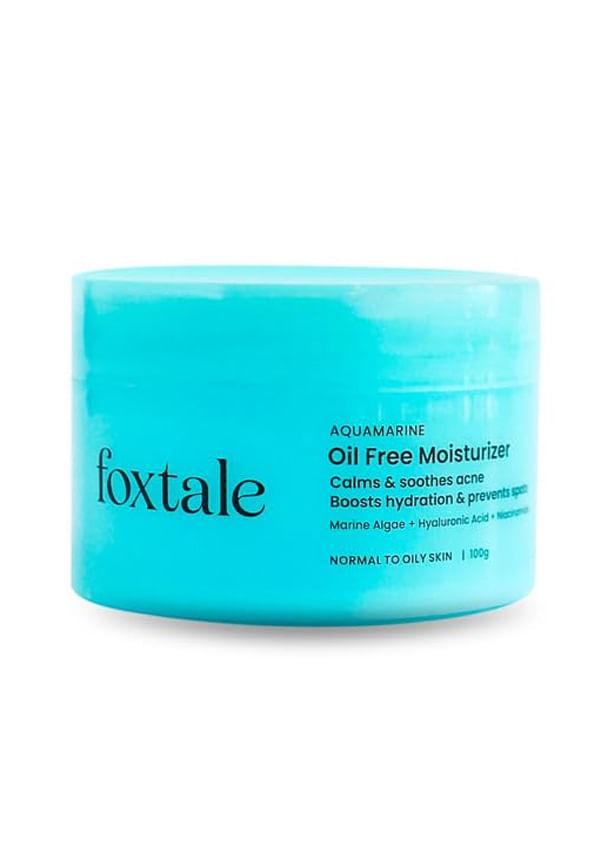
Oil Free Moisturizer
Best Moisturizer
5“it is One of the best best moisturizer”
Best Moisturizer
5“it is One of the best best moisturizer”
Best Moisturizer
5“it is One of the best best moisturizer”
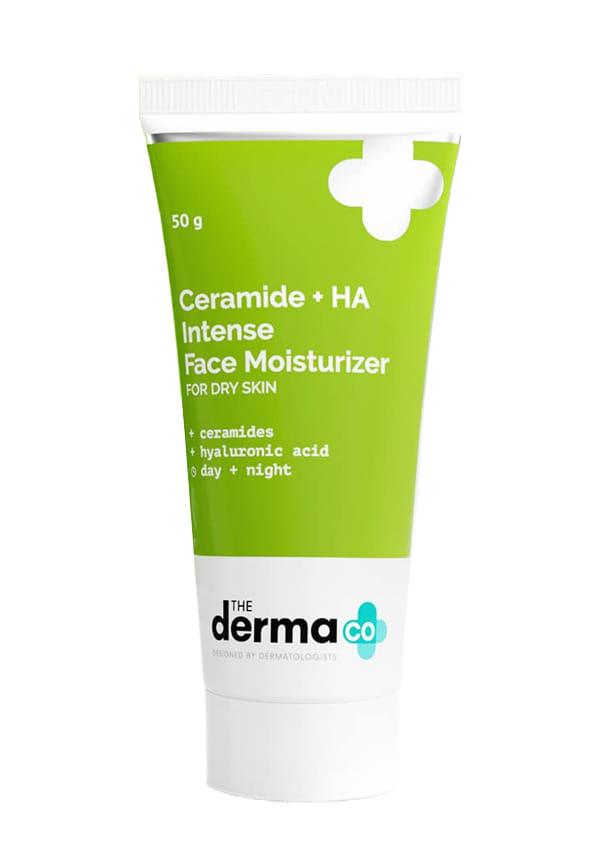
Ceramide + HA Intense Moisturizer
Best Moisturizer, Calm & Good
5“best moisturizer for my skin. calm and good”
Best Moisturizer, Calm & Good
5“best moisturizer for my skin. calm and good”
Great Moisturizer
5“great one nice mostturizer everyone”
Combination skin can be tricky because different areas of your face have different needs. You can either use one gentle, balanced moisturiser all over, or use different products for different zones. Many people find that a lightweight, hydrating formula works well everywhere, with maybe a slightly richer product just on the cheek areas if needed.
Sensitive skin needs gentle, fragrance-free formulas with minimal ingredients. Look for hypoallergenic options and always patch test new products on a small area first. Ingredients like ceramides, hyaluronic acid, and aloe vera are usually well-tolerated. Avoid anything with strong fragrances, essential oils, or high concentrations of acids.
Once you've found your perfect face moisturiser, you need to know how to use it properly. Your daily skincare routine should work with your moisturiser, not against it.
Morning moisturiser should focus on protection and creating a good base for makeup. Look for formulas with SPF or layer your moisturiser under sunscreen. Evening is when your skin does most of its repair work, so you can use richer, more treatment-focused formulas. Some people use the same moisturiser twice daily, while others prefer different formulas for different times.
Here's a game-changer: apply your moisturiser within three minutes of cleansing while your skin is still slightly damp. This helps lock in that extra moisture. Use gentle upward motions, starting from your neck and working up to your forehead. Don't forget your neck and décolletage—they need hydrating skincare too.
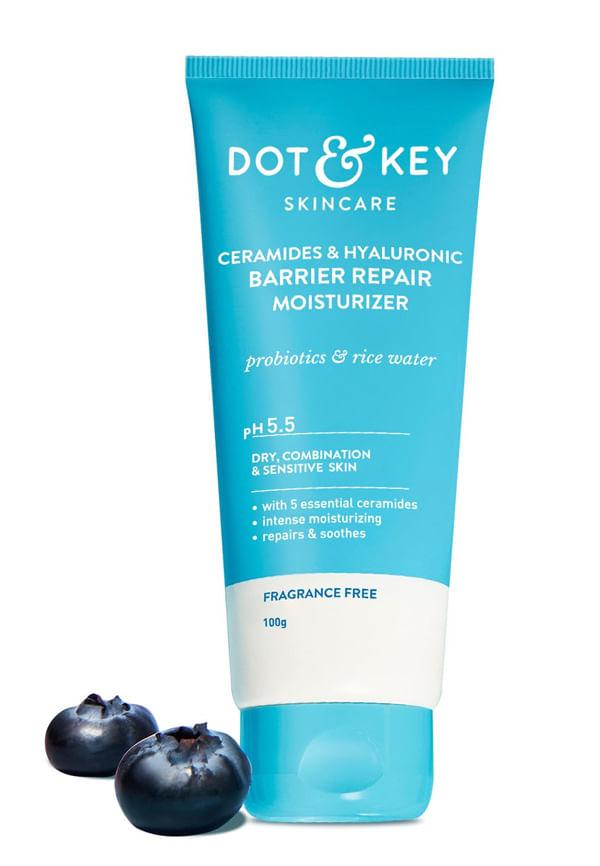
Ceramides & Hyaluronic Barrier Repair Moisturizer
Easy to apply and lightweight
4“it's easy to apply and light weight”
Great Barrier Repair Moisturiser
5“Great barrier repair moisturiser”
Nice and Good Product
5“Nice and good must buy go for it”
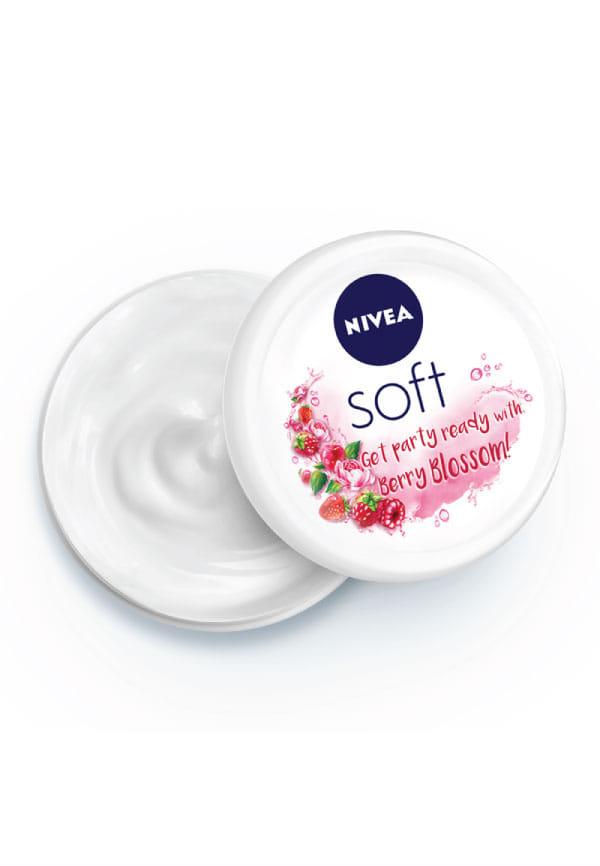
Soft Light Moisturizer | Berry Blossom
Your skin's needs change with the seasons, and your moisturiser should adapt too. Summer might call for lighter, gel-based formulas, while winter often requires richer creams. Central heating and air conditioning can affect your skin's moisture levels, so don't be afraid to switch things up throughout the year.
Start by identifying your skin type using the simple test mentioned earlier. Then choose a formula that matches your skin's needs—gel for oily skin, cream for dry skin, and gentle formulas for sensitive skin. Consider your lifestyle, climate, and any specific skin concerns when making your choice.
Oily skin works best with lightweight, oil-free gels or lotions. Dry skin needs rich creams with emollient ingredients. Combination skin can use balanced formulas or different products for different areas. Sensitive skin requires gentle, fragrance-free options with minimal ingredients.
Start with understanding your skin type and concerns. Read ingredient lists and choose formulas that address your specific needs. Consider trying smaller sizes or samples before committing to full-size products. Pay attention to how your skin feels and looks after using a product for a few weeks.
Many people can use the same moisturiser throughout the year, especially if they have normal skin. However, if you notice your skin feeling different with seasonal changes, it's perfectly fine to switch between lighter summer formulas and richer winter creams.
Give a new moisturiser at least 2-4 weeks to see how your skin responds. Initial reactions like slight tingling might settle down, but persistent irritation, breakouts, or worsening skin condition means the product isn't right for you.
Choosing the perfect face moisturiser doesn't have to feel overwhelming once you understand the basics. Start with identifying your skin type, then look for ingredients and textures that support your skin's specific needs. Remember that the best moisturiser for face is the one that makes your skin feel comfortable, hydrated, and healthy—not necessarily the most expensive or trendy option. The beauty of skincare is that you can experiment and find what works for you. Smytten makes this journey easier by offering trial-sized versions of moisturisers from trusted brands like Cetaphil and Dot & Key. With over 1,500 brands available in mini sizes, you can discover your perfect face moisturiser without the commitment of full-size purchases. Whether you're looking for a moisturiser for dry skin or trying to find the best formula for oily skin, exploring different options through trial sizes helps you make confident choices. After all, why settle for 'maybe' when you can try it all and find exactly what your skin loves?
