How to Choose the Best Winter Face Oils for Dry Skin
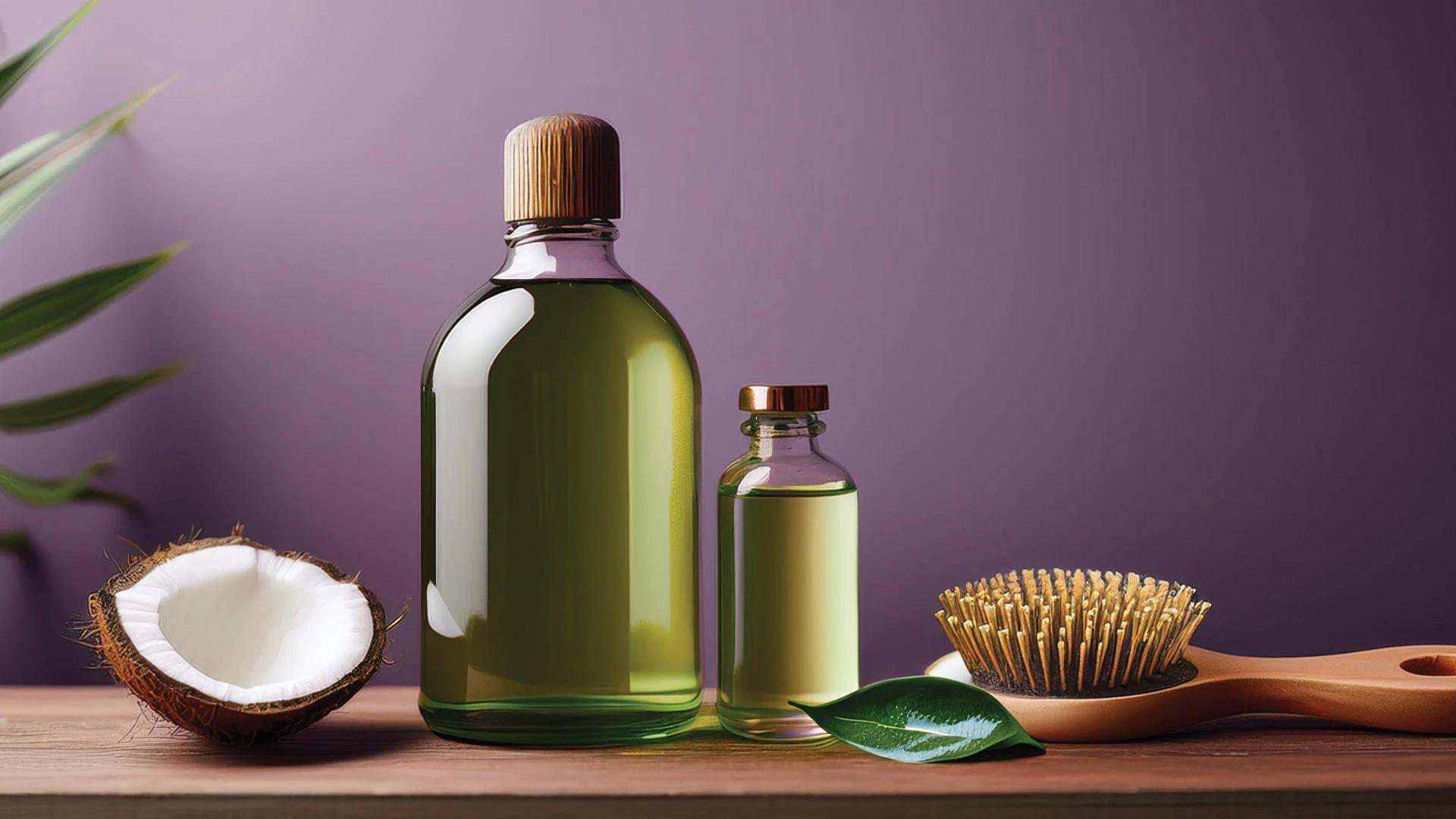

Winter's here, and your skin's probably sending you some not-so-subtle hints that it needs backup. You know the drill—tight, flaky patches that no amount of regular moisturiser seems to fix. Here's the thing: winter face oils women love aren't just trendy additions to your skincare routine—they're proper game-changers when the cold hits hard. Think of them as your skin's winter coat, creating that protective barrier whilst delivering deep hydration that actually sticks around. Let's dive into how to pick the perfect oil that'll have your skin looking plump and glowing, even when the weather's doing its worst.
Real talk—winter is brutal on your skin. The cold air outside has virtually zero humidity, whilst indoor heating systems are basically moisture-sucking machines. Your skin barrier takes a proper beating, losing water faster than you can say "dry skin emergency." This is where a solid winter skincare routine with the right face oils becomes your best mate. Traditional moisturisers often contain water as their main ingredient, which sounds great until you realise that water can actually evaporate from your skin in harsh winter conditions. Face oils, on the other hand, create an occlusive barrier that locks in moisture whilst delivering essential fatty acids your skin craves. They're like a protective shield that keeps the good stuff in and the harsh elements out. The science bit is pretty fascinating—skincare for cold weather needs to focus on repairing and strengthening your skin barrier. Face oils contain lipids that are similar to what your skin naturally produces, helping to fill in the gaps where your barrier might be compromised. Plus, many oils are packed with antioxidants that protect against environmental damage, which is especially important when winter winds are having a go at your face. Winter skin hydration isn't just about slapping on more product—it's about choosing the right type of hydration. Oils provide long-lasting moisture that doesn't just sit on top of your skin but actually penetrates to deliver nutrients where they're needed most.
Choosing the best face oil for dry skin can feel overwhelming with so many options out there. But here's the thing—different oils bring different benefits to the table, and knowing what each one does best will help you find your perfect match.
This golden beauty is packed with vitamin E and essential fatty acids that your winter skin absolutely adores. It's got this lovely lightweight texture that absorbs quickly without leaving you looking like you've dunked your face in a chip pan. The antioxidant properties help protect against winter environmental damage, whilst the oleic acid content makes it brilliant for very dry skin types.
If your skin's looking a bit dull from winter weather, rosehip oil might just become your new obsession. It's loaded with vitamin C and omega fatty acids that help with skin regeneration. Perfect for when winter has left your complexion looking tired and uneven—this oil helps brighten things up whilst delivering serious hydration.
Technically a wax ester rather than an oil, jojoba is the closest thing to your skin's natural sebum. This makes it brilliant for all skin types, even if you're dealing with the occasional winter breakout. It's non-comedogenic and absorbs beautifully, making it perfect for daily use in your winter routine.
This lightweight hydrating face oil has been a beauty secret in Asia for centuries. Packed with vitamins A, B, and E, it absorbs quickly whilst providing excellent antioxidant protection. It's particularly good if you want hydration without any heaviness—perfect for layering under makeup.
With its high concentration of antioxidants and oleic acid, marula oil is brilliant for very dry winter skin. It absorbs fast but provides long-lasting hydration, making it ideal for those days when your skin feels particularly parched. The light, nutty scent is quite lovely too.
When your skin needs serious intervention, avocado oil steps up to the plate. Rich in vitamins A, D, and E, it's got a heavier texture that makes it perfect for nighttime use. If winter has left your skin feeling tight and uncomfortable, this oil provides the deep nourishment you need.
With its perfect omega 3:6 ratio, hemp seed oil is brilliant for maintaining healthy skin balance. It's got anti-inflammatory properties that help calm winter irritation, and despite what you might think, it's actually suitable for acne-prone skin that's also dealing with winter dryness.
Picking the right oil isn't just about grabbing whatever's trending on social media. Your skin's unique needs, especially during winter, should guide your choice. Let's break down how to match the perfect oil to your specific requirements.
First things first—take a proper look at what winter's doing to your skin. Are you dealing with flakiness around your nose and cheeks? Tightness after cleansing? Or maybe your usual oily skin has gone a bit haywire and is now dry in some spots but still breaking out in others? Understanding your current skin condition helps you choose an oil that addresses your specific winter woes.
Lightweight oils like camellia seed or jojoba work brilliantly for daily use and under makeup. Heavier oils like avocado or sweet almond are perfect for nighttime or when your skin needs extra TLC. Consider the comedogenic rating too—if you're prone to breakouts, stick with non-comedogenic options like jojoba or hemp seed oil.
Your twenties skin might love a simple jojoba oil, whilst mature skin might benefit more from the anti-ageing properties of rosehip or argan oil. The key is understanding that face oil benefits can vary depending on what your skin needs at different life stages.
Integrating face oils for winter into your routine isn't just about slapping them on whenever you remember. There's actually a bit of strategy involved to get the most out of these liquid gold bottles.
Start with a gentle cleanser that won't strip your already-compromised winter skin. Apply your face oil to slightly damp skin—this helps with absorption and creates an even better moisture seal. If you're wearing makeup, give the oil a few minutes to absorb before applying your base. Some oils work brilliantly as a primer base, giving your foundation a lovely dewy finish.
Your evening routine is where face oils really shine. After cleansing and applying any serums, warm a few drops of oil between your palms and gently press into your skin. You can use oil as your main moisturiser or layer it under your regular cream for extra hydration. The key is consistency—your skin barrier repairs itself overnight, so this is when you want to give it all the nourishing support possible.
Once or twice a week, treat your skin to an oil mask. Apply a slightly thicker layer of your chosen oil and leave it on for 15-20 minutes before gently removing any excess. You can also mix different oils to create a custom blend that addresses multiple skin concerns.
Knowing how to apply your natural face oils properly can make the difference between glowing skin and a greasy mess. It's not rocket science, but there are definitely some tricks that'll help you get the most out of your investment.
Less is definitely more when it comes to face oils. Start with 2-3 drops for your entire face—you can always add more if needed. Warm the oil between your palms before applying, as this helps it absorb better. Use gentle pressing motions rather than rubbing, which can irritate winter-sensitive skin.
The golden rule is thinnest to thickest consistency. Apply water-based serums first, then your face oil, followed by any cream moisturisers. If you're using multiple oils, apply the lightest one first. Some people love mixing a drop of oil into their moisturiser for a custom hydration boost.
Don't apply oil to completely dry skin—slightly damp skin helps with absorption. Avoid the eye area unless your oil is specifically formulated for that delicate skin. And please don't use body oils on your face—facial skin needs gentler, more refined formulations. With platforms like Smytten, you can actually try different facial oils for women in mini sizes before committing to full-size bottles. This is brilliant for winter when you might need to experiment with different oils to find what works best for your changing skin needs. Getting up to 8 minis for just ₹249 means you can test various options without the financial commitment—perfect for finding your holy grail winter oil.
The debate between pure, single-ingredient oils and fancy formulated blends is real. Both have their place in a solid winter skincare routine, and understanding the differences helps you make better choices for your skin and budget.
There's something beautifully simple about knowing exactly what you're putting on your skin. Pure oils like jojoba or argan are often more cost-effective and allow you to customise your routine by mixing different oils. You also avoid potential reactions from added fragrances or preservatives that some commercial blends include.
Commercial blends often combine multiple beneficial oils with added vitamins and antioxidants. These formulations can offer synergistic benefits that you might not get from single oils. They're also usually more stable and have longer shelf lives, which is handy if you're not using oil daily.
Whether you choose natural or commercial options, always check the ingredient list. Avoid oils with added fragrances if you have sensitive skin, and be wary of products with long lists of unpronounceable ingredients. Quality oils should feel nourishing, not irritating.
Absolutely! Even oily skin can become dehydrated in winter. Choose lightweight, non-comedogenic oils like jojoba or hemp seed oil. These actually help balance your skin's oil production rather than making it greasier.
Most women notice immediate hydration benefits, but it typically takes 2-4 weeks of consistent use to see significant improvements in skin texture and overall condition. Winter skin often needs a bit more time to repair and strengthen.
Definitely! Mixing oils can give you customised benefits. Try combining a lightweight oil like jojoba with a more nourishing one like avocado for the perfect winter blend. Start with equal parts and adjust based on how your skin responds.
This depends on your skin type and the oil you're using. Most women benefit from using oil at least once daily in winter, typically in the evening. If your skin is very dry, twice daily application can be helpful.
Most pure oils last 6-12 months when stored properly in a cool, dark place. Commercial blends with added preservatives may last longer. If your oil starts smelling rancid or changes colour, it's time to replace it.
Finding the right winter face oils women love is honestly a bit of a journey, but it's so worth it when you discover that perfect match. Your skin's needs change with the seasons, and winter definitely calls for some extra TLC in the hydration department. Whether you go for a simple single-ingredient oil or a fancy formulated blend, the key is consistency and choosing something that works with your skin type and lifestyle. Remember, what works for your mate might not work for you, and that's completely normal. The beauty of exploring different dry skin remedies through trial sizes means you can find your perfect winter oil without the commitment or expense of full-size products. Smytten's trial platform makes this exploration both affordable and fun—you can literally try multiple options to see what your skin loves most during the harsh winter months. Don't be afraid to adjust your routine as winter progresses. Your skin's needs might change as the weather gets colder or as indoor heating ramps up. The goal is healthy, comfortable skin that feels nourished rather than tight or flaky. With the right oil in your winter arsenal, you'll be glowing through the coldest months instead of just surviving them.
