How to Choose the Best Vitamin C Serum for Skin


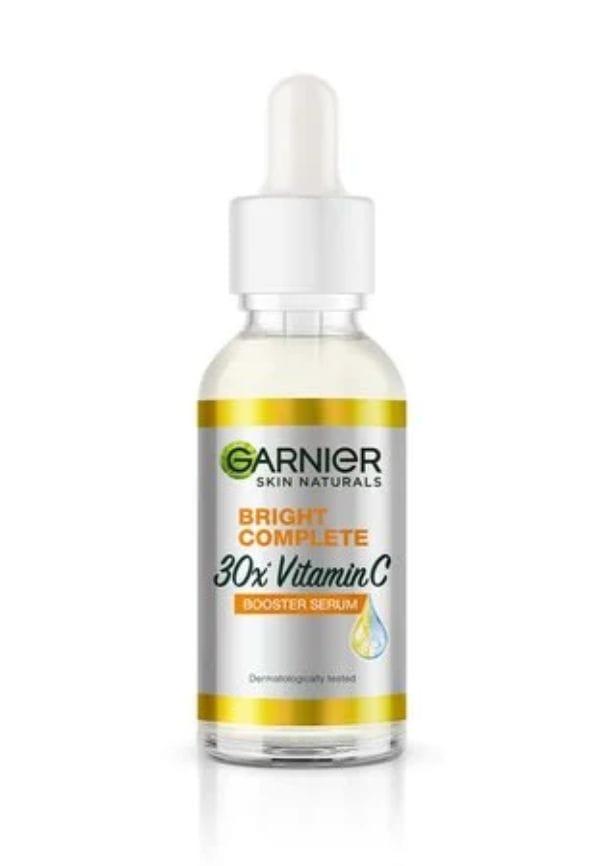
Bright Complete Vitamin C Serum
Amazing Product
 4
4“ufff amazing 😻 just love this one”
Great Product
5“good product... prefer to all my friends”
Excellent Garnier Serum
5“Best quality and best Garnier serum”
Finding the best vitamin C serum feels like searching for a needle in a haystack, doesn't it? With shelves packed with bottles promising glowing skin and anti-ageing miracles, it's easy to feel overwhelmed. But here's the thing—vitamin C serums aren't just another skincare trend. They're backed by solid science and can genuinely transform your skin when you pick the right one. Whether you're dealing with dark spots, fine lines, or just want that healthy glow everyone's obsessing over, the perfect vitamin C serum is out there waiting for you. Let's break down everything you need to know to make that choice feel less like guesswork and more like a confident decision.
Not all vitamin C serums are created equal, and understanding what separates the good from the great can save you from disappointment. The best vitamin C serum combines the right concentration, stable formulation, and ingredients that work well with your skin type.
First up, let's talk concentration. Most effective serums contain between 10-20% vitamin C. Anything lower might not deliver noticeable results, while higher concentrations can irritate your skin without providing extra benefits. Think of it as the Goldilocks zone—just right for most skin types.
Stability is another game-changer. Vitamin C is notoriously unstable and can oxidise quickly when exposed to light, air, or heat. Look for serums in dark glass bottles with airtight pumps. If your serum has turned brown or orange, it's time to bin it—oxidised vitamin C won't do your skin any favours.
The vitamin C serum benefits extend far beyond basic skincare. This powerhouse ingredient stimulates collagen production, fights free radical damage, and helps your skin repair itself from environmental stressors. It's like having a personal bodyguard for your skin cells, working round the clock to keep them healthy and functioning properly.
Let's get real about what vitamin C serum for face can actually do for you. The research is pretty impressive, and the benefits go way beyond just looking good in your morning selfie.
Collagen production gets a major boost with regular vitamin C use. As we age, our natural collagen production slows down, leading to fine lines and sagging skin. Vitamin C acts like a wake-up call for your skin cells, encouraging them to produce more collagen and maintain that plump, youthful appearance.
The antioxidant properties are where vitamin C really shines. Your skin faces daily attacks from pollution, UV rays, and other environmental nasties that create free radicals. These unstable molecules damage your skin cells and accelerate ageing. Vitamin C neutralises these troublemakers before they can cause lasting damage.
Skin brightening is another major win. Vitamin C inhibits melanin production, which means it can help fade existing dark spots and prevent new ones from forming. It's not an overnight miracle, but with consistent use, you'll notice a more even skin tone and that coveted healthy glow.
Clinical studies consistently show that people using vitamin C serums experience improved skin texture, reduced hyperpigmentation, and better overall skin health. The key is consistency—vitamin C works best when it becomes part of your daily routine, not just an occasional treat.
Understanding vitamin C serum ingredients can feel like learning a new language, but it's worth getting familiar with the key players. The type of vitamin C used makes a huge difference in how well the serum works and how your skin tolerates it.
L-Ascorbic Acid is the gold standard—it's the most potent form of vitamin C and has the most research backing its effectiveness. However, it's also the most unstable and can be irritating for sensitive skin. If you're new to vitamin C or have reactive skin, you might want to start with gentler derivatives.
Magnesium Ascorbyl Phosphate and Sodium Ascorbyl Phosphate are more stable alternatives that convert to vitamin C once they penetrate your skin. They're less potent than L-Ascorbic Acid but also less likely to cause irritation. Perfect for beginners or those with sensitive skin.
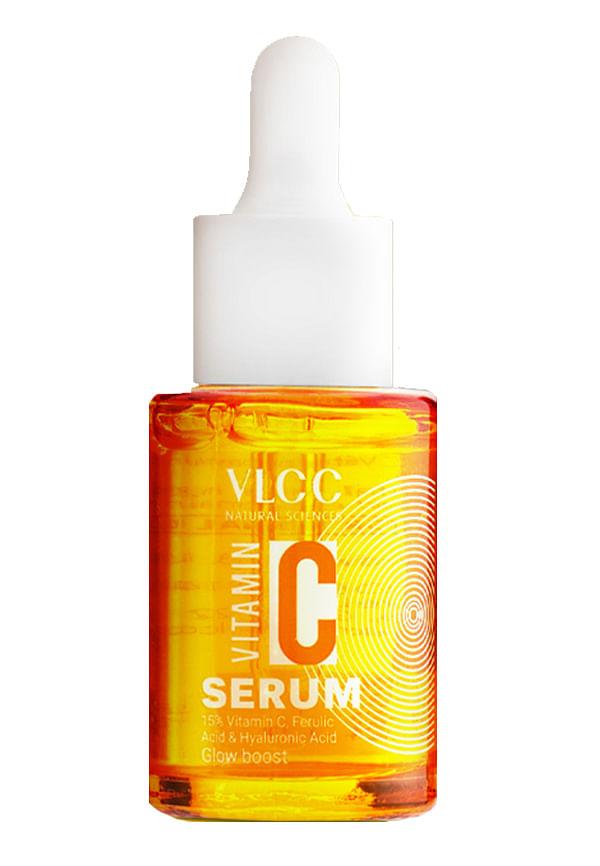
Vitamin C Night Serum
Perfect Product
4“just perfect apply this and suncream daily , changes are stunning”
Look for serums that include stabilising ingredients like Vitamin E and Ferulic Acid. This trio works synergistically—Vitamin E and Ferulic Acid help stabilise the vitamin C and boost its effectiveness. It's like having a support team that makes the star player perform even better.
Complementary ingredients can enhance your results. Hyaluronic Acid provides hydration, while Niacinamide can help with pore appearance and oil control. However, be cautious about mixing vitamin C with certain actives like retinol or AHA/BHA acids, as this can increase irritation risk.
Your skin concerns should guide your vitamin C serum choice. Different formulations work better for different issues, and understanding these nuances can help you find your perfect match.
For tackling dark spots, you'll want a vitamin C serum for dark spots with a higher concentration—around 15-20% L-Ascorbic Acid works best. Look for serums that combine vitamin C with other brightening ingredients like kojic acid or arbutin for enhanced results.
Patience is key here. Most people start seeing improvements in dark spots after 4-6 weeks of consistent use, with significant results appearing around the 12-week mark. Don't expect overnight miracles, but do expect gradual, steady improvement.
When targeting fine lines and wrinkles, a vitamin C serum for wrinkles should focus on collagen stimulation. Look for formulations that include peptides or hyaluronic acid alongside vitamin C. These ingredients work together to plump the skin and smooth out fine lines.
For mature skin, stability becomes even more important. Choose serums with additional antioxidants like Vitamin E to maximise the anti-ageing benefits and protect against further damage.
If your skin tends to react to new products, start with gentler vitamin C derivatives like Magnesium Ascorbyl Phosphate at lower concentrations (5-10%). Always patch test new serums on a small area of skin before applying to your entire face.
Getting your vitamin C serum routine right can make the difference between seeing amazing results and wondering why you bothered. The good news is that once you know the basics, it becomes second nature.
Most experts recommend using vitamin C serum in the morning to take advantage of its antioxidant protection throughout the day. Apply it to clean, dry skin before your moisturiser and sunscreen. Think of it as your skin's daily armour against environmental damage.
Here's your step-by-step application process: cleanse your face, apply 2-3 drops of vitamin C serum to your fingertips, gently pat it into your skin (avoiding the eye area), wait 10-15 minutes for absorption, then follow with moisturiser and SPF. The waiting time is crucial—it allows the vitamin C to properly penetrate your skin.
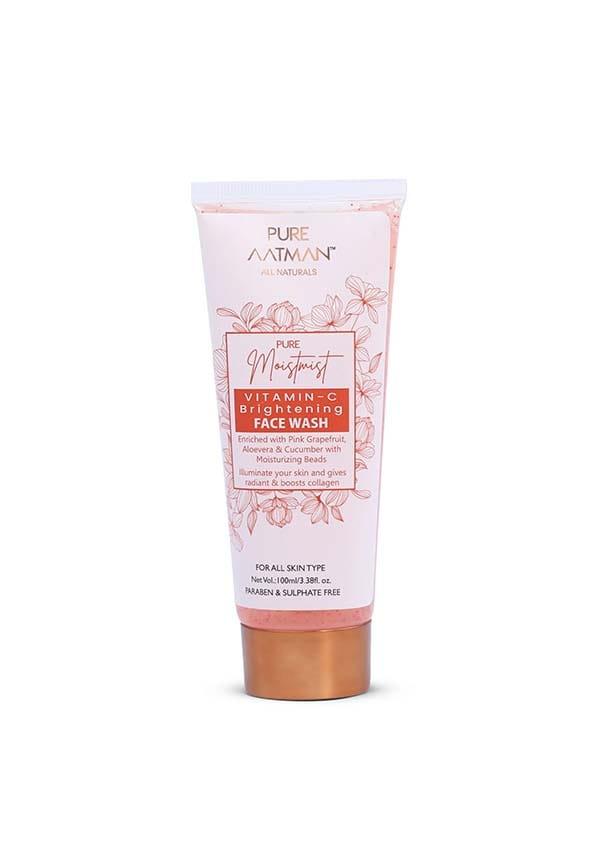
vitamin -C for women girls men bright glowing skin with Natural Vitamin- C
Storage matters more than you might think. Keep your serum in a cool, dark place—your fridge is actually ideal. Heat and light are vitamin C's worst enemies, so that sunny bathroom shelf isn't doing your serum any favours.
Start slowly if you're new to vitamin C. Begin with every other day for the first week, then gradually increase to daily use as your skin adjusts. This approach helps minimise irritation and lets your skin build tolerance.
While vitamin C is generally well-tolerated, understanding potential vitamin C serum side effects helps you use it safely and effectively. Knowledge is power, especially when it comes to your skin.
The most common side effects include mild irritation, redness, or tingling when you first start using vitamin C. This usually subsides as your skin adjusts, but if irritation persists or worsens, it's time to reassess your choice of serum or concentration.
Some people experience increased sensitivity to the sun when using vitamin C, which is why pairing it with a broad-spectrum SPF is non-negotiable. Think of sunscreen as vitamin C's best friend—they work better together and keep your skin protected.
If you have very sensitive skin conditions like rosacea or eczema, consult with a dermatologist before adding vitamin C to your routine. They can recommend the gentlest formulations and help you introduce it safely.
Pregnancy and breastfeeding don't typically require avoiding vitamin C serums, but it's always wise to check with your healthcare provider about any new skincare products during these times.
Managing expectations is crucial when starting any new skincare routine. Understanding realistic vitamin C serum before and after timelines helps you stay motivated and avoid the disappointment of expecting instant results.
In the first 2-4 weeks, you might notice your skin looking brighter and more radiant. This initial glow is often the first sign that your vitamin C serum is working. Your skin might also feel smoother and more hydrated.
Around the 6-8 week mark, you should start seeing improvements in skin tone and texture. Dark spots may begin to fade, and fine lines might appear less noticeable. This is when the real magic starts happening as your skin's collagen production increases.
The most dramatic results typically appear after 12+ weeks of consistent use. This is when you'll see significant improvements in hyperpigmentation, skin firmness, and overall radiance. Remember, skincare is a marathon, not a sprint.
Several factors can affect how quickly you see results: your skin type, the concentration of vitamin C, consistency of use, and your overall skincare routine. Be patient with the process and trust that good things take time.
When it comes to finding the right products to trial, platforms like Smytten make the journey much easier. As India's largest product discovery platform, Smytten connects you with over 1,500 trusted brands including skincare favourites like Cetaphil and Dot & Key. You can try mini-sized vitamin C serums from different brands before committing to full-size purchases, making it easier to find your perfect match without the financial risk.
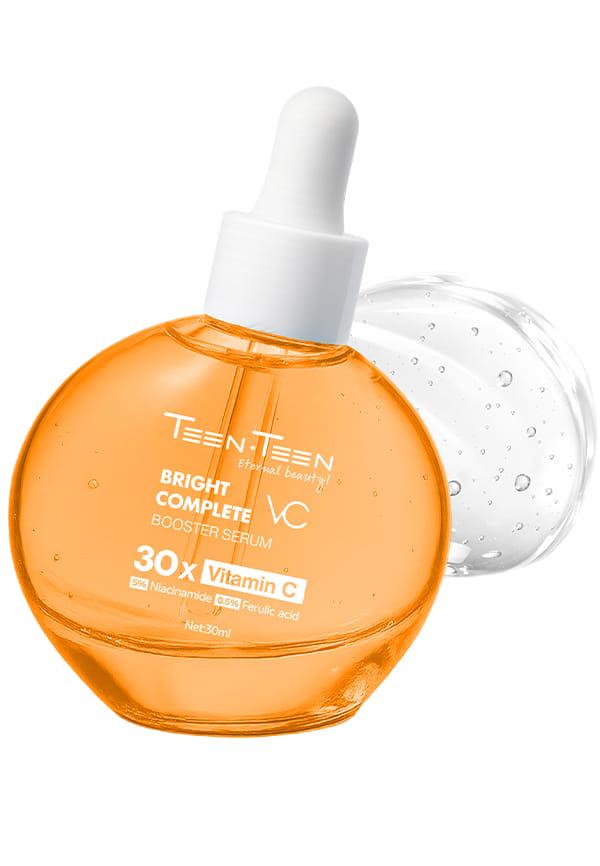
Bright Complete Vitamin-C Serum
Rather than focusing on specific brands, look for dermatologist-recommended criteria: stable formulations, appropriate concentrations (10-20%), quality packaging, and third-party testing. Reputable manufacturers will provide detailed ingredient lists and storage instructions.
For beginners, start with 10-15% concentration. Experienced users can handle 15-20%. Higher concentrations don't necessarily mean better results and can increase irritation risk. The key is finding the right balance between efficacy and tolerance for your skin.
Vitamin C and niacinamide can be used together safely. However, vitamin C and retinol should be used at different times—vitamin C in the morning, retinol at night—to avoid potential irritation and maintain the effectiveness of both ingredients.
Initial brightening effects appear within 2-4 weeks. Improvements in dark spots and skin texture become noticeable around 6-8 weeks. Significant anti-ageing results typically require 12+ weeks of consistent use.
Morning application is generally recommended to take advantage of vitamin C's antioxidant protection throughout the day. Always follow with SPF when using vitamin C during daytime routines.
Serums typically have higher concentrations of active ingredients and better absorption rates due to their lighter consistency. Creams are more moisturising but may have lower vitamin C concentrations and slower absorption.
Choosing the best vitamin C serum doesn't have to feel overwhelming when you know what to look for. Focus on stable formulations with appropriate concentrations, consider your specific skin concerns, and remember that consistency beats perfection every time.
Start slowly, be patient with results, and don't forget that sunscreen is your vitamin C serum's best companion. Whether you're targeting dark spots, fine lines, or just want healthier-looking skin, the right vitamin C serum can make a real difference in your skincare routine.
With Smytten's trial packs, you can explore vitamin C serums from trusted brands without the commitment of full-size purchases. Get up to 8 minis for just ₹249, plus enjoy 100% cashback that's redeemable for future orders. It's the perfect way to discover your ideal vitamin C serum and build a skincare routine that actually works for you. After all, why settle for 'maybe' when you can #TryItAll!
