How to Choose the Best Sunscreen Ingredients for Your Skin


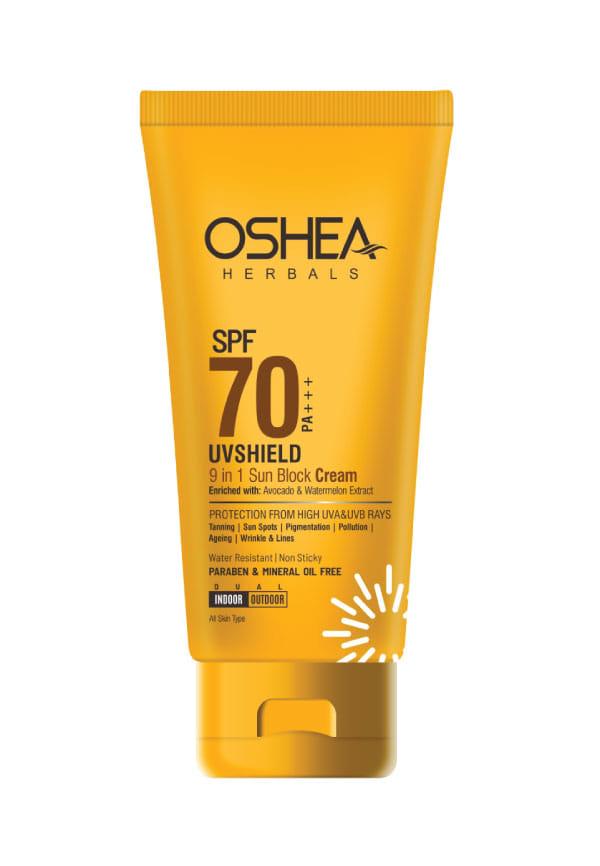
UVshield 9 In 1 Sun Block Cream SPF-70 PA+++
You're standing in the sunscreen aisle, overwhelmed by endless bottles promising protection, but which ingredients actually deliver? With concerns about coral reefs, hormone disruption, and skin sensitivity making headlines, choosing the right sunscreen ingredients feels more complicated than ever. The truth is, not all sun protection is created equal, and understanding what goes into your daily SPF can make the difference between healthy, protected skin and potential irritation or inadequate coverage.
The world of sunscreen active ingredients divides into two main camps: mineral (physical) and chemical filters. Think of mineral ingredients as tiny mirrors that sit on your skin's surface, reflecting UV rays away before they can cause damage. Chemical filters, on the other hand, absorb into your skin and convert UV radiation into heat energy that's then released from your body.
This fundamental difference affects everything from how quickly your sunscreen starts working to how your skin reacts to the formula. Mineral sunscreens provide immediate protection the moment you apply them, whilst chemical sunscreens typically need 15-20 minutes to become fully effective.
UVA and UVB protection work differently but both matter for healthy skin. UVB rays cause sunburn and play a major role in skin cancer development, whilst UVA rays penetrate deeper, causing premature ageing and contributing to skin cancer risk. The best sunscreen ingredients offer broad-spectrum protection, meaning they shield against both types of radiation effectively.
Physical blockers like zinc oxide and titanium dioxide create a protective barrier on your skin's surface. They're particularly brilliant for sensitive skin because they don't penetrate the skin barrier. Chemical absorbers like avobenzone and octisalate work by absorbing UV radiation and converting it to heat, but this process can sometimes trigger reactions in sensitive individuals.
When dermatologists recommend safe sunscreen ingredients, certain names consistently top their lists. These ingredients have decades of research backing their effectiveness and safety profiles, making them reliable choices for daily protection.
Zinc oxide stands as the most versatile and effective mineral sunscreen ingredient available. It provides excellent broad-spectrum protection against both UVA and UVB rays, making it particularly valuable for preventing both immediate sun damage and long-term skin ageing. What makes zinc oxide special is its gentle nature - it's non-comedogenic, meaning it won't clog pores, and it's naturally anti-inflammatory, which can actually help calm irritated skin whilst protecting it.
Titanium dioxide offers effective UV protection with a lighter feel than zinc oxide, making it ideal for daily wear under makeup. Modern formulations have largely solved the white cast issue that once plagued mineral sunscreens, and titanium dioxide is photostable, meaning it doesn't break down under sun exposure like some chemical filters can.
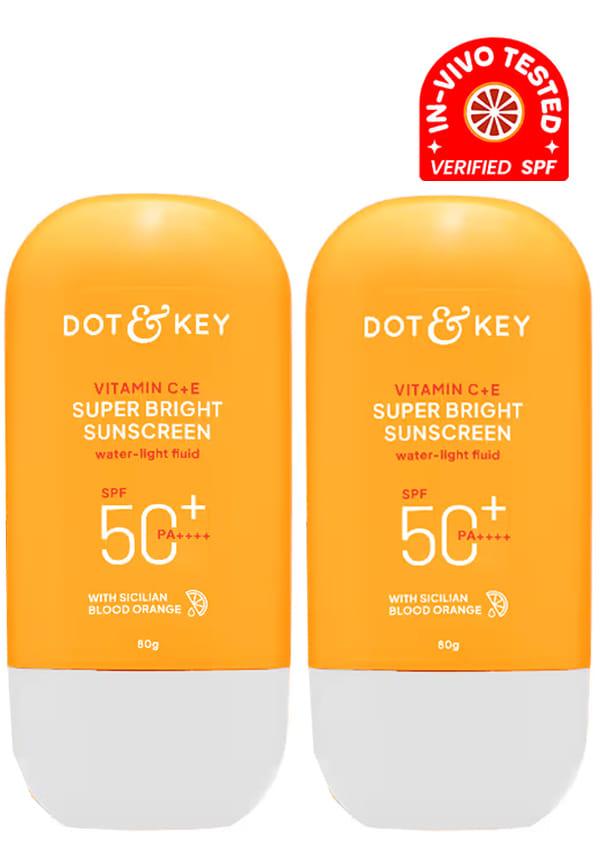
Vitamin C + E Sunscreen, IN-VIVO Tested SPF 50+ PA++++
Among chemical sunscreen chemicals, avobenzone provides excellent UVA protection when properly stabilised. However, it needs to be combined with stabilising ingredients like octisalate or octocrylene to prevent breakdown. When formulated correctly, avobenzone offers invisible protection that many people prefer for daily wear.
Bemotrizinol represents the newer generation of chemical filters, offering broad-spectrum protection with excellent photostability. It's particularly effective at protecting against UVA rays and doesn't degrade under sun exposure, maintaining its protective properties throughout the day.
The best ingredients for sunscreen go beyond just UV protection. Modern formulations often include additional beneficial ingredients that support skin health whilst providing sun protection. These additions can transform your daily SPF from basic protection into a multitasking skincare step.
Niacinamide in sunscreen formulations helps regulate oil production whilst providing additional protection against environmental damage. It's particularly beneficial for those dealing with post-inflammatory hyperpigmentation, as it can help prevent dark spots from forming after sun exposure. Green tea extract and vitamin E work as antioxidants, neutralising free radicals that UV exposure can generate even when wearing sunscreen.
Hyaluronic acid in sunscreen helps maintain skin hydration throughout sun exposure, preventing that tight, dry feeling that can occur after a day outdoors. Centella asiatica provides calming benefits, particularly useful for sensitive skin that might react to sun exposure or certain sunscreen ingredients. Ceramides help maintain the skin barrier, ensuring your protection doesn't come at the cost of skin health.
Understanding which ingredients to avoid in sunscreen is just as important as knowing which ones to seek out. Some commonly used chemical filters have raised concerns about hormone disruption, environmental impact, and skin sensitivity, making ingredient awareness crucial for making informed choices.
Oxybenzone has been linked to hormone disruption and coral reef damage, leading many countries to ban its use in marine environments. Studies suggest it can be absorbed through the skin and detected in blood and urine samples. Octinoxate faces similar concerns about endocrine disruption and environmental impact. Homosalate can accumulate in the body over time and may interfere with hormone function.
Parabens in sunscreen can cause sensitivity reactions and have raised concerns about hormone disruption. Fragrances are common triggers for contact dermatitis and can make skin more photosensitive. Retinyl palmitate, a form of vitamin A, may actually increase sun sensitivity when applied topically, making it counterproductive in sun protection products.
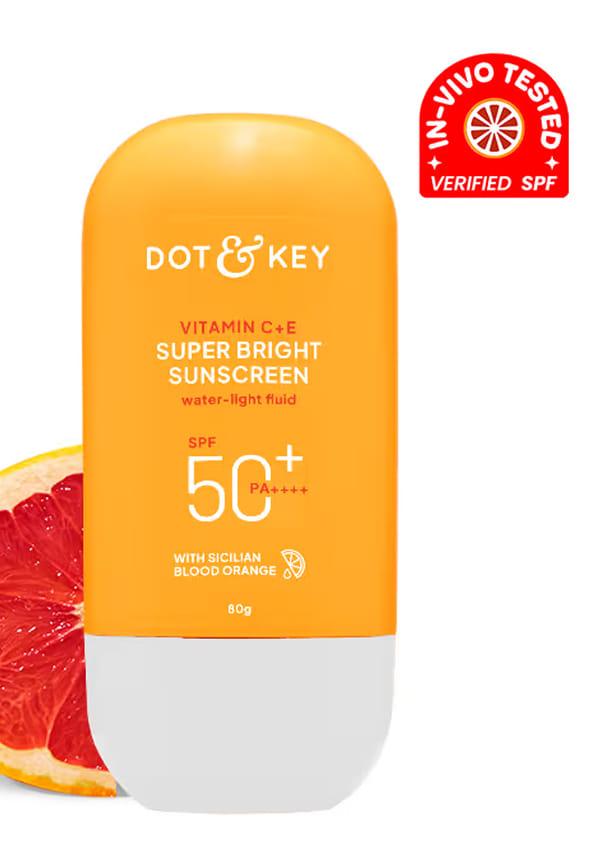
Vitamin C + E Sunscreen, IN-VIVO Tested SPF 50+ PA++++
Your skin type significantly influences which sunscreen ingredients will work best for you. What feels lightweight and comfortable on oily skin might not provide enough moisture for dry skin, whilst sensitive skin requires particularly gentle formulations to avoid irritation.
Mineral sunscreen ingredients like zinc oxide and titanium dioxide are typically the safest choices for sensitive skin. Look for fragrance-free formulations without chemical filters, as these are less likely to trigger reactions. Hypoallergenic options that combine gentle mineral protection with soothing ingredients like aloe vera or chamomile can provide protection without irritation.
Lightweight titanium dioxide formulations work particularly well for oily skin, providing protection without adding excess oil or shine. Sunscreens containing niacinamide can help control oil production throughout the day. Non-comedogenic mineral options ensure protection without clogging pores or contributing to breakouts.
Zinc oxide offers anti-inflammatory benefits that can actually help calm existing breakouts whilst preventing new ones. Its non-comedogenic nature means it won't block pores, and it's compatible with acne treatments like salicylic acid. Look for oil-free formulations that combine zinc oxide with other acne-fighting ingredients for comprehensive protection.
Deciphering sunscreen labels becomes easier once you understand the difference between active and inactive ingredients, and what concentrations actually matter for protection. The key is knowing which sunscreen components provide the protection and which ones enhance the user experience.
Active ingredients are the ones doing the actual UV protection work - these are your zinc oxide, titanium dioxide, avobenzone, and other UV filters. They're listed with their concentrations, and higher percentages generally mean better protection. Inactive ingredients include everything else: moisturisers, preservatives, fragrances, and texture enhancers that make the sunscreen pleasant to use but don't contribute to sun protection.
Look for dermatologist-tested formulations, especially if you have sensitive skin. Reef-safe certifications indicate the product doesn't contain oxybenzone or octinoxate, which can harm marine ecosystems. Organic and natural ingredient verification can help you choose products aligned with your values, though remember that natural doesn't automatically mean more effective.
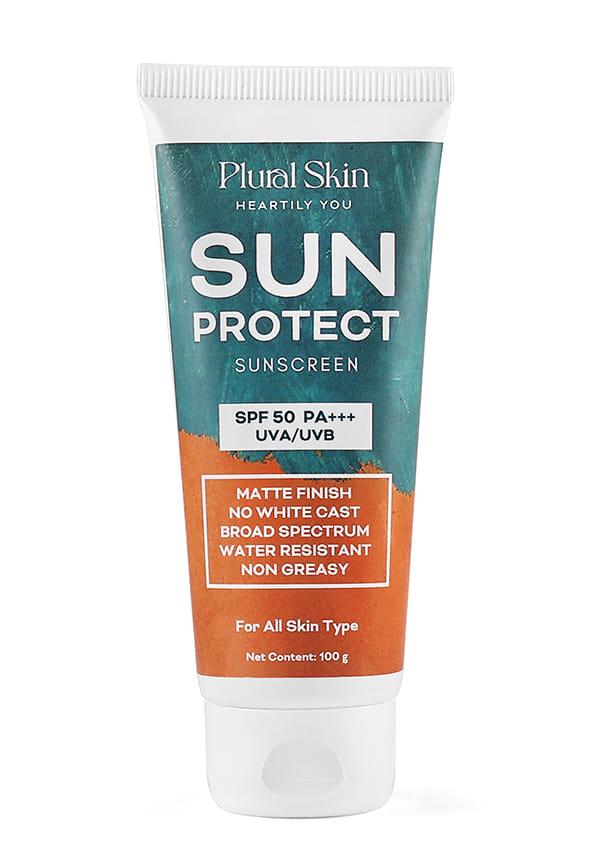
Sun Protect Sunscreen SPF 50+ PA+++ UVA/UVB
Some ingredients work better together than others. For example, avobenzone needs stabilising ingredients to remain effective, whilst zinc oxide and titanium dioxide are naturally photostable. Check expiration dates carefully, as sunscreen effectiveness decreases over time, and store products properly to maintain their protective properties.
The best sunscreen ingredients include zinc oxide and titanium dioxide for mineral protection, offering broad-spectrum UVA and UVB coverage. For chemical options, avobenzone and bemotrizinol provide effective protection when properly stabilised. Look for additional beneficial ingredients like niacinamide, hyaluronic acid, or antioxidants that support skin health whilst providing protection.
Mineral sunscreens containing zinc oxide or titanium dioxide are considered the healthiest options, as they don't absorb into the skin and have minimal environmental impact. These safe sunscreen ingredients provide excellent protection without the potential hormone-disrupting effects of some chemical filters.
Natural sunscreen ingredients like zinc oxide and titanium dioxide are highly effective and often preferred for sensitive skin. They provide immediate, broad-spectrum protection without the need for absorption time. Whilst some chemical filters may offer lighter textures, mineral options have improved significantly in recent years.
Pregnant women should avoid oxybenzone, octinoxate, and homosalate, opting instead for mineral sunscreens with zinc oxide or titanium dioxide. These mineral sunscreen ingredients don't absorb into the bloodstream, making them safer choices during pregnancy and breastfeeding.
Chemical filters like oxybenzone and fragrances are common irritants, particularly for sensitive skin. Mineral sunscreen ingredients are generally well-tolerated by all skin types, including sensitive and reactive skin. If you experience reactions, switch to fragrance-free, mineral-only formulations.
Choosing the right sunscreen ingredients doesn't have to feel overwhelming once you understand the basics. Mineral options like zinc oxide and titanium dioxide offer safe, effective protection for all skin types, whilst newer chemical filters like bemotrizinol provide lightweight alternatives when formulated properly. The key is matching ingredients to your skin's specific needs and avoiding potentially problematic components like oxybenzone and octinoxate.
Remember that the best sunscreen is the one you'll actually use daily. Whether you prefer the gentle protection of minerals or the lightweight feel of well-formulated chemical filters, consistent application matters more than perfect ingredients. Your skin will thank you for the daily protection, regardless of which safe, effective formula you choose.
For those curious about trying different sunscreen formulations before committing to full-size products, Smytten offers an excellent way to test various brands and ingredient combinations. With access to curated options from trusted skincare brands, you can discover which sunscreen ingredients work best for your unique skin needs without the guesswork of full-size purchases.
