How to Choose the Best Sunscreen for Your Face: A Buying Guide


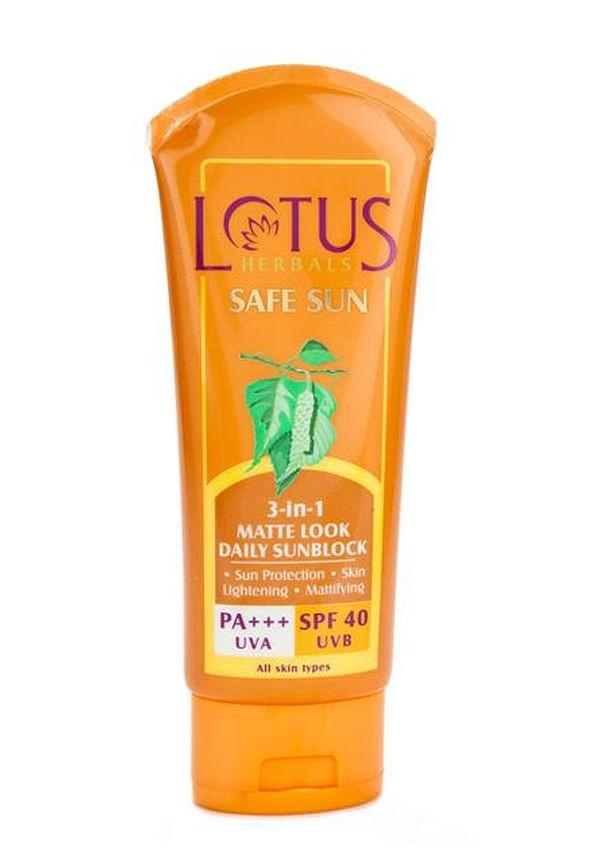
Safe Sun 3 In 1 Matte-Look Daily Sunscreen SPF 40 PA+++
Finding the best sunscreen for face buy decisions can feel overwhelming with endless options lining the shelves. Your face deserves more than just any old sunblock—it needs protection that works with your skin type, lifestyle, and daily routine. Whether you're dealing with sensitive skin, acne concerns, or simply want that perfect glow, the right face sunscreen can be a total game-changer. Let's break down everything you need to know to make the smartest choice for your skin.
Before diving into the best facial sunscreen options, let's get the basics sorted. SPF (Sun Protection Factor) measures how well a sunscreen protects against UVB rays—the ones that cause sunburn. SPF 30 blocks about 97% of UVB rays, while SPF 50 blocks around 98%. The difference might seem small, but for daily sunscreen use, that extra protection adds up.
Here's where it gets interesting—PA ratings matter just as much. The PA system (Protection Grade of UVA) uses plus signs to show UVA protection levels. In India's intense sun, you'll want PA++++ for maximum protection against those sneaky UVA rays that cause premature ageing.
Chemical sunscreens absorb UV rays and convert them to heat, while mineral sunscreen options sit on your skin's surface and reflect rays away. Chemical formulas tend to feel lighter and blend seamlessly, making them brilliant for sun protection for face under makeup. Mineral versions, packed with zinc oxide or titanium dioxide, work instantly and are gentler on reactive skin.
Always look for "broad spectrum" on the label—this means protection against both UVA and UVB rays. Some newer formulas even include blue light protection, which is worth considering if you're glued to screens all day.
Your skin type should be your North Star when choosing the perfect sunscreen for sensitive skin or any other specific concern. Let's match you with your ideal formula.
If your skin throws tantrums easily, stick with mineral sunscreen formulas. Look for fragrance-free options with zinc oxide as the main ingredient. These gentle giants provide excellent protection without the irritation that chemical filters sometimes cause.
For those dealing with breakouts, non comedogenic sunscreen is non-negotiable. Gel textures work brilliantly here—they're lightweight, oil-free, and won't clog pores. Sunscreen for acne prone skin should ideally contain niacinamide or salicylic acid for added pore-clearing benefits.
Mattifying formulas are your best friend. Look for oil-free gels or fluids that control shine while protecting. Some even have sebum-absorbing powders that keep you looking fresh all day.
Hydrating sunscreens with hyaluronic acid, glycerin, or ceramides will quench your skin's thirst while protecting. Cream textures work beautifully for dry skin types.

Barrier Repair Sunscreen, In-Vivo Tested SPF 50+ PA++++
This age-old debate really comes down to your skin's needs and lifestyle preferences. Both types offer excellent protection when formulated properly, but they work differently on your skin.
Mineral sunscreen benefits include immediate protection the moment you apply it—no waiting around. These formulas are typically gentler, making them perfect for sensitive or reactive skin. The main players here are zinc oxide and titanium dioxide, both naturally occurring minerals that create a physical barrier on your skin.
Mineral formulas are brilliant for sensitive skin types and provide instant protection. They're also reef-safe, which is a lovely bonus for the environmentally conscious. The downside? They can sometimes leave a white cast, though modern formulations have largely solved this issue.
Chemical sunscreens blend seamlessly into skin, making them ideal for daily wear under makeup. They're typically lighter in texture and come in a wider variety of formulations. Perfect for those who want invisible protection that doesn't interfere with their beauty routine.
Many brands now offer hybrid formulas that combine both mineral and chemical filters. These give you the best of both worlds—gentle protection with a lightweight feel.
Modern sunblock for face options come packed with clever extras that go beyond basic protection. These features can make your sunscreen work harder for your skin.
Tinted sunscreen has become incredibly popular, and for good reason. These multitaskers provide sun protection while evening out your skin tone, often replacing the need for foundation on casual days.
If you're active or live in a humid climate, water-resistant formulas are worth the investment. They'll stay put through sweat and light water exposure, though you'll still need to reapply after swimming or heavy sweating.
Many modern sunscreens include bonus ingredients like vitamin C, peptides, or niacinamide. These additions can help brighten skin, reduce inflammation, or provide antioxidant protection alongside UV defence.
From lightweight gels to rich creams, there's a texture for everyone. Gel formulas work brilliantly for oily skin, while cream textures suit dry skin types. Some brands even offer spray formulations, though these require careful application to ensure even coverage.
Understanding what's inside your daily sunscreen helps you make smarter choices. The best formulas combine effective UV filters with skin-loving extras that enhance your complexion.
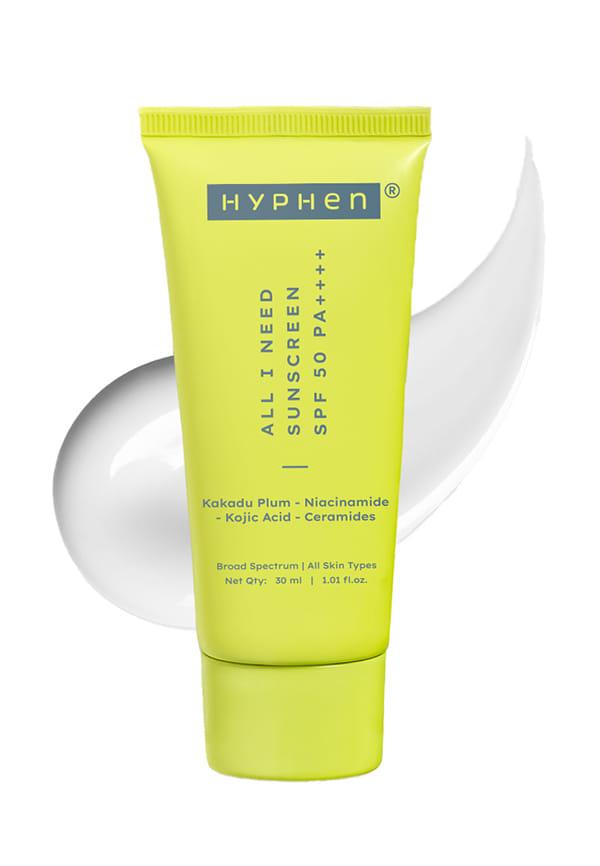
All I Need Sunscreen SPF 50 PA++++
Active UV filters are the workhorses of any good sunscreen. Zinc oxide and titanium dioxide are the gold standard for mineral protection, while chemical filters like avobenzone and octinoxate provide lightweight coverage.
Vitamin C brightens and provides antioxidant protection against environmental damage. Niacinamide helps control oil production and minimises pores. Hyaluronic acid plumps and hydrates, while iron oxides in tinted formulas provide additional light protection.
If you have sensitive skin, steer clear of fragrances, essential oils, and alcohol-based formulas. These can cause irritation and make your skin more reactive to sun exposure.
The SPF debate is real, but here's the truth: for sun protection for face in India's climate, SPF 30 is the absolute minimum. However, SPF 50 or higher is recommended for most people, especially during peak sun hours.
India's high UV index means your skin faces intense sun exposure year-round. Even on cloudy days, up to 80% of UV rays can penetrate clouds, making daily sunscreen essential regardless of weather.
The magic number is every two hours, but real life isn't always that simple. If you're indoors most of the day, morning application with a touch-up at lunch might suffice. Outdoor activities require more frequent reapplication.
For proper protection, you need about a quarter teaspoon of sunscreen for your face and neck. Most people use far less, which dramatically reduces protection levels.
Even the best facial sunscreen won't work if you're not using it correctly. Proper application technique can make or break your sun protection routine.
Apply sunscreen as the last step in your skincare routine, before makeup. Give it a few minutes to absorb before layering other products on top. This ensures maximum effectiveness and prevents pilling.
If you wear makeup, choose a sunscreen that plays well with your products. Silicone-based formulas work brilliantly under makeup, while water-based options suit lighter coverage days.
Reapplying over makeup can be tricky. Powder sunscreens or setting sprays with SPF can help, though they shouldn't replace your morning application. Gently patting liquid sunscreen over makeup also works if done carefully.
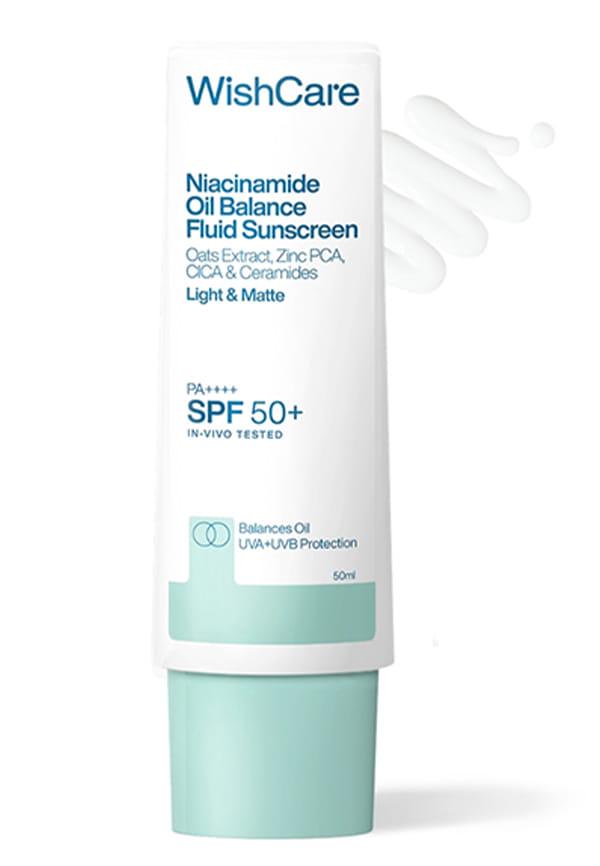
WishCare Niacinamide Oil Balance Sunscreen SPF 50 PA++++ - In-Vivo Tested
Skipping areas like your ears, neck, and around your eyes is a common oversight. Using expired sunscreen or storing it in hot cars can reduce effectiveness. Always check expiration dates and store products in cool, dry places.
When you're ready to find your perfect match, platforms like Smytten make it easier to discover the right face sunscreen without the commitment. With trial packs from trusted brands, you can test different formulas to see what works best for your skin before investing in full-size products.
Look for non comedogenic sunscreen formulas in gel or fluid textures. Oil-free options with zinc oxide or niacinamide work brilliantly for sunscreen for acne prone skin. Avoid heavy creams that might clog pores.
Sunscreen typically refers to chemical formulas that absorb UV rays, while sunblock for face usually means mineral formulas that physically block rays. Both provide excellent protection when used correctly.
Every two hours is the gold standard, or immediately after sweating, swimming, or toweling off. For indoor days, morning application with a midday touch-up often suffices.
It's not recommended. Face sunscreen formulas are specifically designed for delicate facial skin and are less likely to cause breakouts or irritation compared to body formulas.
Minimum SPF 30, but SPF 50+ is recommended for India's high UV index conditions. This provides optimal sun protection for face in our intense climate.
Yes, tinted sunscreen options are just as effective when formulated with adequate UV filters and applied in sufficient amounts. They offer the bonus of light coverage while protecting your skin.
Choosing the best sunscreen for face buy decisions doesn't have to be complicated when you know what to look for. Whether you need sunscreen for sensitive skin, mineral sunscreen for gentle protection, or a tinted sunscreen for everyday wear, the perfect formula is out there waiting for you.
Remember, the best sunscreen is the one you'll actually use every day. Don't get caught up in perfection—focus on finding something that feels good on your skin and fits your lifestyle. With Smytten's trial packs, you can explore different formulas from trusted brands without the guesswork, making it easier to discover your ideal daily sunscreen match. After all, why settle for maybe when you can try it all and find exactly what your skin loves?
