How to Choose the Best Sunscreen for Uneven Skin Tone

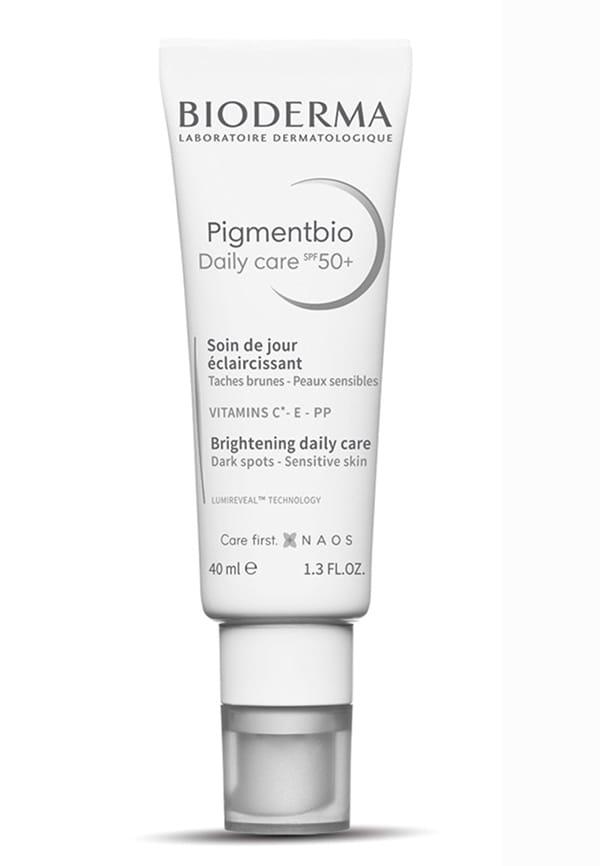
Pigmentbio Daily Care SPF 50+ Brightening Cream for Dark Spots & Senstive Skin
You've been diligently applying your vitamin C serum and using that brightening mask twice a week, but your hyperpigmentation seems to be getting darker instead of lighter. Sound familiar? Here's the thing your skincare routine might be missing: the right sunscreen for uneven skin tone. Without proper sun protection, even the most expensive treatments can't compete with daily UV damage that keeps making those dark spots more stubborn.
Real talk - UV rays are basically the arch-nemesis of even skin tone. When your skin is exposed to sunlight, it triggers melanin production as a defence mechanism. For skin that's already dealing with discolouration, this process goes into overdrive.
Hyperpigmentation from old breakouts or injuries becomes more pronounced when exposed to UV rays. Those post-inflammatory marks that should fade naturally? They stick around longer and get darker without proper protection. Melasma, often triggered by hormonal changes, is particularly sensitive to sun exposure - even brief moments without protection can cause flare-ups that take months to calm down.
Then there are age spots and general sun damage, which develop gradually but become more noticeable over time. Even redness from rosacea or sensitive skin can be aggravated by UV exposure, creating an uneven, blotchy appearance.
If you're using any old sunscreen and wondering why your skin tone isn't improving, the formula matters more than you think. Standard sunscreens protect against burning, but skin dealing with discolouration needs extra consideration. UV-induced inflammation can trigger more melanin production, whilst free radical damage breaks down the skin's natural repair processes.
This is why choosing a sunscreen for hyperpigmentation requires looking beyond just the SPF number on the bottle.
Not all sunscreens are created equal, especially when you're dealing with skin discolouration. Here's what actually makes a difference for uneven skin tone.
For skin prone to discolouration, SPF 30 is the absolute minimum, but SPF 50 offers better protection against the UVA rays that penetrate deeper and cause pigmentation. Look for "broad-spectrum" on the label - this means protection against both UVA and UVB rays.
PA++++ ratings (common on Asian sunscreens) indicate strong UVA protection, which is crucial for preventing dark spots and melasma from worsening. UVA rays penetrate glass and clouds, so this protection is needed even on overcast days or when you're indoors near windows.
The best sunscreen for skin discoloration does double duty - protecting whilst actively supporting skin tone improvement. Niacinamide is brilliant for this, helping to regulate melanin production whilst providing anti-inflammatory benefits. Vitamin C offers antioxidant protection and gentle brightening effects.
Iron oxides deserve special mention - these mineral pigments provide additional protection against visible light and blue light from screens, which can also contribute to pigmentation in some skin types.
When your skin is already dealing with discolouration, the last thing you want is irritation that could make things worse. This is where the choice between mineral and chemical sunscreens becomes important.
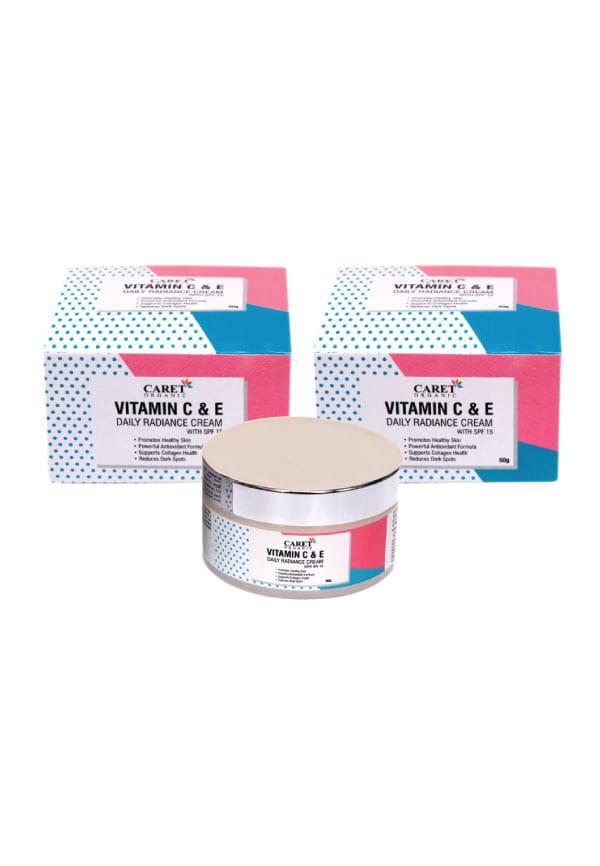
Daily Radiance Light Cream With Vitamin C, E & Spf 15 For Dark Spots & Anti- Wrinkle- No Mineral Oil , Alcohol Or Paraben
Lightweight, Non-Sticky Cream
 5
5“very good and light weight non sticky cream”
Mineral sunscreen for uneven skin typically contains zinc oxide and titanium dioxide - ingredients that sit on top of the skin and physically block UV rays. These are less likely to cause irritation or allergic reactions, making them ideal for skin that's already reactive or sensitive.
Zinc oxide, in particular, has anti-inflammatory properties that can actually help calm existing irritation. For skin dealing with redness or post-inflammatory hyperpigmentation, this gentle approach often works better than chemical filters that need to be absorbed into the skin.
Chemical sunscreens aren't automatically off-limits for uneven skin tone. Modern formulations with ingredients like avobenzone and octinoxate can be suitable if your skin tolerates them well. They tend to blend more seamlessly under makeup and don't leave the white cast that some mineral sunscreens can create.
Hybrid formulations that combine both mineral and chemical filters often offer the best of both worlds - effective protection with a more cosmetically elegant finish.
Here's where things get exciting for anyone dealing with uneven skin tone. Tinted sunscreen for uneven skin tone provides immediate colour correction whilst protecting against future damage.
Tinted sunscreens contain iron oxides that not only provide colour but also offer additional protection against visible light. This extra layer of defence is particularly valuable for melasma and stubborn hyperpigmentation that can be triggered by light beyond the UV spectrum.
The immediate coverage means you can skip foundation on lighter makeup days, reducing the number of products on your skin whilst still achieving an even appearance. Many tinted formulas are buildable, so you can apply a light layer for everyday wear or build up coverage for special occasions.
The key to success with tinted sunscreens is finding the right shade match. Universal tints work for many skin tones, but if you have deeper skin or specific undertones, look for brands that offer multiple shade options.
Test the colour on your jawline rather than your hand - the skin on your face often has different undertones. A good tinted sunscreen to even skin tone should blend seamlessly without looking ashy or orange.
Different types of skin discolouration benefit from slightly different approaches to sun protection. Here's how to match your sunscreen choice to your specific concerns.
For post-inflammatory hyperpigmentation and dark spots, look for sunscreens that combine protection with gentle brightening ingredients. Formulas with niacinamide, vitamin C, or kojic acid can help prevent new spots whilst supporting the fading of existing ones.
Gel-based or lightweight fluid textures often work well for this concern, as they're less likely to clog pores that might be prone to breakouts (which could lead to more post-inflammatory marks).
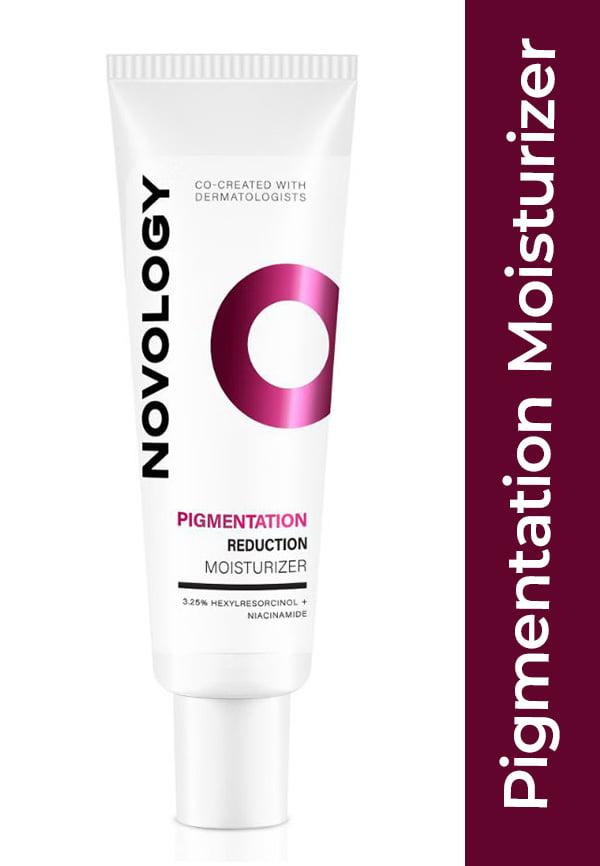
Pigmentation Moisturiser, Face Cream for Hyperpigmentation & Dark Spots
Amazing Product!
5“it really works. i tried it first time and m with love this product best brand I ever used”
Great Product, Will Buy Again
5“nice product richer base repurchase product”
Great for Oily Skin
5“Excellent product for oily skin.”
Sunscreen for melasma requires extra diligence. This hormonal pigmentation is notoriously sensitive to heat and light, so look for formulas with high UVA protection (PA++++ rating) and consider tinted options for the additional visible light protection.
Reapplication is crucial for melasma - even brief periods without protection can trigger flare-ups. Keep a powder sunscreen or makeup with SPF handy for touch-ups throughout the day.
For face redness and rosacea-prone skin, mineral sunscreens with zinc oxide are often the gentlest option. Some formulas include green-tinted bases that help neutralise redness immediately upon application.
Avoid sunscreens with alcohol, fragrance, or essential oils, as these can trigger additional irritation in sensitive skin types.
Having the right daily sunscreen for face is only half the battle - proper application makes all the difference in effectiveness.
Use about a quarter teaspoon of sunscreen for your face and neck - this might seem like a lot, but it's necessary for the stated SPF protection. Apply sunscreen as the last step in your morning skincare routine, after moisturiser but before makeup.
Wait about 15 minutes before applying makeup to allow the sunscreen to set properly. This prevents pilling and ensures even coverage.
The every-two-hours reapplication rule applies even when you're indoors, especially if you're near windows. For makeup wearers, powder sunscreens or setting sprays with SPF can make reapplication more manageable.
If you're using treatments like retinoids or AHAs that increase sun sensitivity, be extra diligent about reapplication and consider using a higher SPF.
Effective sun protection for skin tone improvement goes beyond just the sunscreen itself. It's about creating a comprehensive approach that supports your skin's healing process.
Start with a gentle cleanser that won't strip your skin, followed by any treatment serums (vitamin C works beautifully under sunscreen). Apply your moisturiser, then sunscreen, and finish with makeup if desired.
If you're using multiple active ingredients, introduce them gradually to avoid irritation that could worsen pigmentation.
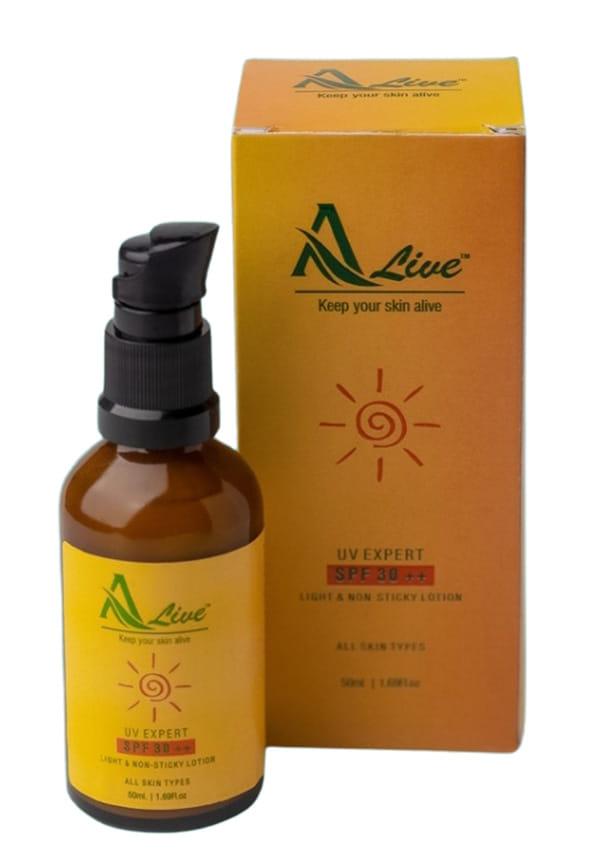
Spf 30 ++
Proper cleansing to remove sunscreen is crucial - use an oil-based cleanser or micellar water followed by your regular cleanser. This ensures no residue is left behind that could clog pores or interfere with evening treatments.
Evening is the perfect time for brightening treatments like retinoids, AHAs, or vitamin C (if not used in the morning), as these ingredients can increase sun sensitivity.
Mineral sunscreens with zinc oxide and titanium dioxide are often best for uneven skin tone, as they're less likely to cause irritation. Look for formulas that include brightening ingredients like niacinamide or vitamin C for added benefits.
Sunscreen prevents further UV damage that worsens pigmentation, allowing your skin's natural renewal process to gradually improve tone. While it won't actively lighten existing spots, it's essential for preventing new ones and allowing treatments to work effectively.
Tinted sunscreens offer additional protection against visible light through iron oxides, which can be beneficial for stubborn pigmentation. They also provide immediate coverage while your skin tone improves over time.
With consistent daily use, you may notice prevention of new dark spots within 2-4 weeks. Existing pigmentation typically takes 3-6 months to fade naturally, but this process is significantly slower without proper sun protection.
Yes, vitamin C and sunscreen work beautifully together. Apply vitamin C serum first, allow it to absorb, then apply your sunscreen. This combination provides both antioxidant protection and UV defence.
Avoid sunscreens with alcohol, fragrance, essential oils, or chemical filters like oxybenzone if your skin is sensitive. These can cause irritation that may worsen pigmentation or trigger new dark spots.
Choosing the right sunscreen for uneven skin tone is one of the most important steps you can take for healthier, more even-looking skin. Whether you're dealing with stubborn hyperpigmentation, hormonal melasma, or general discolouration, the right sun protection can prevent further damage whilst allowing your skin's natural healing processes to work.
Remember that consistency matters more than perfection. A good sunscreen used daily will always outperform an expensive one that sits unused because it doesn't feel right on your skin. Take time to find a formula that works with your skin type, lifestyle, and preferences.
The journey to more even skin tone takes patience, but with proper sun protection as your foundation, you're giving your skin the best chance to heal and improve. Your skin will notice the difference, even if the changes feel gradual at first.
If you're curious about trying different sunscreen formulations before committing to full sizes, Smytten's curated selection includes minis from trusted brands, letting you test what works best for your unique skin concerns. It's a smart way to discover your perfect match without the guesswork.
