How to Choose the Best Sunscreen for Sensitive Skin Types

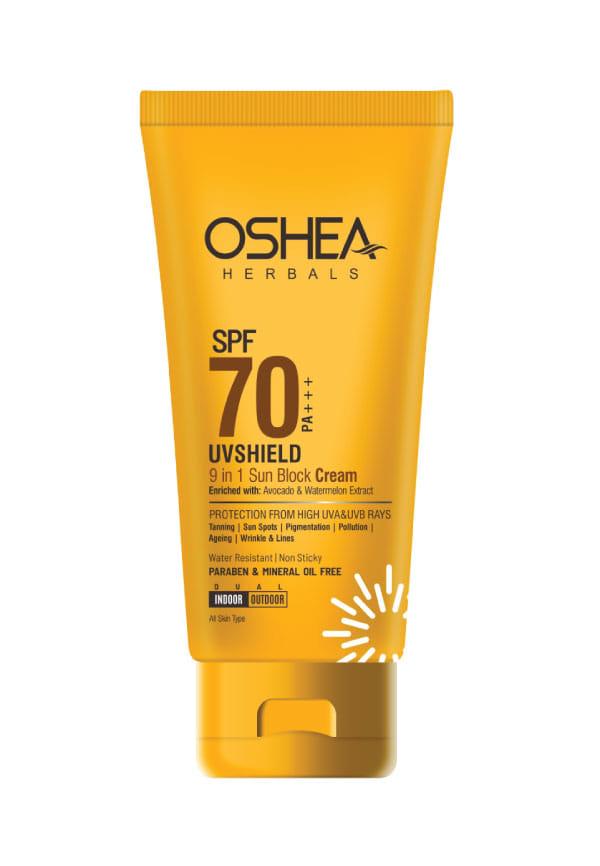
UVshield 9 In 1 Sun Block Cream SPF-70 PA+++
Good Screen, Good Result
 4
4“acchi screen hai achcha result hai”
Good Screen, Good Result
4“acchi screen hai achcha result hai”
Good Screen, Good Result
4“acchi screen hai achcha result hai”
You've just stepped out of the house, applied your usual sunscreen, and within minutes your skin starts tingling. By afternoon, you're dealing with redness, irritation, or even tiny bumps where your sunscreen for sensitive skin types should have been protecting you. If this sounds familiar, you're not alone. Finding the right sun protection when you have reactive skin feels like navigating a minefield of potential irritants disguised as skincare essentials.
The truth is, sensitive skin doesn't mean you have to compromise on sun protection. It just means you need to be more selective about what goes on your face. Whether you're dealing with rosacea flare-ups, eczema patches, or skin that simply doesn't play well with most products, there's a gentle sunscreen out there that will work with your skin, not against it.
Before diving into product recommendations, it's worth understanding why your skin reacts the way it does. Sensitive skin types often have a compromised skin barrier, which means irritants can penetrate more easily and cause reactions. This same vulnerability makes sun protection even more crucial, as UV damage can worsen existing sensitivity and create new problems.
The irony is that the very thing meant to protect your skin—sunscreen—can sometimes be the source of irritation. Chemical filters, fragrances, and certain preservatives are common culprits that turn your daily SPF routine into a source of stress rather than protection.
Your skin might react to sunscreen for several reasons. A weakened skin barrier allows ingredients to penetrate deeper than they should, triggering inflammatory responses. Rosacea sufferers often find that certain chemical filters worsen their redness, whilst those with eczema may experience increased dryness or flaking from alcohol-based formulations.
The difference between having generally sensitive skin and specific conditions like rosacea or eczema matters when choosing products. Rosacea-prone skin benefits from anti-inflammatory ingredients and often responds well to green-tinted formulas that counteract redness. Eczema-affected areas need extra moisture and barrier repair, making cream-based sunscreens more suitable than lightweight gels.
When your skin barrier is already compromised, UV damage compounds the problem. Sun exposure can trigger rosacea flare-ups, worsen post-inflammatory hyperpigmentation from eczema, and generally make sensitive skin more reactive. Consistent, gentle sun protection isn't just about preventing future damage—it's about giving your skin the chance to heal and strengthen its natural defences.
This is where the conversation gets interesting. The choice between mineral sunscreen and chemical formulations can make or break your sun protection routine when you have sensitive skin. Understanding how each type works helps you make the right choice for your particular skin concerns.
Mineral sunscreens sit on top of your skin, creating a physical barrier that reflects UV rays away. Chemical sunscreens, on the other hand, absorb into your skin and convert UV rays into heat, which is then released. For sensitive skin types, this difference in mechanism often determines tolerance.
Zinc oxide and titanium dioxide are the two active ingredients in mineral sunscreens, and they're both naturally gentle. They provide broad-spectrum protection immediately upon application and are less likely to cause allergic reactions. Many dermatologists consider them the gold standard for sensitive skin because they're non-comedogenic and naturally anti-inflammatory.
The main drawback used to be the white cast, but modern formulations have largely solved this problem. Micronised particles and tinted options mean you can get all the benefits of mineral sunscreen without looking like you've applied chalk to your face.
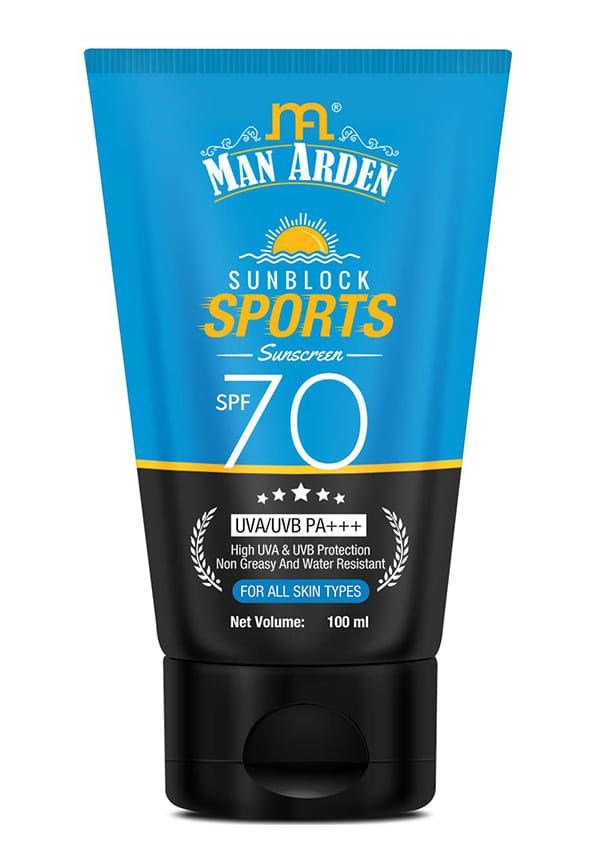
Sun Block Sports Sunscreen SPF 70, For All Skin Types, UVA/UVB PA+++
Great Product and Packaging
5“loved the product and the packaging”
Excellent Product
5“The Product and quality was very Thank you so much smytten.loved it.”
Excellent Sunscreen
5“sunblock sports sunscreen spf 70 all skin types is very good non sticky it's protect skin more than 4 hours”
Not everyone with sensitive skin needs to avoid chemical sunscreens entirely. Some newer chemical filters like avobenzone and octisalate are less irritating than older formulations. If you prefer the lightweight feel of chemical sunscreens, look for fragrance free sunscreen options with minimal additional ingredients.
The key is knowing which chemical filters to avoid. Oxybenzone and octinoxate are common irritants, whilst PABA (though rarely used now) can cause significant reactions in sensitive individuals.
The best sensitive skin sunscreen doesn't just avoid irritants—it actively supports your skin's health. Look for formulations that combine sun protection with skin-soothing ingredients that address your specific concerns.
Niacinamide is particularly valuable in sunscreens for sensitive skin. It helps reduce redness and inflammation whilst strengthening the skin barrier. Many people find that sunscreens containing niacinamide actually improve their skin's appearance over time, rather than just protecting it.
Ceramides help repair and maintain your skin barrier, making them excellent additions to sunscreens for eczema-prone skin. Hyaluronic acid provides hydration without heaviness, perfect for those who find traditional moisturising sunscreens too rich.
Antioxidants like vitamin E and green tea extract offer additional protection against environmental damage. These ingredients work alongside your SPF to provide comprehensive protection that goes beyond just UV defence.
Hypoallergenic sunscreen means the product is formulated to minimise allergic reactions, though it's not a guarantee. Non-comedogenic sunscreen won't clog your pores, which is crucial if you're dealing with both sensitivity and acne concerns.
Pay attention to the difference between fragrance-free and unscented. Fragrance-free means no added fragrances, whilst unscented might contain masking fragrances to cover up the natural scent of ingredients.
Knowing what to avoid is just as important as knowing what to look for. Certain ingredients are notorious for triggering reactions in sensitive skin, and they're worth memorising if you're serious about finding your perfect gentle sunscreen.
Chemical filters like oxybenzone and octinoxate are common irritants that can cause contact dermatitis. PABA and its derivatives, though less common in modern formulations, are still worth avoiding. Even avobenzone, whilst generally well-tolerated, can cause sensitivity in some people.
It's not just the active ingredients that can cause problems. Fragrances and essential oils are frequent culprits in sunscreen reactions. Even natural fragrances like lavender or citrus oils can trigger sensitivity.
Alcohol-based formulations can be particularly problematic for eczema-prone skin, as they can increase dryness and irritation. Certain preservatives, whilst necessary for product stability, can also cause reactions in sensitive individuals.
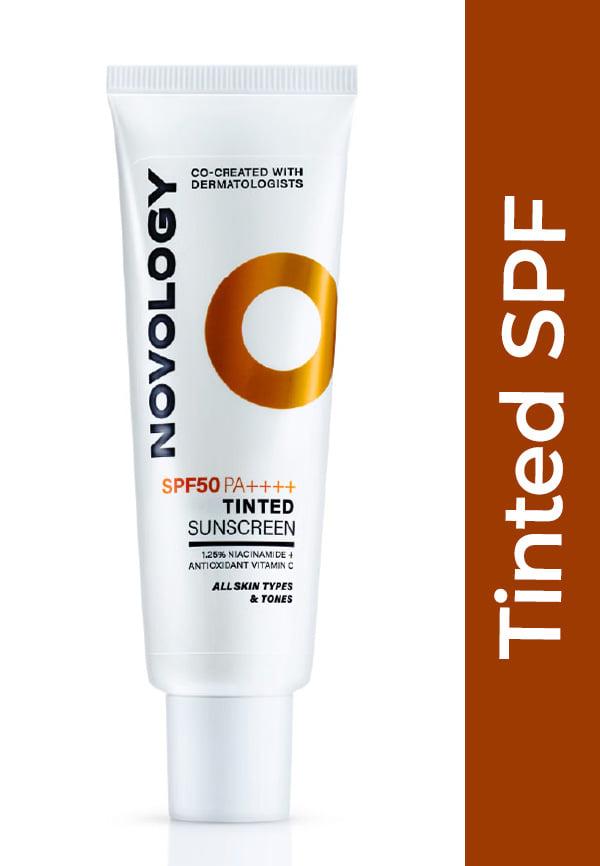
SPF 50 PA++++ Tinted Sunscreen For Pigmentation, For All Skin Types
Good, Tinted, Glowing Skin
5“Buying the full size product after a trial, this product is really good, lightly tinted and leaves the skin glowing.”
Good, Tinted, Glowing Skin
5“Buying the full size product after a trial, this product is really good, lightly tinted and leaves the skin glowing.”
Good, Tinted, Glowing Skin
5“Buying the full size product after a trial, this product is really good, lightly tinted and leaves the skin glowing.”
Different types of sensitive skin have different needs, and the best approach is often to tailor your choice to your specific condition. What works brilliantly for sunscreen for rosacea might not be ideal for someone dealing with eczema.
Understanding your particular triggers and needs helps narrow down the overwhelming array of options to products that are actually likely to work for you.
Sunscreen for rosacea needs to be particularly gentle and preferably contain anti-inflammatory ingredients. Green-tinted formulas can help counteract the redness that's characteristic of rosacea, whilst mineral sunscreen options with zinc oxide provide natural anti-inflammatory benefits.
Look for products specifically labelled as suitable for rosacea or recommended by dermatologists for sensitive skin. These formulations typically avoid common triggers and include soothing ingredients.
Sunscreen for eczema should prioritise barrier repair and hydration. Cream-based formulations are often better tolerated than gels or sprays, as they provide additional moisture. Look for products containing ceramides or other barrier-repairing ingredients.
Avoid anything with drying alcohol or strong preservatives. The goal is to protect without disrupting the already compromised skin barrier that's characteristic of eczema.
This combination can be particularly challenging, as you need something gentle enough for sensitive skin but light enough not to clog pores. Non-comedogenic sunscreen with mineral actives is often the best choice.
Oil-free formulations work well, but make sure they're not overly drying. Some people find that gel-based mineral sunscreens provide the right balance of protection and lightness.
Even the gentlest sunscreen can cause problems if it's not applied correctly. Sensitive skin requires a more thoughtful approach to application, from initial testing to daily use.
Always patch test new products on a small area of skin for 24-48 hours before full application. The inside of your wrist or behind your ear are good testing spots that will give you an idea of how your skin will react.
Layer your sunscreen over a gentle moisturiser if your skin tends to be dry. This creates an additional barrier and can help prevent irritation. Apply sunscreen as the final step in your morning routine, before makeup if you wear it.
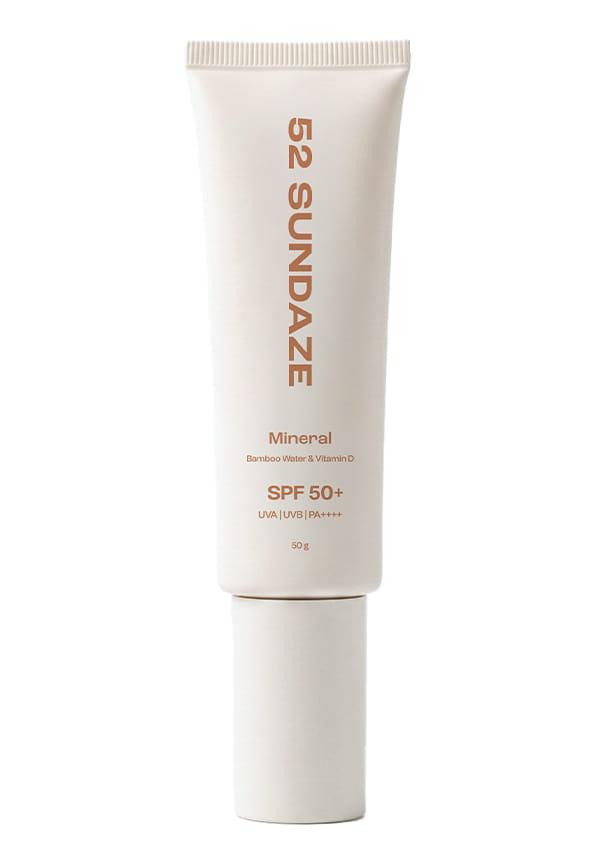
100% Mineral Sunscreen SPF 50 PA++++ for Sensitive Skin
For reapplication throughout the day, consider powder sunscreens or gentle spray formulations that won't disturb your existing skincare. The key is finding methods that encourage consistent use rather than making sun protection feel like a chore.
The journey to finding the best sunscreen sensitive skin can handle is often one of trial and patience. What works for your friend's rosacea might not work for your eczema, and that's completely normal.
Start with products that have minimal ingredient lists and are specifically formulated for sensitive skin. Dermatologist-recommended brands often have the research and testing behind them to support their gentle claims.
Consider your lifestyle needs too. If you're active outdoors, you'll need something sweat-resistant. If you wear makeup daily, look for formulations that work well under cosmetics. The best sunscreen is the one you'll actually use consistently.
Mineral sunscreens containing zinc oxide and titanium dioxide are typically best for sensitive skin types. They create a physical barrier on the skin's surface and are less likely to cause irritation compared to chemical sunscreens that absorb into the skin.
Dermatologists typically recommend fragrance free sunscreen with mineral active ingredients, broad-spectrum protection of at least SPF 30, and hypoallergenic formulations. Look for products that are specifically tested for sensitive skin conditions.
Yes, sunscreen for rosacea is essential as UV exposure can trigger flare-ups. Mineral sunscreen with zinc oxide is particularly beneficial as it provides anti-inflammatory benefits. Green-tinted formulas can help counteract redness.
Always perform a patch test on a small area for 24-48 hours before full application. Look for products labelled hypoallergenic, fragrance-free, and dermatologist-tested. Avoid known irritants like oxybenzone, fragrances, and drying alcohols.
Mineral sunscreen sits on top of the skin and reflects UV rays, whilst chemical sunscreen absorbs into the skin and converts UV rays to heat. Mineral formulations are generally gentler and less likely to cause reactions in sensitive skin types.
Finding the right sunscreen for sensitive skin types doesn't have to feel impossible. With the right knowledge about ingredients to seek and avoid, plus patience for testing, you can build a sun protection routine that actually supports your skin's health rather than working against it.
Remember that sensitive skin often improves with consistent, gentle care. The right sunscreen becomes part of that healing process, protecting your skin whilst it strengthens its natural defences. Whether you're dealing with rosacea, eczema, or general sensitivity, there are formulations designed specifically for your needs.
The key is starting with the gentlest options—mineral sunscreen with minimal ingredients—and building from there. Your skin's needs may change with seasons, stress, or age, so stay flexible and willing to adjust your routine as needed. With over 28 million users discovering products that work for their unique skin concerns, platforms like Smytten make it easier to explore different formulations before committing to full sizes, helping you find your perfect gentle sun protection match.
