How to Choose the Best Sunscreen for Humid Indian Weather


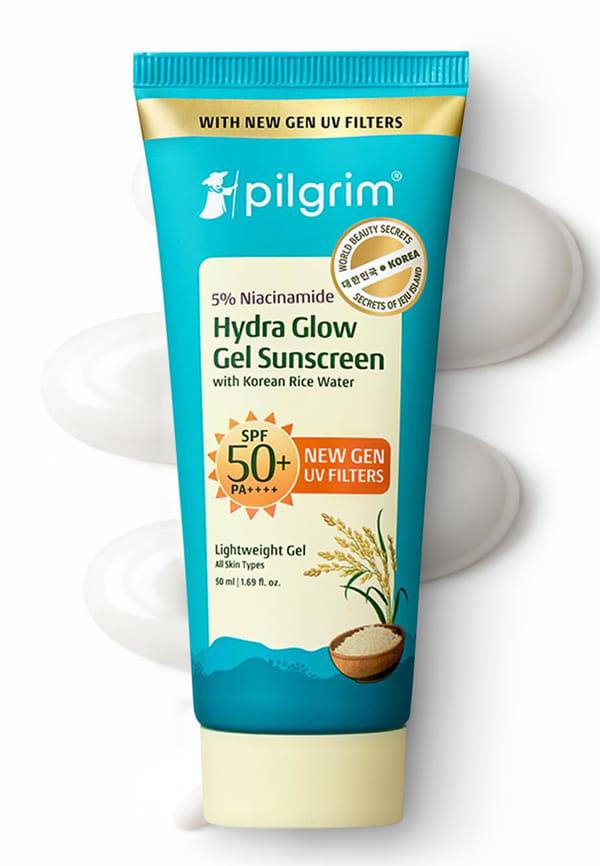
5% Niacinamide Oil-Free Super Light Gel Sunscreen SPF 50+ PA++++
Good for Oily Skin
 5
5“it's product is so good . oily skin suitable product.”
Good Use and Smell
5“good for use and a good smell.”
Good Use and Smell
5“good for use and a good smell.”
Finding the right sunscreen for India's relentless humidity feels like searching for a unicorn, doesn't it? Between the sweat, the shine, and that dreaded white cast that makes you look like you've been dunked in flour, most sunscreens seem designed for anywhere but our tropical climate. The truth is, our 60-90% humidity levels demand something completely different from what works in drier climates. Your skin is already working overtime to manage oil production and moisture balance, and the wrong sunscreen can turn your face into a greasy mess by 10 AM. But here's the fascinating bit - the best sunscreen for humid Indian weather isn't just about high SPF. It's about finding formulas that actually understand our skin's needs, from lightweight gel textures that absorb instantly to sweatproof formulations that won't budge during your commute. Whether you're dealing with oily skin that rebels against heavy creams or searching for something that won't trigger breakouts, the right sunscreen can actually make your skin look better, not worse. Platforms like Smytten have made it easier to trial different formulations before committing to full sizes, which is brilliant when you're navigating the overwhelming world of Indian sunscreen options.
TL;DR
Humid Indian weather (60-90% humidity) requires lightweight, non-greasy sunscreen formulations that won't clog pores or slide off with sweat
Look for gel-based or fluid textures with SPF 30-50, PA++++, and water-resistant properties for optimal protection in tropical climates
Ingredients like niacinamide (general recommendation is 2-4% concentration) help control oil while zinc oxide provides broad-spectrum protection without white cast
Reapplication every 2-3 hours is crucial in high humidity, using powder sunscreens or setting sprays for touch-ups over makeup
Choose formulations based on your skin type: gel-based for oily skin, fluid for combination, and lightweight creams for dry skin
India's humidity levels aren't just uncomfortable - they're a complete game-changer for how sunscreen performs on your skin. When the air holds 60-90% moisture (which is pretty much our reality for most of the year), traditional sunscreens that work beautifully in temperate climates become sticky, heavy messes that slide right off your face.
Here's the fascinating bit. High humidity means your sweat doesn't evaporate as quickly, creating a layer of moisture that can dilute or wash away your sun protection. Add India's intense UV index of 8-12 (that's in the extreme category, by the way), and you've got a perfect storm where your skin needs maximum protection but struggles with heavy formulations.
Here's where it gets interesting - humidity affects different skin types in completely different ways. Oily skin goes into overdrive, producing even more sebum to cope with the moisture in the air. This means your usual sunscreen for oily skin India might need to be even lighter than you think. Combination skin becomes trickier to manage, with your T-zone turning into an oil slick while your cheeks might actually feel more balanced. Even dry skin can feel overwhelmed by heavy sunscreens in humid weather, as the moisture in the air changes how products absorb.
The key to finding your perfect humid-weather sunscreen lies in understanding what actually works when the air feels thick enough to swim through. It's not just about slapping on any SPF and hoping for the best.
For Indian conditions, SPF 30-50 is your sweet spot. Anything lower won't cut it against our intense UV rays, while anything higher often comes with heavier textures that don't play well with humidity. The real game-changer is the PA++++ rating - this protects against UVA rays that cause premature ageing and hyperpigmentation. In tropical climates, broad-spectrum protection isn't optional, it's essential.
Gel-based sunscreens are absolute heroes in humid weather. They absorb quickly, leave no residue, and actually feel refreshing on sticky skin. Fluid formulations are another winner - they're lighter than traditional creams but still provide excellent coverage. The magic happens with water-based formulas versus oil-based ones. When you're already battling humidity, the last thing your skin needs is more oil sitting on top.
Look for terms like "dry-touch technology" or "matte finish" on packaging. These aren't just marketing buzzwords - they indicate formulations specifically designed to combat the shine and stickiness that humidity brings. A good lightweight sunscreen for face should feel like it disappears into your skin, not like you're wearing a mask.
Zinc oxide is brilliant for Indian skin because it provides broad-spectrum protection without the white cast that titanium dioxide can leave. Chemical filters like avobenzone work well too, but they can sometimes irritate sensitive skin in hot, humid conditions. The real star ingredient for humid weather is niacinamide at a general recommendation of 2-4% concentration. It controls oil production, minimises pores, and actually makes your sunscreen work better by improving your skin's barrier function.
Hyaluronic acid might sound counterintuitive in humid weather, but it actually helps your skin maintain the right moisture balance without adding heaviness. Avoid heavy emollients, thick silicones, and anything with a high oil content - these will just sit on your skin and attract more sweat and grime.
Not all sunscreens are created equal, especially when you're dealing with the unique challenges of Indian weather and skin concerns. Here's how to match your specific needs with the right formulation.
The holy grail of humid-weather sunscreens are those with dry-touch technology. These formulations contain special polymers that absorb excess oil and leave a powdery, matte finish. Gel-based options with silica or similar mattifying agents work wonders for controlling shine throughout the day. Look for sunscreens that specifically mention "oil-control" or "shine-free" - these are formulated with ingredients that actively combat the greasiness that humidity can bring.
Water-resistant formulations are non-negotiable in Indian summers. The 80-minute water resistance standard means your sunscreen will maintain its SPF even through moderate sweating or water exposure. Sports sunscreens take this a step further with film-forming polymers that create an invisible barrier on your skin. These are perfect if you're commuting in the heat, working outdoors, or just want that extra security that your protection won't budge. The key difference between water-resistant and waterproof is important - waterproof claims are actually regulated differently, so stick with water-resistant options that clearly state their duration.
Acne-prone skin in humid weather needs special attention. Non-comedogenic formulations are essential - these won't clog your pores even when mixed with sweat and humidity. Look for sunscreens with salicylic acid (0.5-2%) which gently exfoliates while protecting, or those with zinc oxide which has natural antibacterial properties. Oil-free and fragrance-free formulations reduce the risk of irritation and breakouts. Some of the best options combine sun protection with acne-fighting ingredients, giving you dual benefits in one step.
Getting your application technique right is just as important as choosing the right product. In humid conditions, how you apply and maintain your sun protection can make the difference between all-day coverage and a patchy, ineffective mess.
The 2mg/cm² rule translates to about a quarter teaspoon for your face and neck - that's more than most people think. In humid weather, it's tempting to use less to avoid that heavy feeling, but skimping on quantity means skimping on protection. Apply your sunscreen 15-30 minutes before sun exposure to let it properly bond with your skin. This is especially important in humidity because it gives the formula time to set before you start sweating.
When layering with moisturiser, wait 2-3 minutes between applications. In humid weather, your skin might feel sufficiently moisturised from the air, so you might even skip your regular moisturiser and let your sunscreen do double duty if it's hydrating enough.
The every-two-hours rule becomes every 2-3 hours in high humidity, or immediately after heavy sweating. This is where powder sunscreens become your best friend - they're perfect for touch-ups over makeup without disturbing your base. Setting sprays with SPF are another brilliant option for maintaining protection throughout the day. The key is to blot away excess oil and sweat before reapplying, rather than layering more product over a greasy base.
Your morning routine in humid weather should be streamlined. Cleanse, apply a lightweight serum if needed, then your sunscreen. In very humid conditions, your sunscreen might be all the moisture your skin needs. For evening removal, double cleansing becomes crucial - the combination of sunscreen, sweat, and pollution requires thorough cleansing to prevent clogged pores and breakouts.
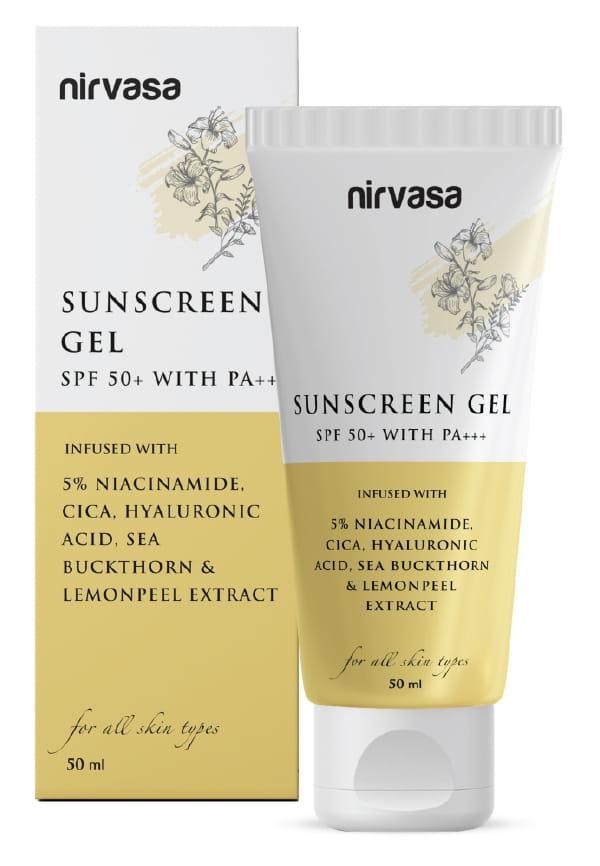
SPF50+ Sunscreen Gel with 5% Niacinamide for 98% UVA/UVB Protection
Gel Moisturizer for Oily Skin
5“gel moisturizer good for oily skin”
Even with the right product, application mistakes can leave you vulnerable to sun damage and skin issues. These are the most common errors people make when adapting their sun protection routine to humid conditions.
Using too little product is the biggest mistake - and it's even more common in humid weather because people try to avoid that heavy feeling. But using half the recommended amount doesn't give you half the protection; it dramatically reduces your SPF. Choosing the wrong formulation for your skin type is another major issue. That rich, nourishing sunscreen that works beautifully in winter might be completely wrong for monsoon season.
Skipping reapplication because you're wearing makeup is understandable but dangerous. The combination of sweat, oil, and humidity breaks down your sun protection faster than you think. Not considering pollution protection is particularly relevant in Indian cities - look for sunscreens with antioxidants that help combat environmental damage alongside UV protection.
Many people also ignore coverage of often-missed areas like the neck, ears, and hands. In humid weather, these areas sweat just as much as your face and need the same level of protection. Finally, failing to adjust your routine seasonally means you might be using a winter formulation in peak summer humidity, which is a recipe for clogged pores and breakouts.
Getting the most out of your sunscreen in humid conditions requires a strategic approach that goes beyond just the product itself. These expert-backed strategies will help you maintain optimal protection even in challenging weather.
The combination approach is key - sunscreen should be part of a broader sun protection strategy that includes protective clothing and seeking shade during peak hours (10 AM to 4 PM). Dermatologists recommend applying sunscreen to clean, dry skin for best adhesion, then waiting for it to set before adding other products. For Indian skin, which is naturally more prone to hyperpigmentation, consistent daily use is more important than occasional high-SPF application.
Monsoon season brings unique challenges - high humidity plus intermittent rain means you need water-resistant formulations that won't wash off easily. Summer requires the lightest possible textures with maximum oil control. Winter, particularly in northern India, might allow for slightly richer formulations, but southern and coastal regions maintain high humidity year-round. Regional variations matter too - Mumbai's coastal humidity is different from Delhi's dry heat, and your sunscreen choice should reflect your local climate.
You don't need to spend a fortune for effective sun protection in humid weather. Many budget-friendly options perform excellently in Indian conditions - the key is finding formulations specifically designed for tropical climates. However, premium options often offer better cosmetic elegance, which can improve compliance. If a slightly more expensive sunscreen feels so much better that you actually use it consistently, it's worth the investment. The best sunscreen is the one you'll actually wear every day.
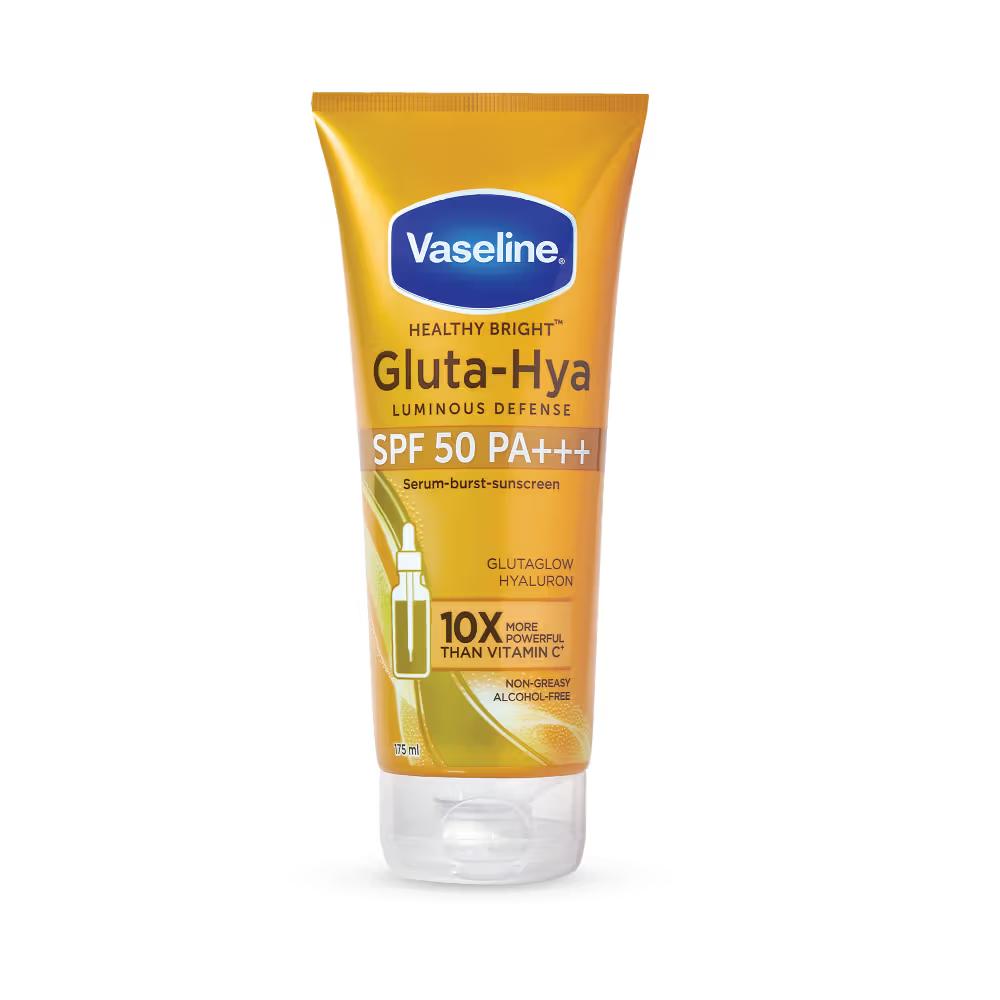
For those looking to trial different formulations before committing to full sizes, the Vaseline Gluta-Hya Antioxidant Body Sunscreen Lotion SPF50 PA+++ 175ml offers an interesting option for body protection. While primarily designed for body use, its lightweight formula with glutathione and hyaluronic acid provides broad-spectrum protection that works well in humid conditions, making it worth considering for extended coverage beyond just facial application.
Gel-based or fluid formulations with SPF 30-50, PA++++, and dry-touch technology work best. Look for water-resistant, non-comedogenic options with matte finishes. Ingredients like niacinamide help control oil while zinc oxide provides broad-spectrum protection without white cast.
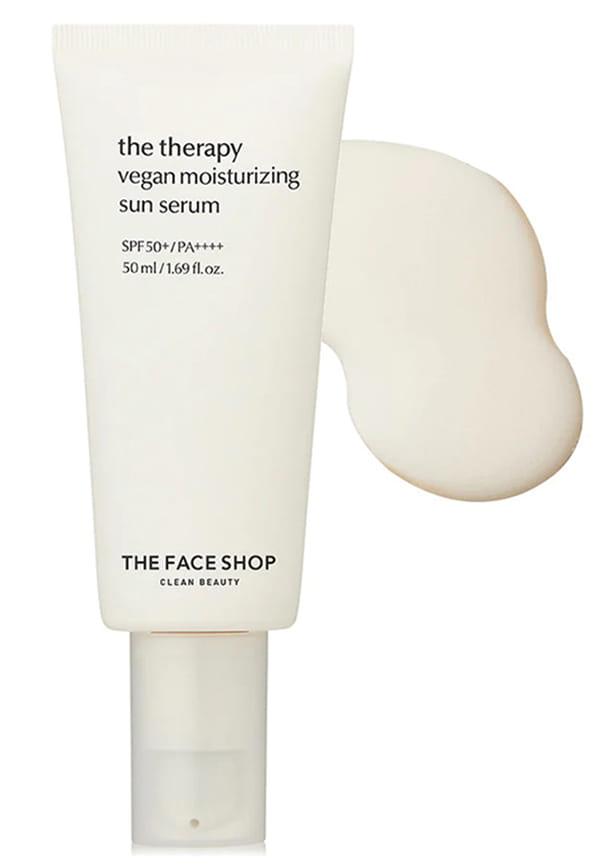
Niacinamide, UVA/B Protection Serum Sunscreen SPF 50+ PA++++
Great Sunscreen
5“the sunscreen is good and it is also non sticky”
Excellent Sunscreen Serum
5“the best serum sunscreen ever.”
Water-based gel sunscreens with 2-4% niacinamide, SPF 50, and 80-minute water resistance are ideal. Avoid heavy, oil-based formulations that can clog pores when mixed with sweat. Sports sunscreens with film-forming polymers offer extra staying power.
Lightweight, broad-spectrum sunscreens with zinc oxide or avobenzone, SPF 30-50, and additional antioxidants work well. Gel or fluid textures absorb quickly without leaving residue. Look for formulations specifically designed for tropical climates.
Every 2-3 hours, or immediately after heavy sweating. Use powder sunscreens or setting sprays for easy reapplication over makeup. Blot away excess oil and sweat before reapplying to ensure proper adhesion.
While possible, seasonal adjustments optimise protection. Use lighter gels in summer and monsoon, slightly richer formulas in winter, especially in northern India. Coastal and southern regions may need consistent lightweight formulations year-round.
Water-resistant sunscreens maintain their SPF for a specified time (usually 40-80 minutes) during water exposure or sweating. Waterproof claims are less regulated and often misleading. Stick with clearly labeled water-resistant options for reliable protection.
Platforms like Smytten offer trial packs of various sunscreen brands, allowing you to test different formulations before committing to full-size purchases. This is particularly helpful when navigating the many options available for Indian skin and climate conditions.
Choosing the best sunscreen for humid Indian weather comes down to understanding your skin's unique needs and the challenges our climate presents. Gel-based and fluid formulations with SPF 30-50 and PA++++ ratings provide optimal protection without the heaviness that traditional creams can bring in high humidity. Ingredients like niacinamide, zinc oxide, and hyaluronic acid work together to control oil, prevent white cast, and maintain hydration without greasiness.
Remember that proper application and consistent reapplication are just as important as choosing the right product. The quarter-teaspoon rule applies regardless of humidity levels, and reapplication every 2-3 hours ensures continuous protection even when you're sweating. Don't forget often-missed areas like your neck, ears, and hands - they need the same level of protection as your face.
Most importantly, the best sunscreen is the one you'll actually use every day. Whether that's a budget-friendly gel or a premium fluid formulation, consistency trumps everything else when it comes to protecting your skin from India's intense UV rays and preventing long-term damage like hyperpigmentation and premature ageing.
Finding your perfect sunscreen match doesn't have to involve expensive trial and error. Smytten is India's largest product discovery and trial platform, connecting consumers with top lifestyle, beauty, wellness, and grooming brands through curated trial packs from over 2,400 trusted brands. Each mini is linked with Trial Points, and users can get up to 10 Trial Points for just ₹279, with 100% cashback on trial purchases redeemable for future orders. This try before you buy approach is particularly valuable when navigating sunscreen options for humid Indian weather, as you can test different formulations to find what works best for your skin type and local climate. With over 28 million users and 100% authentic, directly sourced products available across 90% pincode coverage, Smytten helps you make smarter, more confident choices. After all, why settle for 'maybe' when you can #TryItAll and find the perfect sunscreen that actually works in our challenging climate!
