How to Choose the Best Sunscreen for Dry Skin

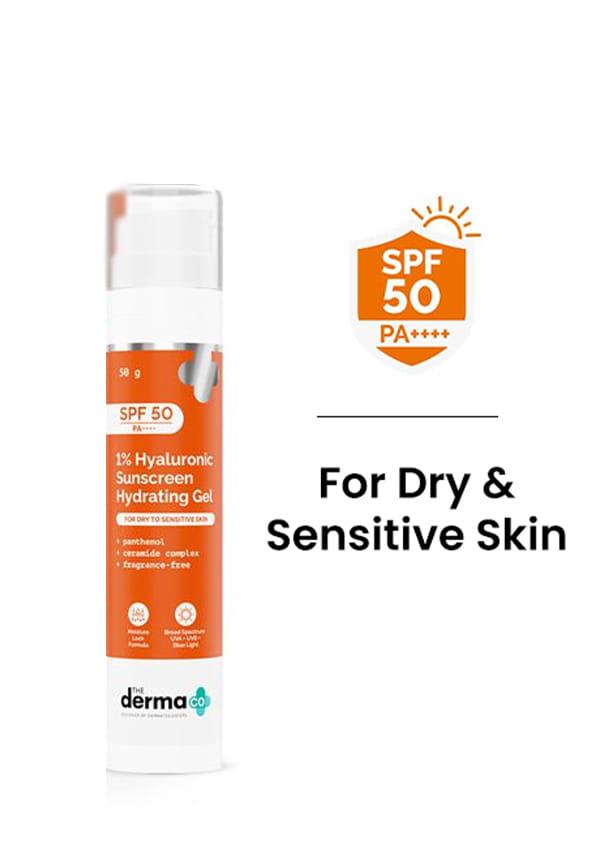
1% Hyaluronic Sunscreen Hydrating Gel SPF 50 PA ++++
Smooth and Light Product
 5
5“good good very smooth very badhiya very light”
Impressive Derma Sunscreen
4“good sunscreen everytime derma sunscreen impress me”
Impressive Derma Sunscreen
4“good sunscreen everytime derma sunscreen impress me”
Finding the best face sunscreen for dry skin feels like searching for a unicorn sometimes. Your skin craves moisture, but most sunscreens leave you feeling tight, flaky, or somehow even drier than before. The good news? You don't have to choose between protection and hydration anymore. The right sunscreen for dry skin can actually boost your skin's moisture levels while keeping those harmful UV rays at bay. Let's dive into everything you need to know about choosing a sunscreen that'll become your skin's new best friend.
Dry skin isn't just about feeling a bit tight after washing your face—it's a whole different ballgame when it comes to sun protection. Your skin's natural barrier is already compromised, which means it loses moisture faster and struggles to retain hydration throughout the day.
When your skin lacks that natural moisture barrier, traditional sunscreens can feel like adding insult to injury. Many standard formulas contain alcohol or other drying agents that strip away what little moisture your skin manages to hold onto. This creates a vicious cycle where your skin becomes even drier and more sensitive over time. The best approach? Look for formulas that multitask. A good hydrating sunscreen doesn't just sit on top of your skin—it works with your natural moisture levels to create a protective, nourishing layer.
Real talk: most of us have been doing this wrong. Grabbing any old SPF and slapping it on might protect you from burns, but it's not doing your dry skin any favours. The biggest mistake? Using alcohol-based formulas that promise a "lightweight feel" but leave your skin parched. Another common slip-up is thinking you can skip your moisturiser if your sunscreen claims to be hydrating. Even the most moisturizing sunscreen works better when your skin is already prepped with a good base layer of hydration.
Ingredients are where the magic happens. The right combination can transform your daily sun protection from a necessary evil into something your skin actually looks forward to.
Hyaluronic acid is your dry skin's best mate—it can hold up to 1,000 times its weight in water, which means serious hydration that lasts. Look for this powerhouse ingredient in your daily sunscreen for dry skin. Glycerin and ceramides work together to repair and strengthen your skin barrier. Think of them as the construction crew that patches up the gaps where moisture escapes. Niacinamide is another multitasker worth obsessing over. It strengthens your skin barrier whilst reducing inflammation and evening out your skin tone.
Zinc oxide tends to be gentler on sensitive, dry skin compared to chemical filters. It sits on top of your skin like a protective shield rather than absorbing into it, which means less chance of irritation. For daily use, broad-spectrum SPF 30-50 hits the sweet spot. Higher isn't always better—SPF 50 blocks about 98% of UVB rays, whilst SPF 100 only blocks about 99%. The difference is minimal, but higher SPFs often come with more drying ingredients.
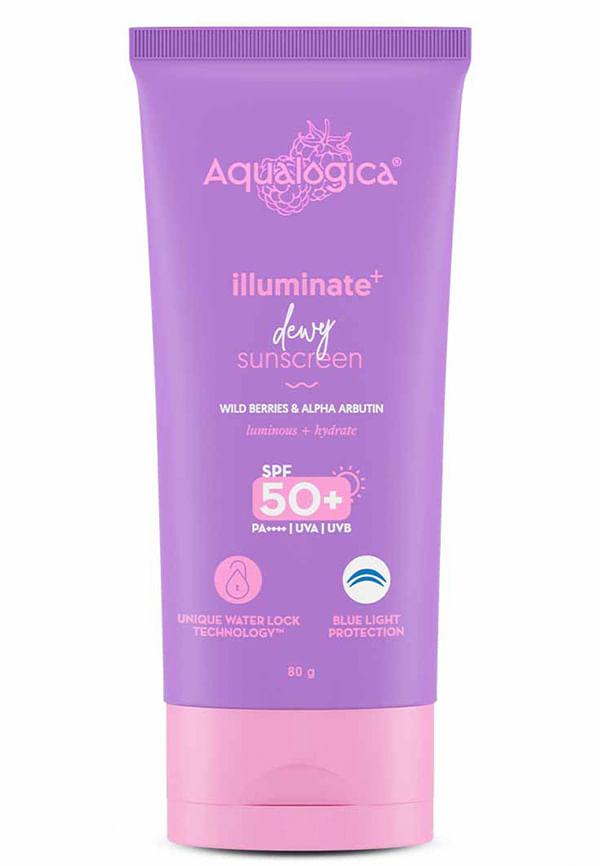
Illuminate+ dewy Sunscreen
Nice Texture, Good Sunscreen
5“the texture was nice and sunscreen was good.”
Great Sun Protection, Dewy Look
4“Great sun protection with no white cast. Gives a nice dewy look!”
Great Sun Protection, Dewy Look
4“Great sun protection with no white cast. Gives a nice dewy look!”
Alcohol denat is public enemy number one for dry skin. It might make the sunscreen feel lighter initially, but it'll leave your skin crying for moisture later. Fragrances might smell lovely, but they're unnecessary irritants for already sensitive, dry skin. The same goes for oxybenzone and octinoxate—these chemical filters can cause reactions in sensitive skin types.
Not all sunscreens are created equal, especially when you're dealing with dry skin. Understanding the different types helps you make smarter choices for your specific needs.
Mineral sunscreens (with zinc oxide or titanium dioxide) tend to be more non-greasy sunscreen for dry skin options that won't clog pores or cause breakouts. They're particularly brilliant if your skin is both dry and sensitive. Chemical sunscreens can work too, but you'll want to be pickier about the formula. Look for newer chemical filters like avobenzone paired with hydrating ingredients rather than older formulations that can be drying.
Why use three products when one does the job brilliantly? Many daily sunscreen for dry skin options now come with built-in moisturising benefits, anti-aging ingredients, or even a hint of tint for light coverage. Tinted sunscreens can be particularly handy for dry skin because they often contain more emollient ingredients to help them blend smoothly. Just make sure the shade works with your skin tone.
Texture matters more than you might think. Cream formulations tend to be more hydrating than lotions or fluids, but they can feel heavy if you're not used to them. The key is finding that Goldilocks formula—not too thick, not too thin, but just right for your skin. Layering is an art form with dry skin. Your sun protection for dry skin routine should flow smoothly from cleanser to serum to moisturiser to sunscreen, with each layer absorbing properly before the next.
Even the most brilliant spf for dry skin won't work if you're not applying it correctly. Getting your technique right makes all the difference between patchy protection and all-day comfort.
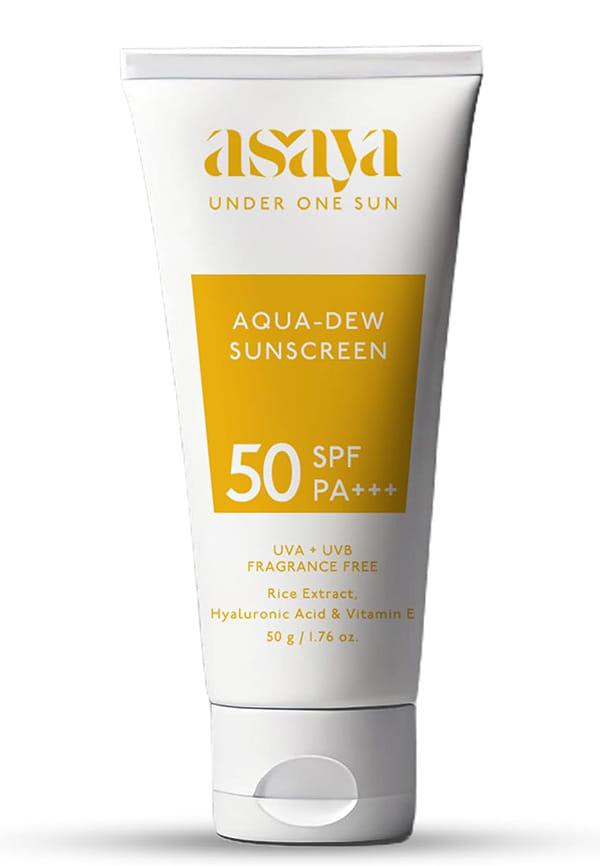
Aqua Dew Sunscreen SPF 50 PA+++
Start with clean, slightly damp skin—this helps your moisturiser absorb better. Apply your regular moisturiser and give it a few minutes to sink in before adding sunscreen. This creates the perfect base for your SPF to glide on smoothly. If you're using serums, apply them before moisturiser but after cleansing. The general rule is thinnest to thickest consistency.
You need about a quarter teaspoon of sunscreen for your face and neck—that's more than most people use. Don't rub it in like you would a moisturiser. Instead, dot it around your face and gently pat and press it into your skin. Pay extra attention to often-missed spots like around your hairline, ears, and the sides of your nose. These areas are particularly prone to burning on dry skin.
Reapplying over makeup can be tricky, but it's essential for continued protection. SPF setting sprays can work for touch-ups, or try gently patting a small amount of your regular sunscreen over your makeup with clean fingers. If you're indoors most of the day, reapplying every 4-6 hours is usually sufficient. Outdoors or near windows? Every 2 hours is the gold standard.
Your best sunscreen for face is just one piece of the puzzle. Building a complete routine ensures your skin stays protected, hydrated, and happy all day long.
Your morning routine should be like a well-choreographed dance. Start with a gentle cleanser, follow with any serums (vitamin C works beautifully under sunscreen), then moisturiser, and finally your SPF. Timing matters—give each product 2-3 minutes to absorb before applying the next. This prevents pilling and ensures each product can do its job properly.
Proper sunscreen removal is crucial for dry skin. Use a gentle cleanser or cleansing oil to make sure you're getting all the SPF off without stripping your skin further. Night-time is when your skin does its repair work, so this is when you can use richer moisturisers or treatments that might not play well under sunscreen during the day.
Your skin's needs change with the weather. In summer, you might prefer a lighter hydrating sunscreen, whilst winter calls for something richer and more nourishing. Don't forget that UV rays are present year-round, even on cloudy days. Your sunscreen for dry skin face routine shouldn't take a holiday just because the weather's gloomy. This is where platforms like Smytten become incredibly valuable for dry skin sufferers. Instead of committing to full-size products that might not work for your specific skin needs, you can try mini versions of different sunscreens to find your perfect match. With over 1,500 trusted brands including skincare favourites like Cetaphil and Dot & Key, you can explore various formulations without the financial risk. The platform's trial approach means you can test how different SPF formulas work with your dry skin before investing in the full-size version.
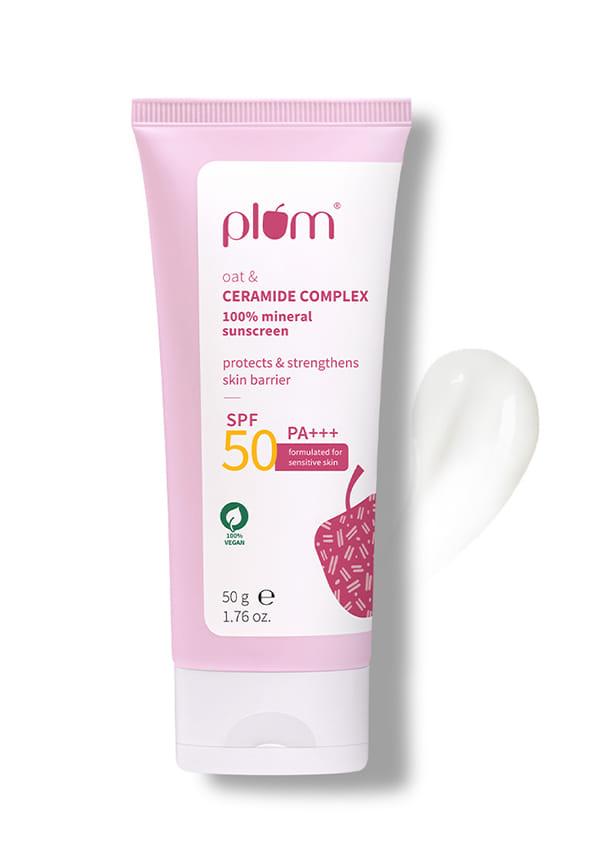
Oat & Ceramide Complex 100% Mineral Sunscreen
Good for sensitive skin
4“Good for sensitive skin recieved in discount ”
Look for broad-spectrum SPF 30-50 formulas with hydrating ingredients like hyaluronic acid, glycerin, and ceramides. Mineral formulations with zinc oxide are often gentler for sensitive dry skin, whilst chemical sunscreens with newer, less irritating filters can work well too.
The best options combine sun protection with moisturising benefits. Look for formulations that include niacinamide for barrier repair, peptides for anti-aging benefits, and humectants like hyaluronic acid for long-lasting hydration.
Whilst some very rich sunscreen formulas might provide adequate moisture for mildly dry skin, most dry skin types benefit from a separate moisturiser underneath. This creates a better base for sunscreen application and ensures optimal hydration levels.
Every 2 hours if you're outdoors or near windows, every 4-6 hours if you're indoors with minimal sun exposure. For dry skin, choose reapplication methods that won't disrupt your skin's moisture barrier, like gentle patting rather than rubbing.
The wrong sunscreen can definitely worsen dry skin, but the right formula will actually improve your skin's hydration levels. Avoid alcohol-based formulas and opt for sunscreens with moisturising ingredients instead.
Look for non-comedogenic formulas with ingredients like niacinamide that can help with both dryness and breakouts. Mineral sunscreens are often a safe bet, as they're less likely to clog pores whilst still providing hydration.
Choosing the best face sunscreen for dry skin doesn't have to be complicated once you know what to look for. Focus on formulas that combine effective sun protection with hydrating ingredients, avoid drying alcohols and unnecessary irritants, and don't forget that proper application technique is just as important as the product itself. Remember, the perfect sunscreen is the one you'll actually use every day. Whether that's a lightweight fluid that layers beautifully under makeup or a rich cream that doubles as your morning moisturiser, consistency is key to both sun protection and skin health. With platforms like Smytten offering trial sizes from trusted brands, you can experiment with different formulations until you find your perfect match. After all, why settle for 'maybe' when you can try different options and find the one that truly works for your unique skin needs? Your dry skin deserves protection that feels like pampering, not punishment.
