How to Choose the Best Sunscreen: A Guide to Top Rated Sunscreens
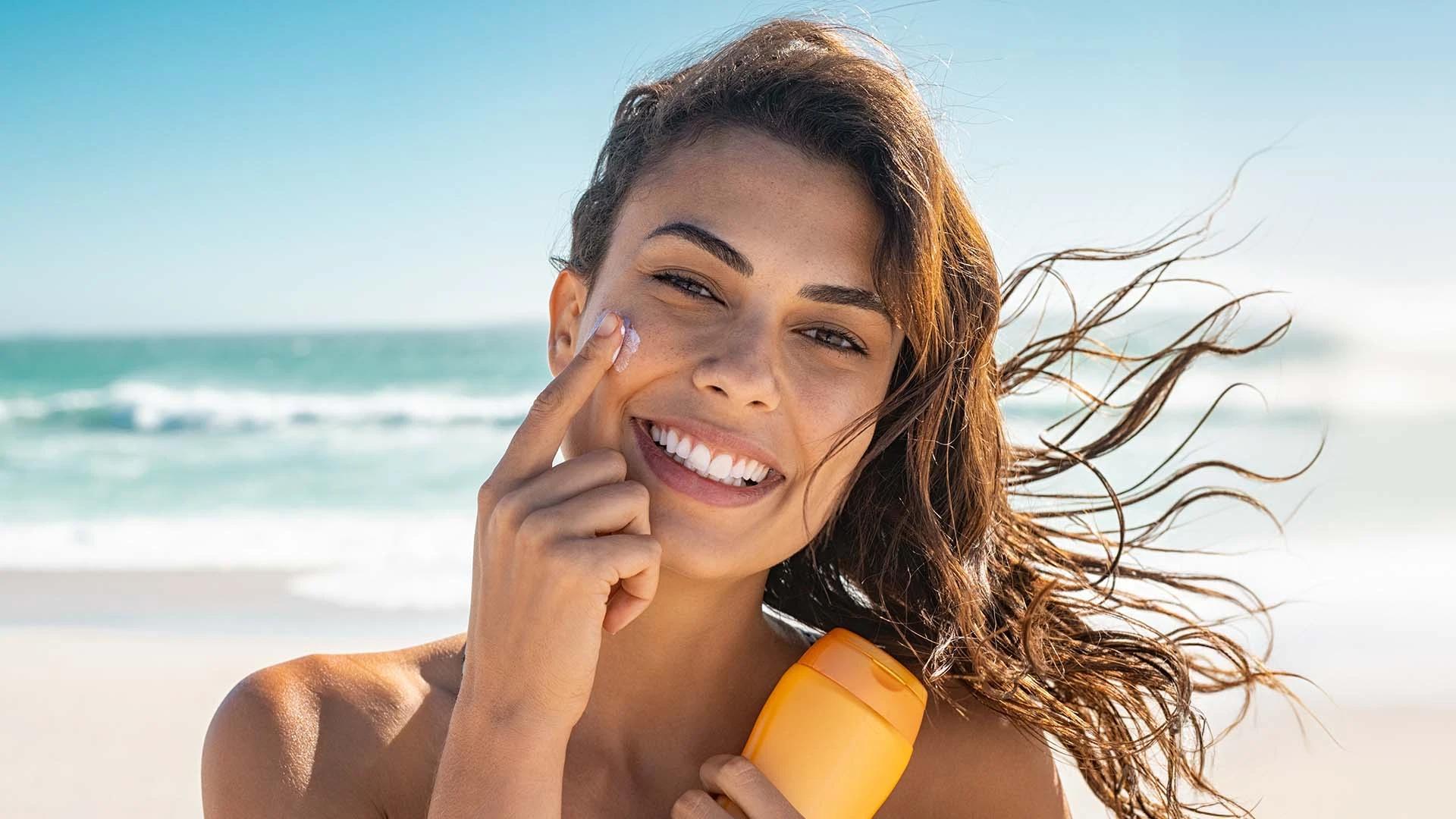

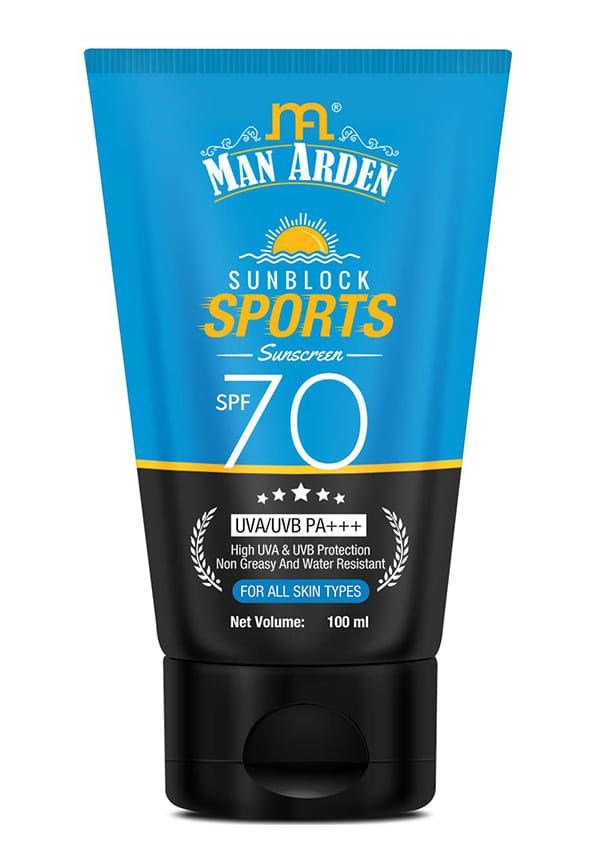
Sun Block Sports Sunscreen SPF 70, For All Skin Types, UVA/UVB PA+++
You've probably stood in the sunscreen aisle feeling completely overwhelmed. SPF 30 or 50? Chemical or mineral? Face-specific or body formula? With countless options promising the best protection, finding the right sunscreen can feel like solving a puzzle. The truth is, the best sunscreen reviews reveal that there's no one-size-fits-all solution—but there are clear winners for every skin type and concern. Whether you're dealing with oily skin that turns greasy with the wrong formula or sensitive skin that reacts to harsh chemicals, understanding what makes top rated sunscreens stand out will help you make the right choice for your daily protection routine.
The foundation of any good sunscreen review starts with understanding protection levels. SPF measures UVB protection—the rays that cause burning—whilst PA ratings indicate UVA protection, which penetrates deeper and causes premature ageing. The best sunscreens offer broad-spectrum protection with at least SPF 30, though SPF 50 provides that extra buffer for extended outdoor time or if you're not perfect with reapplication.
What separates top rated sunscreens from average ones isn't just the SPF number. It's the formulation stability, how well it spreads and absorbs, and whether it plays nicely with your skin type. The most effective sunscreens maintain their protection throughout the day without pilling, leaving white casts, or causing breakouts.
Mineral sunscreens containing zinc oxide and titanium dioxide sit on top of skin, physically blocking UV rays. They're gentler for sensitive skin and start working immediately upon application. Chemical sunscreens with ingredients like avobenzone and octinoxate absorb into skin and convert UV rays to heat. Both can be highly effective—the best choice depends on your skin's needs and preferences.
Water resistance matters even if you're not swimming—sweat and humidity can compromise protection. Reef safe sunscreen formulations avoid oxybenzone and octinoxate, which can harm marine ecosystems. Non-comedogenic formulas won't clog pores, making them essential for acne-prone skin. The best daily sunscreen options combine all these features whilst feeling comfortable enough for everyday wear.
Your skin type dramatically influences which sunscreen will work best for you. What feels lightweight and comfortable on oily skin might not provide enough moisture for dry skin, whilst formulas perfect for normal skin could irritate sensitive types. Understanding these differences helps you navigate sunscreen reviews more effectively.
Sunscreen for face needs to be more refined than body formulas. The best facial sunscreens absorb quickly without leaving residue, work well under makeup, and often include skincare benefits like niacinamide or hyaluronic acid. Look for lightweight textures that won't feel heavy throughout the day or interfere with your makeup routine.
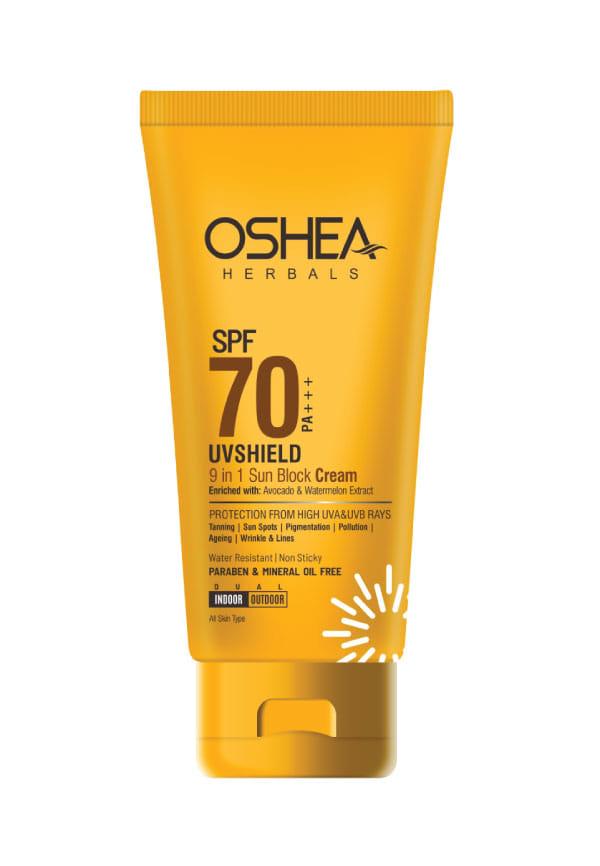
UVshield 9 In 1 Sun Block Cream SPF-70 PA+++
Sunscreen for sensitive skin should be fragrance-free and formulated with gentle, mineral sunscreen ingredients. Zinc oxide is particularly well-tolerated, providing excellent protection without irritation. The best formulas for sensitive skin often include soothing ingredients like ceramides or aloe vera to calm whilst protecting.
Sunscreen for oily skin needs to control shine whilst providing protection. Gel-based or fluid formulas work best, often containing oil-absorbing ingredients or mattifying agents. The top performers in this category feel almost weightless and actually help control excess oil throughout the day rather than adding to it.
Sunscreen for dry skin should double as a moisturiser, containing hydrating ingredients like hyaluronic acid or glycerin. Cream-based formulas typically work better than gels or fluids, providing that extra layer of moisture whilst protecting from UV damage. The best options leave skin feeling soft and comfortable, not tight or flaky.
Beyond basic protection, the best sunscreens offer additional benefits that make them worth the investment. Antioxidants like vitamin C or E help fight free radical damage, whilst ingredients like niacinamide can help with oil control and pore appearance. Some formulas include subtle tints to even out skin tone or light-reflecting particles for a healthy glow.
Texture plays a huge role in daily compliance. The most protective sunscreen in the world won't help if you hate applying it. The top rated sunscreens feel pleasant to use, absorb well, and don't interfere with your other skincare products or makeup. They're formulated to work seamlessly into your routine rather than feeling like an extra step.
Even the best sunscreen reviews can't help if you're not applying enough product. Most people use about half the recommended amount, significantly reducing protection. A proper application for your face requires about a quarter teaspoon of product—more than you probably think. The best formulas make this generous application feel comfortable rather than heavy or greasy.
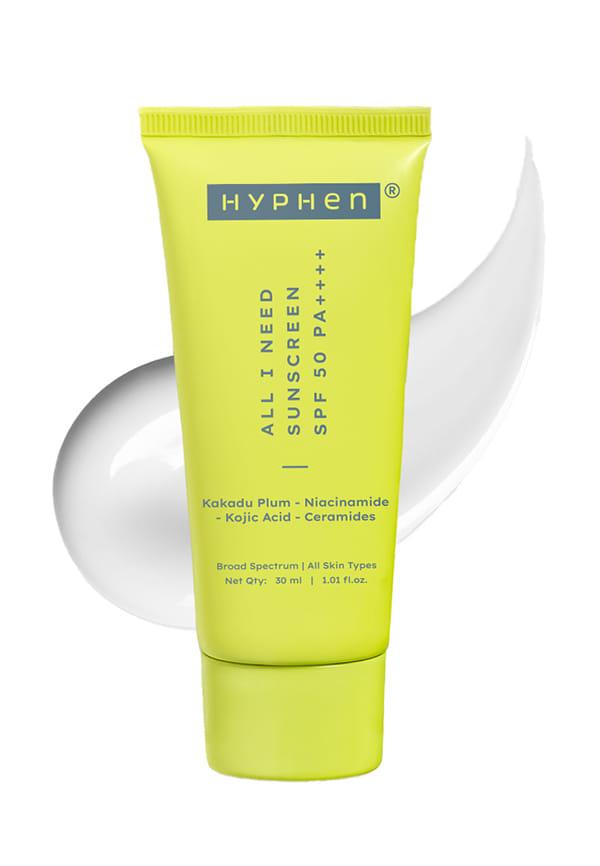
All I Need Sunscreen SPF 50 PA++++
Your daily sunscreen needs might change with the seasons or your activities. Summer heat and humidity call for lighter, more water-resistant formulas, whilst winter might allow for richer, more moisturising options. If you exercise outdoors regularly, sweat resistance becomes crucial. The most versatile sunscreens perform well across different conditions.
The best sunscreens go beyond basic UV protection to offer skincare benefits. Niacinamide helps control oil and minimise pores whilst providing anti-inflammatory benefits. Hyaluronic acid draws moisture to the skin, making it perfect for dry skin types. Antioxidants like vitamin C help prevent free radical damage that can accelerate ageing.
Mineral sunscreen ingredients like zinc oxide and titanium dioxide are particularly beneficial for sensitive or reactive skin. They provide immediate protection without absorption into the skin, reducing the risk of irritation. Modern formulations have largely solved the white cast issue that once plagued mineral sunscreens.
Some ingredients in sunscreens can cause issues for certain skin types or environmental concerns. Oxybenzone and octinoxate, whilst effective UV filters, can irritate sensitive skin and harm coral reefs. Fragrances and essential oils can trigger reactions in sensitive individuals. The best reef safe sunscreen options avoid these potentially problematic ingredients whilst maintaining excellent protection.
The perfect sunscreen routine starts with choosing the right product for your skin type, but application technique matters just as much. Apply sunscreen as the last step in your skincare routine, after moisturiser but before makeup. Give it a few minutes to set before applying foundation or other makeup products.
Reapplication is where many people struggle, especially when wearing makeup. The best sunscreens for daily wear make touch-ups easier—whether through powder formulas for over makeup or lightweight liquids that layer well. Setting reminders on your phone can help establish the reapplication habit until it becomes second nature.
The top 5 best sunscreens vary by skin type, but consistently high-performing options include gentle mineral sunscreens for sensitive skin, lightweight gel formulas for oily skin, and hydrating cream formulas for dry skin. The best choice depends on your specific skin needs, climate, and lifestyle factors.
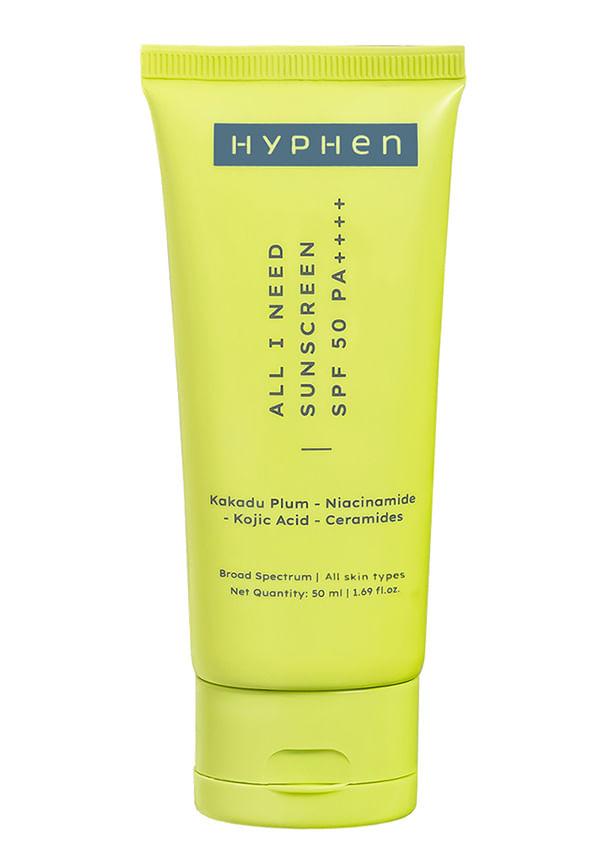
All I Need Sunscreen SPF 50 PA++++
The best sunscreen brand depends on your skin type and concerns rather than a single "winner." Look for brands that specialise in dermatological formulations and have a range of options for different skin types. The most important factor is finding a formula you'll use consistently every day.
The top rated sunscreen typically combines broad-spectrum SPF 30-50 protection with excellent wearability and skin compatibility. The highest-rated options often include additional skincare benefits and work well for multiple skin types whilst maintaining their protection throughout the day.
A 5-star sunscreen refers to the UVA star rating system, where 5 stars indicates the highest level of UVA protection relative to UVB protection. This rating helps ensure you're getting balanced broad-spectrum protection against both burning and ageing rays.
Reapply sunscreen every 2 hours, or immediately after swimming, sweating heavily, or towelling off. For daily sunscreen use in office environments, reapplication at lunch time is usually sufficient unless you're spending time outdoors.
Finding the right sunscreen is about matching the formula to your skin's specific needs rather than following generic recommendations. The best sunscreen reviews consistently show that the most effective sunscreen is the one you'll actually use every day. Whether you prefer the gentle protection of mineral sunscreen, the lightweight feel of chemical formulas, or the added benefits of tinted options, consistency matters more than perfection.
Your ideal daily sunscreen should feel comfortable, work well with your other products, and provide reliable protection without causing irritation or breakouts. Don't be afraid to try different formulas until you find your perfect match—your skin will thank you for the effort. The investment in proper sun protection pays dividends in preventing premature ageing, maintaining even skin tone, and protecting your overall skin health.
If you're curious about trying different sunscreen formulas before committing to full sizes, platforms like Smytten let you explore minis from trusted brands. With over 28 million users discovering their perfect products through trials, it's a smart way to test what works for your skin before making larger purchases.
