How to Choose the Best Plant Based Face Moisturizer for Your Skin
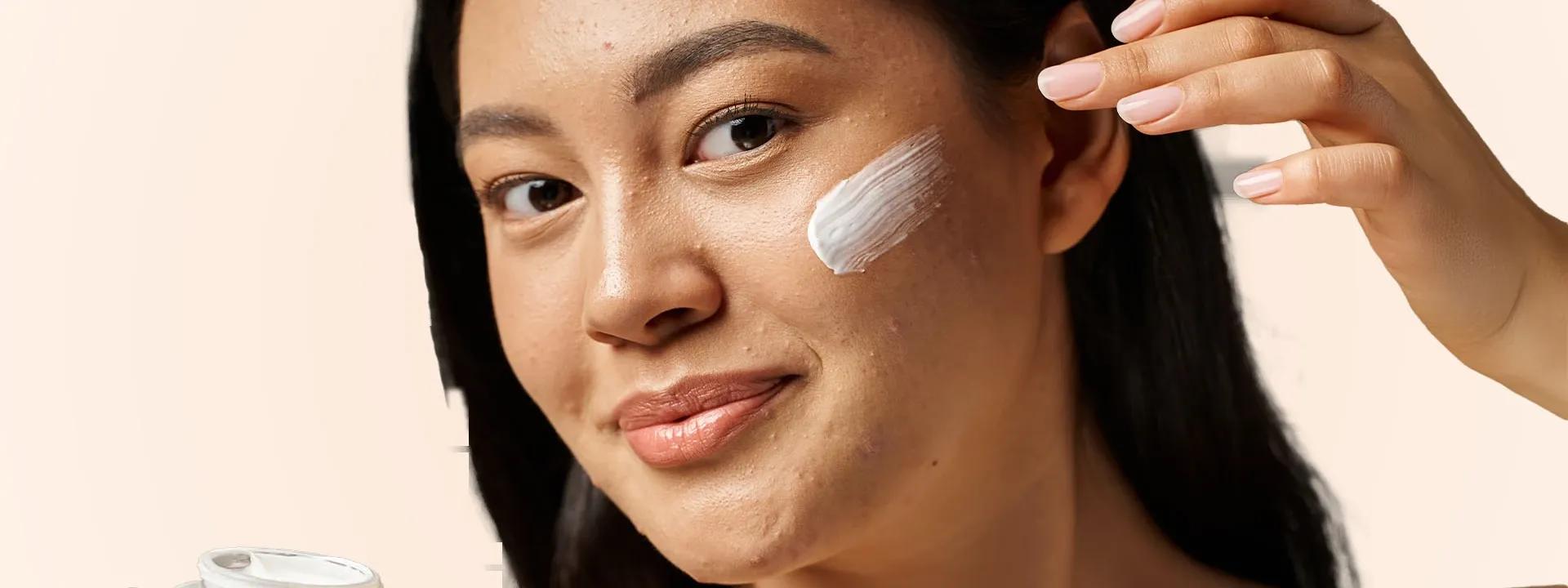

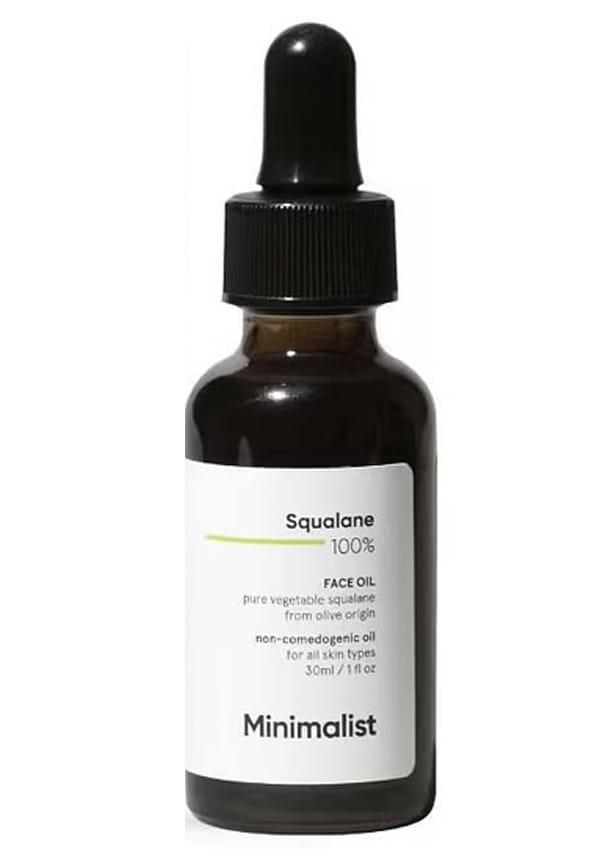
Squalane 100% (Plant Derived) Super-Lightweight Face Oil
Happy with product and discounts
 5
5“happy with the product, and discounts”
Hydrating, Non-Sticky for Daily Use
4“hydrating... non sticky... daily use”
Lightweight & Hydrating Oil
4“Light weight oil, very good for hydrating dry skin”
Let's be real—finding the perfect plant based face moisturizer can feel like searching for a needle in a haystack. With endless options promising everything from miracle hydration to age-defying results, it's easy to get overwhelmed. But here's the thing: your skin deserves better than synthetic chemicals and questionable ingredients. Plant-based skincare isn't just a trend—it's a smart choice that works with your skin's natural processes rather than against them. Whether you're dealing with dryness, sensitivity, or just want to make more conscious beauty choices, understanding how to pick the right vegan moisturizer can be a total game-changer for your skincare routine.
A plant based face moisturizer is exactly what it sounds like—a hydrating product formulated primarily with ingredients derived from plants rather than synthetic chemicals or animal byproducts. Think botanical extracts, plant oils, and naturally occurring compounds that your skin actually recognises and loves.
The main difference between plant-based and conventional moisturisers lies in their ingredient sourcing and processing. While traditional formulas often rely on petroleum-derived ingredients, silicones, and synthetic fragrances, botanical skincare harnesses the power of nature's pharmacy. These formulations typically include ingredients like aloe vera, plant oils, herbal extracts, and naturally derived vitamins.
What makes a vegan moisturizer special is that it's completely free from animal-derived ingredients like lanolin, collagen, or beeswax. This doesn't just make it ethical—it often makes it gentler and more suitable for sensitive skin types. Plus, most plant-based options are also cruelty-free moisturizer choices, meaning no animals were harmed during testing.
The beauty of plant derived skincare is that these ingredients have been used for centuries in traditional medicine and beauty rituals. Your skin knows how to work with them, which often translates to better absorption, fewer reactions, and more effective face hydration.
When you're hunting for the perfect natural face cream, knowing which ingredients actually deliver results can save you time, money, and potential skin drama. Not all plant-based ingredients are created equal, so let's break down the real MVPs.
Plant oils are the backbone of effective organic moisturizer formulations. Jojoba oil is particularly brilliant because it mimics your skin's natural sebum, making it suitable for all skin types without clogging pores. Sweet almond oil provides deep nourishment without feeling heavy, whilst rosehip oil delivers both hydration and anti-ageing benefits.
Shea butter and cocoa butter are your go-to ingredients for serious moisture. They're packed with fatty acids and vitamins that help repair your skin barrier whilst providing long-lasting hydration. These butters work especially well in richer formulations designed for dry or mature skin.
Aloe vera gel is the ultimate multitasker—it hydrates, soothes inflammation, and helps heal minor skin irritations. Green tea extract brings powerful antioxidants to the party, protecting your skin from environmental damage whilst calming redness.
Chamomile extract is particularly valuable in sensitive skin moisturizer formulations because of its anti-inflammatory properties. It's gentle enough for reactive skin but effective enough to make a real difference in comfort and appearance.
Look for vitamin E and rosemary extract as natural preservatives. They not only keep your eco-friendly moisturizer fresh but also provide additional antioxidant benefits for your skin. These natural alternatives are much gentler than synthetic preservatives that can cause irritation.
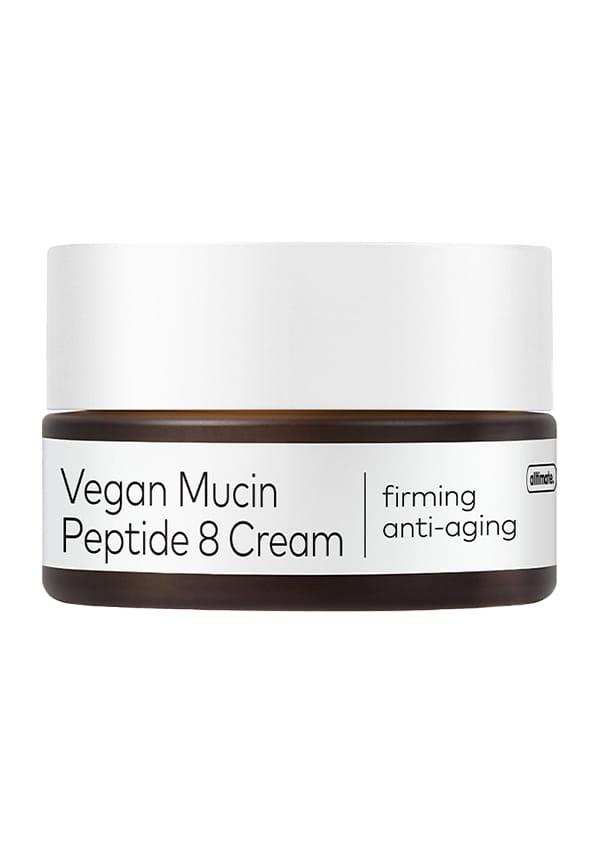
Alltimate Vegan Mucin Peptide 8 Cream
Good Experience & Fragrance
4“nice to use smells nice.........”
Great Product
5“Ultimately great product to use”
Your skin type should be your north star when selecting a plant based face moisturizer. What works brilliantly for your mate might be completely wrong for you, and that's totally normal. Let's break down what to look for based on your specific needs.
If you're dealing with oily skin, you might think you need to skip moisturiser altogether—but that's actually counterproductive. Your skin needs hydration; it just needs the right type. Look for lightweight, gel-based formulations that contain ingredients like hyaluronic acid from plant sources.
Non-comedogenic plant oils like jojoba or grapeseed oil can actually help regulate your skin's oil production. The key is finding a vegan moisturizer that hydrates without adding extra shine or clogging your pores.
Dry skin craves rich, nourishing formulations that can penetrate deeply and provide lasting hydration. Look for organic moisturizer options that contain ceramides from plant sources, along with heavier oils like avocado or argan oil.
Overnight treatments can be particularly effective for dry skin. These richer formulations have time to work their magic whilst you sleep, so you wake up with plump, hydrated skin.
Combination skin can be tricky because you're essentially dealing with two different skin types on one face. The good news is that many botanical skincare products are formulated to balance rather than overwhelm.
Look for lightweight formulations that can provide adequate hydration to dry areas without making oily zones worse. Sometimes, using different products on different areas of your face is the way to go.
If you have sensitive skin, a non-toxic face cream with minimal ingredients is often your best bet. Avoid products with essential oils or fragrances, even natural ones, as these can trigger reactions.
Always patch test new products on a small area of skin before applying to your entire face. Look for formulations specifically designed as sensitive skin moisturizer options, as these are typically tested for gentleness.
Switching to a plant based face moisturizer isn't just about following trends—it's about making choices that benefit your skin, your health, and the planet. The advantages go way beyond just feeling good about your purchase.
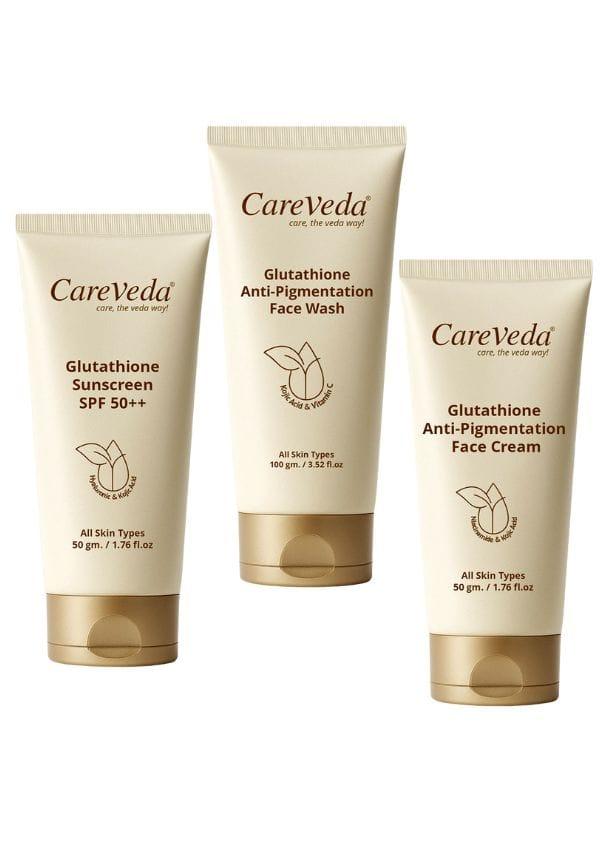
Face Cream & Face Wash, Sunscreen for Bright, Even-Toned Skin
From an environmental perspective, eco-friendly moisturizer options typically have a smaller carbon footprint and use sustainable sourcing practices. Many plant-based brands also use recyclable packaging and avoid harmful chemicals that can pollute waterways.
For your skin, plant derived skincare often means fewer synthetic chemicals that can cause long-term irritation or sensitivity. Many people find that their skin becomes more balanced and resilient when they switch to gentler, more natural formulations.
The ethical aspect of choosing cruelty-free moisturizer options means you're supporting brands that align with your values. Plus, many plant-based products are more cost-effective in the long run because they're often more concentrated and effective.
Understanding ingredient lists is crucial when you're shopping for natural face cream options. Unfortunately, marketing can be misleading, and terms like "natural" aren't always regulated as strictly as you might think.
Watch out for ingredients like parabens, sulphates, and synthetic fragrances, even in products marketed as natural. These can cause irritation and may have long-term health implications.
Hidden animal-derived ingredients can also sneak into products. Ingredients like lanolin, carmine, or certain types of glycerin might not be suitable if you're looking for a truly vegan moisturizer.
Look for third-party certifications from organisations like Leaping Bunny for cruelty-free verification, or COSMOS for organic standards. These certifications mean the product has been independently verified to meet specific standards.
Vegan Society certification is another reliable indicator that a product is truly plant-based and hasn't been tested on animals.
Having the right plant based face moisturizer is only half the battle—knowing how to use it properly can make all the difference in your results. The way you apply your moisturiser can impact everything from absorption to effectiveness.
Apply your moisturiser to slightly damp skin for better absorption. This helps lock in the moisture from your cleanser or toner, creating a more effective hydrating barrier.
Use gentle upward motions when applying, and don't forget often-missed areas like your neck and the delicate skin around your eyes (if the product is suitable for that area).
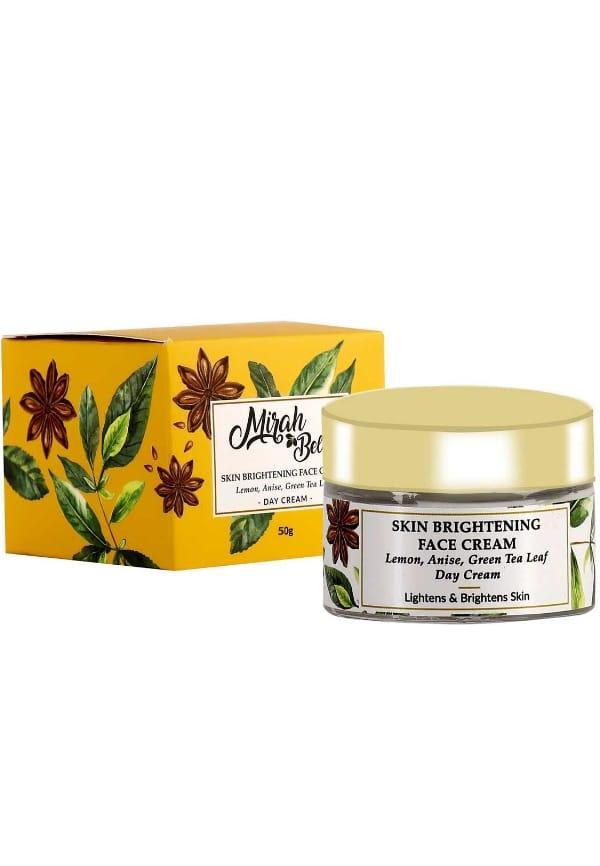
Lemon, Anise & Green Tea Leaf Skin Brightening Face Cream
Morning and evening routines might call for different formulations. A lighter eco-friendly moisturizer might work better under makeup during the day, whilst a richer formula can provide overnight repair.
If you're using multiple botanical skincare products, apply them from thinnest to thickest consistency. This ensures each product can penetrate properly without being blocked by heavier formulations.
The beauty of exploring plant-based skincare is that you don't have to commit to full-size products right away. Platforms like Smytten make it easy to try different formulations through curated trial packs, so you can discover what works for your skin without the financial commitment. With access to over 1,500 trusted brands and the ability to get up to 8 minis for just ₹249, you can experiment with various vegan moisturizer options until you find your perfect match.
A truly plant-based moisturiser contains ingredients derived exclusively from plants, avoiding synthetic chemicals, petroleum derivatives, and animal-derived components. Look for formulations that list botanical extracts, plant oils, and naturally derived preservatives as their primary ingredients.
Absolutely! Many plant-based ingredients have been scientifically proven to be as effective, if not more so, than their synthetic counterparts. Ingredients like hyaluronic acid can be plant-derived, and natural oils often provide superior nourishment compared to petroleum-based alternatives.
Yes, many plant-based moisturisers are excellent for acne-prone skin. Look for non-comedogenic plant oils like jojoba or grapeseed oil, and avoid heavy butters or essential oils that might clog pores or cause irritation.
For sensitive skin, choose fragrance-free formulations with minimal ingredients. Always patch test new products and look for moisturisers specifically formulated for sensitive skin. Ingredients like aloe vera and chamomile are generally well-tolerated.
Plant-based means the ingredients come from plants, whilst organic refers to how those plants were grown—without synthetic pesticides or fertilisers. A moisturiser can be plant-based without being organic, but organic products are always plant-based.
Choosing the right plant based face moisturizer doesn't have to be overwhelming once you understand your skin's needs and know what to look for in formulations. The key is finding that sweet spot between effective ingredients and gentle, sustainable practices that align with your values.
Remember that skincare is deeply personal—what works brilliantly for someone else might not be your cup of tea, and that's completely normal. The beauty of plant-based skincare is that there are so many gentle, effective options to explore. Whether you're drawn to botanical skincare for ethical reasons, environmental concerns, or simply because your skin responds better to natural ingredients, you're making a choice that benefits both you and the planet.
With Smytten's extensive range of trial-sized products from trusted brands, you can explore different vegan moisturizer options without the commitment of full-size purchases. This approach lets you discover what truly works for your skin whilst making more informed, confident choices about your skincare routine. After all, why settle for 'maybe' when you can try it all and find your perfect match?
