How to Choose the Best Oil Absorbing Face Masks


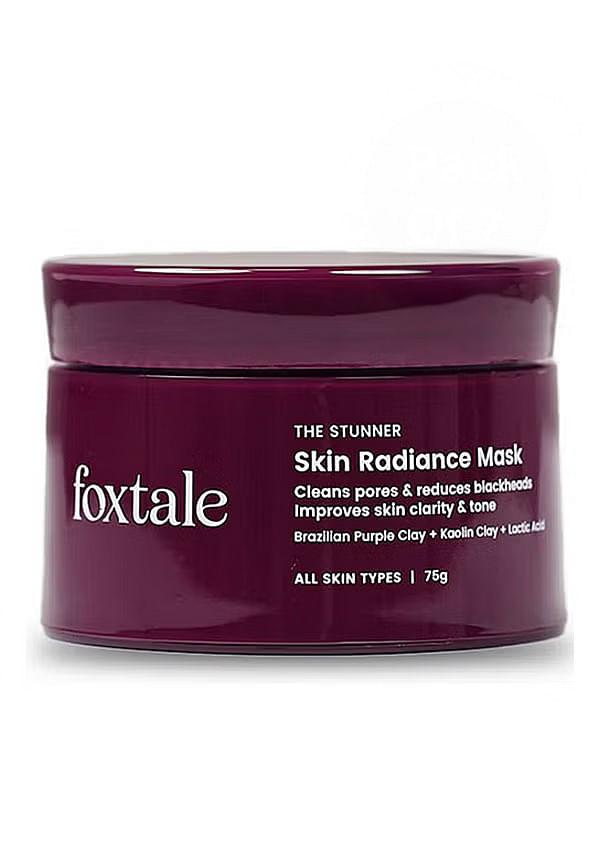
Skin Radiance Mask, New Age Ubtan and Clay Mask
Let's be real—dealing with oily skin can feel like a never-ending battle. One minute your face looks fresh, and the next, it's practically gleaming under the lights. If you've been scrolling through endless skincare content trying to figure out which oil absorbing face masks actually work, you're in the right place. Finding the perfect mask isn't just about grabbing whatever's trending on your feed—it's about understanding what your skin actually needs and choosing products that deliver real results without the drama.
Think of oil absorbing face masks as your skin's weekly reset button. These targeted treatments work by drawing excess sebum from your pores, temporarily tightening the skin, and giving you that fresh-faced glow you've been chasing. Unlike your daily cleanser that just skims the surface, these masks dive deeper to tackle the root of oiliness.
Your skin might be crying out for some oil control if you're dealing with a shiny T-zone by midday, enlarged-looking pores, or frequent breakouts. Face masks for oily skin aren't just about vanity—they're about maintaining healthy skin balance. When excess oil sits on your skin too long, it can mix with dead skin cells and bacteria, leading to clogged pores and those pesky blemishes that seem to appear at the worst possible times.
Here's what regular oil absorption can do for your skin:
Reduces the appearance of enlarged pores
Prevents buildup that leads to blackheads and whiteheads
Creates a smoother canvas for makeup application
Helps regulate sebum production over time
Improves overall skin texture and clarity
One major misconception? That oily skin doesn't need moisturiser. Wrong! Over-stripping your skin with harsh treatments can actually trigger more oil production. The goal is balance, not a desert-dry complexion that'll rebel against you later.
Not all masks are created equal, and knowing which type suits your skin can save you from a lot of trial and error. Let's break down the main players in the oil control game.
Clay masks for acne have been around forever for good reason—they work. Different clays offer different benefits, so here's your quick guide:
Bentonite clay is like a magnet for oil and impurities. It swells when mixed with water, creating a powerful drawing action that pulls sebum from deep within your pores. Perfect for those really oily days when you need serious intervention.
Kaolin clay is the gentler cousin—ideal if you have sensitive skin but still want oil control. It absorbs excess oil without being too aggressive, making it perfect for regular use.
French green clay sits somewhere in between, offering excellent oil absorption whilst providing minerals that can help improve skin texture over time.
Activated charcoal has become the poster child for deep cleansing face masks, and there's science behind the hype. Its porous structure acts like a sponge, absorbing oil, dirt, and toxins from your skin. These masks are particularly brilliant for urban dwellers dealing with pollution and environmental stressors.
Dead Sea mud and volcanic mud masks bring minerals to the party whilst absorbing oil. They're excellent for skin clarifying masks that do more than just oil control—they can help improve overall skin health and radiance.
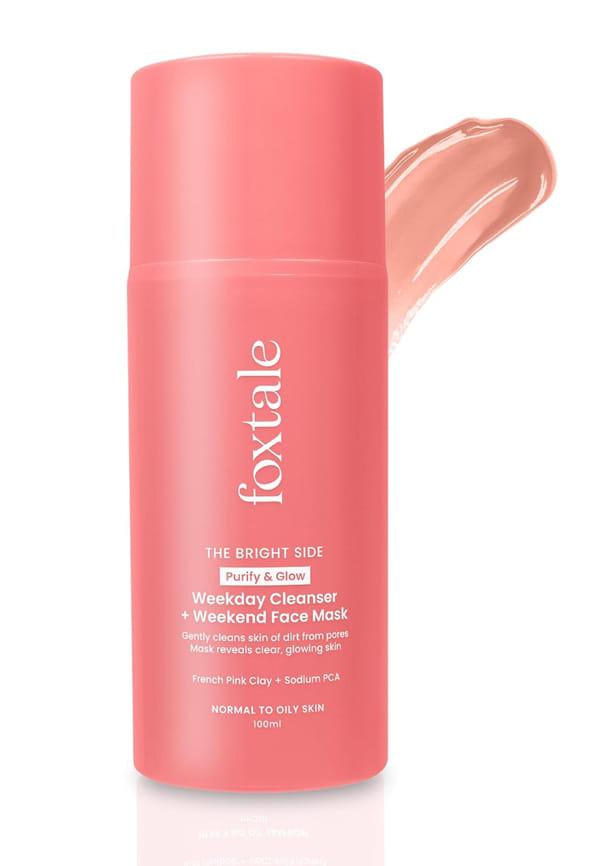
Purify & Glow Cleanser + Mask With French Pink Clay and Sodium PCA
If clay feels too intense for your skin, gel-based oil control face masks might be your match. They often contain ingredients like salicylic acid or niacinamide that work to regulate oil production rather than just absorbing what's already there.
Knowing what to look for on ingredient lists can transform your mask game. These powerhouse ingredients are worth seeking out in your mattifying face masks.
Salicylic acid is your BHA bestie. It's oil-soluble, meaning it can penetrate through sebum to clean out pores from the inside. Perfect for preventing those stubborn blackheads and keeping pores clear.
Niacinamide is the multitasker you didn't know you needed. It helps regulate oil production, minimises the appearance of pores, and can even help with post-acne marks. Look for concentrations between 2-5% for optimal results.
Sulfur might not smell amazing, but it's incredibly effective for oil absorption and has natural antimicrobial properties. It's particularly good in acne treatment masks for those dealing with active breakouts.
Tea tree oil brings antimicrobial benefits to the table, helping to keep acne-causing bacteria in check whilst providing gentle oil control.
Zinc oxide offers gentle oil absorption that's perfect for sensitive skin types who still need oil control without irritation.
Your skin's needs are unique, and your mask choice should reflect that. Here's how to match your mask to your main concerns.
When dealing with active breakouts, you want acne treatment masks that fight bacteria without causing more irritation. Look for ingredients like sulfur, tea tree oil, or low concentrations of salicylic acid. Avoid anything too harsh that might compromise your skin barrier—inflamed skin needs gentle but effective treatment.
Use these masks 1-2 times per week maximum. Your skin needs time to heal between treatments, and overdoing it can actually make acne worse.
Pore minimising masks work best when they combine oil absorption with gentle exfoliation. Clay masks with added BHAs are excellent for this, as they can clean out pores whilst temporarily tightening the skin for a smoother appearance.
Remember, you can't actually shrink pore size permanently, but you can definitely make them appear smaller by keeping them clean and your skin well-hydrated.
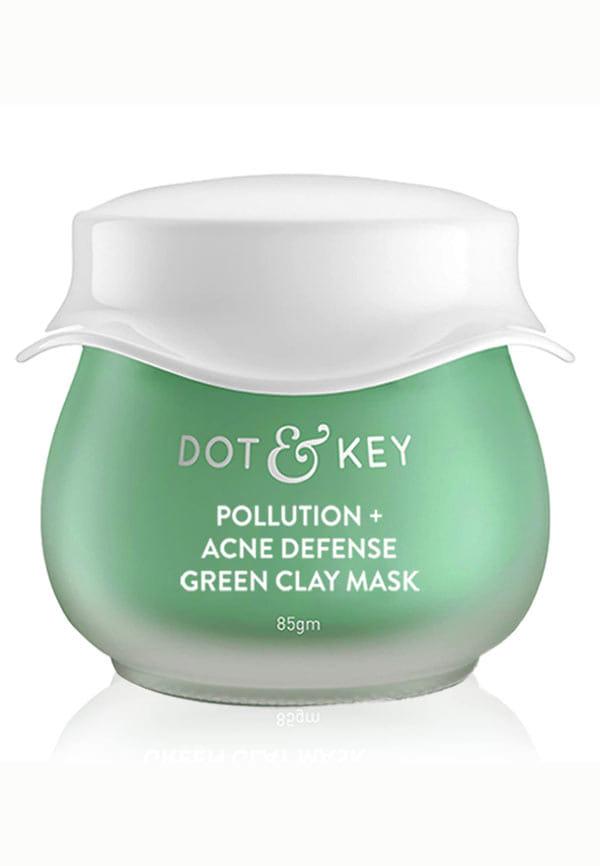
Cica & Salicylic French Green Clay Face Mask
The trickiest skin type to treat! You might need to use different approaches for different areas of your face. Apply oil-absorbing masks only to your T-zone whilst using a hydrating mask on drier areas, or look for facial masks for large pores that are gentle enough for all-over use.
Application technique can make or break your mask experience. Here's how to get the most from your deep cleansing face masks.
Prep your skin properly. Start with a gentle cleanser to remove surface dirt and makeup. If you're feeling fancy, a quick steam (even just leaning over a bowl of hot water with a towel over your head) can help open pores for deeper cleansing.
Apply evenly but strategically. You don't need a thick layer—a thin, even coat works better and dries more uniformly. Avoid the delicate eye area and be gentle around the lips.
Timing matters. Most masks work best when left on for 10-15 minutes. You want the mask to dry but not crack—if it's pulling uncomfortably at your skin, it's been on too long.
Remove gently. Use lukewarm water and gentle circular motions. Never peel off a mask that wasn't designed to be peeled—you could damage your skin barrier.
Follow up with care. Even after using an oil-absorbing mask, your skin needs moisture. Use a lightweight, non-comedogenic moisturiser to maintain your skin barrier.
Even the best oil control face masks won't work if you're making these common errors.
Using masks too frequently is probably the biggest mistake. More isn't always better—over-using oil-absorbing treatments can strip your skin, causing it to produce even more oil to compensate. Stick to 1-2 times per week unless the product specifically says otherwise.
Skipping moisturiser after mask use is another major no-no. Your skin needs hydration to function properly, even if it's naturally oily. Choose lightweight, gel-based moisturisers if traditional creams feel too heavy.
Using masks on active, inflamed acne can sometimes make things worse. If you have painful, red breakouts, focus on gentle, anti-inflammatory treatments instead of aggressive oil absorption.
Not patch testing new products is risky, especially if you have sensitive skin. Test any new mask on a small area first—your jawline is perfect for this.
Mixing too many active ingredients can lead to irritation. If your mask contains salicylic acid, don't follow up with a retinol treatment the same night. Give your skin time to process one treatment before adding another.
Finding the right blemish control masks often involves some experimentation, and that's where Smytten's trial approach becomes incredibly valuable. Instead of committing to full-size products that might not work for your skin, you can try mini versions from trusted brands like Dot & Key, Cetaphil, and others. With over 1,500 brands available and the ability to get up to 8 minis for just ₹249, you can test different formulations without the financial risk. Plus, with 100% cashback on trial purchases, discovering your perfect oil-absorbing mask becomes both affordable and rewarding.
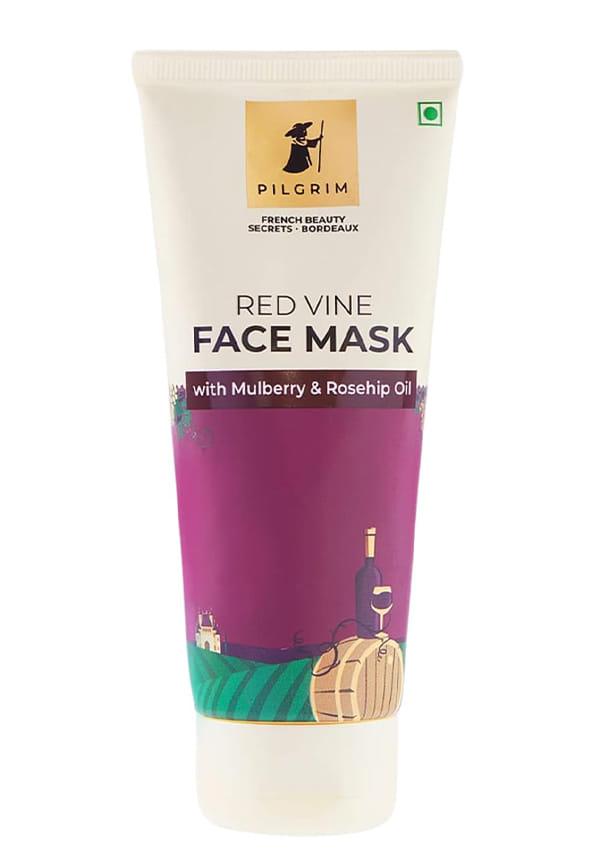
Red Vine Face Mask with Mulberry & Rosehip Oil
Most people benefit from using oil-absorbing masks 1-2 times per week. If you have very oily skin, you might be able to use them twice weekly, but start with once per week and see how your skin responds. Overuse can actually trigger more oil production.
Yes, but choose gentler clays like kaolin or look for masks specifically formulated for sensitive skin. Always patch test first and start with shorter application times. If you experience irritation, discontinue use.
Oil control masks focus primarily on absorbing excess sebum, whilst pore minimising masks often combine oil absorption with ingredients that temporarily tighten the skin. Many masks do both, but the primary focus determines the formulation.
Absolutely! Even oily skin needs hydration. Choose a lightweight, non-comedogenic moisturiser to maintain your skin barrier without adding unwanted heaviness.
They can help manage the oiliness that often accompanies hormonal acne, but they won't address the root hormonal cause. Use them as part of a comprehensive skincare routine, and consider consulting a dermatologist for persistent hormonal acne.
DIY masks can be effective but often lack the precise formulation and stability of commercial products. They're also harder to preserve safely. If you enjoy making your own, stick to simple ingredients and use them immediately.
Avoid harsh alcohols, artificial fragrances if you have sensitive skin, and overly aggressive combinations of acids. Also be cautious with essential oils, which can be irritating for some people.
You'll typically see immediate temporary results after one use—less oiliness and tighter-looking pores. For longer-term improvements in oil control and skin texture, give it 4-6 weeks of regular use.
Choosing the right oil absorbing face mask doesn't have to be overwhelming. Focus on understanding your skin's specific needs, start with gentler formulations, and be consistent with your routine. Remember, the best mask is one that you'll actually use regularly and that works with your skin, not against it.
The key to success lies in experimentation and patience. What works for your friend might not work for you, and that's completely normal. With platforms like Smytten, you can explore different brands and formulations without the commitment of full-size purchases. Whether you're drawn to clay masks, charcoal treatments, or gentle gel formulations, there's likely a perfect match waiting for you to discover it. After all, why settle for 'maybe' when you can try it all and find exactly what your skin loves?
