
Skincare
•07 min read

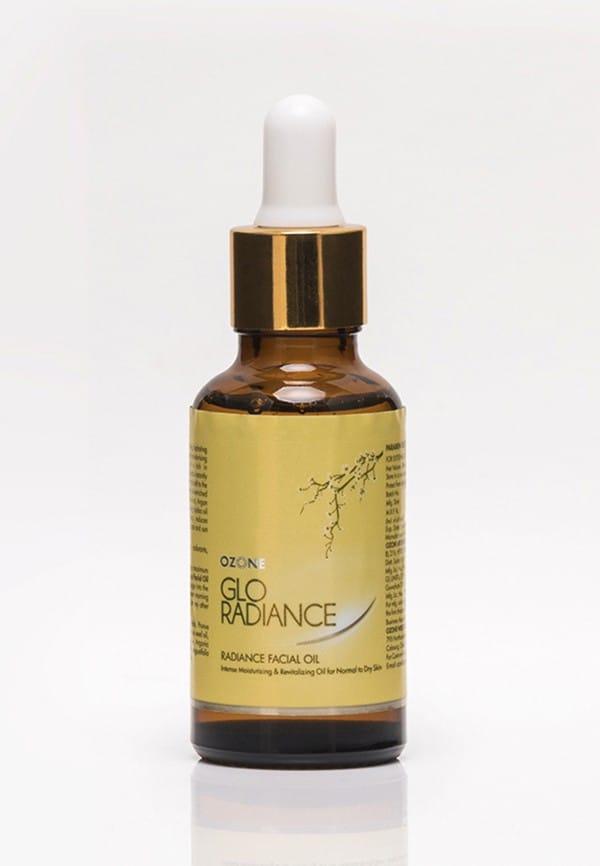
Glo Radiance Facial Oil
Let's be real—choosing the right natural moisturizing oils can feel like navigating a maze. With shelves packed with everything from argan to jojoba, how do you know which one's your kind of pick? The good news is that natural oils have been keeping skin happy for centuries, and once you understand the basics, finding your perfect match becomes way less overwhelming. Whether you're dealing with dry patches, oily zones, or sensitive skin that throws tantrums at the slightest provocation, there's definitely an oil out there that might just become your new skincare obsession.
Natural oils aren't just trendy—they're actually brilliant at what they do. Unlike synthetic moisturising ingredients that sit on top of your skin, these plant-powered heroes work with your skin's natural barrier to deliver deep, lasting hydration.
Think of natural oils as concentrated plant goodness extracted through methods like cold-pressing or steam distillation. There's a key difference between carrier oils (like sweet almond or coconut oil) and essential oils for skin—carrier oils can be used directly on your skin, while essential oils need to be diluted first. The beauty of natural moisturizing ingredients lies in their molecular structure, which often mimics your skin's own sebum, making them incredibly compatible with your natural skin barrier.
Here's where it gets interesting—oils don't just sit on your skin's surface. The smaller molecules penetrate deeper layers, while larger ones create a protective barrier that prevents water loss. This dual action means you get both immediate comfort and long-term skin hydration. It's like giving your skin a drink and a protective coat all at once.
Beyond basic moisturising, natural oils bring some serious perks to the table:
Deep nourishment that goes beyond surface-level hydration
Anti-ageing properties thanks to antioxidants and vitamins
Environmental protection against pollution and harsh weather
Cost-effectiveness—a little goes a long way
Versatility for both face and body use
Not all oils are created equal, and understanding the different categories helps you make smarter choices. Some oils are perfect for daily use, while others are better saved for intensive treatment sessions.
Face oils in this category absorb quickly and won't leave you looking like you've dunked your face in a chip pan. Jojoba oil is technically a wax ester that closely mimics your skin's natural sebum—genius, right? Squalane oil is another winner that's suitable for literally everyone, while rosehip seed oil brings vitamin C to the party. These work brilliantly under makeup or as part of your morning routine.
When your skin needs some serious TLC, these heavier hitters step up. Argan oil is packed with vitamin E and essential fatty acids, making it perfect for mature or damaged skin. Avocado oil is incredibly rich and ideal as an oil for dry skin, while sweet almond oil is gentle enough for sensitive skin but rich enough to tackle stubborn dry patches.
Got specific skin goals? These targeted organic oils might be worth a try. Pomegranate seed oil and sea buckthorn are brilliant for anti-ageing concerns, while calendula and chamomile-infused oils are perfect for sensitive or irritated skin. For acne-prone skin, tea tree oil blends and neem oil can help balance things out without over-drying.
This is where the magic happens—matching your skin's unique needs with the right oil. It's not about finding the 'best' oil overall, but finding the best oil for you.
Dry skin craves oils with larger molecular weights that create a protective barrier. Look for oils with occlusive properties that prevent water loss throughout the day. Coconut oil, olive oil, and shea butter blends are your friends here. These best moisturizing oils work by creating a seal that locks in moisture while delivering essential fatty acids that repair and strengthen your skin barrier.
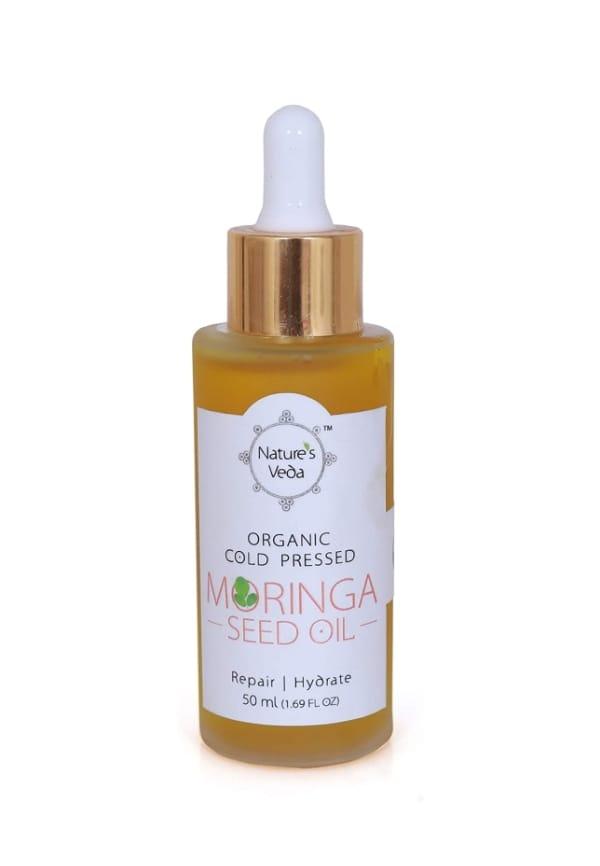
Moringa Seed oil
Contrary to popular belief, oily skin can absolutely benefit from oils—you just need to choose wisely. Non-comedogenic oils have a comedogenic rating of 0-2 on a scale of 0-5, meaning they won't clog your pores. Jojoba, squalane, and rosehip seed oil are excellent choices that can actually help balance your skin's oil production rather than adding to the problem.
Sensitive skin needs oils that soothe rather than irritate. Look for hypoallergenic options with anti-inflammatory properties. Calendula oil, chamomile oil, and sweet almond oil are typically well-tolerated. Always patch test new oils on a small area first—your inner wrist is perfect for this.
Got an oily T-zone but dry cheeks? You're not alone. The trick is using different oils for different areas or finding a lightweight oil that works everywhere. You might use a richer oil on dry areas and a lighter, non-comedogenic option on oily zones. Seasonal adjustments are also key—your skin's needs change with the weather.
Not all oils are created equal, and knowing what to look for ensures you're getting the real deal. Quality matters when it comes to effectiveness and safety.
Organic certification means the oil comes from plants grown without synthetic pesticides or fertilisers. Look for USDA Organic or similar certifications. Cold-pressed oils retain more nutrients than refined versions, though they may have shorter shelf lives. Third-party testing for purity is also a good sign—it means the brand cares about what's actually in the bottle.
Ethical sourcing isn't just good for the planet—it often means better quality oils too. Fair trade certifications ensure farmers are paid fairly, while sustainable harvesting practices protect the environment. Some oils, like argan oil, support women's cooperatives in Morocco, making your skincare routine a force for good.
Proper storage keeps your oils fresh and effective. Most oils should be stored in cool, dark places away from direct sunlight. Signs of rancidity include a musty smell, change in colour, or unusual texture. Generally, lighter oils have shorter shelf lives than heavier ones, so buy smaller quantities if you're not using them daily.
Having the right oil is only half the battle—knowing how to use it properly makes all the difference. The good news is that once you get the hang of it, oil application becomes second nature.
Less is definitely more with oils. Start with 2-3 drops for your face and work up if needed. Apply to slightly damp skin for better absorption—this helps the oil spread more easily and locks in extra moisture. For body oils, apply to damp skin right after showering for maximum hydration benefits.
Warm the oil between your palms before applying—this helps it spread more evenly and feel more comfortable on your skin. Gentle upward massage motions not only feel lovely but also boost circulation and help the oil penetrate better. If you're layering with other natural skin care products, apply oil last in your evening routine or before SPF in the morning.
Once you're comfortable with single oils, blending can be fun and effective. Mix heavier oils with lighter ones to create your perfect consistency, or add a drop of essential oil for aromatherapy benefits. Start with small batches—a 10ml bottle is perfect for experimenting. Remember, when adding essential oils for skin, less is more—typically 1-2 drops per 10ml of carrier oil.
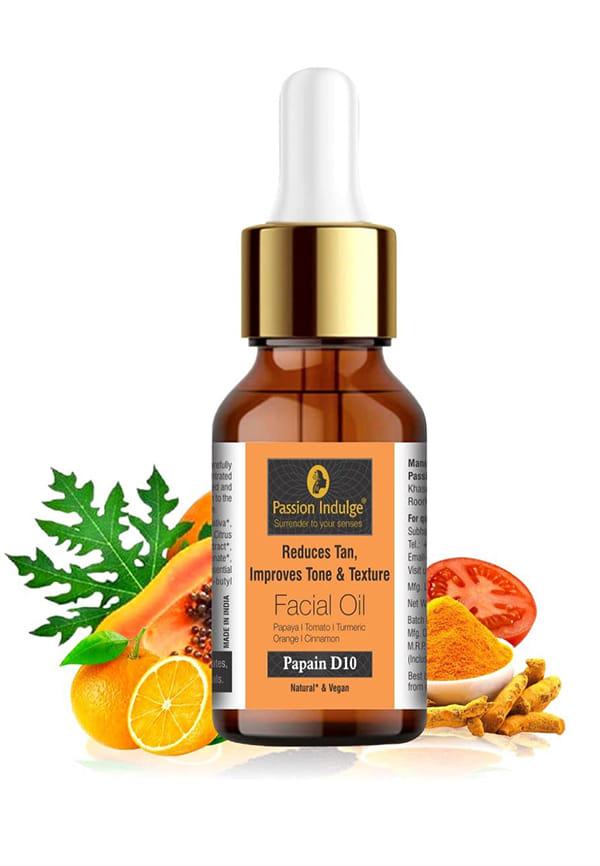
Papain D10 Facial Oil
Even the best intentions can go wrong without the right knowledge. Here are the most common pitfalls and how to avoid them.
If your skin feels greasy hours after application, you're probably using too much. Start small and build up gradually. Also, be mindful of mixing oils with certain actives like retinol or acids—some combinations can cause irritation. When in doubt, use oils in your evening routine and give your skin time to adjust.
Suspiciously cheap oils, especially expensive varieties like argan or rosehip, might be diluted or adulterated. If an oil causes persistent redness, burning, or breakouts, discontinue use immediately. Trust your skin—if something doesn't feel right, it probably isn't.
This is where platforms like Smytten become incredibly valuable. With over 1,500 trusted brands and the ability to try products through trial packs before committing to full sizes, you can explore different natural moisturizing oils without the fear of wasting money on products that don't work for your skin. Getting up to 8 minis for just ₹249 with 100% cashback makes discovering your perfect oil blend both affordable and risk-free.
Absolutely! The right oils can actually help balance your skin's natural oil production. Look for lightweight, non-comedogenic oils like jojoba or squalane that won't clog pores.
Most people benefit from once or twice daily application. Dry skin might need twice-daily use, while oily skin often does well with just evening application.
Most essential oils need dilution in carrier oils before skin application. Pure essential oils can cause irritation or sensitisation, so always dilute them properly.
Face oils are typically lighter and more refined for delicate facial skin, while body oils can be heavier and more occlusive since body skin is generally less sensitive.
Most people notice improved skin hydration within 1-2 weeks, with optimal benefits appearing after 4-6 weeks of consistent use.
Yes! Blending compatible oils creates customised solutions for specific skin needs. Start with small amounts to test compatibility before making larger batches.
Finding your perfect natural moisturizing oils doesn't have to be overwhelming. Start with your skin type, consider your specific concerns, and don't be afraid to experiment with different options. Remember, what works for your friend might not work for you, and that's completely normal. The key is patience and consistency—give each oil at least a few weeks to show its true potential.
With Smytten's extensive range of skincare brands and trial-friendly approach, discovering your ideal oil becomes an exciting journey rather than an expensive gamble. Whether you're drawn to lightweight face oils for daily use or rich body oils for intensive hydration, the platform's trial packs let you explore options from trusted brands without the commitment. After all, why settle for maybe when you can try different oils and find the ones that truly work for your unique skin? Your perfect natural skin care routine is just a few trials away.
