How to Choose the Best Moisturiser for Dry Skin


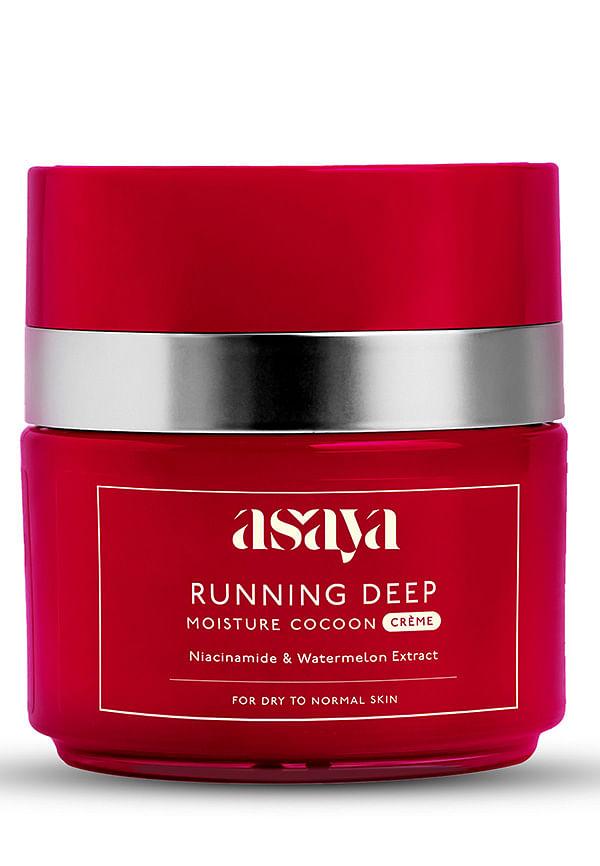
Moisture Cocoon Creme
Loved Lightweight Moisturizer
 5
5“It is a very light weight moisturizer I love this”
Positive Product Feedback
5“Nice product...................”
Good Texture
5“This is my third bottle its has good texture”
Winter's here, and if your skin feels like it's staging a protest against the cold, you're not alone. That trusty moisturiser that worked brilliantly all summer? It's probably leaving you high and dry now. Finding the right moisturiser for dry skin winter care isn't just about grabbing the thickest cream on the shelf—it's about understanding what your skin actually needs when temperatures drop and heating systems kick in. Let's dive into everything you need to know about choosing a winter skincare hero that'll keep your skin happy, hydrated, and glowing through the chilly months.
Real talk: winter is basically your skin's nemesis. The cold air outside has virtually no humidity, which means it's constantly pulling moisture from your skin. Then you step indoors, and the heating systems are doing the exact same thing. It's like your poor skin is caught in a moisture-sucking sandwich.
Here's what's actually happening: when humidity drops below 60%, your skin starts losing water faster than it can replace it. Your natural skin barrier—made up of lipids and proteins—starts breaking down, creating tiny gaps where moisture escapes. This is why your usual hydrating lotion might suddenly feel like it's doing absolutely nothing.
The signs are pretty obvious once you know what to look for. Your skin feels tight after washing, you're dealing with flaky patches, and that foundation that used to glide on smoothly now clings to every dry spot. If you're constantly reapplying lip balm and your hands feel like sandpaper, your current routine definitely needs a winter upgrade.
Not all moisturisers are created equal, especially when it comes to winter skincare. The key is finding formulas packed with ingredients that don't just sit on top of your skin but actually work to repair and protect your skin barrier.
Hyaluronic acid is your skin's best friend during winter. This ingredient can hold up to 1,000 times its weight in water, which means it's basically a moisture magnet. Look for it in serums or intense moisturiser formulas for maximum impact.
Ceramides are the building blocks your skin barrier needs. They fill in those gaps we mentioned earlier, creating a protective seal that keeps moisture in and irritants out. Glycerin works differently—it's a humectant that draws moisture from the environment straight to your skin.
Niacinamide is the multitasker you didn't know you needed. It reduces water loss, calms inflammation, and even helps your skin produce more of its own natural moisturising factors.
When your skin is seriously parched, sometimes you need the heavy-duty stuff. Shea butter is incredible for extremely dry areas—it's rich, nourishing, and has anti-inflammatory properties that soothe irritated skin.
Jojoba oil is technically a wax ester that mimics your skin's natural sebum, making it perfect for all skin types. Squalane gives you intensive hydration without the greasy feeling, which is brilliant if you're worried about clogged pores.
Your face and body have different needs, and winter makes this even more obvious. The skin on your face is thinner and more sensitive, whilst your body can handle richer, more occlusive formulas.
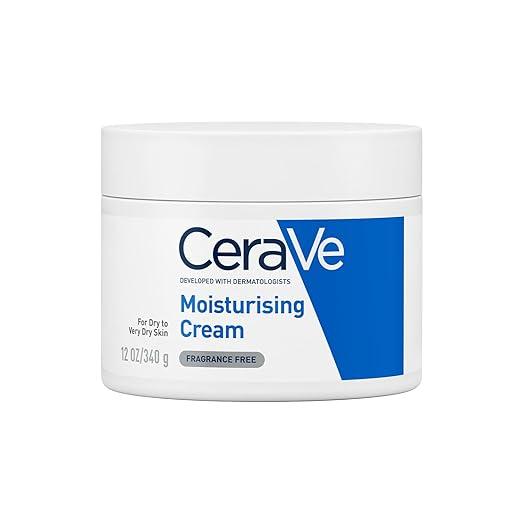
For skin that feels seriously dry, tight, or rough through winter, a richer cream can make more sense than a lightweight lotion. CeraVe Moisturizing Cream fits well here because it is made for dry to very dry skin and can be used on both the face and body. The formula brings together three essential ceramides and hyaluronic acid, which means it doesn’t just add moisture on the surface, it also supports the skin barrier so hydration stays locked in for longer. Since it is fragrance-free and non-comedogenic, it works especially well for people who want a dependable dry skin cream without that heavy, greasy feel.
For your face, you want something that provides serious hydration without causing breakouts. Look for a face moisturiser that's non-comedogenic but still rich enough to combat winter dryness. Gel-cream hybrids work brilliantly here—they give you the hydration of a cream with the lightweight feel of a gel.
If you're dealing with both dryness and breakouts (the worst combination), opt for formulas with niacinamide or hyaluronic acid. These ingredients hydrate without adding oil that could clog pores.
Your body can handle much richer formulas, so this is where body butter really shines. These thick, luxurious creams are perfect for areas like elbows, knees, and heels that tend to get extra dry in winter.
For daily use, a good dry skin cream with ingredients like urea or lactic acid can help gently exfoliate whilst moisturising. Apply it to slightly damp skin for better absorption—this technique is called wet skin moisturising, and it's a game-changer.
Choosing the best moisturiser for winter doesn't have to be overwhelming. Start by honestly assessing your skin's current state and what it needs most.
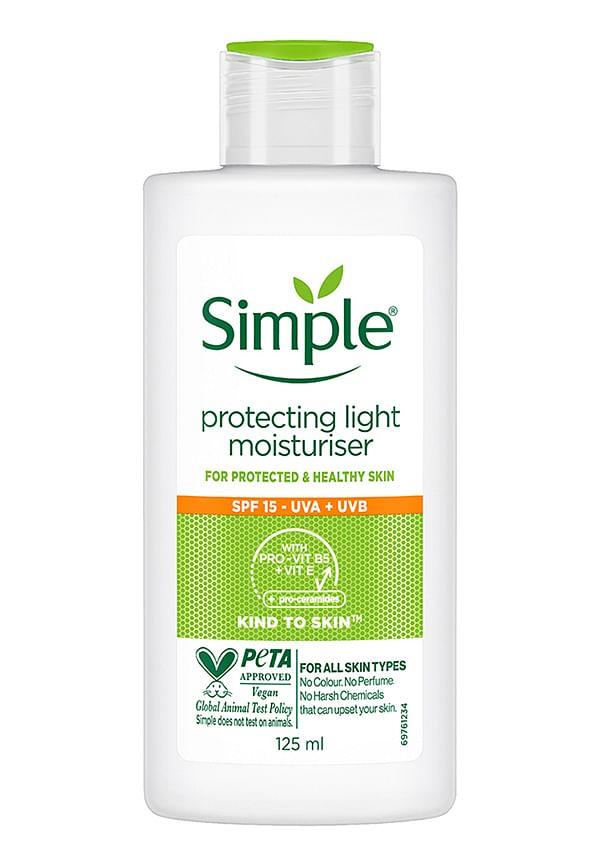
Kind To Skin Protecting Light Moisturiser
Good Cream for Summers
5“Very good cream good for summers also”
Hydrating & Efficient
5“I liked it it really hydrated the skin with a very less amount of it.”
Good for Oily Skin
4“good product received and it's good for combination and oily skin.”
Is your skin mildly dry or feeling like the Sahara desert? Mildly dry skin might just need a richer version of your current moisturiser, whilst severely dry skin needs intensive repair formulas with multiple hydrating ingredients.
Consider your lifestyle too. If you're constantly moving between heated indoor spaces and cold outdoor air, you'll need something more protective than someone who works from home.
Creams are generally richer than lotions and better for winter, but the texture should still feel comfortable on your skin. If you hate the feeling of heavy products, look for fast-absorbing creams or lightweight oils that sink in quickly.
Balms are the heaviest option and work brilliantly for overnight treatment or extremely dry patches. Think of them as intensive care for your skin.
Having the right products is only half the battle—you need to use them correctly for maximum skin hydration. Timing and technique make a huge difference in how well your moisturiser performs.
The best time to moisturise is within three minutes of washing your face or showering, whilst your skin is still slightly damp. This traps extra moisture and helps your moisturiser work more effectively.
If you're using multiple products, apply them from thinnest to thickest consistency. Serum first, then moisturiser, then any oils or balms for extra dry areas.
Don't just slap on your moisturiser and call it a day. Use gentle upward strokes on your face and circular motions on your body. Take extra time with areas that tend to get dry—around your nose, between your eyebrows, and definitely your hands and feet.
For your body, use more product than you think you need. Most people under-apply body moisturiser, which is why they don't see the results they want.
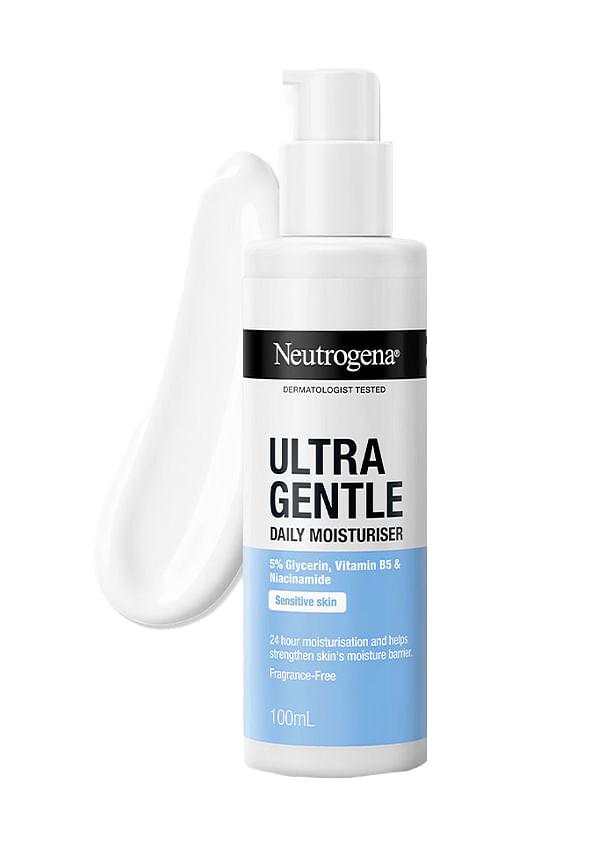
Ultra Gentle Daily Moisturiser
Even with the best intentions, it's easy to make mistakes that sabotage your dryness relief efforts. The biggest one? Using the same products year-round. Your skin's needs change with the seasons, and your routine should too.
Another major mistake is applying moisturiser to completely dry skin. Always apply to slightly damp skin for better absorption and effectiveness. And please, don't forget about often-missed areas like your neck, behind your ears, and between your toes.
Over-exfoliating is also a winter skincare sin. When your skin is already compromised, aggressive scrubbing just makes things worse. Stick to gentle chemical exfoliants once or twice a week, max.
The best winter moisturiser combines humectants like hyaluronic acid with occlusive ingredients like ceramides or shea butter. Look for creams rather than lotions, and choose formulas specifically designed for dry or sensitive skin. The key is finding something rich enough to combat winter's harsh conditions without feeling heavy or greasy.
For winter body care, opt for rich creams or body butters with ingredients like shea butter, glycerin, and ceramides. Apply immediately after showering to damp skin for maximum absorption. Areas like elbows, knees, and heels may need extra attention with thicker balms or overnight treatments.
Extremely dry skin needs intensive repair formulas with multiple hydrating ingredients. Look for products containing urea, lactic acid, or glycolic acid for gentle exfoliation, combined with heavy-duty moisturisers like lanolin or petrolatum. Consider using an overnight treatment or sleeping mask for extra hydration.
Most people need to moisturise twice daily in winter—morning and evening. However, if you're dealing with severe dryness, you might need to reapply throughout the day, especially on hands and lips. Listen to your skin and adjust accordingly.
Finding the right moisturiser for dry skin winter care is all about understanding what your skin needs and choosing products with the right ingredients. Don't be afraid to switch up your routine when the seasons change—your skin will thank you for it.
Remember, the best moisturiser is one that you'll actually use consistently. Whether you prefer lightweight gels or rich creams, the key is finding something that feels good on your skin and provides the hydration you need. With platforms like Smytten, you can try different formulas through curated trial packs before committing to full-size purchases. This lets you explore various brands and find what works best for your skin without the risk of wasting money on products that don't suit you. After all, why settle for 'maybe' when you can try it all and find your perfect winter skincare match?
