How to Choose the Best Hydrating Serum Today
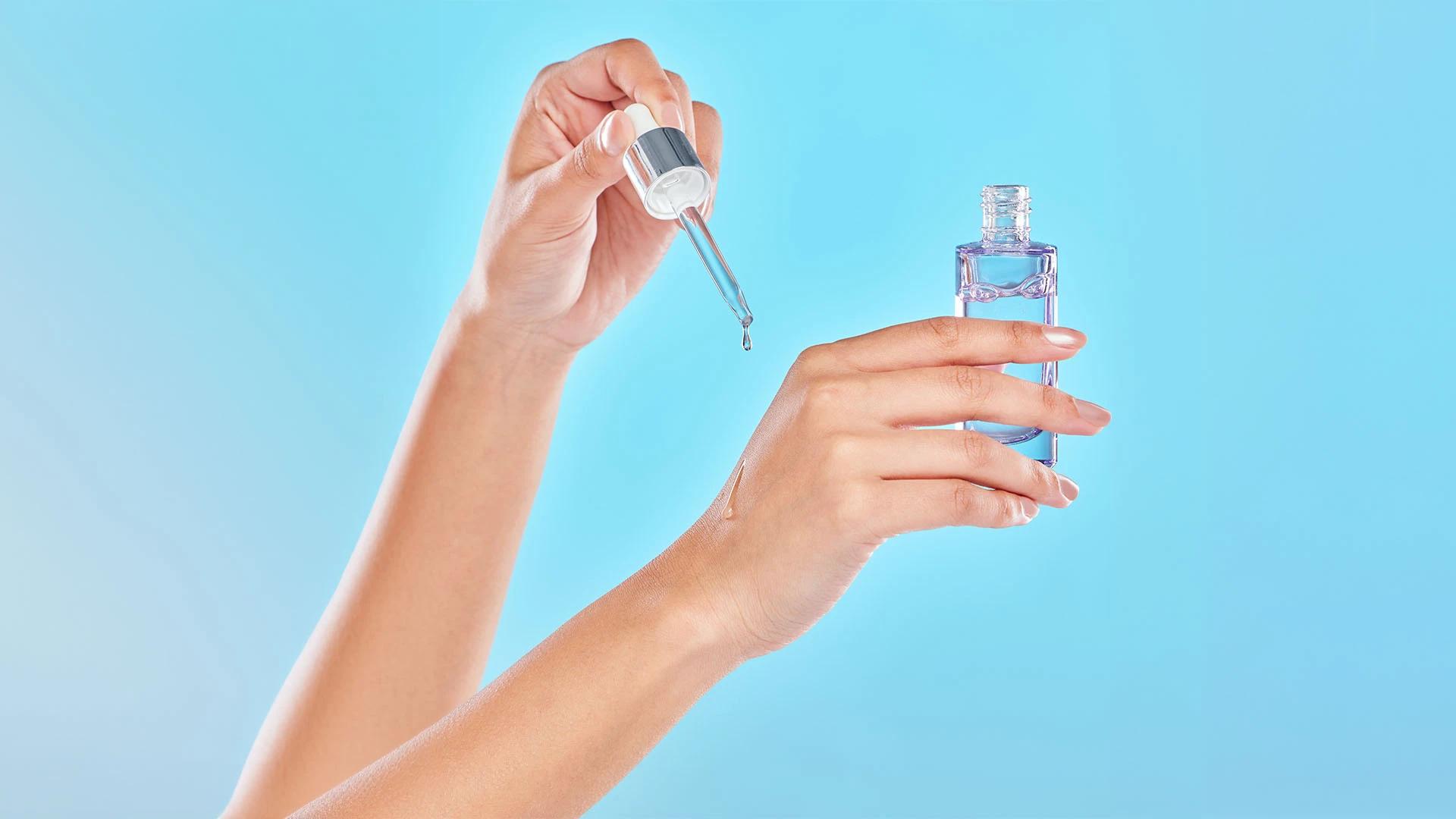

Let's be real—finding the perfect hydrating serum can feel like searching for a needle in a haystack. With countless options promising to transform your skin overnight, it's easy to get overwhelmed. But here's the thing: hydrating serums for all skin types do exist, and choosing the right one doesn't have to be rocket science. Whether you're dealing with parched skin that drinks up moisture like a sponge or you're just looking to give your complexion that extra glow, understanding what makes a serum truly effective is your first step to skincare success. The key lies in knowing your skin's unique needs and matching them with the right ingredients and formulation.
Hydrating serums have become the holy grail of modern skincare, and for good reason. These lightweight, concentrated formulas pack a serious punch when it comes to delivering moisture deep into your skin layers. Unlike traditional moisturisers that primarily work on the surface, skin hydration products like serums contain smaller molecules that can penetrate deeper, making them incredibly effective for addressing dehydration at its source.
The magic of serums lies in their molecular structure. These formulations typically contain water-based ingredients with smaller molecular weights, allowing them to slip past your skin's natural barrier more easily than heavier creams. This means faster absorption and more targeted delivery of active ingredients where your skin needs them most.
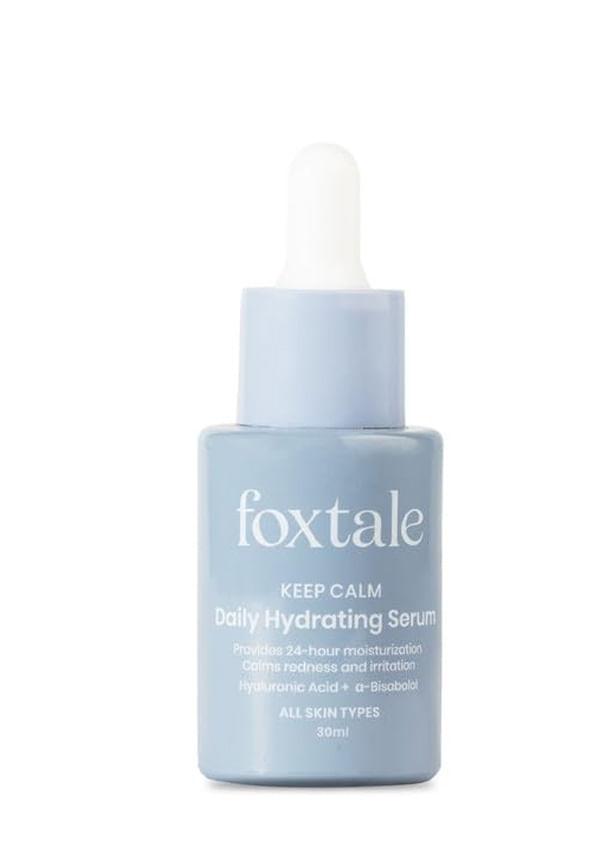
Hydrating Serum with Hyaluronic Acid and Bisabolol
Here's where it gets interesting—hydrating serums for all skin types work because dehydration isn't the same as having dry skin. Even oily skin can be dehydrated, leading to that tight, uncomfortable feeling despite excess sebum production. Serums address this by providing lightweight hydration without clogging pores or adding unnecessary heaviness.
The best hydrating serums contain a cocktail of moisture-binding ingredients. Look for humectants like hyaluronic acid and glycerin that draw water to your skin, emollients that smooth and soften, and occlusives that help lock everything in place.
When hunting for the best hydrating serum, ingredients are everything. Think of them as the supporting cast in your skincare routine—each one playing a crucial role in keeping your skin plump, smooth, and glowing. The trick is knowing which ingredients work best for your specific concerns and how they interact with each other.
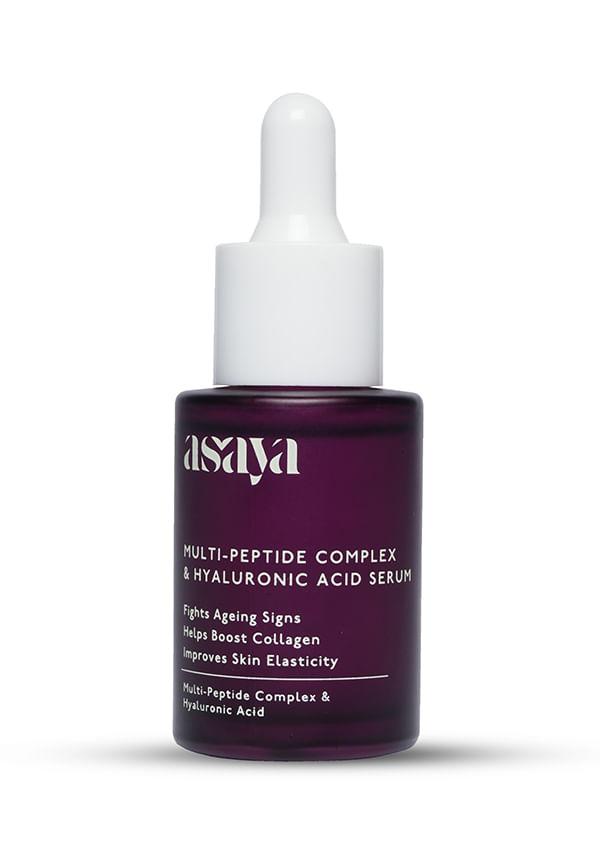
Multi-Peptide Complex & Hyaluronic Acid Face Serum
If there's one ingredient that deserves a standing ovation in the hydration world, it's hyaluronic acid. A quality hyaluronic acid serum can hold up to 1,000 times its weight in water, making it the ultimate moisture magnet. This powerhouse ingredient works by drawing moisture from the environment and deeper skin layers to the surface, creating that coveted plump, dewy look.
Your skin barrier is like a protective wall, and when it's compromised, moisture escapes faster than you can replace it. Skin barrier repair serum formulations often include ceramides and peptides that help rebuild and strengthen this crucial defence system, ensuring your hydration efforts actually stick around.
For those leaning towards cleaner beauty, natural hydrating serum options featuring glycerin, squalane, and botanical extracts offer gentle yet effective hydration. These ingredients work harmoniously with your skin's natural processes, providing moisture without irritation or sensitivity.
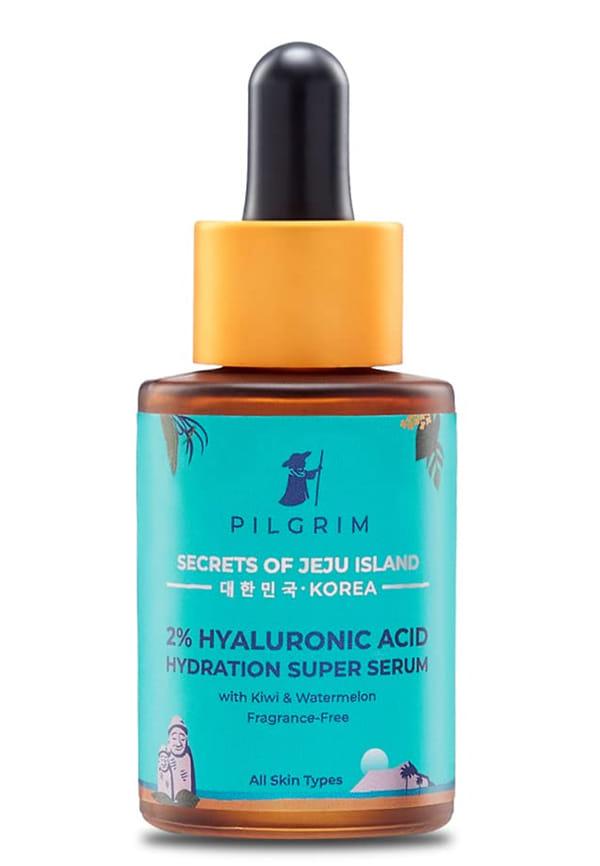
2% Hyaluronic Acid Hydration Super Serum With Kiwi & Watermelon Extracts
Why not multitask? The best anti-aging serum formulations combine hydrating properties with ingredients like vitamin C and niacinamide that address fine lines, uneven tone, and texture issues. It's like getting two treatments in one bottle.
Choosing the perfect face serum for dry skin requires understanding the difference between dry and dehydrated skin—they're not the same thing, though they often get lumped together. Dry skin lacks oil, while dehydrated skin lacks water. This distinction is crucial because it determines which type of serum for dehydrated skin will actually solve your problem rather than just temporarily mask it.
Dry skin feels rough and may flake, whilst dehydrated skin feels tight and looks dull. Dehydrated skin might even produce more oil to compensate for water loss. Understanding which category you fall into helps you choose ingredients that address the root cause.
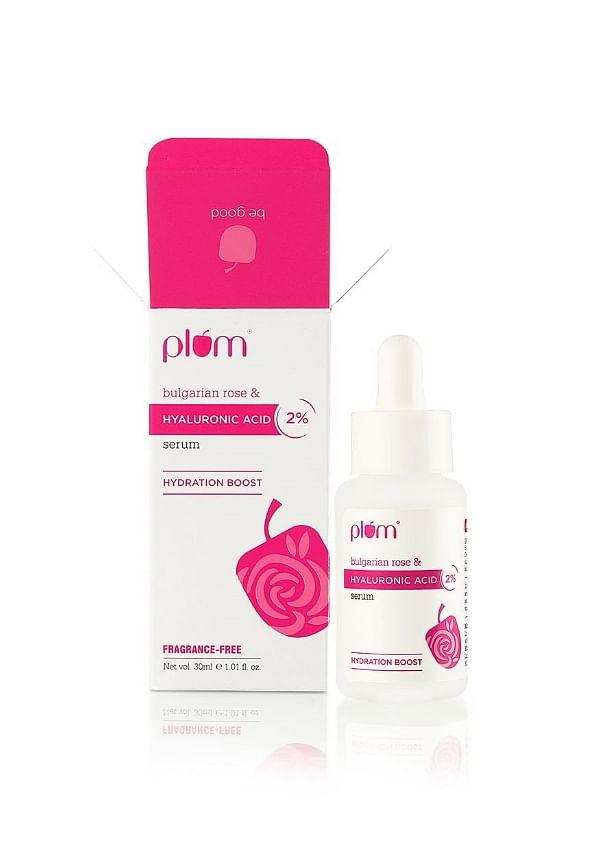
2% Hyaluronic Acid Serum with Bulgarian Rose
Texture matters more than you might think. Lightweight, gel-based serums work brilliantly for oily or combination skin, whilst slightly richer formulations suit those with naturally dry skin types. The key is finding that sweet spot where the serum absorbs quickly without leaving residue.
The most effective serums combine multiple hydrating mechanisms. Look for formulations that pair humectants with emollients and include barrier-supporting ingredients. This multi-pronged approach ensures comprehensive hydration that lasts.
Not all hydrating ingredients play nicely with sensitive skin. Fragrances, certain alcohols, and some botanical extracts can cause irritation, counteracting the benefits of hydration. Always patch test new products and opt for fragrance-free formulations if you're prone to sensitivity.
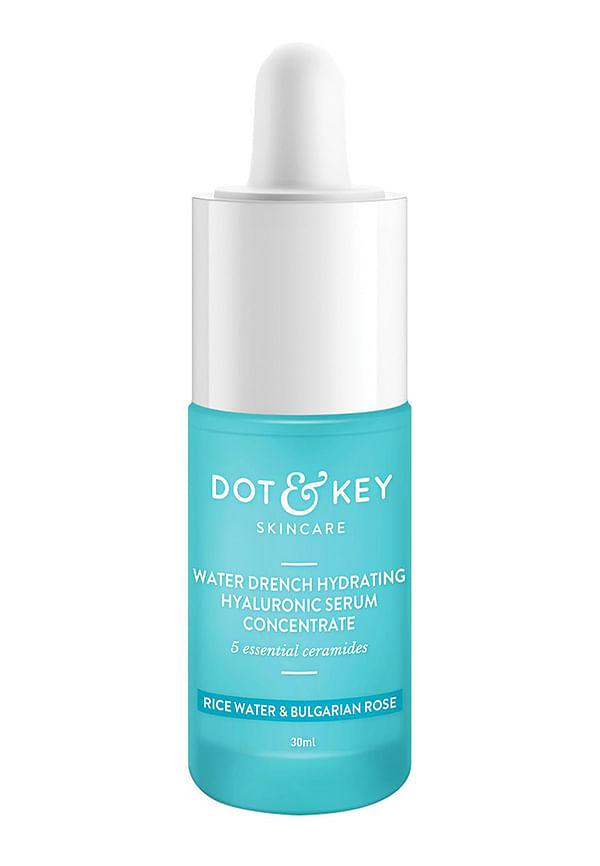
Water Drench Hydrating Hyaluronic Serum Concentrate
Understanding moisturising serum benefits helps set realistic expectations and ensures you're using your products correctly. The truth is, whilst serums can work quickly, the most dramatic improvements happen over time with consistent use. Think of it as a marathon, not a sprint—your skin will thank you for the patience.
You might notice your skin feels softer and looks more radiant within days of starting a new hydrating serum. However, deeper improvements like reduced fine lines, improved texture, and enhanced barrier function typically take 4-6 weeks of consistent use to become apparent.
Well-hydrated skin reflects light better, creating that natural glow everyone's after. Hydrating serums help smooth rough patches, minimise the appearance of pores, and create a more even skin tone by ensuring optimal cellular function.
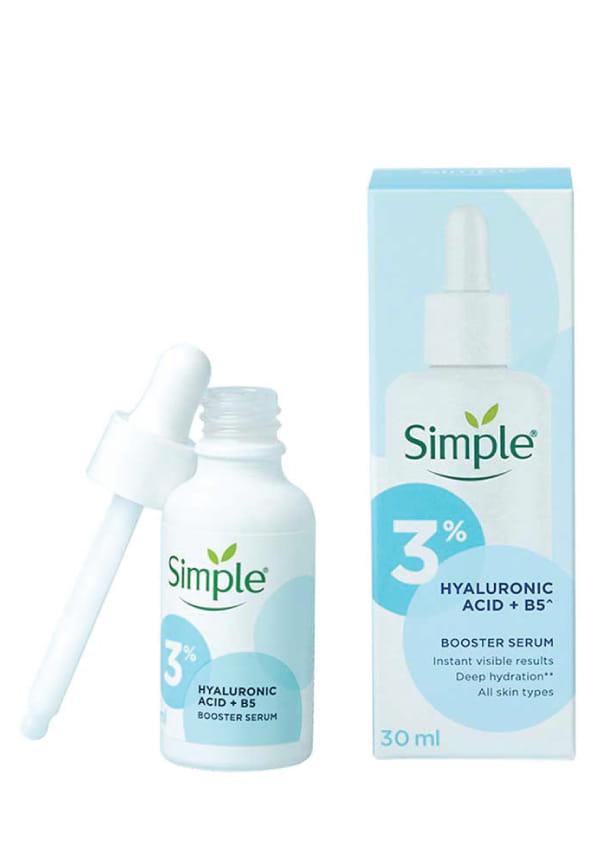
Booster Serum 3% Hyaluronic Acid + B5 For Deep Hydration
Hydrated skin absorbs other skincare products more effectively. When you use a hydrating serum as your base layer, subsequent products like treatments and moisturisers can penetrate better and work more efficiently.
Dehydrated skin shows signs of ageing more quickly. Fine lines appear more pronounced, and skin loses its bounce and elasticity. Regular use of hydrating serums helps maintain skin's youthful appearance by keeping cells plump and healthy.
You don't need to break the bank to achieve great skin. The beauty industry wants you to believe that expensive equals effective, but plenty of affordable hydrating serum options deliver impressive results. The secret lies in knowing what to look for and where to find it.
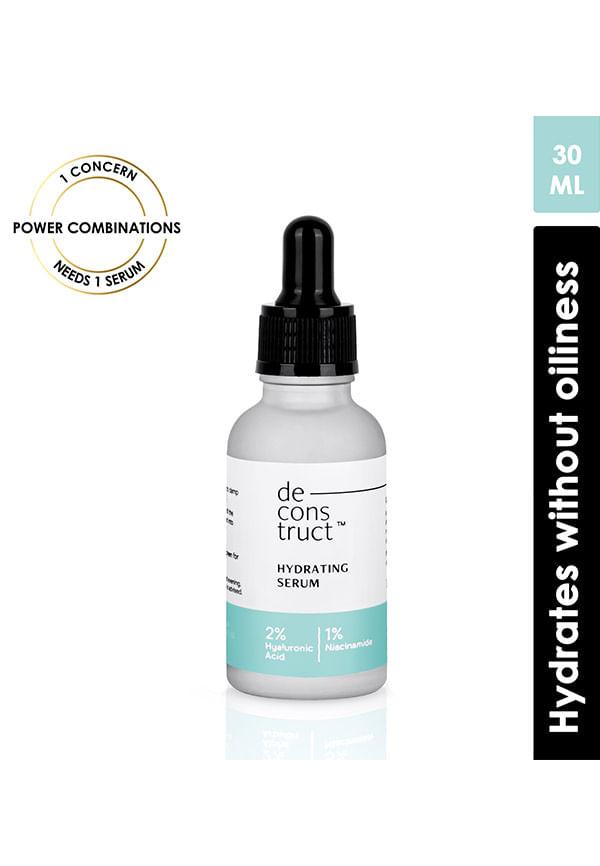
Hydrating Serum Hyaluronic Acid + 1% Niacinamide
Ingredient concentration, packaging that protects actives from light and air, and proven formulations matter more than fancy marketing or premium pricing. A simple serum with high-quality hyaluronic acid can outperform expensive alternatives loaded with unnecessary additives.
Many drugstore brands use the same ingredient suppliers as luxury brands. The difference often lies in packaging, marketing, and additional "feel-good" ingredients that don't necessarily improve efficacy. Focus on the active ingredients list rather than the price tag.
Calculate the cost per use rather than just the upfront price. A ₹800 serum that lasts three months offers better value than a ₹400 serum that's finished in four weeks. Consider concentration levels and recommended usage amounts when comparing options.
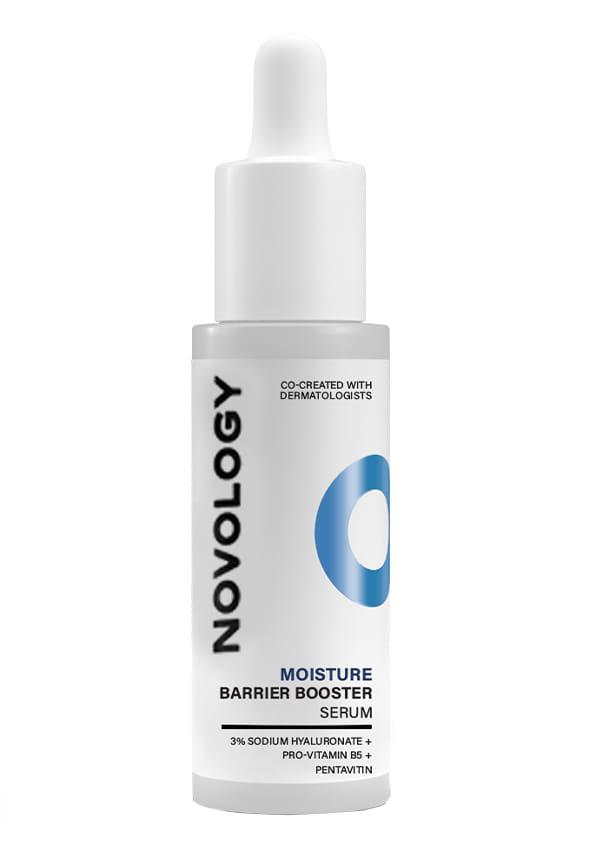
Moisture Barrier Serum, Hydrating Face Serum with Hyaluronic Acid
This is where platforms like Smytten become invaluable. Instead of committing to full-size products that might not work for your skin, you can try curated trial packs from trusted brands. With over 1,500 brands available and the ability to get up to 8 minis for just ₹249, you can experiment with different hydrating serums without the financial risk.
Even the best serum won't deliver results if you're not using it correctly. Application technique, timing, and layering order can make or break your hydration routine. Let's break down the do's and don'ts to ensure you're getting the most bang for your buck.
Apply hydrating serums to clean, slightly damp skin for better absorption. The general rule is thinnest to thickest consistency, so serums typically go on after cleansing and toning but before moisturiser and sunscreen. Use gentle patting motions rather than rubbing to avoid irritation.
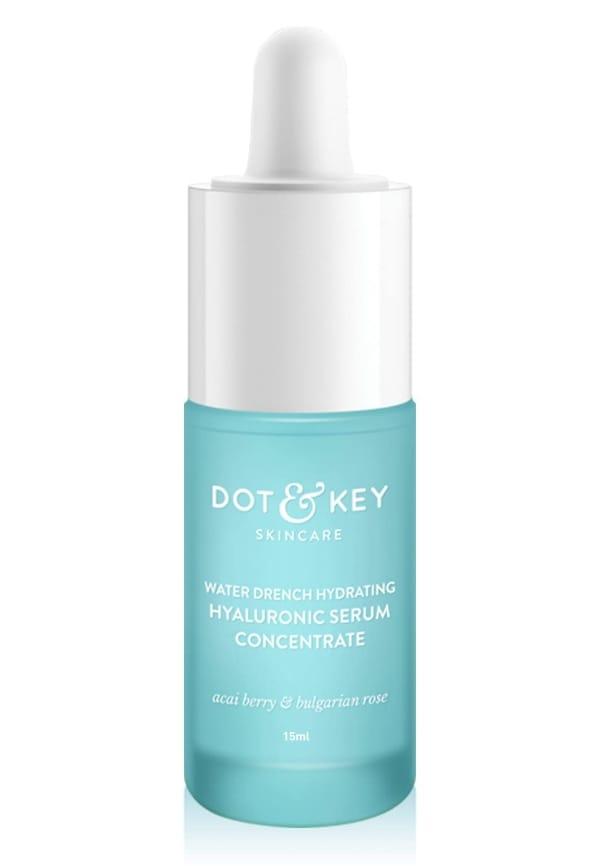
Water Drench Hydrating Hyaluronic Serum Concentrate
If you're using multiple serums, apply the most hydrating one first, followed by treatment serums with actives like vitamin C or retinol. Wait 30-60 seconds between layers to allow proper absorption. Remember, more isn't always better—your skin can only absorb so much at once.
Using too much product, applying to completely dry skin, or rushing through your routine can all reduce effectiveness. A few drops are usually sufficient, and taking time between steps ensures each product can work properly.
Your hydration needs change with the weather. You might need richer formulations during winter months and lighter textures during humid summer weather. Pay attention to how your skin feels and adjust accordingly.
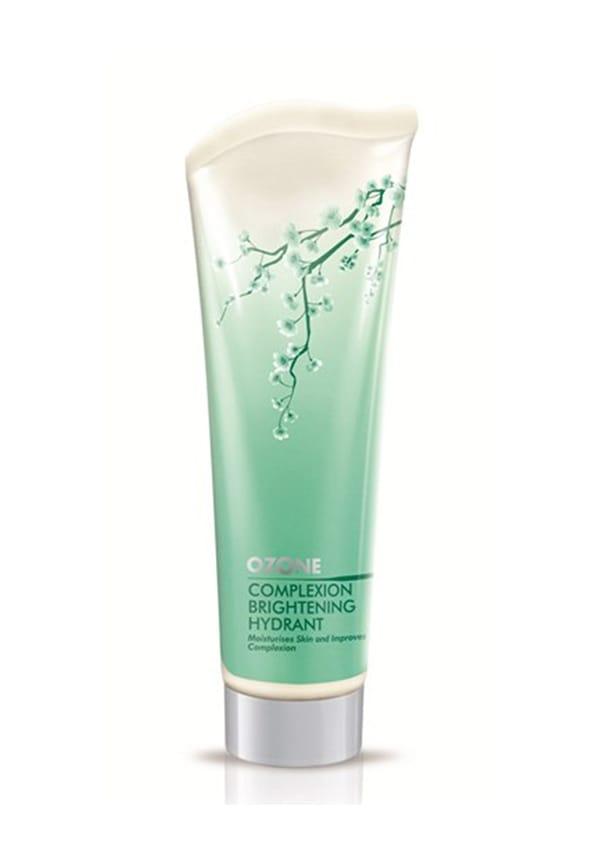
Complexion Brightening Hydrant
Absolutely! Oily skin can still be dehydrated. Look for lightweight, gel-based formulations that provide hydration without adding excess oil. Ingredients like hyaluronic acid are perfect for oily skin types.
You might notice immediate improvements in skin texture and comfort, but significant changes typically appear after 4-6 weeks of consistent use. Patience is key for long-term skin health benefits.
Most hydrating serums are gentle enough for twice-daily use. However, if you're using other active ingredients like retinol or acids, you might want to alternate or use hydrating serums at different times to avoid irritation.
Yes, but be mindful of ingredient interactions. Hydrating serums generally play well with most other products. However, avoid mixing different serums in your palm—layer them separately for best results.
Serums have smaller molecules that penetrate deeper into skin, whilst moisturisers primarily work on the surface to lock in hydration. Think of serums as delivering hydration and moisturisers as sealing it in.
Neither is inherently better—it depends on your skin's needs and sensitivities. Natural ingredients can be just as effective as synthetic ones, and sometimes synthetic ingredients are more stable and less likely to cause reactions.
Choosing the right hydrating serum doesn't have to be overwhelming when you know what to look for. Focus on ingredients that address your specific skin concerns, consider your budget and lifestyle, and remember that consistency trumps perfection every time. The best serum is the one you'll actually use regularly. With Smytten's extensive collection of skincare brands and trial-friendly approach, you can explore different hydrating serums without the commitment of full-size purchases. After all, why settle for 'maybe' when you can try it all and find what truly works for your unique skin? Your perfect hydrating serum is out there—it's just a matter of discovering it through smart, informed choices.
