How to Choose the Best Hair Color for Your Skin

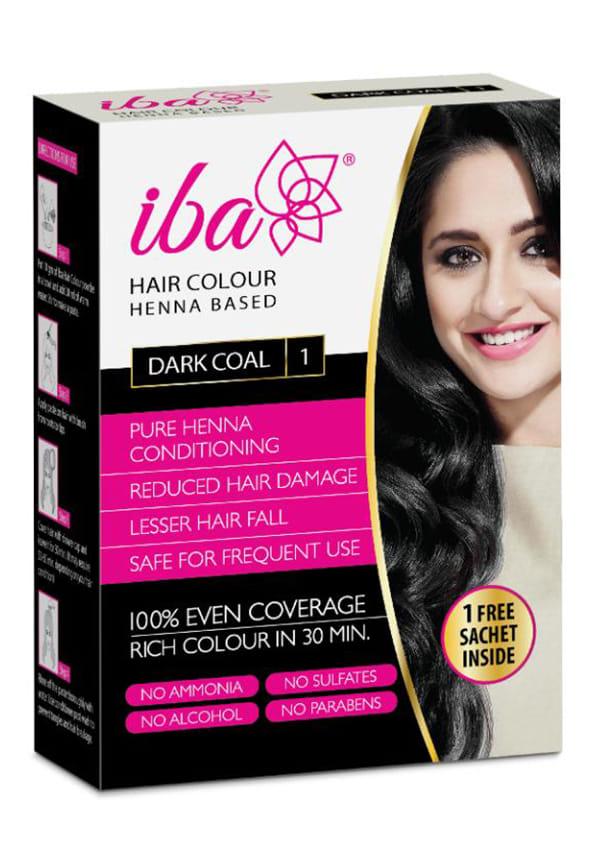
Halal Care Hair Colour
Loved Product, Found on Smytten
 5
5“loved the product I searched for this product in so many shopping apps but I didn't get it. finally I got it from smytten🤩”
Positive Product Review
5“love it 😀😀😀😀😀😀😀😀😀😀😀”
Great for Hair
5“it's really good for hair , no ammonia”
Choosing the best hair color for your skin can feel like solving a puzzle. One shade might make you glow like you've just returned from holiday, whilst another could leave you looking washed out. The secret isn't just about following the latest hair color trends or picking what looks pretty in the bottle—it's about understanding your unique skin tone and finding colours that complement it perfectly. Whether you're considering professional hair color or planning an at home hair color session, getting this right makes all the difference. Let's dive into how you can discover your perfect shade and avoid those "what was I thinking?" moments.
Your skin tone is basically your personal colour compass when it comes to hair coloring. Think of it as your built-in guide that tells you which shades will make you look radiant and which ones might not be your best friend. Understanding whether you have warm, cool, or neutral undertones is the first step to finding hair color ideas that actually work for you.
The easiest way to figure out your undertones is the vein test. Look at the veins on your wrist in natural light—if they appear greenish, you likely have warm undertones. If they look blue or purple, you're probably cool-toned. Here are a few more tricks:
Jewellery test: Do you look better in gold (warm) or silver (cool) jewellery?
White vs. cream: Hold up pure white and cream fabrics to your face—which one makes you glow?
Sun reaction: Do you tan easily (often warm) or burn first (often cool)?
Lucky you if you have neutral undertones—you're basically the Switzerland of skin tones. Your veins might appear blue-green, and you probably look good in both gold and silver. This gives you loads more flexibility when choosing hair dye colours, as you can pull off both warm and cool shades beautifully.
Now that you've cracked the code on your undertones, let's talk about which colours will make you look absolutely stunning. Remember, these are guidelines, not rules—sometimes the most unexpected combinations work brilliantly.
If you've got warm undertones, you'll want to embrace colours that have golden, honey, or copper bases. These shades will complement your natural warmth and make your skin look healthy and glowing.
Golden blonde: Think honey, caramel, and buttery blonde shades
Copper and auburn: Rich reds with orange undertones
Warm browns: Chocolate, chestnut, and coffee shades
Strawberry blonde: A lovely mix of blonde and red tones
Cool undertones pair beautifully with colours that have ashy, blue, or violet bases. These shades won't compete with your natural colouring but will enhance it instead.
Ashy blonde: Platinum, ash blonde, and icy tones
Cool browns: Espresso, dark chocolate, and ash brown
Burgundy and wine: Deep reds with purple undertones
True black: Rich, deep black without warm undertones
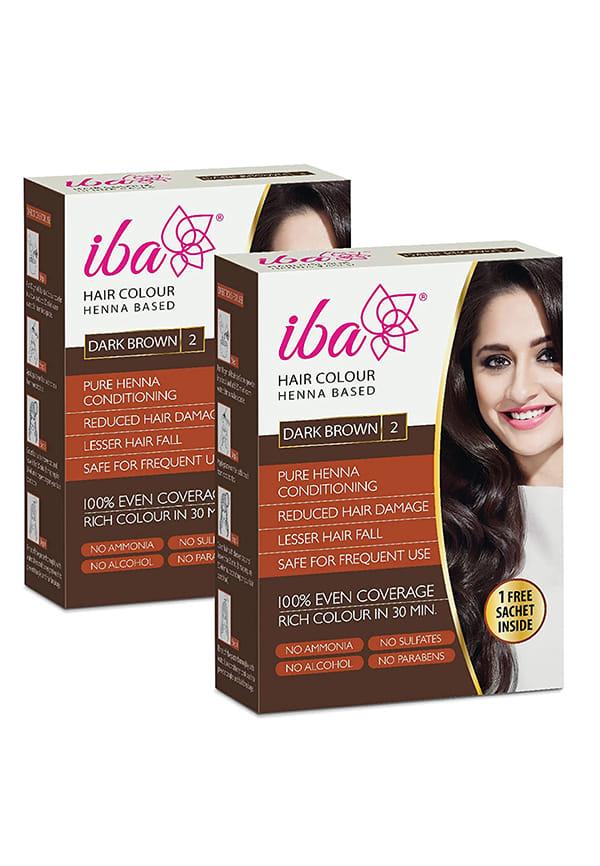
Hair Color Dark Brown
Long Lasting Hair Color
5“long lsting hair color nice iba hair care”
Long Lasting Hair Color
5“long lsting hair color nice iba hair care”
Long Lasting Hair Color
5“long lsting hair color nice iba hair care”
Some colours are just universally flattering, regardless of your undertones. These tend to be more muted or have a good balance of warm and cool tones.
Mushroom brown: A soft, neutral brown that's very on-trend
Bronde: The perfect blend of brown and blonde
Rich chocolate: Deep brown with subtle warmth
Deciding between salon and DIY can be tricky. Both have their place, and the right choice depends on what you're trying to achieve, your budget, and your comfort level with hair coloring.
There's something to be said for putting your hair in expert hands. Professional colourists have trained eyes for colour matching and access to high-quality formulations that you can't get at home.
Expert colour analysis: They can spot undertones you might miss
Custom formulations: Mixing colours specifically for your hair
Complex techniques: Balayage, highlights, and colour corrections
Hair health focus: Using treatments to minimise damage
DIY hair dye has come a long way, and with the right approach, you can get salon-worthy results at home. The key is being realistic about what you can achieve and taking your time.
Start subtle: Go no more than two shades lighter or darker than your natural colour
Patch test: Always test for allergic reactions 48 hours before
Follow instructions: Timing and application matter more than you think
Invest in quality: Better formulations give better results
Not all hair dye is created equal. The formulation you choose can make a huge difference in both the results and the health of your hair. Let's break down your options so you can make an informed choice.
If you're concerned about harsh chemicals, there are gentler alternatives that still deliver beautiful colour. These formulations are particularly good if you have sensitive skin or damaged hair.
Ammonia-free dyes: Less harsh but still effective for colour change
Natural hair color options: Plant-based ingredients like henna and indigo
Organic formulations: Certified organic ingredients with minimal processing
The longevity of your colour depends largely on the type of dye you choose. Understanding the differences helps you pick the right option for your lifestyle and commitment level.
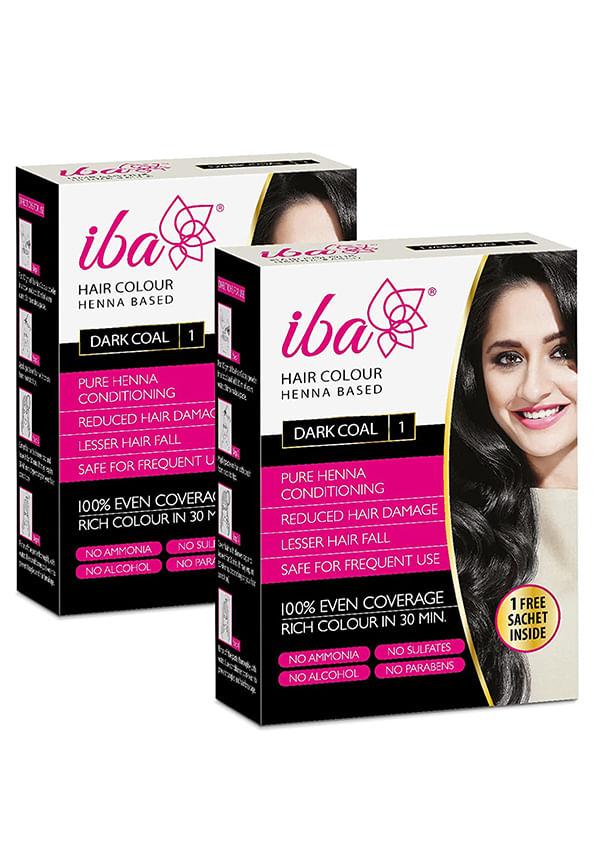
Hair Color Dark Coal
Father likes it
4“Nice really like it by my father”
Mom loves this hair colour
5“my mom loves this hair colour always”
Positive Product Experience
5“nice product long lasting ....best results”
Permanent colour: Lasts until it grows out, best for dramatic changes
Semi-permanent: Fades gradually over 4-6 weeks
Temporary hair color: Perfect for experimenting, washes out in 1-2 shampoos
When it comes to best hair dye brands, quality matters. Here are some reliable options across different price points and formulations.
Professional brands: L'Oréal Professional, Wella, and Schwarzkopf
Drugstore favourites: Garnier, Clairol, and Revlon
Natural options: Herbatint, Naturtint, and Light Mountain
How you apply your colour is just as important as which colour you choose. Different techniques can create completely different looks, even with the same shade. Understanding your options helps you achieve the exact vibe you're going for.
Full coverage gives you an all-over colour change, whilst highlighting adds dimension and can be more forgiving as it grows out. Consider your maintenance preferences when choosing.
All-over colour: Complete transformation, requires regular root touch-ups
Highlights: Adds brightness and dimension, grows out more naturally
Balayage: Hand-painted highlights for a natural, sun-kissed look
Covering gray hair requires specific considerations. The texture of gray hair is different, and it can be more resistant to colour, so you might need a different approach.
Permanent colour: Best for full gray coverage
Root touch-up products: Temporary solutions between full colours
Blending techniques: Highlights can help blend gray naturally
Getting the perfect colour is only half the battle—keeping it looking fresh and vibrant requires some ongoing care. The right maintenance routine can extend the life of your colour and keep your hair healthy. Think of it as an investment in your look that pays dividends over time.
Coloured hair needs extra TLC to stay looking its best. The right products and habits can make your colour last weeks longer and keep your hair feeling soft and healthy.
Colour-safe shampoo: Sulphate-free formulas that won't strip colour
Cool water rinses: Hot water opens the hair cuticle and releases colour
UV protection: Sun exposure fades colour faster than anything else
Deep conditioning: Weekly treatments to maintain hair health

Henna Natural - Black
Sometimes you want a change, but going from one colour to another isn't always straightforward. Planning your colour journey helps avoid damage and disappointing results.
Gradual changes: Multiple sessions for dramatic transformations
Colour removal: Professional colour stripping when necessary
Toning treatments: Adjusting undertones between colours
When you're exploring different hair color ideas and want to try various shades without the commitment, platforms like Smytten make it easier to discover the perfect products for your hair journey. With access to trial-sized products from trusted haircare brands, you can experiment with different colour-protecting shampoos, treatments, and styling products to find what works best for your newly coloured hair—all before committing to full-size purchases.
The best hair dye brands depend on your specific needs and budget. For professional results, L'Oréal Professional and Wella offer excellent formulations. For at-home use, Garnier and Clairol provide reliable options. If you prefer natural hair color, Herbatint and Naturtint are top choices. Consider factors like your hair type, desired results, and any sensitivities when choosing.
The safest hair dye options are ammonia-free, PPD-free formulations or completely natural alternatives like henna. Semi-permanent colours are generally gentler than permanent ones. Always do a patch test 48 hours before applying any colour, and consider consulting a professional for major colour changes to minimise damage risk.
Permanent hair dye lasts the longest, typically until your hair grows out (about 6-8 weeks for roots). The longevity also depends on your hair's porosity, the quality of the dye, and your aftercare routine. Darker colours generally last longer than lighter ones, and colours closer to your natural shade tend to fade more gracefully.
Pure henna is the most common 100% natural hair color option, providing red tones. Indigo can be combined with henna for brown to black shades. Other natural options include cassia (for blonde tones) and various plant-based dyes. Keep in mind that natural doesn't always mean better—some people are allergic to natural ingredients too.
Professional hair color typically uses higher-quality ingredients and offers custom colour mixing, whilst at home hair color is more convenient and budget-friendly. Professionals can achieve complex techniques and provide expert colour matching, but quality home dyes can deliver excellent results for simpler colour changes.
Finding the best hair color for your skin tone doesn't have to be overwhelming. Start by understanding your undertones—they're your roadmap to colours that will make you look radiant. Whether you choose professional hair color or decide to try at home hair color, the key is being realistic about what you can achieve and taking proper care of your coloured hair afterwards.
Remember, hair colour is one of the most transformative beauty changes you can make, but it's also reversible. Don't be afraid to experiment with temporary hair color options or consult with professionals when you're unsure. The beauty industry offers endless possibilities, from following the latest hair color trends to creating your own unique look.
Most importantly, choose colours and products that make you feel confident and comfortable. Your perfect shade might not be what's trending on social media, and that's perfectly fine. Trust your instincts, do your research, and enjoy the process of discovering what makes you feel most like yourself. After all, the best hair colour is the one that makes you smile every time you catch your reflection.
