How to Choose the Best Facewash for Acne

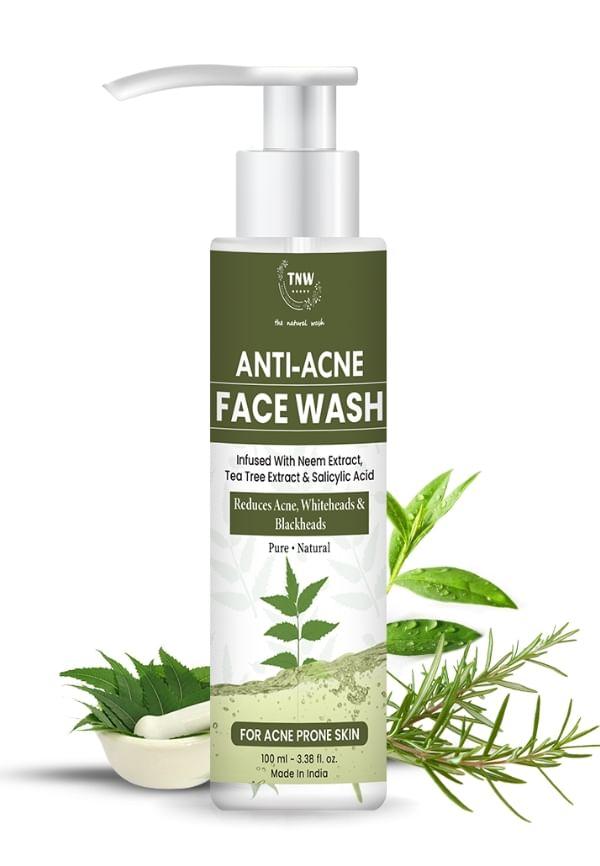
Anti-Acne Face Wash For Acne & Blemishes
Effective, long-term use
 5
5“I have been using this for 1 year now it's really good and it works”
Effective Face Cleanser
4“Good product for face cleansing”
Great Product
5“good results awesome product recommended”
Choosing what facewash for acne works best can feel like navigating a maze blindfolded. One day you're convinced you've found your holy grail, the next you're dealing with more breakouts than before. Real talk—the skincare aisle is packed with promises, but finding an acne cleanser that actually delivers requires knowing what to look for. Whether you're battling stubborn blackheads, hormonal breakouts, or sensitive skin that seems to react to everything, the right facial cleanser for breakouts can be a proper game-changer. Let's break down exactly how to choose a face wash that'll work with your skin, not against it.
Before diving into ingredient lists and product reviews, let's get real about what's actually happening on your face. Acne isn't just about having "dirty" skin—it's a complex process involving oil production, dead skin cells, bacteria, and inflammation. Your cleanser plays a crucial role in managing these factors without throwing your skin's natural balance completely off track.
Think of your pores as tiny tunnels that can get clogged with a mix of oil, dead skin cells, and bacteria. A good acne cleanser works by gently removing this buildup while controlling excess oil production. The key word here is "gently"—harsh scrubbing or overly drying formulas can actually trigger your skin to produce more oil, creating a vicious cycle of breakouts.
Not all breakouts are created equal, and your cleansing strategy should reflect that. Blackheads and whiteheads (comedonal acne) respond well to gentle exfoliating ingredients like salicylic acid. Inflammatory acne—those red, angry bumps—might need antibacterial ingredients like benzoyl peroxide. Hormonal acne, which tends to pop up around your jawline and chin, often requires a more gentle approach to avoid irritation.
Now for the science bit—but don't worry, we'll keep it simple. The best acne cleansers contain specific active ingredients that target different aspects of breakout formation. Understanding these ingredients helps you choose a product that actually addresses your skin's specific needs rather than just hoping for the best.
Salicylic acid is basically the MVP of acne-fighting ingredients. This beta hydroxy acid (BHA) can penetrate oil and get deep into your pores to clear out the gunk that causes blackheads and whiteheads. Look for concentrations between 0.5% and 2%—start lower if you have sensitive skin. The beauty of a salicylic acid cleanser is that it exfoliates while you cleanse, making it perfect for daily use without the harsh scrubbing.
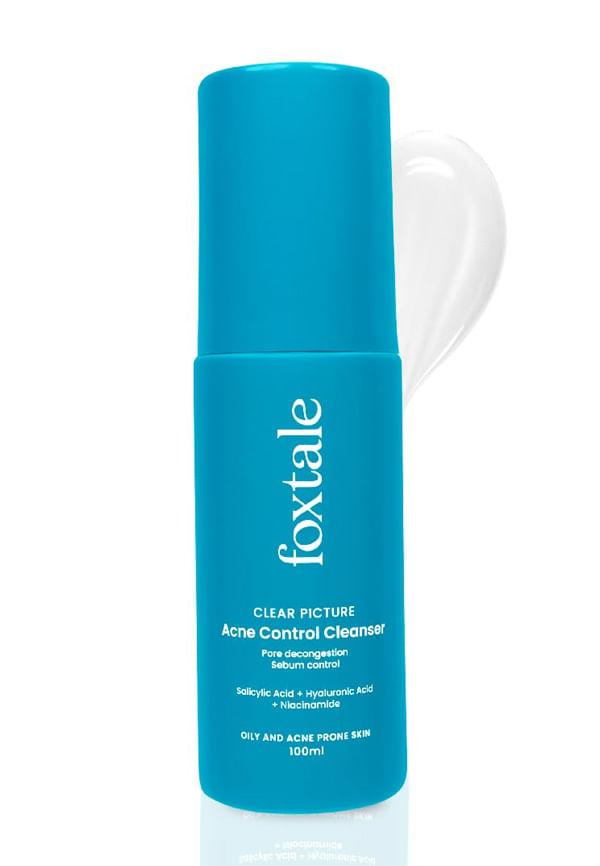
Acne Control Cleanser with Salicylic Acid || Hyaluronic Acid and Niacinamide
When you're dealing with inflammatory acne, benzoyl peroxide might be your best mate. This ingredient kills acne-causing bacteria and helps prevent new breakouts from forming. Start with a 2.5% concentration—higher isn't always better and can lead to unnecessary irritation. Fair warning: benzoyl peroxide can bleach fabrics, so white towels and pillowcases are your friends.
If your skin is on the sensitive side, don't panic—you've got options. Mandelic acid is a gentler alpha hydroxy acid that still helps with pore-clearing but with less irritation. Tea tree face wash for acne can be brilliant for its natural antibacterial properties, though patch test first as some people are sensitive to it. Niacinamide is another superstar ingredient that controls oil production while calming inflammation.
Your skin type plays a massive role in determining what facewash for acne will work best for you. What works brilliantly for your mate with oily skin might leave your sensitive skin feeling raw and irritated. Let's break down the best approaches for different skin types.
If you're dealing with oily skin, you might be tempted to go for the strongest, most mattifying cleanser you can find. Resist that urge. Over-stripping your skin of oil can actually trigger it to produce even more oil to compensate. Look for gel or foam formulations that control oil without leaving your skin feeling tight. A good rule of thumb: your skin should feel clean but not squeaky after washing.
Having both acne and sensitive skin can feel like a cruel joke, but it's more common than you think. Look for fragrance-free, non comedogenic cleanser options that are specifically formulated for sensitive skin. Cream cleansers are often gentler than gels, and ingredients like ceramides can help maintain your skin barrier while fighting breakouts. Always patch test new products on a small area first.
"Non-comedogenic" is skincare speak for "won't clog your pores." This is crucial when choosing any product for acne-prone skin. Avoid heavy oils like coconut oil or cocoa butter in your cleanser, and steer clear of products with lots of silicones if you're prone to clogged pores.
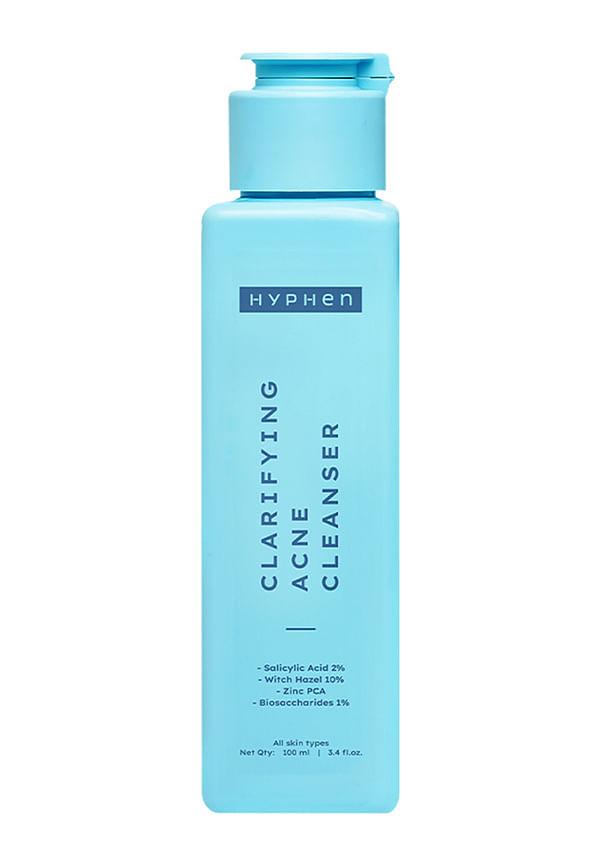
Clarifying Acne Cleanser with Salicylic Acid 2% | Anti-Acne Face Wash
Gentle Cetaphil Dupe
4“loved it ,it's so gentle as similar as Cetaphil like both of them are dupe of each other”
Gentle Cetaphil Dupe
4“loved it ,it's so gentle as similar as Cetaphil like both of them are dupe of each other”
Gentle Cetaphil Dupe
4“loved it ,it's so gentle as similar as Cetaphil like both of them are dupe of each other”
Finding the right cleanser is just the beginning—how you use it matters just as much as what you use. A brilliant product used incorrectly can still lead to disappointing results, while a decent product used properly can work wonders.
Use lukewarm water (hot water can irritate and dry out your skin), apply your cleanser with gentle circular motions for about 30 seconds, then rinse thoroughly. Pat your skin dry with a clean towel—no rubbing. Most people with acne-prone skin benefit from cleansing twice daily, but if you're using a strong active ingredient, you might want to start with once daily and build up.
Some ingredient combinations can cause irritation or reduce effectiveness. If you're using a salicylic acid cleanser, be cautious about layering other exfoliating products on top. Benzoyl peroxide and retinoids can be a particularly irritating combination for some people. When in doubt, introduce new products one at a time and give your skin time to adjust.
Sometimes, despite your best efforts with over-the-counter products, your skin needs professional intervention. There's no shame in seeking help from a dermatologist—in fact, it's often the smartest move for persistent acne.
If you've been consistent with a gentle acne cleanser for 8-12 weeks and aren't seeing improvement, it might be time to reassess. Worsening breakouts, increased sensitivity, or new types of acne appearing are all signs that your current approach needs tweaking. Sometimes what seems like product failure is actually a sign that you need prescription-strength ingredients.
Dermatologists have access to prescription cleansers and treatments that aren't available over the counter. They can also help you identify if your acne is hormonal, bacterial, or related to other factors that might need different treatment approaches. Don't wait until your acne is severe—early intervention often leads to better outcomes.
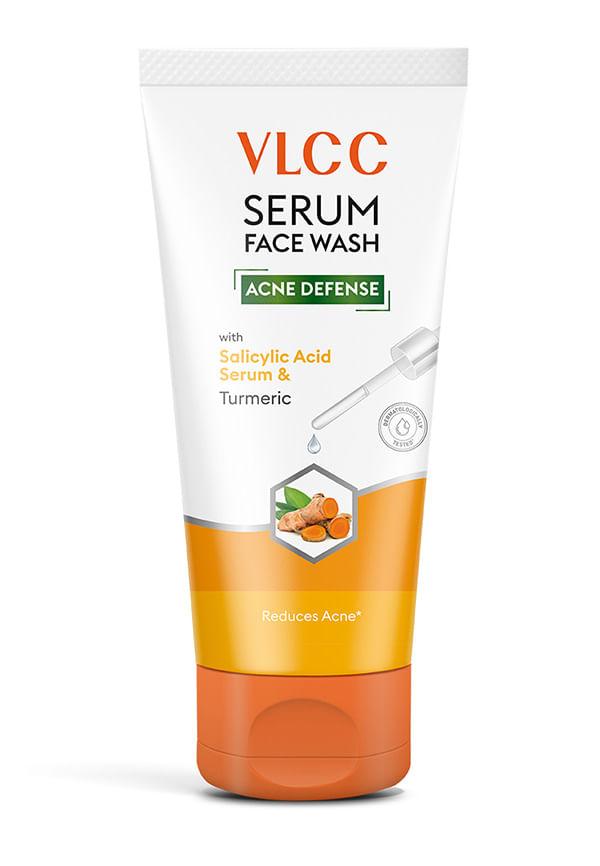
Acne Defense Serum Facewash with Salicylic Acid Serum & Turmeric
The journey to finding what facewash for acne works best for you might involve some trial and error, but that's where platforms like Smytten come in handy. As India's largest product discovery and trial platform, Smytten connects you with over 1,500 trusted brands including skincare favourites like Cetaphil and Dot & Key. Instead of committing to full-size products that might not work for your skin, you can try curated trial packs to test different acne cleansers and find your perfect match. With trial packs starting at just ₹249 for up to 8 minis, plus 100% cashback redeemable for future purchases, you can explore various gentle acne cleanser options without the financial risk.
If you notice increased breakouts, excessive dryness, or new types of acne after 2-3 weeks of consistent use, your cleanser might be too harsh or contain ingredients that don't agree with your skin. Scale back to a gentler formula and see if things improve.
Absolutely. Look for gentle acne cleanser formulations that are fragrance-free and contain lower concentrations of active ingredients. Mandelic acid and niacinamide are particularly good options for sensitive, acne-prone skin.
Give any new product at least 6-8 weeks of consistent use before making a judgement. Your skin needs time to adjust, and it can take several weeks to see real improvements in acne.
Most people do fine with the same cleanser twice daily, but some prefer a gentler formula in the morning and a stronger acne-fighting cleanser at night. This can work well if you're using other active ingredients in your routine.
Salicylic acid is better for unclogging pores and preventing blackheads and whiteheads, while benzoyl peroxide is more effective against inflammatory acne caused by bacteria. Some people benefit from alternating between the two.
Choosing the right facial cleanser for breakouts doesn't have to be overwhelming once you understand your skin's specific needs. Whether you need a gentle acne cleanser for sensitive skin or a stronger salicylic acid cleanser for stubborn blackheads, the key is finding ingredients that work with your skin type and being patient with the process. Remember, consistency beats intensity every time—a gentle routine you can stick to long-term will always trump harsh products that irritate your skin. With the right approach and perhaps some trial-sized testing through platforms that let you explore different options risk-free, you'll find your skin's perfect match. After all, why settle for maybe when you can try different options and find what actually works for your unique skin?
