How to Choose the Best Face Serum for Your Skin
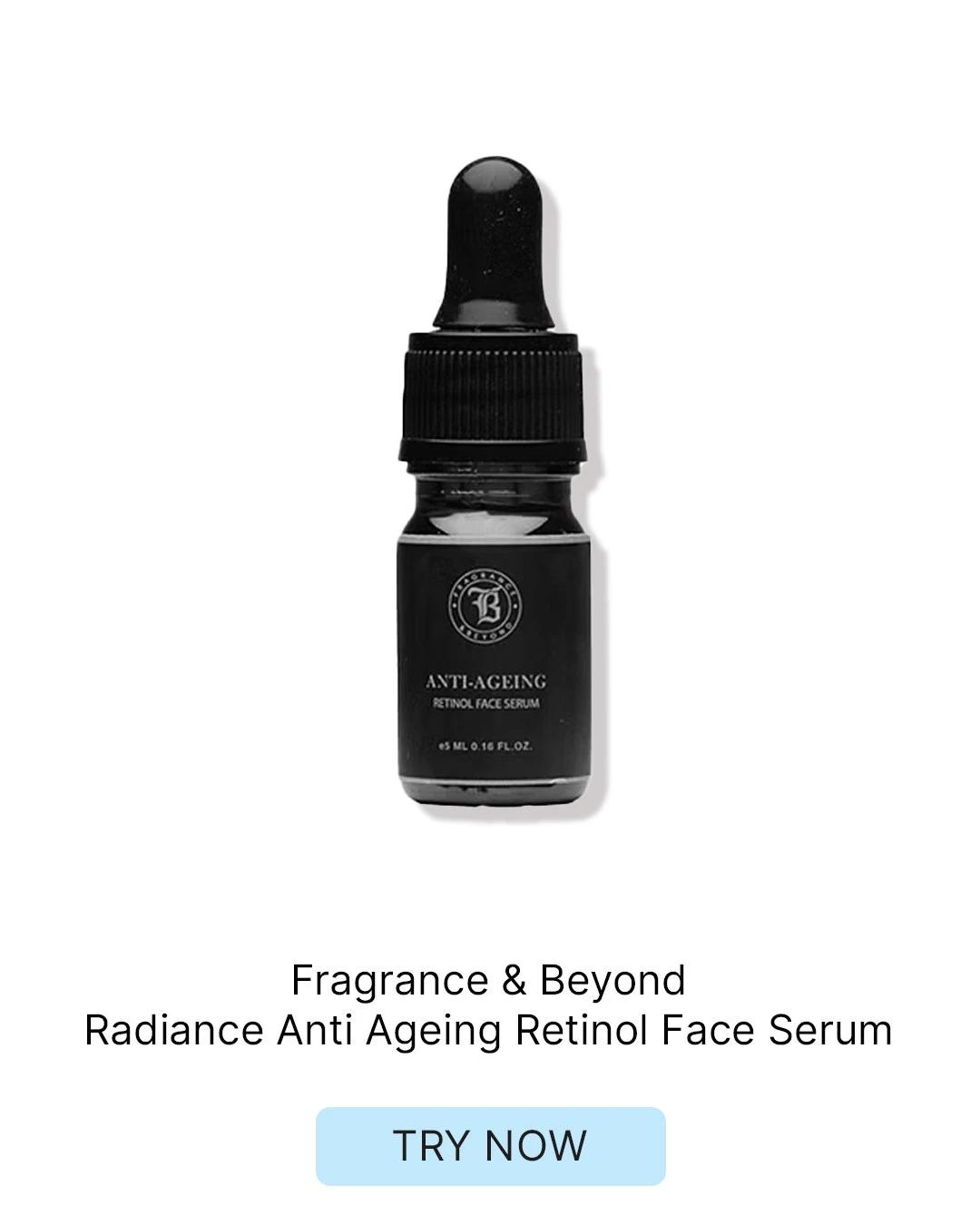

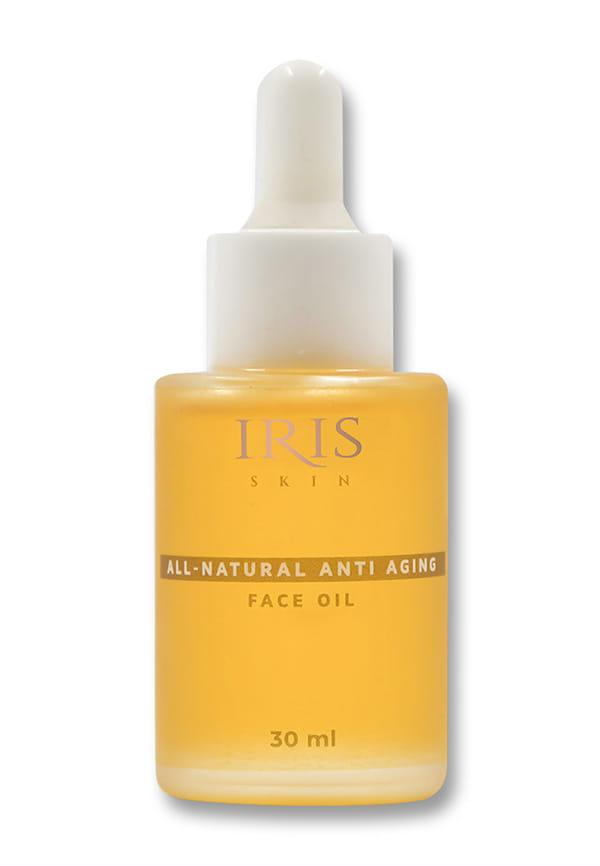
All-Natural Anti-Aging Face Oil
Finding the best face serum can feel like searching for a needle in a haystack, especially when your feed is flooded with endless options. Let's be real—serums have become the holy grail of skincare, but choosing the right one shouldn't leave you feeling overwhelmed. Whether you're after that coveted glow, want to tackle fine lines, or just need some serious hydration, the perfect skin serum is out there waiting for you. The trick is knowing what to look for and understanding what your skin actually needs. Ready to decode the serum game and find your next skincare obsession?
Think of serums as your skincare routine's MVP—they're lightweight, packed with active ingredients, and designed to deliver results fast. Unlike your regular moisturiser, serums have smaller molecules that can penetrate deeper into your skin, making them incredibly effective for targeting specific concerns.
Here's why serums deserve a spot in your routine:
The magic happens at the molecular level. Serums have a thinner consistency than moisturisers, allowing active ingredients to reach deeper skin layers. Apply them after cleansing but before moisturising—this ensures maximum absorption. Most people start seeing improvements within 2-4 weeks, though hydrating formulas can work their magic much sooner.
Not all serum ingredients are created equal. Some are total game-changers, whilst others are just fancy marketing fluff. Let's break down the ones worth your attention and money.
If you want brighter, more radiant skin, vitamin C serum is your go-to. This powerhouse antioxidant protects against environmental damage whilst boosting collagen production. Look for concentrations between 10-20%—anything higher might irritate your skin. Apply it in the morning for maximum protection against pollution and UV damage.
This ingredient is basically a drink of water for your skin. Hyaluronic acid can hold up to 1,000 times its weight in water, making it perfect for plumping and smoothing fine lines. The best part? It works for every skin type, even oily skin that's dehydrated.
When it comes to turning back the clock, these ingredients deliver:
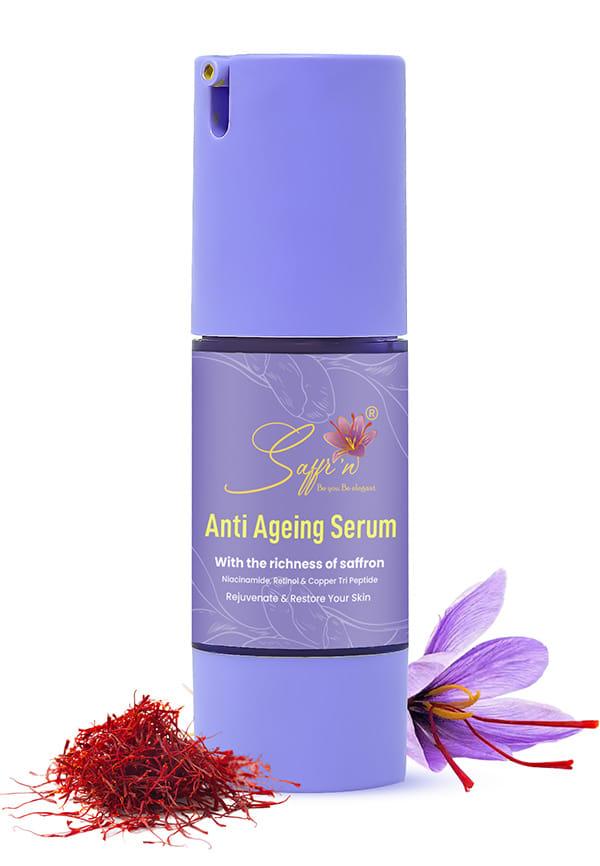
Anti Ageing Serum
Decent Product, Highly Recommended
 5
5“it's a very decent product highly recommend it to all”
If you prefer gentler, plant-based options, look for serums with rosehip oil, bakuchiol (a natural retinol alternative), or vitamin E. These natural face serum options are perfect for sensitive skin types who want results without irritation.
Your skin type should be your North Star when choosing serums. What works for your mate might not work for you, and that's completely normal. Here's how to match your skin's needs with the right formula.
Oily skin needs lightweight, oil-free formulas that won't clog pores. Look for:
Avoid heavy, oil-based serums that might make your skin feel greasy or cause breakouts.
Dry skin craves moisture and barrier repair. Your best bets include:
Want that lit-from-within glow? Focus on brightening and exfoliating ingredients:
If your skin gets easily irritated, stick to fragrance-free formulas with gentle actives like hyaluronic acid, ceramides, or low-concentration vitamin C. Always patch test new products on your inner arm before applying to your face.
Choosing the best face serum doesn't have to be rocket science. Follow this simple framework to find your perfect match without the guesswork.
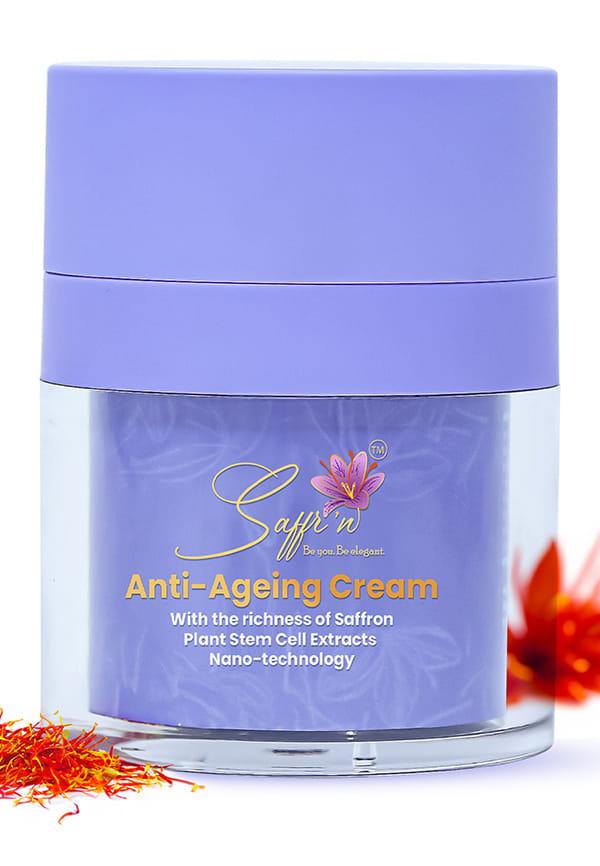
Anti Ageing Cream
Mom Loved It
5“i bought it for my mom she loved it.”
Be honest about what bothers you most:
Don't get fooled by fancy packaging. Check the ingredient list—active ingredients should appear in the first five ingredients. Avoid products with alcohol, artificial fragrances, or harsh sulfates if you have sensitive skin.
Great serums don't always come with hefty price tags. Focus on the ingredient quality rather than brand prestige. Sometimes, a well-formulated drugstore serum can outperform expensive alternatives. This is where platforms like Smytten become incredibly valuable—you can try mini versions of different serums before committing to full-size purchases, helping you make smarter, more confident choices without breaking the bank.
Having the right serum is only half the battle. How you apply it can make or break your results. Here's how to get the most out of your investment.
Use 2-3 drops for your entire face—more isn't always better. Gently pat the serum into your skin using your fingertips, starting from the centre of your face and working outwards. Don't forget your neck and décolletage—they need love too.
Apply serums to clean, slightly damp skin for better absorption. If you're using multiple serums, layer from thinnest to thickest consistency. Wait 30 seconds between layers to let each product absorb properly. Vitamin C works best in the morning, whilst retinol should be reserved for evening use.
Start slowly, especially with active ingredients. Use retinol 2-3 times per week initially, then gradually increase frequency. Hydrating serums like hyaluronic acid can be used twice daily. Always listen to your skin—if it feels irritated, scale back.
Even the best intentions can go wrong. Avoid these common pitfalls to get the most out of your serum investment.
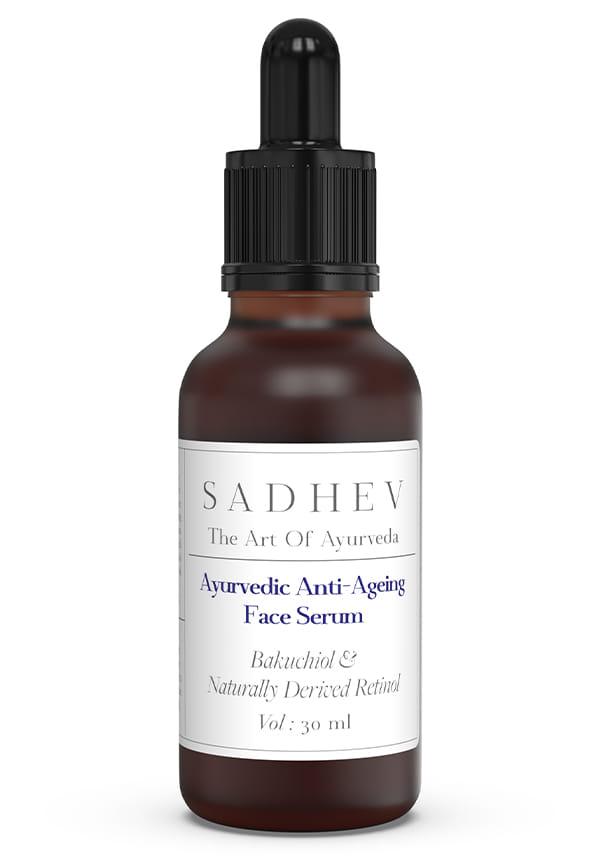
Ayurvedic Anti Ageing Face Serum
More product doesn't equal better results. Using too much serum can actually prevent proper absorption and waste product. Stick to the recommended amount—usually just a few drops.
Some ingredients don't play well together. Avoid mixing vitamin C with retinol, or AHAs with retinol in the same routine. When in doubt, use them on alternating days or at different times of day.
Store serums in cool, dark places away from direct sunlight. Vitamin C serums are particularly sensitive to light and air. If your serum changes colour or develops an odd smell, it's time to bin it.
Start by identifying your primary skin concern—whether it's dryness, dullness, ageing, or oiliness. Then match ingredients accordingly: hyaluronic acid for hydration, vitamin C for brightness, retinol for anti-ageing, and niacinamide for oil control. If you're unsure, consider trying mini versions first to test compatibility.
Yes, but layer them correctly from thinnest to thickest consistency. Avoid mixing conflicting ingredients like vitamin C and retinol in the same application. Start with one serum and gradually introduce others to prevent irritation.
Hydrating serums show immediate plumping effects, whilst anti-ageing serums take 6-8 weeks for visible improvements. Brightening serums typically show results in 4-6 weeks. Consistency is key—daily use yields better results than sporadic application.
It depends on the ingredients. Vitamin C serums work best in the morning for antioxidant protection, whilst retinol should be used at night due to sun sensitivity. Hyaluronic acid can be used twice daily for optimal hydration.
Serums have smaller molecules and higher concentrations of active ingredients, allowing deeper penetration. Moisturisers focus on hydration and barrier protection with larger molecules that sit on the skin's surface. Use serums first, then moisturiser to seal in the benefits.
Finding the best face serum for your skin doesn't have to be overwhelming. Focus on understanding your skin's needs, choose ingredients that target your specific concerns, and remember that consistency trumps complexity every time. Whether you're after a vitamin C serum for morning brightness, a hyaluronic acid serum for hydration, or an anti-aging serum for long-term results, the perfect formula is out there.
The beauty of modern skincare is that you don't have to commit blindly to full-size products. With platforms like Smytten, you can explore curated trial packs from over 1,500 trusted brands, allowing you to discover what works for your unique skin before making larger investments. After all, why settle for 'maybe' when you can try it all and find your perfect match? Your skin deserves nothing less than products that truly work for you.
