Skincare
•07 min read

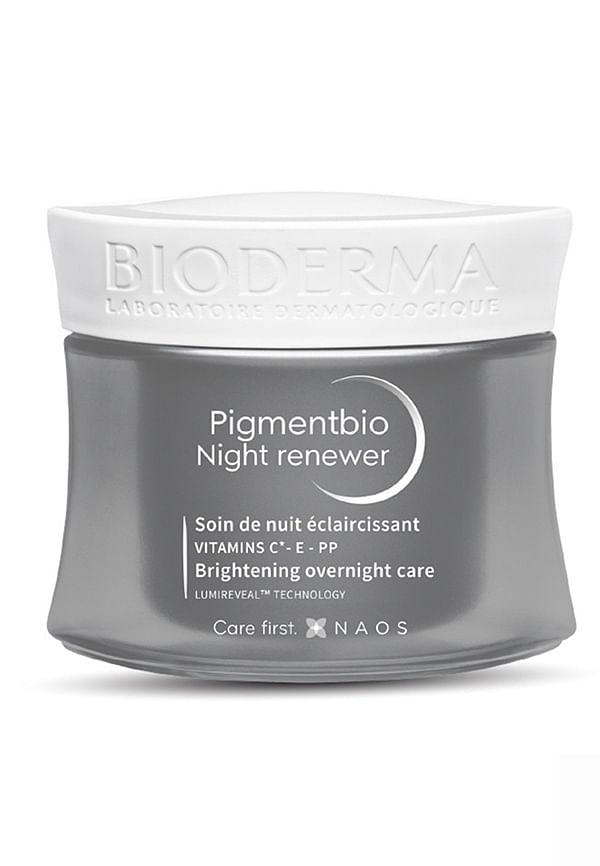
Pigmentbio Night Renewer Brightening Overnight Cream for Dark Spots, Sensitive Skin
Gratitude for Useful Items
 5
5“Smytten! Thank you so very much for the useful items.”
Gratitude for Useful Items
5“Smytten! Thank you so very much for the useful items.”
Gratitude for Useful Items
5“Smytten! Thank you so very much for the useful items.”
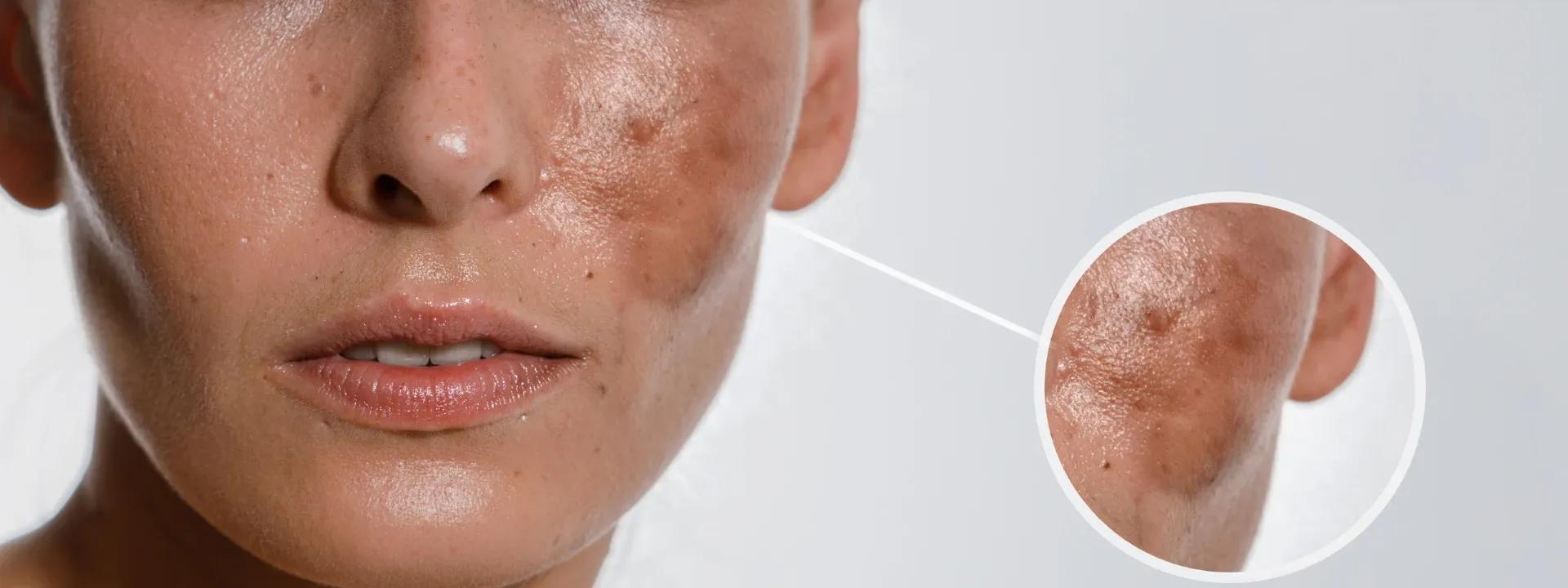
Dark spots on your face can feel like unwelcome guests that just won't leave. Whether it's post-acne marks, sun damage, or those stubborn melasma patches, finding the right dark spots removal cream India can feel overwhelming with endless options flooding the market. Let's be real—you want something that actually works without breaking the bank or irritating your skin. The good news? With the right knowledge about ingredients, skin types, and what to look for, you can find your perfect match. This guide breaks down everything you need to know about choosing an effective dark spot corrector that suits your specific needs and delivers real results.
Dark spots aren't just a cosmetic concern—they're your skin's way of responding to various triggers. Indian skin, with its higher melanin content, is particularly prone to hyperpigmentation treatment challenges. Understanding what causes these spots helps you choose the most effective treatment approach. Melanin overproduction happens when your skin cells go into overdrive, creating those darker patches we all want to fade. Sun exposure remains the biggest culprit, especially in India's intense climate. UV rays trigger melanocytes to produce excess melanin as a protective mechanism, leading to sun spots and uneven skin tone.
Hormonal changes play a massive role, particularly for women. Pregnancy, birth control pills, and hormonal fluctuations can trigger melasma—those symmetrical brown patches often called the "mask of pregnancy." Post-inflammatory hyperpigmentation is another common issue, where acne, cuts, or even aggressive skincare treatments leave behind dark marks. Age spots become more noticeable as we get older, while genetic factors determine how prone you are to developing pigmentation issues. Some people naturally produce more melanin in response to triggers, making them more susceptible to dark spots.
Melasma appears as brown or grey patches, typically on the cheeks, forehead, and upper lip. It's hormone-driven and notoriously stubborn to treat. Post-acne marks range from red to brown and can take months to fade naturally without intervention. Sun spots and age spots are flat, brown spots that appear on sun-exposed areas like the face, hands, and shoulders. Freckles and café-au-lait spots are usually genetic and may require different treatment approaches than acquired pigmentation.
Not all pigmentation removal cream formulations are created equal. The secret lies in understanding which ingredients have scientific backing and how they work to fade dark spots. Some ingredients target melanin production, while others focus on exfoliating existing pigmented cells. Choosing a skin brightening cream with proven active ingredients makes the difference between seeing real results and wasting money on products that promise the world but deliver little.
Hydroquinone remains the gold standard for pigmentation removal, working by inhibiting tyrosinase, the enzyme responsible for melanin production. It's highly effective but requires careful use and sun protection. Kojic Acid offers a natural alternative, derived from fungi used in sake production. It's gentler than hydroquinone while still providing effective brightening results. Arbutin acts as a natural hydroquinone derivative, offering similar benefits with less irritation risk. It's particularly suitable for sensitive skin types. Niacinamide (Vitamin B3) provides multiple benefits—reducing pigmentation, controlling oil production, and improving skin texture. It's well-tolerated by most skin types. Vitamin C works as both an antioxidant and brightening agent, protecting against future damage while fading existing spots.
Retinol and retinoids accelerate cell turnover, helping pigmented cells shed faster while promoting new, healthy skin cell formation. Alpha hydroxy acids like glycolic and lactic acid provide gentle exfoliation, revealing brighter skin underneath. Glutathione offers overall skin lightening benefits, while licorice extract provides natural brightening properties. Papaya extract contains enzymes that gently dissolve dead skin cells, promoting a more even complexion.
Your skin type significantly influences which melasma treatment cream will work best for you. What works brilliantly for your friend's oily skin might cause irritation or insufficient results for your dry, sensitive complexion. Understanding your skin's specific needs helps narrow down options and prevents the frustration of trying products that aren't suited to your skin type.
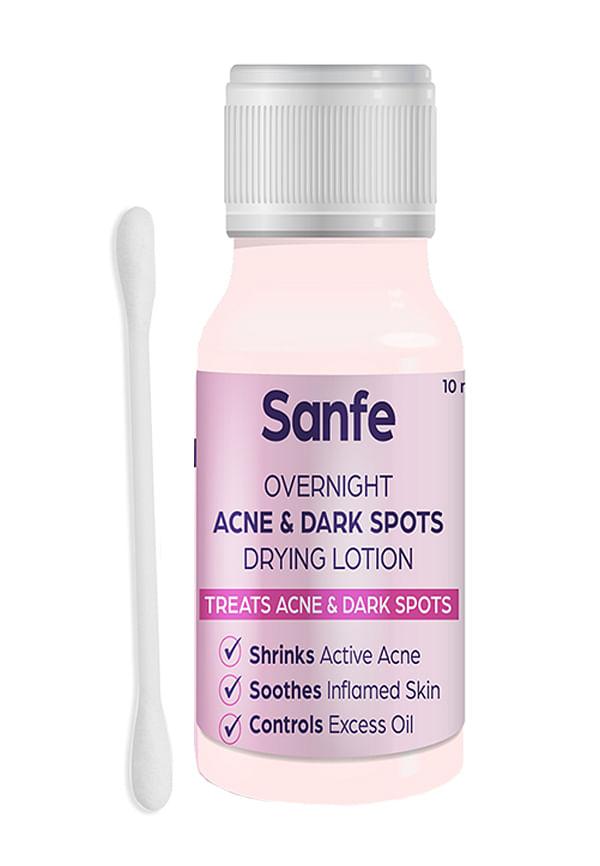
Overnight Acne & Dark Spots Drying Lotion
Good for Oily Skin & Pimples
5“bahut achcha pimples ke liye main use karti hun obesity Mera skin oily hai”
Good for Oily Skin & Pimples
5“bahut achcha pimples ke liye main use karti hun obesity Mera skin oily hai”
Good for Oily Skin & Pimples
5“bahut achcha pimples ke liye main use karti hun obesity Mera skin oily hai”
Oily and acne-prone skin can handle stronger active ingredients and benefits from formulations that won't clog pores. Look for gel-based or lightweight cream textures with ingredients like niacinamide and salicylic acid. Dry and sensitive skin requires gentler formulations with hydrating ingredients. Avoid high concentrations of acids or harsh actives that might cause irritation or excessive dryness. Combination skin needs balanced formulations that address both oily and dry areas without over-treating either zone. Mature skin benefits from anti-ageing ingredients alongside pigmentation-fighting actives.
Mild hyperpigmentation responds well to over-the-counter formulations with vitamin C, kojic acid, or low-concentration retinoids. Moderate dark spots may require stronger actives like higher-concentration vitamin C or prescription-strength ingredients. Severe melasma or deep pigmentation often needs professional treatment combined with prescription creams. Consulting a dermatologist becomes essential for stubborn cases that don't respond to standard treatments.
Even the best cream for dark spots won't deliver results if used incorrectly. Proper application, timing, and safety precautions make the difference between success and potential skin damage. Safety should always come first when using active ingredients that can increase photosensitivity or cause irritation if misused.
Start with clean skin—use a gentle cleanser to remove dirt, oil, and makeup before applying your anti-blemish cream. Apply a thin, even layer only to affected areas, avoiding the eye area unless specifically formulated for that region. Timing matters significantly. Most active ingredients work best at night when your skin is in repair mode and you're not exposed to UV radiation. Morning applications require diligent sun protection. Layering products correctly prevents interactions that might reduce effectiveness. Apply thinnest to thickest consistency, allowing each layer to absorb before adding the next.
Patch testing prevents adverse reactions—apply a small amount to your inner arm and wait 24-48 hours to check for irritation. This step is crucial, especially when trying new active ingredients. Sun protection becomes non-negotiable when using any spot fading cream. Many active ingredients increase photosensitivity, making your skin more vulnerable to UV damage and potentially worsening pigmentation. Common side effects include initial dryness, mild irritation, or temporary darkening before improvement. However, severe burning, persistent redness, or worsening pigmentation requires immediate discontinuation and professional consultation.
Professional guidance becomes invaluable when dealing with persistent pigmentation issues. Dermatologists can prescribe stronger formulations and combine treatments for enhanced results. Understanding when to seek professional help versus continuing with over-the-counter options saves time, money, and potential frustration.
Prescription-strength hydroquinone (4% or higher) offers more potent results than over-the-counter versions. Dermatologists can also prescribe tretinoin, which accelerates cell turnover and enhances other active ingredients' penetration. Combination therapy approaches often prove most effective—using multiple ingredients that work through different mechanisms. Professional treatments like chemical peels, laser therapy, or microneedling can complement topical treatments. Timeline expectations vary significantly. Mild pigmentation may improve within 6-8 weeks, while severe cases might require 6-12 months of consistent treatment.
Women often deal with hormonal pigmentation requiring different approaches than sun-induced spots. Hormonal fluctuations during pregnancy, menstruation, or menopause can affect treatment success. Male-specific concerns include post-shaving irritation leading to pigmentation and generally thicker skin that might require stronger formulations for effective penetration.
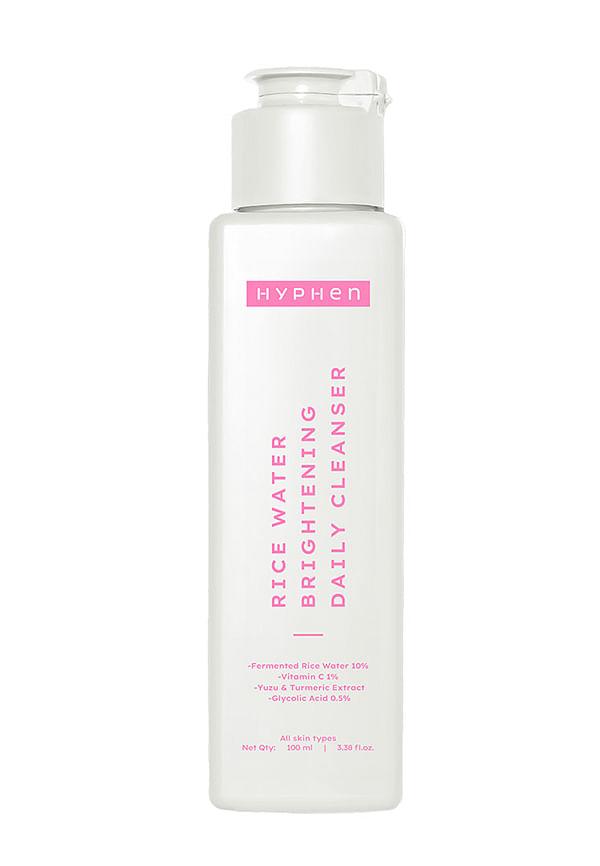
Rice Water Brightening Daily Cleanser | Brightens Skin, Reduces Dark Spots
Gentle, Refreshing, and Effective Cleanser
5“This cleanser has a very gentle and pleasant formula. It feels refreshing on the skin and cleanses well without leaving my skin feeling too tight or dry. I especially like the lightweight texture and how soft my skin feels after washing. Overall, a nice daily cleanser and definitely worth trying”
Instant Glow & Brightening Cleanser
5“the cleanser gives instant glow and brightens your face 10/10 product i love hyphen”
Best Face Wash
5“Ab tk ka sabse acha face wash h ye meri skin best kr di ”
Not all uneven skin tone treatment products deliver on their promises. Knowing what to look for helps you invest in formulations that actually work rather than falling for clever marketing. Quality indicators go beyond fancy packaging—they're about proven ingredients, proper concentrations, and brand credibility.
Clinical testing and dermatologist approval provide credibility that marketing claims alone cannot. Look for products that have undergone proper testing and have published results. Ingredient concentration matters significantly. A skin lightening cream with 0.1% vitamin C won't deliver the same results as one with 10-20% concentration. Packaging that protects light-sensitive ingredients like vitamin C ensures product stability. Brand reputation and genuine customer reviews offer insights into real-world effectiveness. Be wary of products with only glowing reviews—authentic feedback includes both positive and constructive comments.
Price doesn't always indicate quality, but extremely cheap products often lack effective ingredient concentrations. Consider cost per use rather than upfront price—a slightly more expensive product that lasts longer might offer better value. Treatment duration affects overall cost. Some products show quick results but require continuous use, while others provide longer-lasting improvements. With platforms like Smytten, you can explore trial sizes of various dark spot treatments before committing to full-size purchases. This approach lets you test effectiveness and skin compatibility without the financial risk of buying products that might not work for your specific needs.
The best dark spots removal cream in India contains proven ingredients like hydroquinone, kojic acid, or niacinamide. Dermatologist-recommended options with clinical backing show the most consistent results for Indian skin types. Popular effective ingredients include vitamin C, arbutin, and retinoids.
Most effective dark spot correctors show initial results in 4-6 weeks, with significant improvement visible after 8-12 weeks of consistent use. Severe hyperpigmentation may require 3-6 months of treatment. Patience and consistency are key to seeing results.
Pregnant women should avoid hydroquinone and retinoids. Safe alternatives include vitamin C, kojic acid, and niacinamide-based formulations. Always consult your dermatologist before starting any treatment during pregnancy or while breastfeeding.
While topical creams can significantly fade dark spots, complete permanent removal often requires professional treatments like laser therapy, chemical peels, or prescription-strength medications combined with consistent skincare and sun protection.
Yes, using a brightening day cream with SPF protection and a more potent night treatment with active ingredients like retinol maximises results while protecting skin from further damage. This approach provides comprehensive care throughout the day.
Choosing the right dark spots removal cream requires understanding your skin type, the severity of pigmentation, and which ingredients work best for your specific concerns. Start with gentler formulations and gradually increase strength as your skin builds tolerance. Remember that consistency trumps intensity—using a moderate-strength product regularly delivers better results than sporadic use of stronger formulations. Sun protection remains absolutely crucial throughout any pigmentation treatment journey. Smytten's trial platform makes it easier to find your perfect dark spot treatment without the guesswork. With access to mini versions of trusted skincare brands, you can test different formulations and ingredients to discover what works best for your skin. This approach saves money and prevents the disappointment of investing in full-size products that might not suit your needs. After all, why settle for maybe when you can try it all and find your ideal pigmentation solution?
