How to Choose the Best Dark Spot Serum Fast
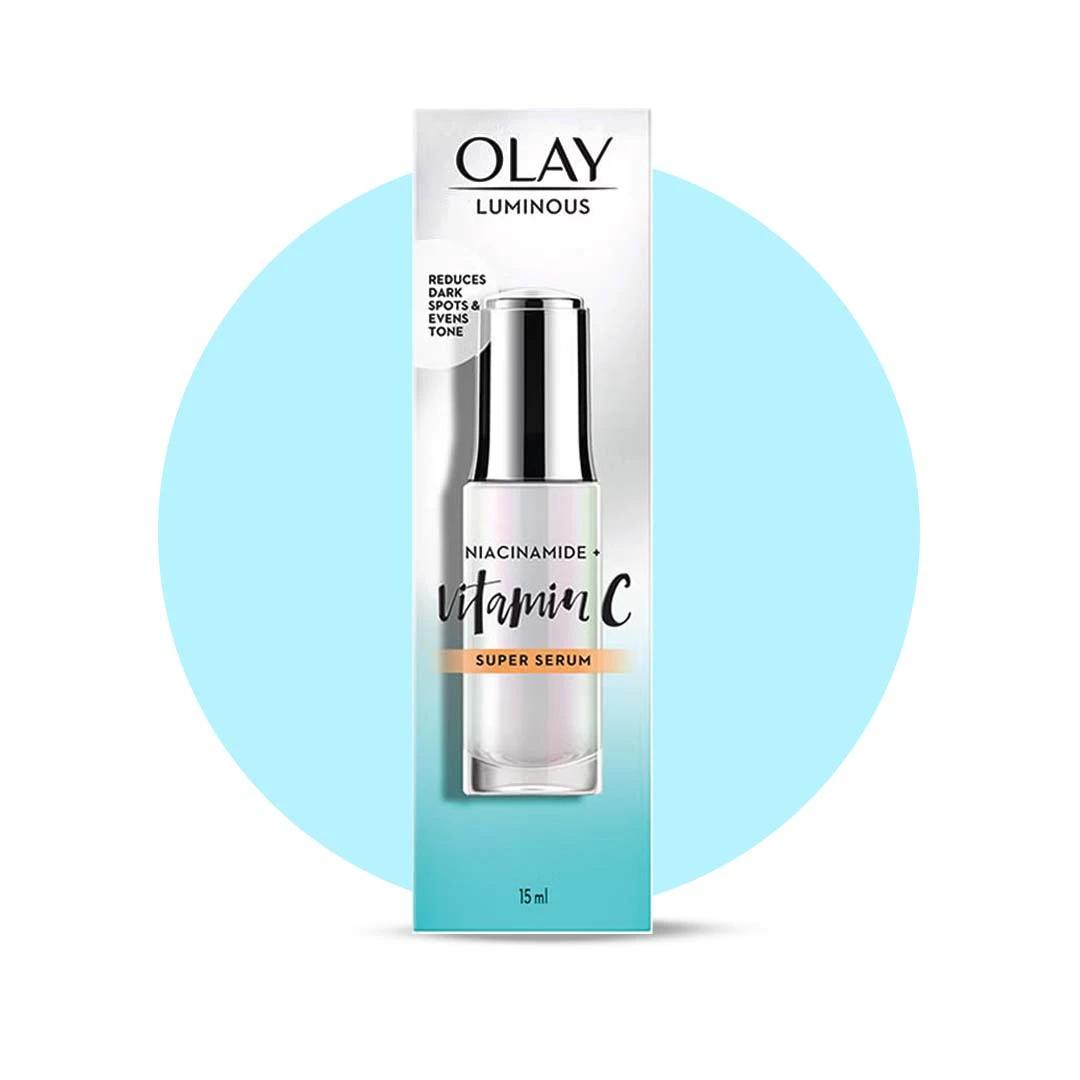

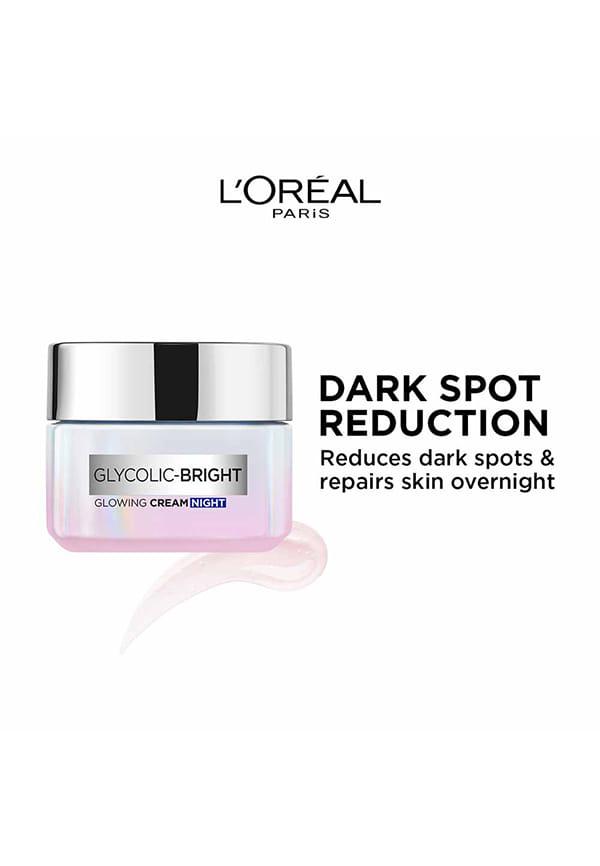
Glycolic Bright Glowing Night Cream
Great for Various Skin Types & Layers Well
 5
5“works well for oily, combination, and normal skin, and layers nicely under sunscreen and makeup. The packaging is convenient, and a little product goes a long”
Great for Various Skin Types & Layers Well
5“works well for oily, combination, and normal skin, and layers nicely under sunscreen and makeup. The packaging is convenient, and a little product goes a long”
Great for Various Skin Types & Layers Well
5“works well for oily, combination, and normal skin, and layers nicely under sunscreen and makeup. The packaging is convenient, and a little product goes a long”
Dark spots showing up uninvited on your face? You're not alone. Whether it's stubborn melasma, age spots that appeared out of nowhere, or post-acne marks that just won't budge, finding the right dark spot serum can feel overwhelming. With countless options promising miraculous results, how do you actually choose one that works? Let's break down everything you need to know about selecting a facial serum for dark spots that'll actually deliver results without the guesswork.
Before diving into serums, let's get real about what we're dealing with. Hyperpigmentation treatment isn't one-size-fits-all because dark spots come in different forms. You've got melasma (those symmetrical patches often triggered by hormones), age spots (thanks, sun damage), and post-inflammatory hyperpigmentation (hello, acne aftermath).
Here's what causes that uneven skin tone you're trying to fix: your skin produces excess melanin in response to triggers like UV exposure, hormonal changes, or inflammation. Think of melanin as your skin's protective mechanism gone a bit overboard. The good news? Pigmentation serums work by targeting this overproduction and helping fade existing spots.
Now, about those timeline expectations—because we know you're wondering. Most spot fading serums show initial results around 4-6 weeks, with significant improvement by 8-12 weeks. Anyone promising overnight miracles is probably overselling. Your skin needs time to turn over and reveal fresher, more even-toned layers underneath.
Not all skin brightening serums are created equal. The magic lies in the ingredients, and knowing what to look for can save you from wasting money on products that don't deliver.
Vitamin C serum deserves its reputation as a skin discoloration treatment superstar. Look for stable forms like magnesium ascorbyl phosphate or sodium ascorbyl phosphate if you have sensitive skin. L-ascorbic acid is potent but can be irritating for some.
Niacinamide (vitamin B3) at 5% concentration is your gentle giant. It regulates melanin production without the irritation that stronger actives might cause. Perfect for those wanting consistent results without drama.
Alpha arbutin at 2% concentration offers gentle yet effective pigmentation correction. It's particularly brilliant for those dealing with stubborn spots that seem immune to other treatments.
Kojic acid works as a natural age spot remover by inhibiting tyrosinase, the enzyme responsible for melanin production. It's especially effective for surface-level discolouration.
Tranexamic acid is gaining recognition in melasma serum formulations. It works by reducing inflammation and melanin synthesis, making it particularly effective for hormonal pigmentation.
Hyaluronic acid keeps your skin hydrated during treatment—crucial because some brightening ingredients can be drying. Retinol accelerates cell turnover, helping fade spots faster, whilst azelaic acid offers gentle exfoliation perfect for sensitive skin types.
Your skin type plays a massive role in which uneven skin tone corrector will work best for you. Let's match you with your perfect formula.
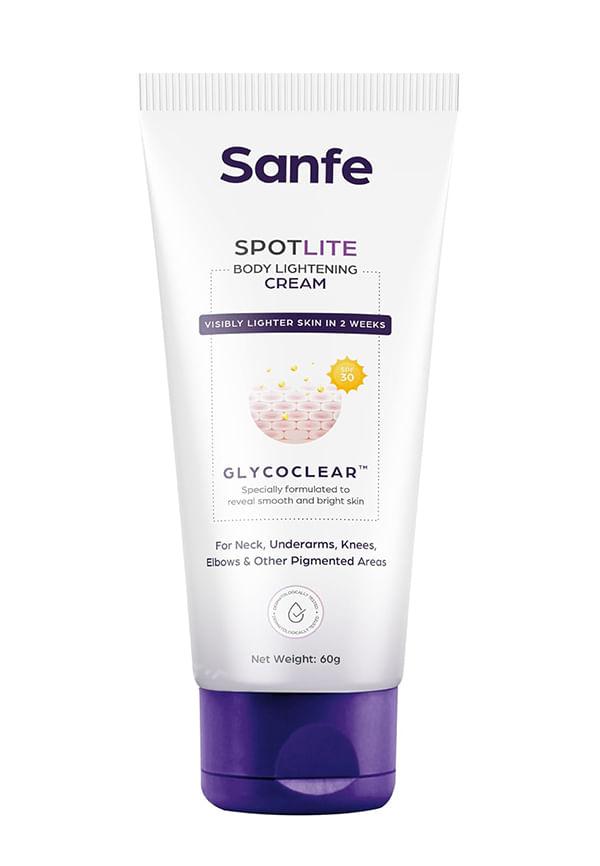
Dark Spot Body Serum Cream For Dark Neck Joints And Skinfolds with Lactic Acid and SPF 15
Brightens and Smoothens Skin
5“brightens the skin smoothens the skin”
Brightens and Smoothens Skin
5“brightens the skin smoothens the skin”
Good Product
5“yeah this profuct is good enough”
Oily skin types need lightweight, non-comedogenic formulations that won't add to shine or clog pores. Look for gel-based or water-based serums rather than oil-heavy formulas.
Niacinamide-based serums are particularly brilliant here—they control oil production whilst tackling pigmentation. Avoid heavy, creamy textures that might trigger breakouts.
Sensitive skin requires gentle hyperpigmentation treatment options. Start with lower concentrations and patch test everything. Alpha arbutin and azelaic acid are typically well-tolerated.
Introduce new products gradually—use every other day initially, then build up to daily use as your skin adapts. Your patience will pay off with consistent, irritation-free results.
Dry skin benefits from hydrating pigmentation serums that combine brightening actives with moisturising ingredients. Look for formulas containing hyaluronic acid or glycerin.
Consider layering your serum under a nourishing moisturiser to prevent any dryness or flaking that might occur during treatment.
Concentration matters when choosing your facial serum for dark spots. Too little won't be effective; too much might irritate your skin.
If you're new to skin brightening serums, start with 2% alpha arbutin or 10% vitamin C. These concentrations are effective yet gentle enough for most skin types.
Low-concentration formulas let you gauge your skin's tolerance whilst still seeing results. You can always upgrade to stronger formulations later.
Ready for stronger stuff? 5% niacinamide combinations or 20% vitamin C serums offer more intensive spot fading serum action.
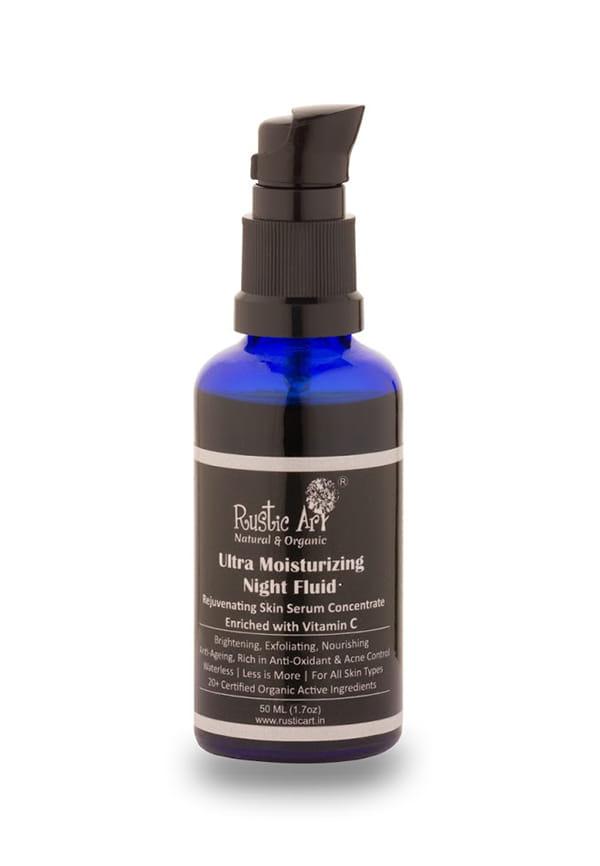
Organic Ultra Moisturizing Night Fluid
Multi-ingredient formulations combining several actives can be incredibly effective but require careful introduction to avoid irritation.
Having the right serum is only half the battle—application technique and consistency determine your success with any skin discoloration treatment.
Most pigmentation serums work best when applied to clean, dry skin. Use 2-3 drops for your entire face, focusing on problem areas but blending outwards for even coverage.
Morning or evening? Vitamin C works brilliantly in the morning under sunscreen, whilst retinol-based formulas are strictly evening-only. Always follow with SPF during the day—this isn't negotiable.
Week 1-2: Your skin adjusts to the new formula. You might notice slight dryness or mild irritation—this is normal.
Week 4-6: Initial improvements become visible. Dark spots start looking less intense, and overall skin tone appears more even.
Week 8-12: Significant improvement in pigmentation. This is when most people see the dramatic results they're hoping for.
Even the best age spot remover won't work if you're making these common errors. Let's help you avoid the pitfalls that derail results.
Over-application is tempting when you want faster results, but more isn't better. Stick to recommended amounts to avoid irritation that could actually worsen pigmentation.
Mixing incompatible ingredients can neutralise effectiveness or cause reactions. Avoid combining vitamin C with retinol or benzoyl peroxide in the same routine.
Skipping sun protection during treatment is like taking one step forward and two steps back. UV exposure will undo all your hard work and potentially create new dark spots.
Unrealistic timeline expectations lead to product-hopping before giving serums time to work. Stick with a product for at least 8 weeks before deciding it's not working.
Not patch testing new products, especially if you have sensitive skin, can lead to reactions that worsen pigmentation. Always test on a small area first.
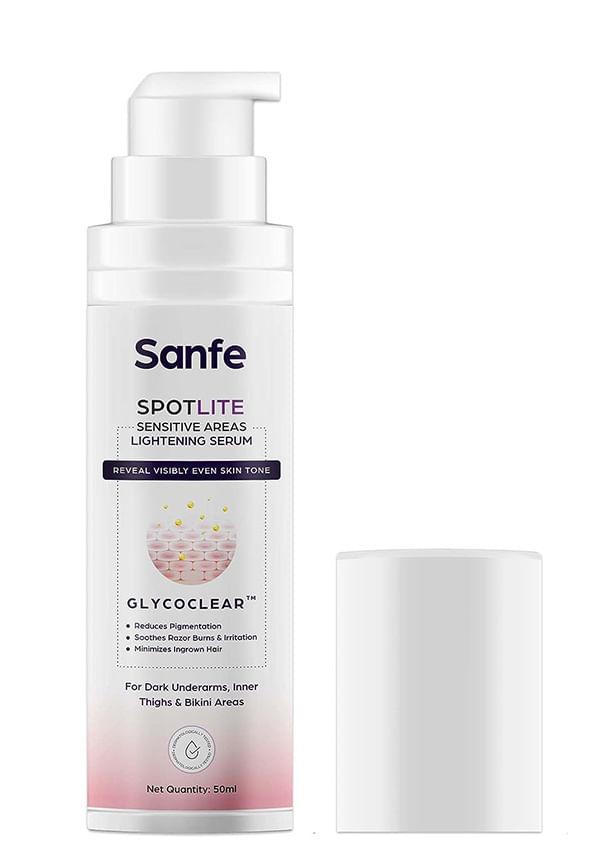
Dark Spot Sensitive Body Serum For Dark Underarms, Inner Thighs and Sensitive Areas
Gentle with Good Smell
5“gentle on skin doesn't irritate the skin and good smell”
Gentle with Good Smell
5“gentle on skin doesn't irritate the skin and good smell”
Best Results in First Use
4“best results in first use ......”
Finding the right dark spot serum doesn't have to involve expensive trial and error. Smytten, India's largest product discovery platform, offers curated trial packs from over 1,500 trusted brands including skincare favourites like Cetaphil and Dot & Key. With trial minis available for just ₹249 and 100% cashback redeemable for future purchases, you can explore different hyperpigmentation treatments without the commitment. When you find your perfect match, purchasing the full-size version is just a click away.
The best dark spot serum depends on your skin type and the type of pigmentation. For most people, serums containing 2% alpha arbutin, 5% niacinamide, or 10-20% vitamin C show excellent results. Sensitive skin types should start with gentler options like azelaic acid or lower concentrations.
For faster results, look for spot fading serums with multiple active ingredients like niacinamide combined with alpha arbutin, or vitamin C with kojic acid. However, 'fast' in skincare terms still means 4-6 weeks for initial results and 8-12 weeks for significant improvement.
Most people can use 2% kojic acid daily, but start with every other day to assess tolerance. If you experience irritation, reduce frequency. Always use sunscreen when using kojic acid as it can increase photosensitivity.
Removing dark spots in 7 days isn't realistic with topical treatments. The fastest you might see initial lightening is 2-3 weeks with consistent use of effective pigmentation serums. Be wary of products promising overnight results—they often contain harsh ingredients that can damage your skin.
Most skin brightening serums can be used by all skin types, but the formulation and concentration should match your specific needs. Oily skin handles stronger actives better, whilst sensitive skin requires gentler formulations. Always patch test first.
You can layer compatible serums, but avoid mixing actives that might react negatively. For example, use vitamin C in the morning and retinol at night, or alternate days with different treatments. When in doubt, consult a dermatologist or start with single-ingredient formulas.
Choosing the right dark spot serum comes down to understanding your skin type, selecting appropriate ingredients, and maintaining realistic expectations. Whether you're dealing with stubborn melasma or post-acne marks, the key is consistency and patience. Remember, effective hyperpigmentation treatment is a marathon, not a sprint.
With Smytten's trial platform, you can explore different uneven skin tone correctors from trusted brands without the risk of full-size purchases. Try multiple formulations, find what works for your unique skin needs, and make confident choices backed by actual experience. After all, why settle for guesswork when you can try it all?
