How to Choose the Best Daily Sunscreen for Acne-Prone Skin

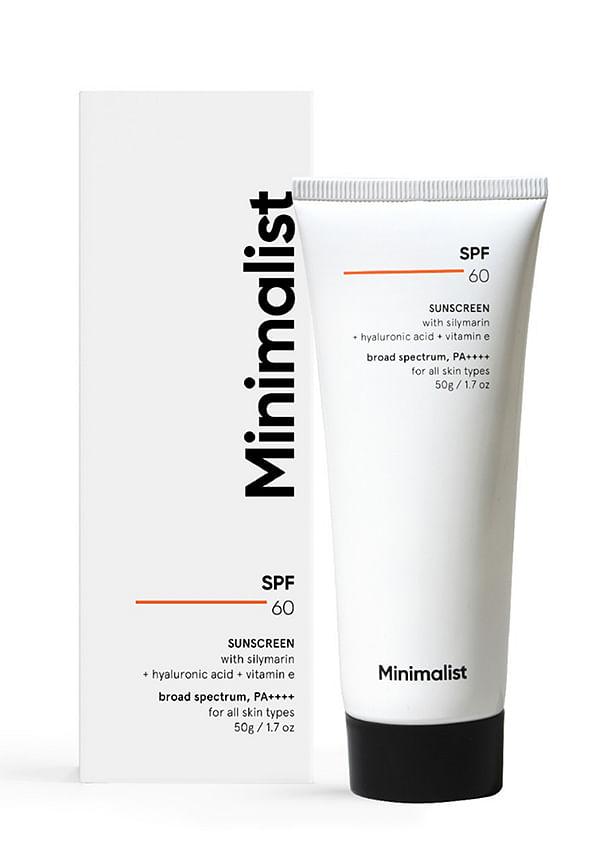
SPF 60 PA ++++ Sunscreen With Antioxidant Silymarin,Senstive Skin & Acne
High SPF is nice
 5
5“haven't really seen any sunscreen with spf 60 so its nice”
Good product
5“very good and very nice product”
Superb Product
5“superb product bahut hi sahi hain”
You've finally found an acne treatment that works, your skin is clearing up, and then summer hits. Suddenly, you're faced with the daily sunscreen dilemma: protect your skin from UV damage or risk clogged pores and fresh breakouts? If you've ever stood in the skincare aisle wondering whether that daily sunscreen for acne will actually help or harm your progress, you're not alone. The good news? You don't have to choose between sun protection and clear skin. Finding the right sunscreen for acne prone skin is absolutely possible—you just need to know what to look for.
Before diving into specific products, it's worth understanding why your skin reacts the way it does. Acne-prone skin tends to produce excess sebum, which can mix with dead skin cells and create the perfect environment for clogged pores. When you add a heavy, pore-clogging sunscreen to the mix, you're essentially giving your skin more reasons to break out.
But here's what many people don't realise: skipping sunscreen altogether can actually make acne worse in the long run. UV exposure increases inflammation, darkens post-inflammatory hyperpigmentation from old breakouts, and can even trigger more oil production as your skin tries to protect itself.
Your skin produces oil through sebaceous glands, and when these glands go into overdrive, the excess oil can trap bacteria and dead skin cells in your pores. Add hormonal fluctuations, stress, or the wrong skincare products, and you've got a recipe for regular breakouts. This is why choosing a non comedogenic sunscreen becomes crucial—it protects without adding to the problem.
Not all sunscreen ingredients are created equal when it comes to acne-prone skin. Heavy oils like coconut oil, cocoa butter, and certain silicones can clog pores. Fragrances and alcohol-based formulas might irritate already sensitive skin, leading to more inflammation. The key is looking for formulations specifically designed not to interfere with your skin's natural balance.
When you're shopping for the best sunscreen for acne, there are several non-negotiable features to keep in mind. These aren't just marketing buzzwords—they're genuinely important for keeping your skin clear while protected.
Non-comedogenic means the product has been formulated and tested not to clog pores. Look for this label on any sunscreen you're considering. However, keep in mind that what's non-comedogenic for one person might still cause issues for another, especially if you have particularly reactive skin.
An oil free sunscreen doesn't necessarily mean it's better—some oils are actually beneficial for acne-prone skin. What you want to avoid are heavy, comedogenic oils. Lightweight sunscreen for acne often comes in gel or fluid formulations that absorb quickly without leaving a greasy residue. These work particularly well if you're dealing with oily skin or live in a humid climate.
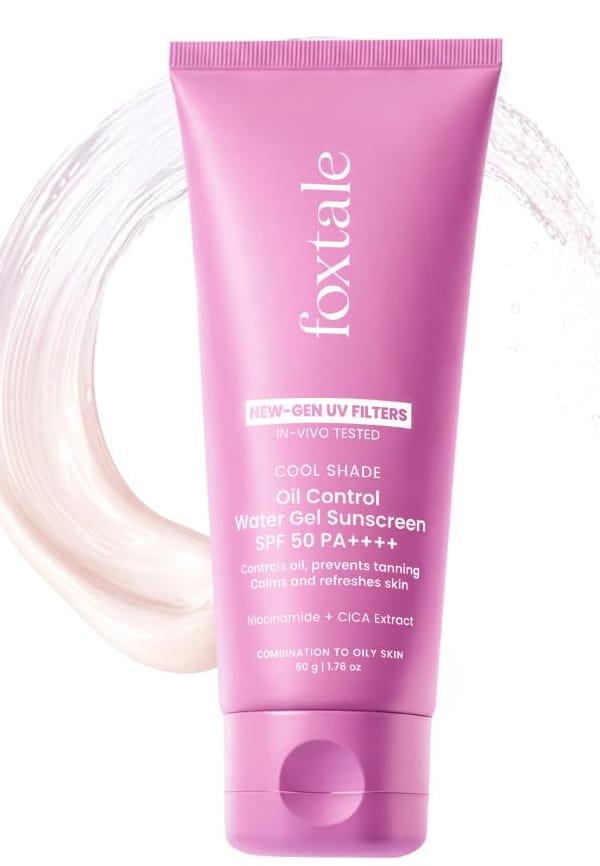
In-Vivo Tested Lightweight Aqua-Gel Sunscreen for Oily Skin | SPF 50 PA++++
Best sunscreen for oily skin
5“Best sunscreen for oily skin..”
Lightweight on skin
5“very lightweight, doesn't feel heavy on the skin”
Good Sunscreen Compared to Others
5“it was good sunscreen in comparison with others.”
Your daily sunscreen for acne should offer broad-spectrum protection with at least SPF 30. This protects against both UVA rays (which cause premature ageing and can darken acne scars) and UVB rays (which cause burning). For daily use, SPF 30-50 is perfectly adequate—going higher doesn't necessarily mean better protection and might mean a heavier formula.
The mineral versus chemical sunscreen debate is particularly relevant when you're dealing with acne-prone skin. Both types can work well, but they function differently and might suit different skin concerns.
Mineral sunscreen for acne uses physical blockers like zinc oxide and titanium dioxide to reflect UV rays away from your skin. Zinc oxide is particularly beneficial for acne-prone skin because it has natural anti-inflammatory properties and can actually help calm existing breakouts. These formulations tend to be gentler and are excellent for sunscreen for sensitive skin needs.
The main drawback used to be the white cast that mineral sunscreens left behind, but newer formulations have largely solved this problem. Many modern mineral sunscreens blend seamlessly into the skin.
Chemical sunscreens absorb UV rays and convert them to heat. They're often lighter in texture and easier to apply, making them popular choices for daily use. Modern chemical filters like avobenzone and octinoxate can provide excellent protection without the heaviness of older formulations.
However, some people with sensitive or reactive skin find chemical sunscreens irritating. If you're using active ingredients like retinoids or AHAs in your routine, a gentle mineral option might be safer.
The texture and formulation of your sunscreen can make or break your experience with daily SPF. Here's what works best for different acne-prone skin types.
Gel formulations are often the gold standard for oily, acne-prone skin. They absorb quickly, don't leave a greasy residue, and often have a cooling effect that feels refreshing on inflamed skin. These work particularly well in humid climates or if you're prone to sweating.
A good tinted sunscreen can serve double duty—protecting your skin while providing light coverage for post-inflammatory hyperpigmentation or active breakouts. This is an excellent sunscreen without white cast solution, and many tinted formulas are designed specifically for acne-prone skin.
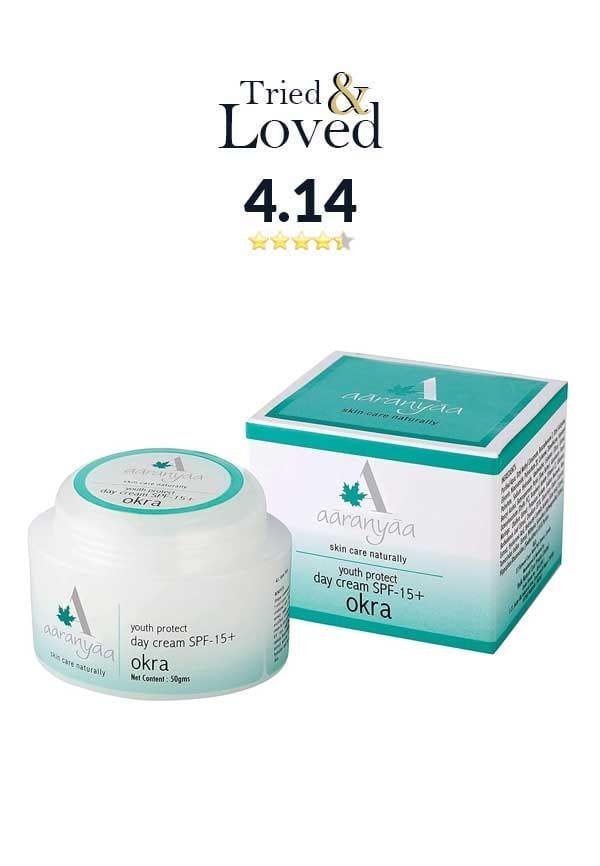
Day Cream - SPF 15
Ultra-lightweight fluid or serum sunscreens feel almost like water on the skin. They're perfect for layering under makeup or over acne treatments without feeling heavy or interfering with other products in your routine.
Choosing the right sunscreen isn't just about the formula—it's about finding something that fits seamlessly into your lifestyle and skincare routine. Consider your specific skin type, daily activities, and how the sunscreen will work with your existing products.
If you have oily skin with frequent breakouts, prioritise gel or fluid formulations. For combination skin, you might need different products for different areas of your face, or look for a balanced formula that won't over-dry or over-moisturise any particular zone.
Consider how much time you spend outdoors, whether you wear makeup daily, and how often you can realistically reapply. If you're mostly indoors, a lighter SPF 30 might be sufficient. If you're active outdoors or spend time near windows, you might want something more robust.
Even the best acne sunscreen won't work properly if you're not applying it correctly. Most people use far less sunscreen than they should—you need about a quarter teaspoon for your face alone.
Apply your sunscreen as the last step in your morning skincare routine, after moisturiser but before makeup. Give each layer time to absorb before applying the next. If you're using retinoids or acids, make sure your skin isn't irritated before applying sunscreen.
Your sunscreen should work with your existing routine, not against it. If you're using active ingredients, choose a gentle, non-irritating formula. Always remove your sunscreen thoroughly at night—double cleansing with an oil cleanser followed by a gentle foam cleanser works well for most people.

Vitamin C Sunscreen Spf-50
Wonderful Product
5“great product. works wonders. visible difference in my skin”
Yes, the wrong sunscreen can cause breakouts, but this is usually due to comedogenic ingredients or formulations that are too heavy for your skin type. Choosing a non comedogenic sunscreen specifically designed for acne-prone skin significantly reduces this risk.
Reapply every two hours when you're outdoors, or more frequently if you're sweating or swimming. For daily indoor use, one morning application is usually sufficient, though you might want to reapply if you're near windows or going outside during lunch.
Yes, it's not only safe but essential. UV exposure can worsen post-inflammatory hyperpigmentation and interfere with the healing process. Just make sure to choose a gentle formula that won't irritate already sensitive skin.
Face sunscreens are typically formulated to be lighter, less comedogenic, and more suitable for daily wear under makeup. Body sunscreens might be thicker and contain ingredients that could clog facial pores.
Not necessarily. A good sunscreen for acne prone skin should work for both concerns. However, if you have very active, inflamed breakouts, you might prefer a mineral formula with zinc oxide for its anti-inflammatory properties.
It depends on your skin type and the specific sunscreen. Some hydrating sunscreens can replace your morning moisturiser, especially if you have oily skin. However, if you're using active ingredients or have dry patches, you might still need a separate moisturiser.
Finding the right daily sunscreen for acne might take some trial and error, but it's one of the most important steps you can take for both your current skin health and long-term skin protection. The key is understanding your skin's specific needs and choosing a formula that protects without compromising your progress with acne treatments.
Remember, consistency matters more than perfection. A lightweight, comfortable sunscreen that you'll actually use every day is infinitely better than a "perfect" formula that sits unused in your bathroom cabinet. Your skin will notice the difference, and your future self will thank you for the protection.
If you're curious about trying different formulations before committing to full-size products, platforms like Smytten let you explore minis from trusted brands. With over 28 million users discovering products through trial sizes, it's a smart way to find your perfect match without the guesswork. After all, when it comes to skincare, why settle for maybe when you can find exactly what works for your skin?
