How to Choose the Best Age Spot Serum: A Comparison Guide


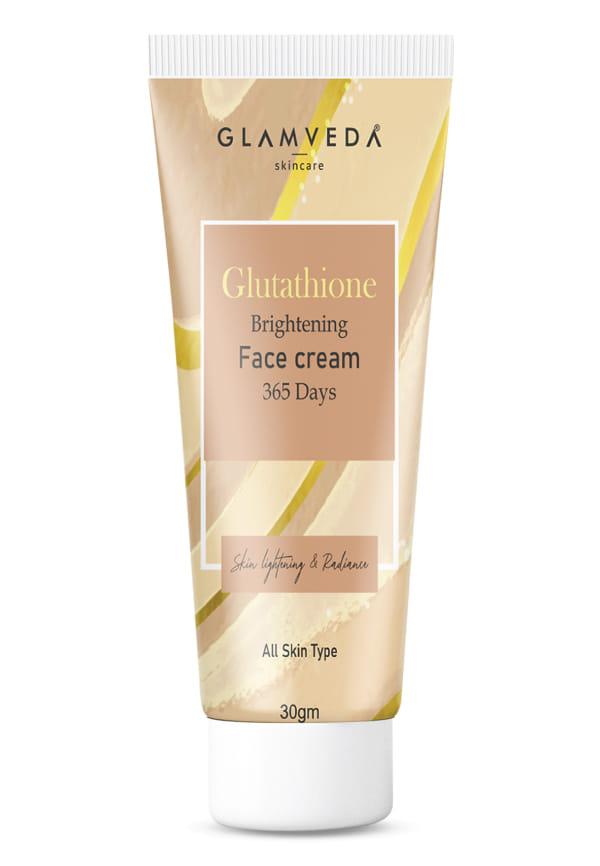
Glutathione Brightening Face Cream Reduce Dark spots & Age spots with Vitamin C
Effective for Brightening & Hydration
 4
4“Lightweight cream brightens skin and hydrates well.See improved radiance and slightly faded dark spots with regular use. Results vary; not dramatic for deep aging lines or spots”
Positive Product Review
4“good product , nice smell, I like it”
Excellent Cream
5“this is the best cream and smell is too good”
Age spots can feel like unwelcome guests that overstayed their welcome on your skin. Whether they're from years of sun exposure or just part of your skin's natural journey, finding the right age spot serum can feel overwhelming with so many options out there. The good news? With the right knowledge and a solid age spot serum comparison, you can make a choice that actually works for your skin. Let's break down everything you need to know about choosing a serum that might just become your new skincare hero.
Before diving into serums, let's get real about what we're actually dealing with. Age spots aren't just about getting older—they're your skin's way of showing how it's handled life's adventures, especially those sunny beach days and outdoor festivals.
Age spots are basically your skin's memory bank of UV exposure. When your skin gets hit with sunlight, it produces melanin to protect itself—think of it as your skin's natural sunscreen. But sometimes, this melanin gets a bit too enthusiastic and clumps together, creating those darker patches we call age spots.
These spots love to show up on areas that get the most sun action—your face, hands, shoulders, and chest. They're different from melasma (which is often hormone-related) and post-inflammatory hyperpigmentation (which comes from acne or skin injuries). Understanding what type of skin discoloration treatment you need is the first step in your journey.
Not all dark spots are created equal, and your age spot treatment approach should reflect that. Surface-level spots respond differently than deeper pigmentation that's been hanging around for years.
If you have sensitive skin, you'll want gentler formulations that won't leave you looking like a tomato. Mature skin often needs extra hydration alongside brightening ingredients, while younger skin might handle stronger actives better. Some people are dealing with a combination of concerns—maybe acne scars mixed with sun spots—which calls for a more strategic approach.
Here's where things get interesting. The world of dark spot corrector ingredients can feel like a chemistry lesson, but once you know what to look for, it becomes much easier to navigate your options.
Vitamin C is probably the most talked-about ingredient for good reason. L-ascorbic acid is the gold standard, but it can be a bit temperamental (hello, oxidation!). Stable derivatives like magnesium ascorbyl phosphate are gentler options that still pack a punch.
Retinoids are the overachievers of skincare. Retinol speeds up cell turnover, helping fade spots faster, whilst retinyl palmitate offers a gentler introduction for beginners. Just remember—start slow with these powerhouses.
Niacinamide is like that reliable friend who gets along with everyone. It's gentle, effective, and plays well with other ingredients. Look for concentrations between 5-10% for optimal results without irritation.
Hydroquinone is considered the gold standard for hyperpigmentation serum formulations, but it's not available over-the-counter in some countries. When available, it's highly effective but requires careful use.
Alpha Arbutin is hydroquinone's gentler cousin—perfect for sensitive skin that still wants results. Kojic Acid brings natural brightening properties from fungi, offering another gentle yet effective option.
The best skin brightening serum formulations don't just rely on one star ingredient. Hyaluronic acid keeps skin plump and hydrated, whilst peptides support skin repair processes.
Antioxidants like vitamin E and ferulic acid protect against future damage, and gentle exfoliating acids like glycolic and lactic acid help remove dead skin cells, allowing brightening ingredients to work more effectively.
Now for the fun part—actually comparing your options. The best serum for dark spots isn't a one-size-fits-all situation, so let's break it down by what matters most to your skin.
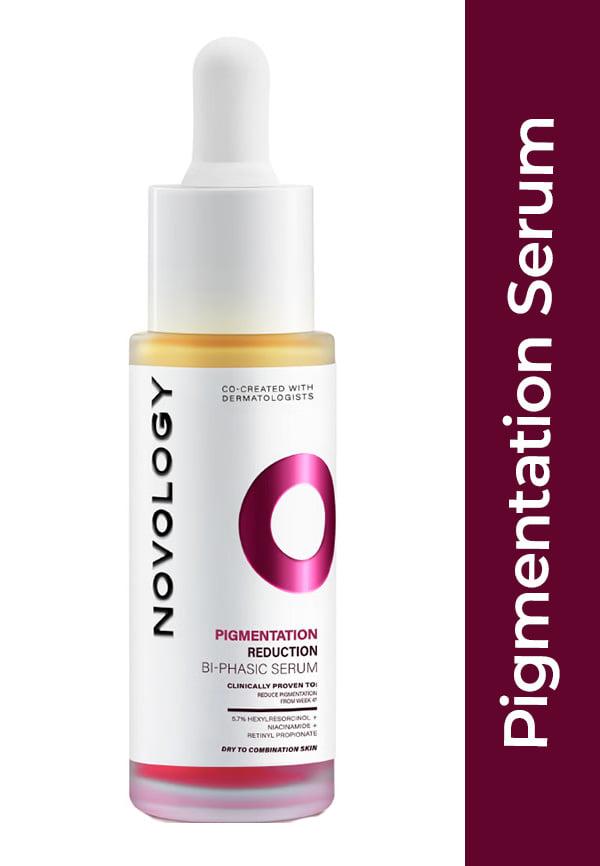
Pigmentation Serum, Bi-Phasic Face Serum for Hyperpigmentation & Dark Spots
Nice Product, Love It
5“nice product i love it.........”
Effective Product
5“can see the result soon... very effective”
Positive Product Feedback
5“I like this product this is good 😊”
For sensitive skin, look for formulations with lower concentrations of actives and soothing ingredients like allantoin or centella asiatica. These won't leave you red and irritated whilst still working on those spots.
Oily or acne-prone skin benefits from lightweight, non-comedogenic serums that won't clog pores. Niacinamide is particularly brilliant here as it also helps control oil production.
Dry or mature skin needs formulations that combine brightening with serious hydration. Look for serums that include hyaluronic acid or ceramides alongside your active ingredients.
Combination skin calls for balanced formulations that won't over-dry your cheeks or make your T-zone even oilier.
Budget-friendly options (₹800-2,400) from drugstore brands can be surprisingly effective. Don't let the price fool you—some of these formulations rival their expensive counterparts.
Mid-range serums (₹2,400-6,400) often offer more sophisticated formulations with multiple active ingredients and better packaging to preserve potency.
Luxury or clinical options (₹6,400+) typically feature higher concentrations, patented delivery systems, or dermatologist-developed formulations.
Starting with beginner-friendly concentrations prevents the dreaded purging phase that can make you want to give up entirely. Intermediate strength formulas work well once your skin has adjusted, whilst maximum strength options are for experienced users or stubborn spots.
The key is gradual introduction—your skin will thank you for taking it slow rather than going full throttle from day one.
Here's where things get a bit detective-like. Not all claims are created equal, and learning to separate marketing fluff from real results will save you time, money, and disappointment.
Look for ingredients with solid clinical backing. FDA-approved ingredients have been through rigorous testing, whilst cosmetic claims might be based on smaller studies or user surveys.
When brands mention before/after studies, check if they're done by independent labs or in-house. Timeline expectations matter too—most effective age spot removal takes 8-12 weeks of consistent use, so be wary of promises of overnight results.
Authentic reviews are gold mines of information. Look for detailed accounts that mention skin type, timeline, and any side effects. Be cautious of reviews that sound too perfect or don't mention any adjustment period.
Common side effects like initial dryness or mild irritation are normal with many actives. The key is knowing what's normal adjustment versus what's a red flag to stop using the product.
Proper application can make or break your results. Most serums work best on clean, slightly damp skin, applied before heavier products like moisturisers.
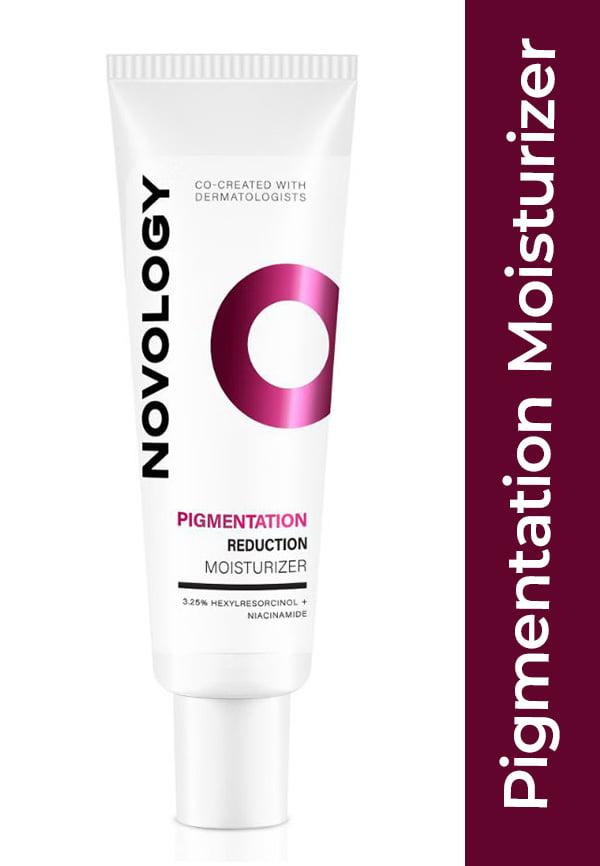
Pigmentation Moisturiser, Face Cream for Hyperpigmentation & Dark Spots
Amazing Product!
5“it really works. i tried it first time and m with love this product best brand I ever used”
Great Product, Will Buy Again
5“nice product richer base repurchase product”
Great for Oily Skin
5“Excellent product for oily skin.”
Morning versus evening use depends on the ingredients—vitamin C loves morning application with SPF, whilst retinoids prefer nighttime. Always, always use sun protection when using brightening ingredients, as they can make your skin more photosensitive.
Different types of pigmentation call for different approaches. Let's get specific about what works best for your particular situation.
For sun spot treatment, high vitamin C concentration formulas are your best friends. Look for serums with 15-20% L-ascorbic acid or stable derivatives combined with vitamin E and ferulic acid for maximum potency.
UV damage repair ingredients like niacinamide and alpha arbutin work well in combination with vitamin C. Some formulations cleverly combine prevention and treatment, offering antioxidant protection alongside brightening actives.
Melasma treatment requires a gentler touch since hormonal pigmentation can be more stubborn and sensitive to irritation. Look for hormone-safe ingredients like azelaic acid, kojic acid, and lower concentrations of vitamin C.
If you're pregnant or breastfeeding, stick to ingredients like vitamin C, niacinamide, and azelaic acid whilst avoiding retinoids and hydroquinone.
Mature skin benefits from formulations that tackle multiple concerns simultaneously. Look for serums that combine brightening ingredients with peptides, hyaluronic acid, and gentle anti-ageing actives.
Hydrating formulas prevent the dryness that can make pigmentation look more pronounced, whilst gentle options ensure you won't irritate increasingly sensitive mature skin.
Let's talk about the pitfalls that can derail your fade dark spots journey. Avoiding these common mistakes can save you weeks of frustration and potential skin damage.
Over-application is probably the biggest mistake people make. More isn't always better—using too much can lead to irritation without improving results. A few drops of serum should cover your entire face.
Skipping patch tests might seem like a time-saver, but it's not worth the risk of a full-face reaction. Test new products on your inner arm for 24-48 hours before applying to your face.
Inconsistent use is another results-killer. Skincare isn't like taking paracetamol—you can't just use it when you remember and expect results. Consistency is absolutely key.
Mixing incompatible ingredients can neutralise effectiveness or cause irritation. For example, vitamin C and retinol don't play well together in the same routine.
Understanding treatment timelines prevents disappointment. Surface-level spots might fade in 4-6 weeks, but deeper pigmentation can take 3-6 months or longer.
Some spots are simply too deep or stubborn for at-home treatment. Recognising when it's time to see a dermatologist can save you from wasting money on products that won't work for your specific situation.
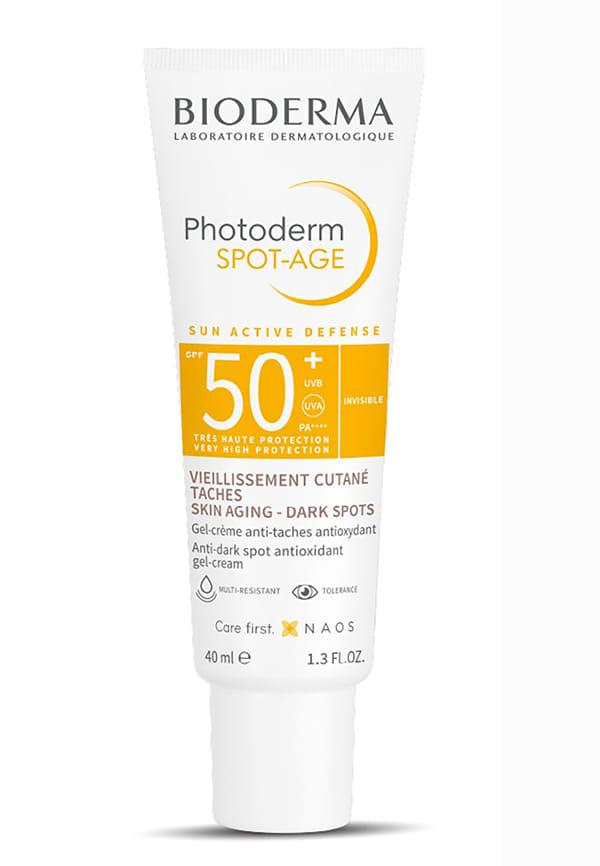
Photoderm Spot Age SPF 50+ Reduces Spots And Wrinkles Antioxidant Boosted Suncare
Sometimes, the best approach combines professional guidance with at-home maintenance. Knowing when to seek professional help can accelerate your results significantly.
If you've been consistent with a good routine for 3-4 months without seeing improvement, it might be time for professional intervention. Dermatologists have access to prescription-strength ingredients and procedures like chemical peels or laser treatments.
Any spots that change in size, shape, or colour should be evaluated immediately—this isn't about vanity, it's about health.
Professional procedures can jumpstart your results, making at-home maintenance more effective. Think of it as giving your skincare routine a head start.
Developing a consistent routine is crucial, but it's not just about the products. Lifestyle factors like diet, sleep, and stress management all impact your skin's ability to repair and regenerate.
Proper product combinations can amplify results—for example, using a gentle exfoliant once or twice weekly can help your brightening serum penetrate better.
Long-term maintenance strategies prevent new spots from forming whilst you're working on existing ones. This means religious SPF use and antioxidant protection.
The best age spot serum depends on your skin type and sensitivity level. Top dermatologist-recommended options include vitamin C serums with L-ascorbic acid, retinol-based formulas, and niacinamide serums for sensitive skin. The key is finding one that matches your skin's tolerance and sticking with it consistently.
Niacinamide serums are highly effective for dark spots, reducing hyperpigmentation appearance over time with consistent use. Vitamin C and retinol serums also show excellent results for most skin types. The most effective serum is one you'll actually use consistently for at least 8-12 weeks.
Most age spot serums show initial results in 4-6 weeks, with significant improvement visible after 8-12 weeks of consistent daily use. Deeper spots may require 3-6 months of treatment. Patience is key—rushing the process often leads to irritation and setbacks.
Yes, but introduce products gradually and avoid mixing strong actives like retinol and vitamin C in the same routine. Layer products from thinnest to thickest consistency, and consider using different actives at different times of day to prevent irritation.
Serums have smaller molecules that penetrate deeper into skin and typically contain higher concentrations of active ingredients, whilst creams provide more hydration and surface protection. Serums are generally more potent for targeting specific concerns like pigmentation.
Choosing the right age spot serum doesn't have to feel like solving a puzzle. The key is understanding your skin's specific needs, starting with gentle formulations, and being patient with the process. Remember, the best serum is one that works for your skin type, fits your budget, and that you'll actually use consistently.
This is where platforms like Smytten become incredibly valuable in your skincare journey. As India's largest product discovery and trial platform, Smytten connects you with over 1,500 trusted brands including skincare favourites like Cetaphil and Dot & Key. Instead of committing to full-size products and hoping for the best, you can try curated trial packs to find what actually works for your skin. With up to 8 minis for just ₹249 and 100% cashback redeemable for future orders, you can experiment with different age spot serums without the financial risk. Once you find your perfect match, buying the full-size version is just a click away. After all, why settle for 'maybe' when you can Try It All and make confident, informed choices about your skincare routine?
