How to Choose Sunscreen Gel SPF 50 for Your Face

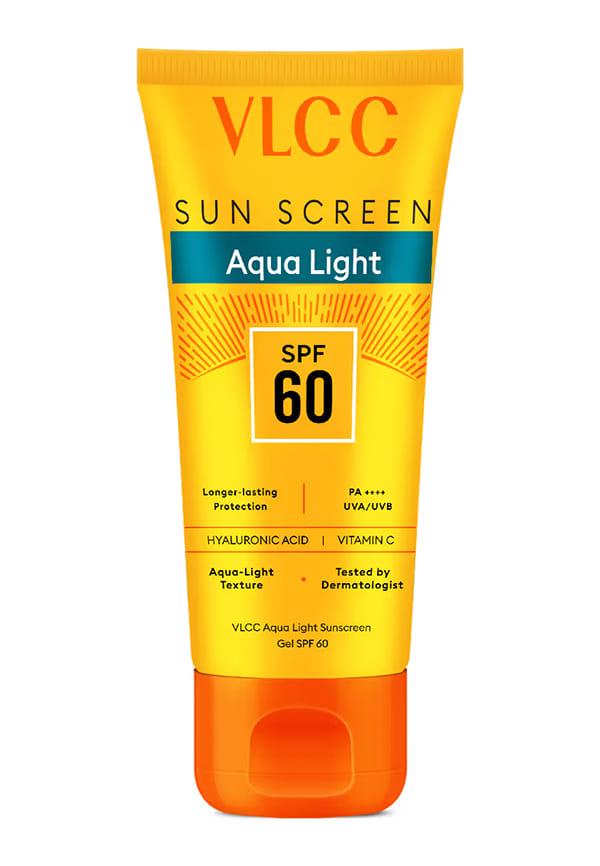
Aqua Light Sunscreen Gel SPF 60 PA++++
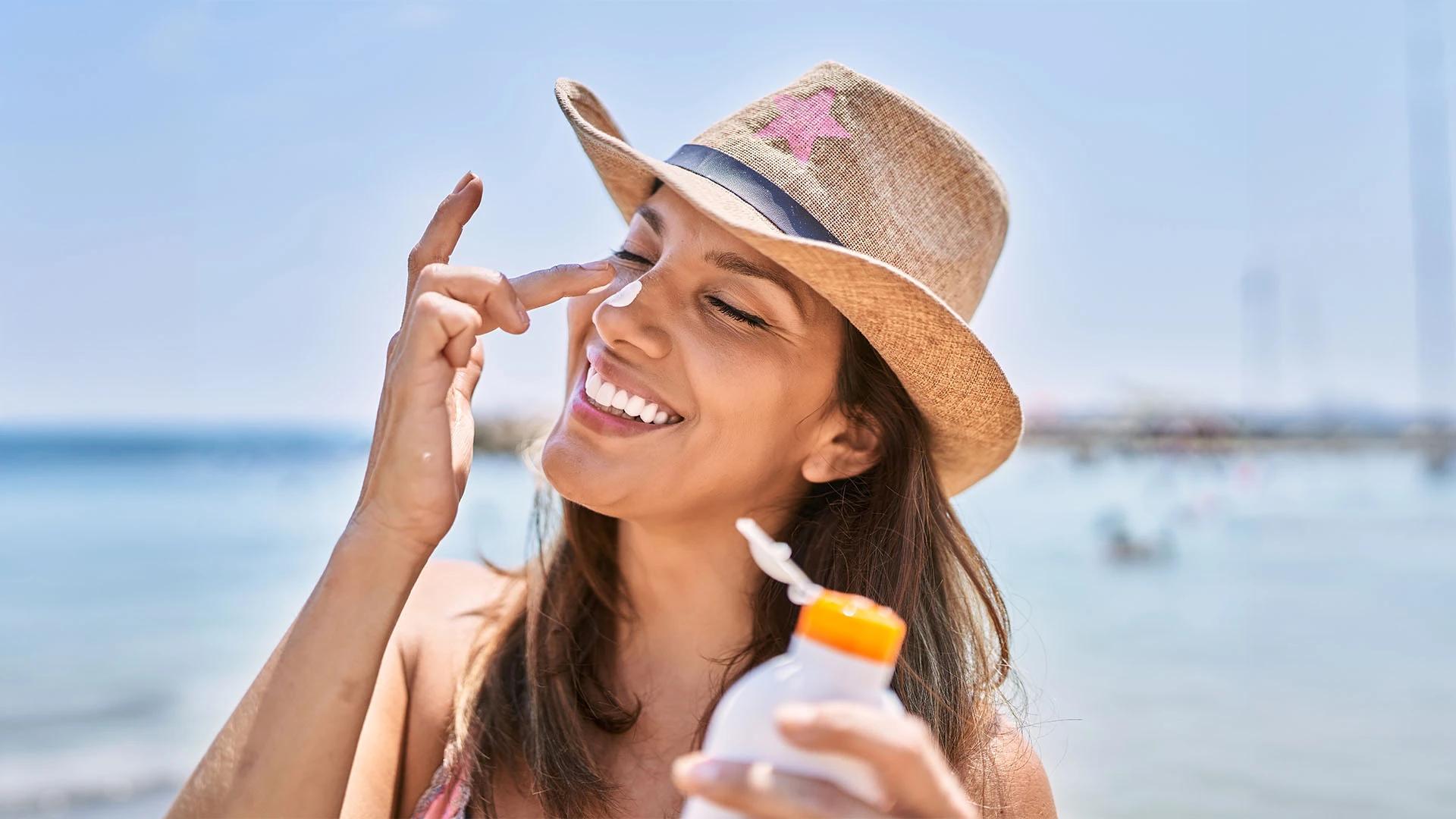
You know that moment when you're standing in the skincare aisle, completely overwhelmed by rows of sunscreen options? The labels promise everything from "lightweight protection" to "invisible finish," but finding the right sunscreen gel SPF 50 for your face feels like solving a puzzle. Your skin deserves daily protection that actually works with your routine, not against it. Whether you're dealing with oily skin that turns every cream into a greasy mess or sensitive skin that reacts to half the products you try, choosing the right sunscreen for face protection doesn't have to be guesswork.
Real talk: your face takes the brunt of UV damage every single day. Even those quick trips to the corner shop or sitting by a window during work-from-home calls expose your skin to harmful rays. SPF 50 sunscreen blocks approximately 98% of UVB rays, making it the gold standard for daily protection without going overboard.
The thing about facial skin is that it's more delicate and reactive than the skin on your body. It's constantly exposed, produces more oil, and needs to play nicely with your skincare routine and makeup. This is where gel sunscreen formulations shine. Unlike heavy creams that can clog pores or leave white residue, gel textures absorb quickly and create a smooth base for whatever comes next in your routine.
UV damage isn't just about preventing sunburn. Daily exposure without proper sun protection leads to premature ageing, dark spots, and uneven skin tone. Those post-acne marks you're trying to fade? UV exposure makes them darker and more stubborn. Your skin's natural repair processes slow down when it's constantly defending against sun damage, which means every other product in your routine works less effectively.
The texture of your sunscreen matters more than you might think, especially when you're applying it to your face every single day. Gel sunscreen formulations have a water-based consistency that feels lighter on skin and absorbs faster than traditional cream formulas. This makes them particularly brilliant for anyone who's struggled with heavy, sticky sunscreens in the past.
If you live in a humid climate or your skin tends to get oily throughout the day, gel formulas are worth considering. They don't add extra moisture that your skin doesn't need, and they typically have a more matte finish. This means less shine, less greasiness, and better makeup application if that's part of your routine.
Oily skin and gel sunscreens are a match made in skincare heaven. The lightweight texture won't add to the oil your skin naturally produces, and many gel formulations include ingredients like niacinamide that actually help control excess sebum. If you've ever skipped sunscreen because it made your skin look greasy, a good oil free sunscreen in gel form might change your mind.
For active lifestyles, gel sunscreens typically feel more comfortable during workouts or outdoor activities. They're less likely to run into your eyes when you sweat, and the quick absorption means you can reapply without that heavy, layered feeling.
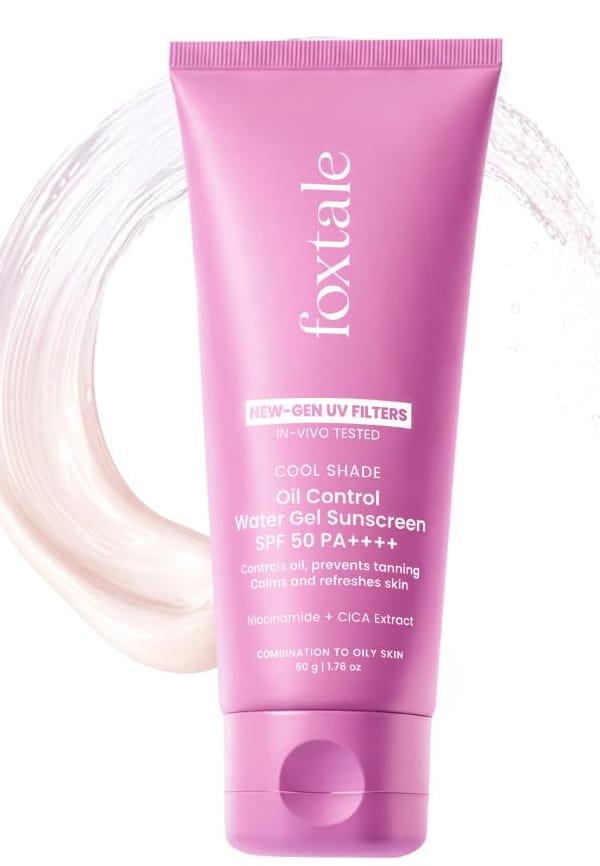
In-Vivo Tested Lightweight Aqua-Gel Sunscreen for Oily Skin | SPF 50 PA++++
Your skin type should be the starting point for choosing any facial product, and sunscreen is no exception. What works brilliantly for your friend's combination skin might leave your sensitive skin irritated, or what controls oil on someone else might not provide enough hydration for your needs.
If your skin produces excess oil, especially in your T-zone, look for sunscreen for oily skin that's specifically formulated to work with your skin's natural tendencies rather than fighting them. Non comedogenic sunscreen is essential – this means it won't clog your pores or contribute to breakouts.
Ingredients like zinc oxide and titanium dioxide not only provide excellent UV protection but also have oil-absorbing properties. Some gel formulations include mattifying agents that help control shine throughout the day. The key is finding a formula that protects without adding to the oiliness you're already managing.
Sensitive skin requires extra care when choosing sunscreen for sensitive skin. Look for fragrance-free formulations and avoid chemical filters like oxybenzone or octinoxate if your skin tends to react. Mineral sunscreens with zinc oxide and titanium dioxide are generally gentler, though modern formulations have come a long way from the thick, white pastes of the past.
Always patch test a new sunscreen on a small area of skin before applying it to your entire face. Apply a small amount behind your ear or on your inner wrist and wait 24-48 hours to see if any irritation develops.
Combination skin can be tricky because different areas of your face have different needs. A good daily sunscreen for combination skin should be lightweight enough for your T-zone but hydrating enough for drier areas like your cheeks. Some people find success using different products on different areas of their face, but a well-formulated gel can often work across all zones.
For dry skin, look for gel formulations that include hydrating ingredients like hyaluronic acid or glycerin. These help maintain moisture while providing protection.
Understanding what's actually in your sunscreen helps you make better choices for your specific skin needs. Broad-spectrum protection is non-negotiable – this means the formula protects against both UVA and UVB rays. UVB rays cause burning, while UVA rays penetrate deeper and cause ageing and pigmentation.
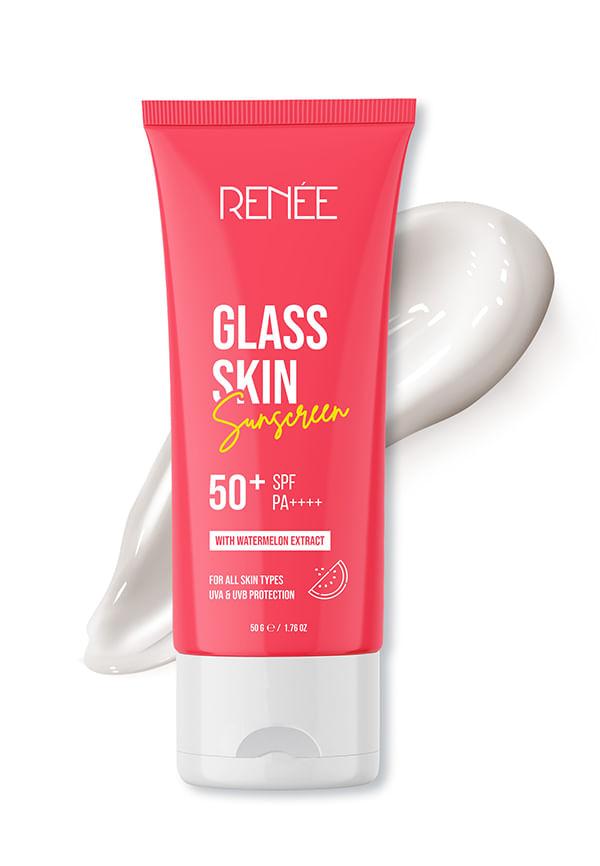
Glass Skin Gel Sunscreen with SPF 50+
Chemical filters like avobenzone, octyl salicylate, and homosalate work by absorbing UV rays and converting them to heat. They tend to create more lightweight, invisible formulas. Physical or mineral filters like zinc oxide and titanium dioxide sit on top of skin and reflect UV rays away. They're generally better for sensitive skin but can sometimes leave a slight white cast.
Beyond UV filters, look for beneficial additions. Niacinamide helps control oil production and can improve skin texture over time. Hyaluronic acid provides hydration without heaviness. Antioxidants like vitamin E or green tea extract offer additional protection against environmental damage.
Avoid ingredients that might irritate your skin or cause breakouts. Fragrances, essential oils, and certain preservatives can be problematic for sensitive skin types.
Even the best sunscreen won't protect you properly if you're not applying it correctly. The general rule is about 1/4 teaspoon for your face and neck – that's more than most people think. It might seem like a lot at first, but proper coverage is essential for the SPF rating to be effective.
Apply sunscreen as the last step in your skincare routine, after moisturiser but before makeup. Give it a few minutes to absorb before applying foundation or concealer. If you're using other active ingredients like retinol or acids, apply sunscreen in the morning and save those treatments for evening use.
Reapplication is crucial, especially if you're spending time outdoors or in bright indoor lighting. Every two hours is the standard recommendation, though you might need to reapply more frequently if you're sweating or touching your face often. For touch-ups over makeup, consider powder sunscreens or setting sprays with SPF.
When you're comparing options, water resistance can be important even for daily wear. It doesn't just matter for swimming – water-resistant formulas tend to stay put better during normal daily activities, including light sweating or humid weather.
Look for non comedogenic certification on the packaging. This testing ensures the formula won't clog pores, which is especially important if you're prone to breakouts or have oily skin. Some brands also test for compatibility with sensitive skin or specific skin conditions.
Packaging matters too. Tubes are generally more hygienic than jars, and pump dispensers make it easier to get the right amount without contaminating the product. Consider the size as well – a larger tube might be better value, but a smaller one is more convenient for travel or keeping in your bag for reapplication.
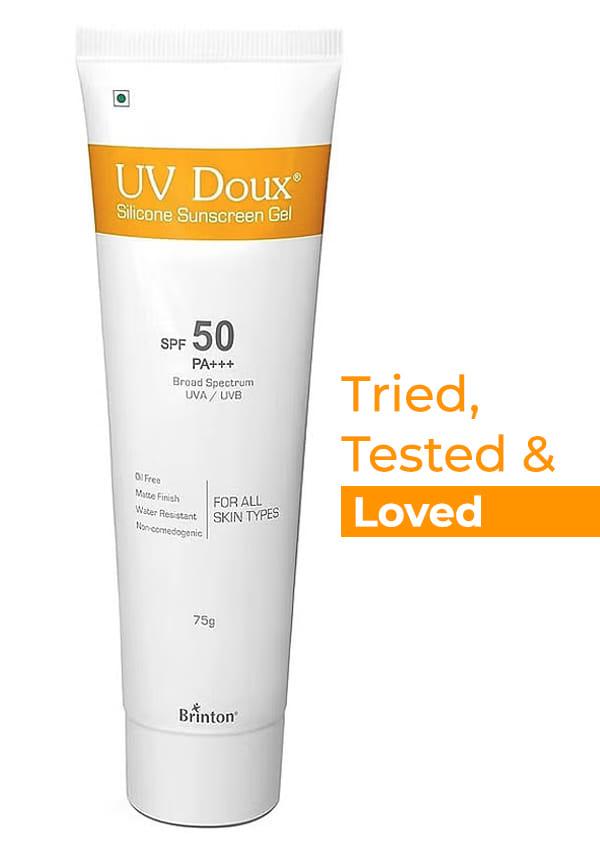
Silicone Sunscreen Gel with SPF 50 PA +++
It depends on your skin type and preferences. Gel formulations are typically better for oily or combination skin because they're lighter and less likely to clog pores. They also work well in humid climates. Cream formulations might be better for very dry skin as they provide more moisture along with protection.
SPF 50 gel sunscreen protects your skin from harmful UV rays that cause sunburn, premature ageing, and skin damage. The gel formula provides this protection in a lightweight, fast-absorbing texture that works well under makeup and doesn't leave a greasy residue.
Yes, most gel sunscreens work well under makeup. Apply the sunscreen first, let it absorb for a few minutes, then apply your makeup as usual. The lightweight texture of gel formulas typically creates a smooth base for foundation and concealer.
Reapply every two hours for optimal protection, or more frequently if you're sweating, swimming, or touching your face often. For daily indoor activities, you might get away with one morning application, but outdoor activities require more frequent reapplication.
No, SPF 50 is perfectly safe for daily use on your face. Dermatologists actually recommend using at least SPF 30 daily, and SPF 50 provides excellent protection without being excessive. The key is choosing a formula that feels comfortable on your skin.
If you're dealing with fungal acne (malassezia), look for sunscreens that are free from oils, esters, and certain fatty acids that can feed the yeast. Mineral sunscreens with zinc oxide are often a good choice, as are gel formulations that avoid problematic ingredients.
Choosing the right sunscreen gel SPF 50 for your face is about finding the balance between effective protection and daily wearability. Your skin will notice the difference when you find a formula that feels comfortable enough to use consistently. Remember, the best sunscreen is the one you'll actually apply every day.
The skincare market offers incredible variety, and platforms like Smytten make it easier to discover products that work for your specific needs. With over 28 million users exploring curated selections from trusted brands, you can find quality options that fit your skin type and budget. If you're curious about trying different formulations before committing to full sizes, Smytten also offers minis from many brands, letting you test products before you invest in the full-size versions.
