How to Choose Sunscreen for Acne-Prone Skin
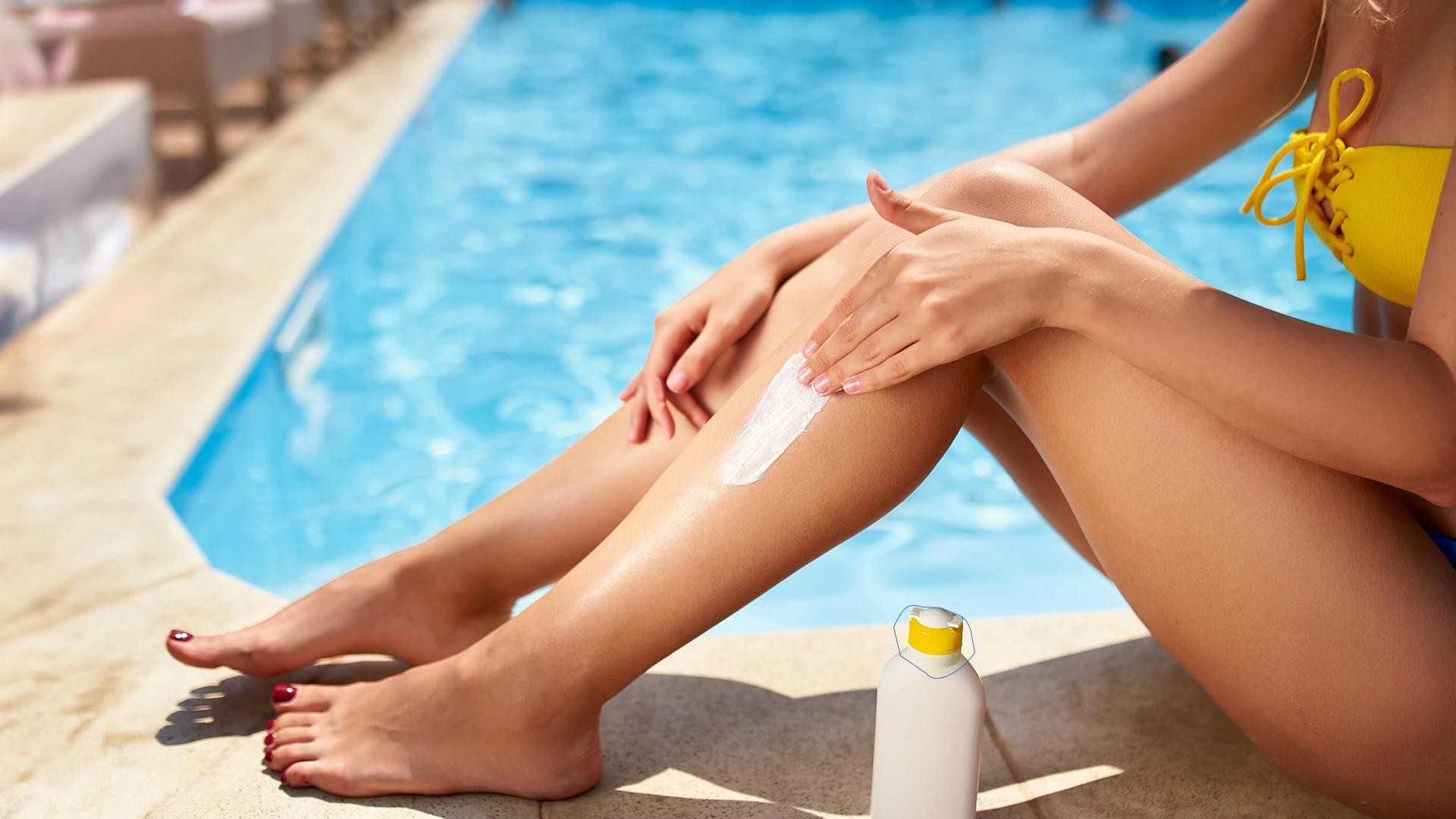

Finding the right sunscreen when you have acne-prone skin can feel like walking through a minefield. One wrong choice and you're dealing with new breakouts on top of sun damage. But here's the thing—skipping sunscreen altogether isn't the answer. UV rays can actually make acne worse by increasing inflammation and darkening post-acne marks. The trick is knowing what to look for in the best sunscreens for acne-prone skin. Let's break down everything you need to know to protect your skin without triggering those dreaded breakouts.
Real talk—acne-prone skin is already dealing with enough drama. Adding the wrong sunscreen for acne to the mix can turn your skincare routine into a complete disaster. When your skin is already inflamed and sensitive, it reacts differently to products compared to "normal" skin types.
Sun damage doesn't just give you wrinkles down the line. It actually makes acne inflammation worse and can turn those red marks into permanent dark spots. Plus, many acne treatments like retinoids and acids make your skin more sensitive to UV rays. This means you absolutely need daily protection, but it has to be the right kind.
The biggest mistake? Thinking any SPF will do. Heavy, greasy formulas can clog pores faster than you can say "breakout." Meanwhile, some chemical filters can irritate already sensitive skin. That's why choosing a sunscreen for sensitive skin that's specifically formulated for acne-prone complexions is worth the extra research.
When you're shopping for the perfect non-comedogenic sunscreen, the ingredient list is your best friend. Some ingredients are absolute heroes for acne-prone skin, while others should be avoided at all costs.
Mineral sunscreen options like zinc oxide and titanium dioxide are your safest bet. These physical blockers sit on top of your skin and reflect UV rays away, rather than absorbing them. Zinc oxide is particularly brilliant because it's naturally anti-inflammatory and antimicrobial—basically, it helps calm existing breakouts while preventing new ones.
Look for formulas that multitask. Niacinamide helps control oil production and reduces inflammation. Hyaluronic acid provides lightweight hydration without heaviness. Centella asiatica soothes irritated skin. These ingredients turn your daily sunscreen into a treatment product rather than just protection.
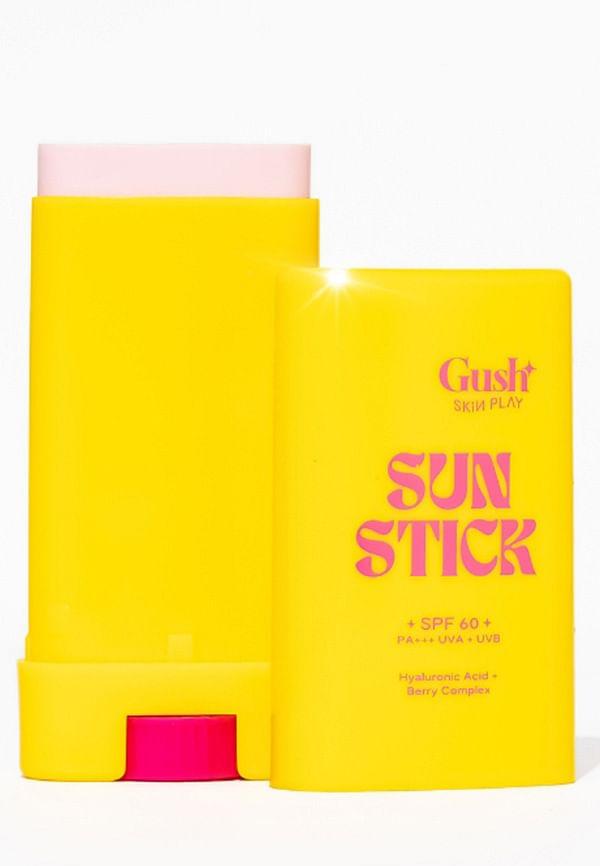
Sunstick Serum
Loved it, cute & no white cast
 4
4“I loved it.it looks cute & no white cast”
Effective Product
5“very nice. the product is very effective”
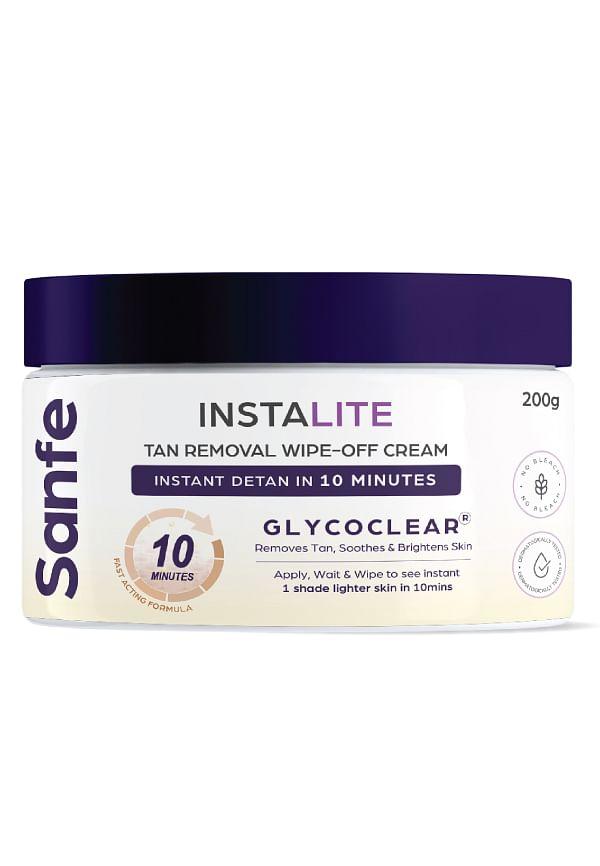
Instalite Detan Wipe Off Body Cream
Good Product and Result
5“good product and result 👍😄👍😄”
Effective Detan Pack
4“Really good detan pack, one can see the results instantly”
Good for skin, very useful
5“nice product good for skin and very useful”
The best oil-free sunscreen options come in gel, water-based, or ultra-light lotion formulas. These absorb quickly and don't leave that greasy film that can trap bacteria and dead skin cells in your pores. Many newer formulas also offer matte finishes that actually help control shine throughout the day.
Knowing what to avoid is just as important as knowing what to look for. Some ingredients are practically guaranteed to cause issues for acne-prone skin, no matter how good the rest of the formula might be.
Heavy oils like coconut oil, cocoa butter, and certain silicones can clog pores in people prone to breakouts. Chemical filters like oxybenzone and PABA can irritate sensitive skin and cause allergic reactions. Fragrances might smell lovely, but they're one of the top causes of skin irritation.
Here's a pro tip: if you're looking for the best sunscreen for oily skin, avoid anything that promises to be "moisturising" or "nourishing." Your skin probably produces enough oil on its own. Instead, look for words like "mattifying," "oil-control," or "shine-free."
Also, watch out for thick, white formulas that never seem to blend in properly. Modern sunscreen without white cast technology means you don't have to choose between protection and looking like you've dunked your face in paint.
Now for the good stuff—the best sunscreens for acne-prone skin that have earned their reputation through real results. These aren't just random recommendations; they're formulas that consistently work for people dealing with breakouts.
EltaMD UV Clear SPF 46 is basically the gold standard. It contains 5% niacinamide, which helps control oil and reduce inflammation while providing broad-spectrum protection. The formula is so gentle that dermatologists often recommend it for post-procedure care.
La Roche-Posay Anthelios Oil Control is another winner, especially if you're dealing with both acne and excessive oiliness. It's formulated to stay put even when you're sweating, making it perfect for our humid climate.

2-In-1 Serum Sunscreen
Lightweight & Non-Greasy
5“Great very lightweight and non greasy ”
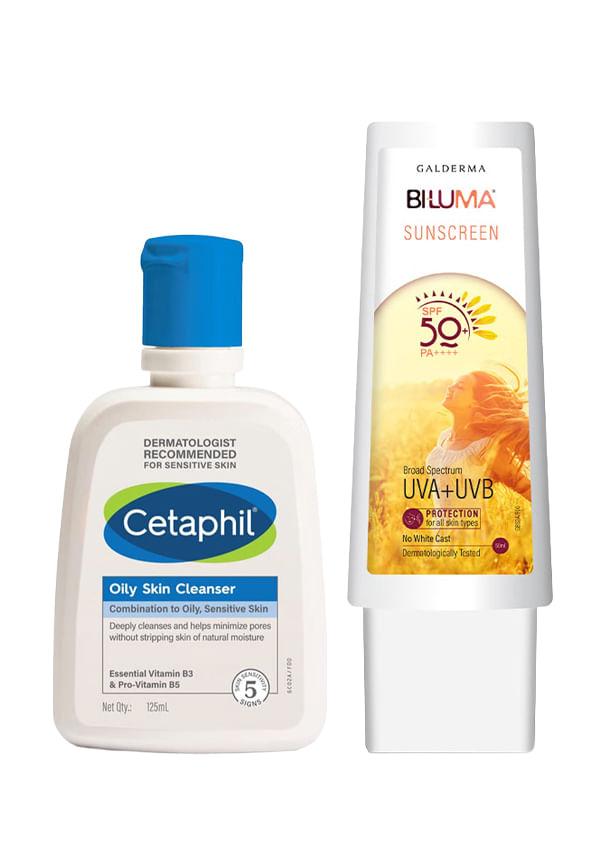
Sensitive Skin Summer Protection
Minimalist SPF 50 PA++++ offers excellent protection without breaking the bank. It's fragrance-free and uses a combination of chemical and physical filters that work well for most skin types.
Re'equil Ultra Matte is specifically designed for Indian skin and weather conditions. It provides a truly matte finish that lasts, even in humidity.
Aqualogica Clear+ SPF 50 uses water-based technology that feels incredibly lightweight sunscreen on the skin. It's perfect if you hate the feeling of traditional sunscreens.
The beauty of trying different formulas is that you can discover what works best for your specific skin without committing to full-size products right away. Platforms like Smytten make this exploration possible by offering trial-sized versions of popular sunscreens, so you can test multiple options before finding your perfect match.
Not all acne is created equal, and your face sunscreen choice should reflect your specific concerns. Understanding your acne type helps you pick the most suitable formula.
If you're dealing with blackheads and whiteheads, you need the lightest possible formula. Gel-based or water-based sunscreens work best because they won't add to the congestion. Look for formulas with salicylic acid or niacinamide that can actually help prevent new comedones.
Active breakouts need gentle, soothing protection. Mineral sunscreens with zinc oxide are ideal because they're naturally anti-inflammatory. Avoid anything with alcohol or strong actives that might irritate already inflamed skin.
If your skin freaks out at the slightest provocation, stick to pure mineral formulas with minimal ingredients. The fewer components, the lower the chance of triggering a reaction.
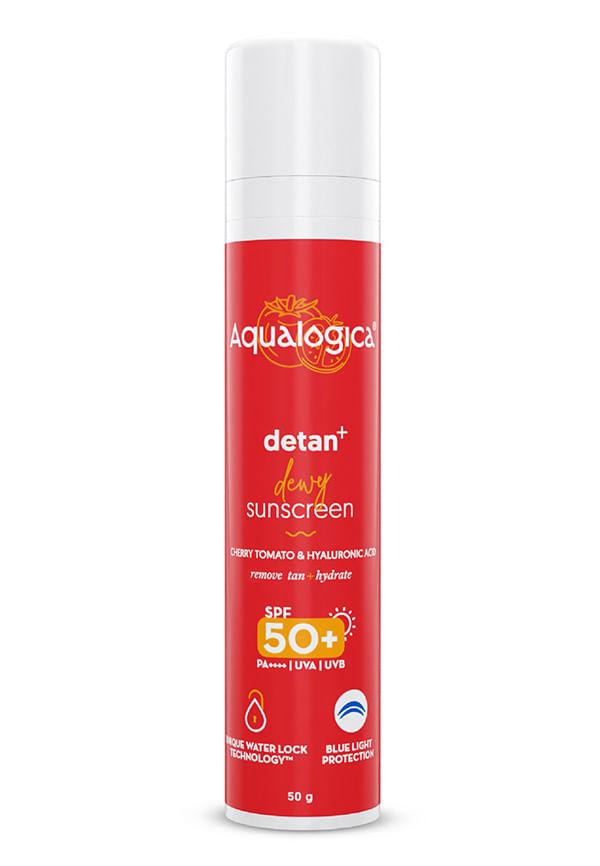
Detan+ Dewy Sunscreen
Good, Dewy Sunscreen
4“really good love the sunscreen it's quiet dewy”
Good, Dewy Sunscreen
4“really good love the sunscreen it's quiet dewy”
Good for oily skin
5“really nice product. good for oily skin”
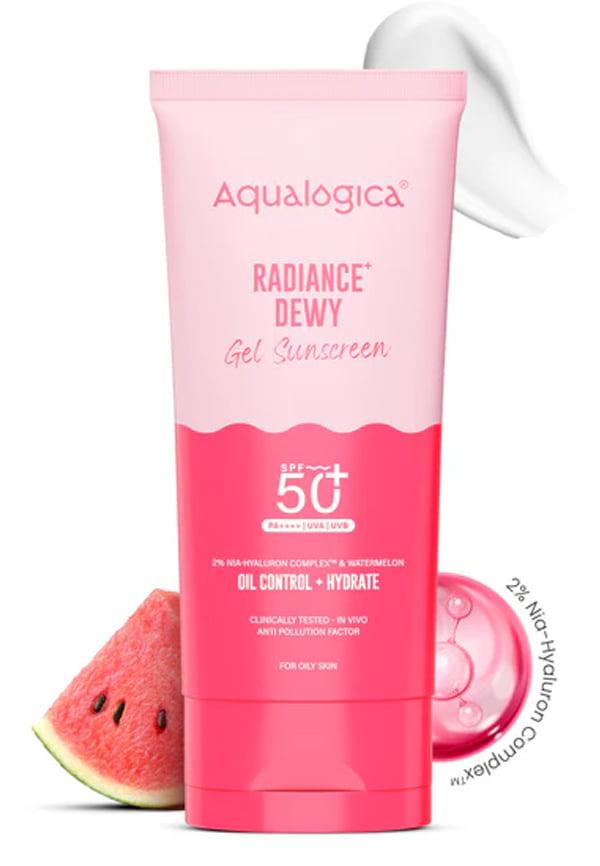
Radiance+ Dewy Sunscreen
Great for Indian Skin
5“light weight, no white cast and great for indian skin”
Great for Indian Skin
5“light weight, no white cast and great for indian skin”
Great for Indian Skin
5“light weight, no white cast and great for indian skin”
For oily skin types, mattifying formulas that control shine throughout the day are game-changers. They help your skin look fresh and reduce the need for powder touch-ups that can clog pores.
Even the best formula won't work if you're not applying it correctly. Proper application technique can mean the difference between clear skin and unexpected breakouts.
Use about a quarter teaspoon for your face and neck—that's more than most people think. Apply it as the last step of your morning skincare routine, after moisturiser but before makeup. Give it a few minutes to set before adding any other products on top.
If you're using acne treatments like retinoids or acids, apply your sunscreen after these have fully absorbed. Never skip sunscreen on treatment days—your skin is more vulnerable to UV damage when you're using active ingredients.
Reapplication can be tricky with acne-prone skin, especially if you wear makeup. Powder sunscreens or setting sprays with SPF can help, but they're supplements to your morning application, not replacements.
Always patch test new products on a small area first. Apply a tiny amount behind your ear or on your inner wrist and wait 24-48 hours to see if any irritation develops.
With over 25 million users exploring skincare products through trial sizes, Smytten has become India's go-to platform for discovering the right sunscreen without the commitment. The platform's curated trial packs let you test multiple formulas from trusted brands, helping you make smarter, more confident choices about your skincare routine.
Dermatologists consistently recommend EltaMD UV Clear and La Roche-Posay Anthelios for acne-prone skin. For Indian brands, Minimalist and Re'equil offer excellent options specifically formulated for our climate and skin types.
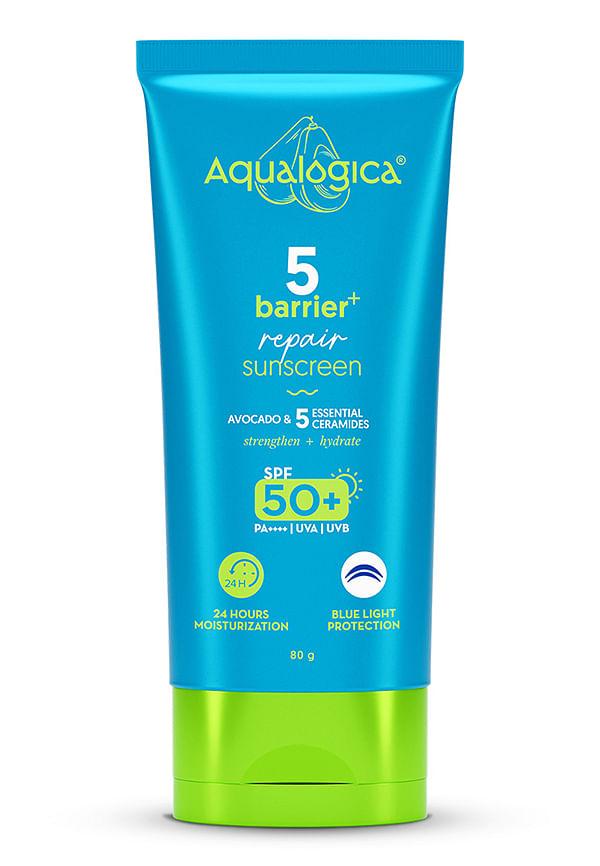
Barrier+ Repair Sunscreen
Excellent Sunscreen, Changed Consistency
4“one of the best sunscreen I ever used . i have many . all gives me gressy look and white cast . but aqualogica is just best. but the consistency is little liquidy . earlier it was a cream texture”
Excellent Sunscreen, Changed Consistency
4“one of the best sunscreen I ever used . i have many . all gives me gressy look and white cast . but aqualogica is just best. but the consistency is little liquidy . earlier it was a cream texture”
Good Product Experience
4“it was good I like the product”
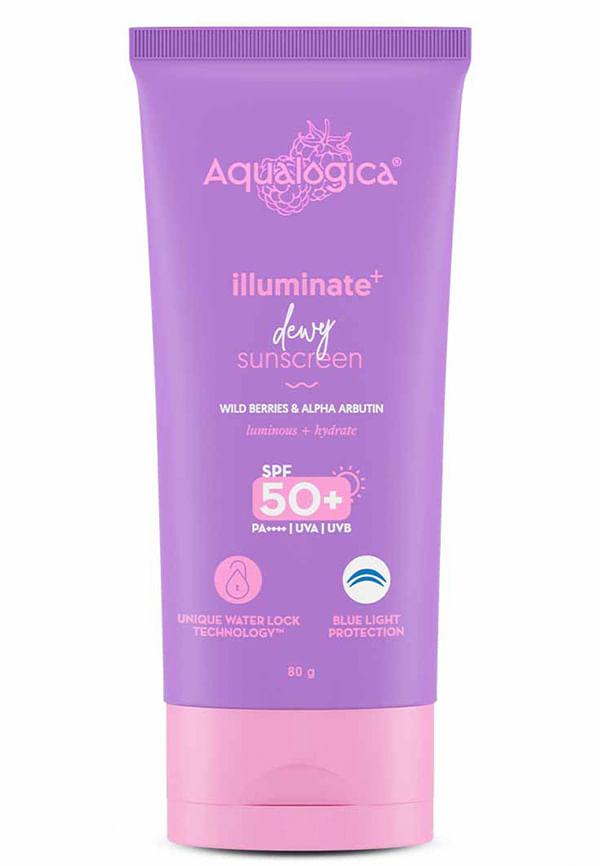
Illuminate+ dewy Sunscreen
Moisturizing, No White Cast
5“moisturizing, leaves no White cast.”
Favourite Aqualogica
5“All time my favourite aqualogica”
Favourite Aqualogica
5“All time my favourite aqualogica”
Look for non-comedogenic, oil-free formulas with zinc oxide or titanium dioxide. Bonus points if they contain niacinamide or other skin-calming ingredients. Avoid heavy, moisturising formulas that can clog pores.
Absolutely! Skipping sunscreen can make acne worse by increasing inflammation and causing post-acne marks to darken permanently. The key is choosing the right formula for your skin type.
PA++++ offers higher UVA protection, which is important for preventing post-acne hyperpigmentation. If you're prone to dark marks after breakouts, the extra protection is worth it.
Yes, if you choose the wrong formula. Heavy, comedogenic ingredients can clog pores and trigger breakouts. That's why selecting a non-comedogenic, oil-free option is crucial for acne-prone skin.
Mineral sunscreens are generally better for acne-prone skin because they're less likely to cause irritation and zinc oxide has anti-inflammatory properties. However, some people prefer the lighter feel of chemical sunscreens.
Every two hours when you're outdoors, or immediately after swimming or sweating heavily. For daily wear, one thorough morning application is usually sufficient if you're mostly indoors.
Finding the right sunscreen for acne-prone skin doesn't have to be a guessing game. Focus on non-comedogenic, oil-free formulas with gentle ingredients like zinc oxide and niacinamide. Remember that protecting your skin from UV damage is just as important as treating your acne—they work hand in hand for clearer, healthier skin.
The best approach is to try different formulas until you find your perfect match. Smytten's trial packs make this exploration affordable and risk-free, letting you test multiple sunscreens from over 1,500 trusted brands before committing to full sizes. With 100% cashback on trial purchases, you can discover your ideal daily sunscreen without the usual trial-and-error expense. After all, why settle for maybe when you can try it all and find what actually works for your skin?
