How to Choose Retinol Concentration: Beginner to Advanced Guide

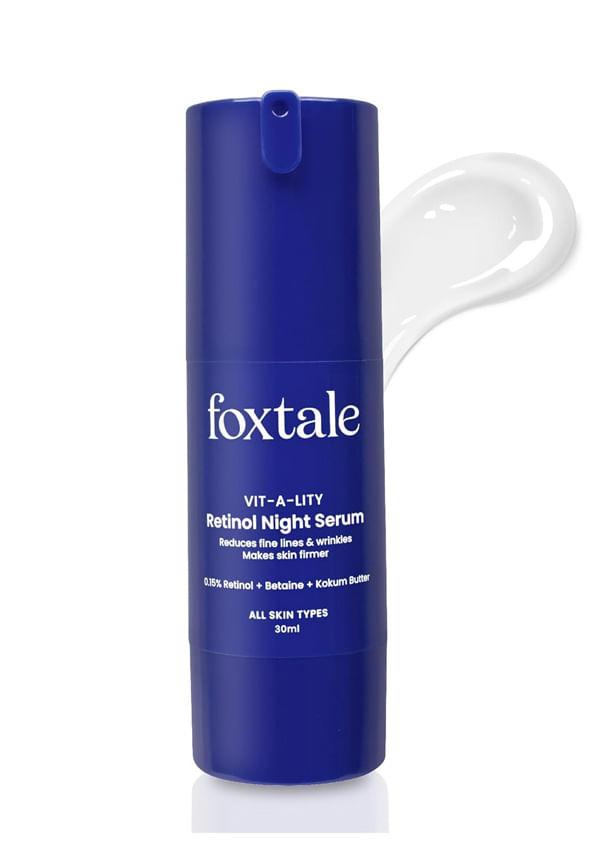
0.15% Beginner Friendly Retinol Night Serum, Anti-Aging Night Cream
Retinol might just be the most talked-about skincare ingredient right now, but let's be real—figuring out the right retinol concentration can feel like solving a puzzle. Whether you're completely new to retinoids or ready to level up your routine, choosing the wrong strength can lead to irritation, disappointment, or worse—giving up on this game-changing ingredient altogether. This comprehensive retinol concentration guide breaks down everything from beginner-friendly 0.01% formulas to advanced 1%+ strengths, helping you navigate your retinol journey with confidence.
Before diving into specific percentages, it's crucial to understand what retinol concentration actually means and why it matters for your skin. Think of retinol percentage as the active ingredient's strength—higher doesn't always mean better, especially when you're starting out.
Retinol concentration refers to the percentage of active retinol in a product, but here's where it gets interesting—the listed percentage doesn't always tell the full story. A 1% retinol cream might be less potent than a 0.5% serum if the delivery system and formulation differ significantly.
The concentration directly affects how deeply the retinol penetrates your skin and how quickly you'll see results. Higher concentrations work faster but come with increased risk of side effects like redness, peeling, and sensitivity. Your skin's tolerance, age, and skincare goals all play a role in determining your ideal retinol strength.
Here's something that often confuses people—retinol and retinoids aren't the same thing. Prescription retinoids like tretinoin are significantly stronger than over-the-counter retinol products. While a 0.025% tretinoin prescription might be equivalent to a 1% retinol product, the conversion isn't straightforward.
Over-the-counter retinol needs to be converted by your skin into retinoic acid (the active form), whilst prescription retinoids are already in their active state. This is why even low-concentration prescription options can be more effective than high-strength retinol products.
Choosing your starting retinol percentage is like picking the right difficulty level in a game—start too high and you'll struggle, start too low and progress feels slow. Here's how to find your sweet spot based on your experience level and skin sensitivity.
If you're new to retinol or have sensitive skin, this range is your best friend. These concentrations allow your skin to gradually adapt without the drama of severe irritation. You'll typically start seeing subtle improvements in skin texture and tone after 6-8 weeks of consistent use.
Apply once weekly for the first month, then gradually increase to twice weekly. This gentle approach helps build tolerance whilst minimising the dreaded retinol purge that can discourage beginners.
Ready to step up your game? This range is perfect for those who've successfully used lower concentrations for 2-3 months without significant irritation. You'll notice faster results—improved fine lines, better skin texture, and more even tone within 4-6 weeks.
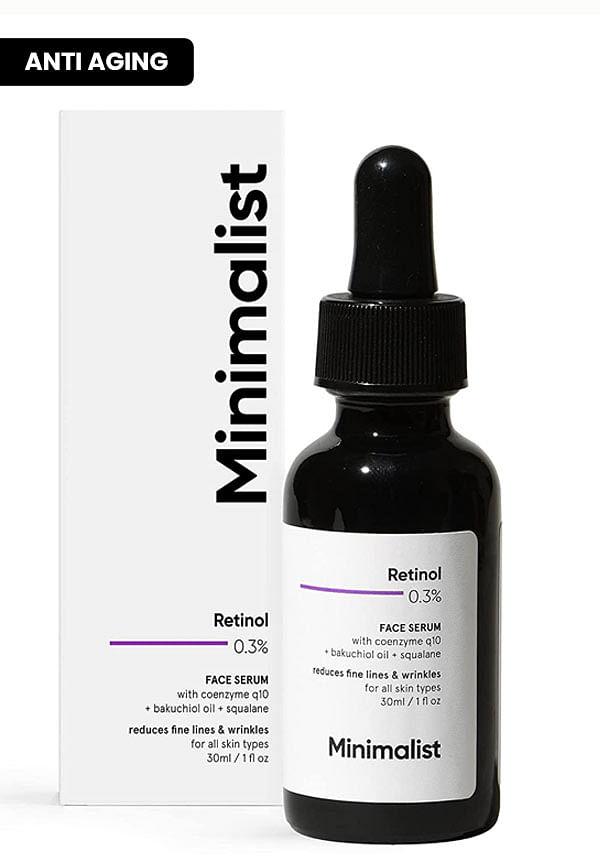
0.3% Retinol Face Serum With Anti-Aging Property With Q10
The key indicator that you're ready for this level is using 0.03% retinol 3-4 times weekly without any redness, peeling, or discomfort. If you're still experiencing sensitivity with lower concentrations, stick with your current strength a bit longer.
These are the heavy hitters of the retinol world. Advanced concentrations deliver dramatic results but require serious commitment and proper preparation. You should only consider these strengths after successfully using intermediate concentrations for at least 6 months.
Signs you're ready include using 0.1% retinol nightly without issues and having specific concerns like deep wrinkles, significant sun damage, or stubborn acne that haven't responded to lower concentrations.
The secret to retinol for beginners success isn't just about concentration—it's about how you introduce it into your routine. Even the gentlest retinol can cause problems if you dive in too quickly or pair it with the wrong products.
This tried-and-tested approach helps your skin adjust gradually. Week 1: Apply retinol once, giving your skin 6 days to recover and adapt. Week 2: Increase to twice weekly with 2-3 days between applications. Week 3 onwards: Move to three times weekly, then eventually nightly if your skin tolerates it well.
Remember, this timeline isn't set in stone. Some people need longer at each stage, especially those with sensitive skin or using higher concentrations. Listen to your skin—it's the best guide you'll have.
Timing matters with retinol. Always apply it at night since retinol can increase sun sensitivity. Start with freshly cleansed, completely dry skin—even slight dampness can increase penetration and potential irritation.
Layer it correctly: cleanser, wait 20-30 minutes, apply retinol, then follow with a gentle moisturiser. Avoid combining retinol with other active ingredients like vitamin C, AHAs, or BHAs initially. Save those for alternate nights once your skin has adjusted.
Different retinol strength levels deliver varying benefits, and understanding what to expect can help set realistic goals. The key is matching your concentration to your specific skin concerns and tolerance level.
Don't underestimate these gentle formulations. Low-concentration retinol excels at preventative care and maintenance. You'll notice smoother skin texture, reduced appearance of pores, and a subtle glow that develops over time.
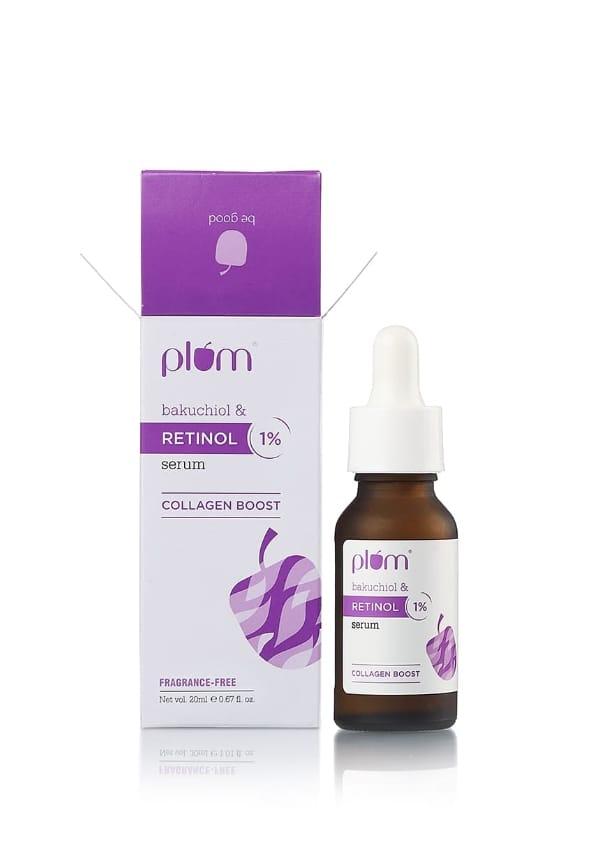
1% Retinol Face Serum with Bakuchiol
These concentrations are perfect for maintaining results once you've achieved your goals with higher strengths, or for long-term anti-aging prevention if you're in your twenties or early thirties.
This is where the real magic happens for addressing established signs of aging. Higher concentrations significantly boost collagen production, leading to firmer skin and reduced fine lines. They're also more effective for treating acne and post-inflammatory hyperpigmentation.
Expect to see noticeable improvements in skin firmness, reduction in deeper wrinkles, and more dramatic improvements in overall skin quality. However, these benefits come with increased responsibility for proper use and sun protection.
Let's talk about the elephant in the room—retinol side effects. Even with perfect technique, some irritation is normal, especially when starting or increasing concentration. The key is distinguishing between normal adjustment and problematic reactions.
The retinisation process typically involves mild redness, dryness, and peeling for the first 2-4 weeks. This is your skin adjusting to increased cell turnover, not necessarily a sign to stop using retinol.
However, severe burning, persistent redness lasting more than 6 weeks, or worsening irritation indicates you need to reduce frequency or concentration. Your skin should gradually improve, not get progressively worse.
Prevention is better than treatment when it comes to retinol irritation. Start with the lowest effective concentration and increase slowly. Use a pea-sized amount for your entire face—more isn't better with retinol.
Support your skin barrier with gentle, fragrance-free moisturisers and never skip sunscreen during the day. Consider using retinol every other night initially, alternating with a nourishing treatment to give your skin recovery time.
Once you've mastered basic retinol use, there are sophisticated strategies to maximise benefits. Advanced retinol users often employ concentration cycling, strategic product combinations, and professional guidance to achieve optimal results.
Your skin can develop tolerance to retinol over time, leading to plateaued results. Concentration cycling involves alternating between different strengths—using higher concentrations 2-3 times weekly and lower concentrations on other nights.
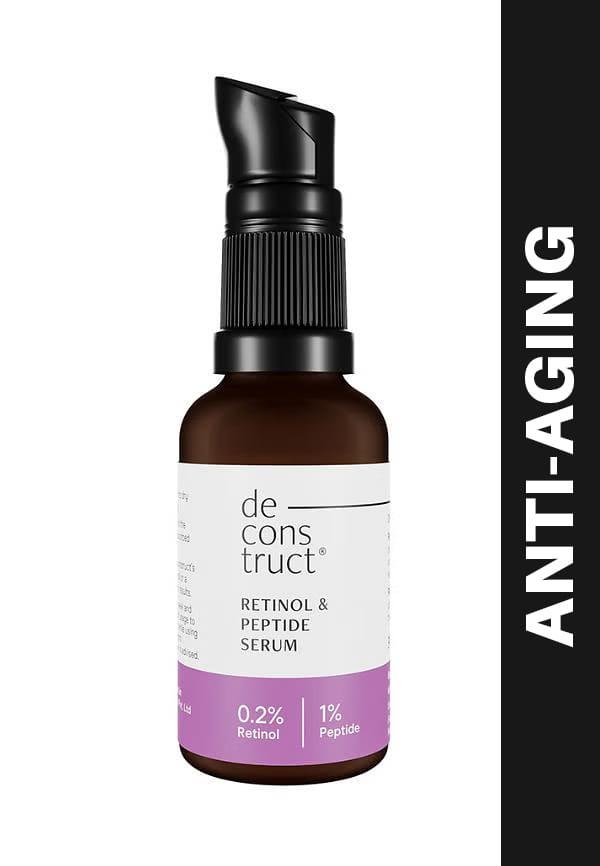
Retinol Face Serum with Peptide
This approach maintains effectiveness whilst preventing over-irritation. Some users also take planned breaks every few months, allowing their skin to reset before resuming treatment.
When over-the-counter options aren't delivering desired results, it might be time to consult a dermatologist. Professional-strength retinoids can be significantly more effective but require medical supervision.
Consider professional guidance if you've used 1% retinol consistently for 6+ months without achieving your goals, have severe acne or sun damage, or want to address deep wrinkles more aggressively.
Start with 0.01% to 0.03% retinol concentration, allowing 4-6 weeks for skin adjustment before considering increases. This gentle approach minimises irritation whilst building tolerance.
1% retinol provides faster, more dramatic results but requires established tolerance. 0.3% offers excellent efficacy with lower irritation risk, making it ideal for most users.
No, 1% retinol is too strong for beginners. Start with 0.25% maximum after building tolerance with lower concentrations over several months.
Over-the-counter retinol typically caps at 1-2%, whilst prescription retinoids can be significantly stronger and more effective.
Initial improvements appear after 4-6 weeks, with significant changes visible after 12-16 weeks of consistent use. Higher concentrations may show faster results.
Mastering retinol concentration selection is about finding the perfect balance between effectiveness and tolerance. Start low, go slow, and always prioritise your skin's comfort over quick results. Remember, the best retinol guide is your own skin's response—it will tell you when you're ready to progress.
For those ready to explore retinol options, Smytten offers curated trial packs from trusted skincare brands, letting you test different concentrations before committing to full-size purchases. With over 1,500 brands available and the ability to try up to 8 minis for just ₹249, you can discover your perfect retinol match without the guesswork. Plus, with 100% cashback on trial purchases redeemable for future orders, finding your ideal retinol concentration becomes both affordable and risk-free. After all, why settle for maybe when you can Try It All?
