Skincare
•09 min read

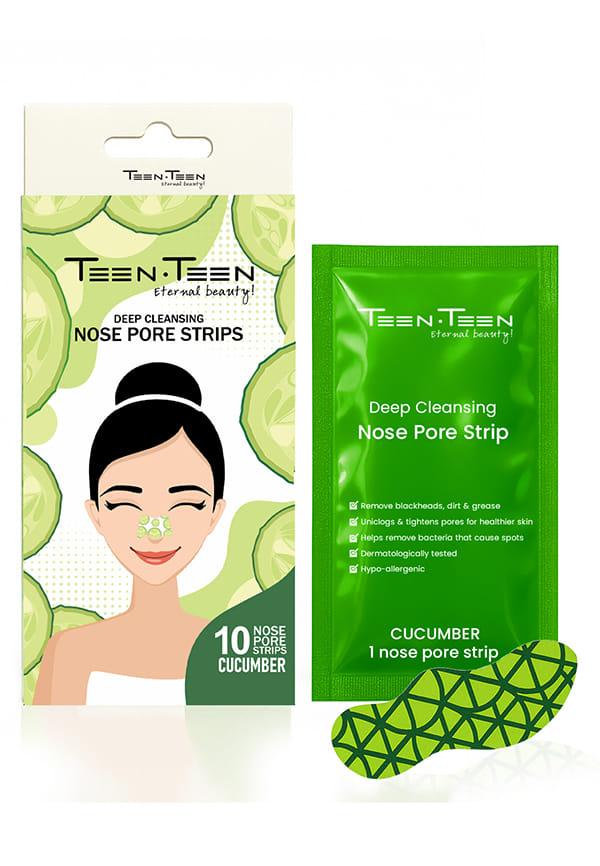
Deep Cleansing Nose Pore Strips
Good Product, Must Purchase
 5
5“such a good product ...mustt purchase”
Good Product, Must Purchase
5“such a good product ...mustt purchase”
Easy and Effective
5“it's easy to use and effective.”
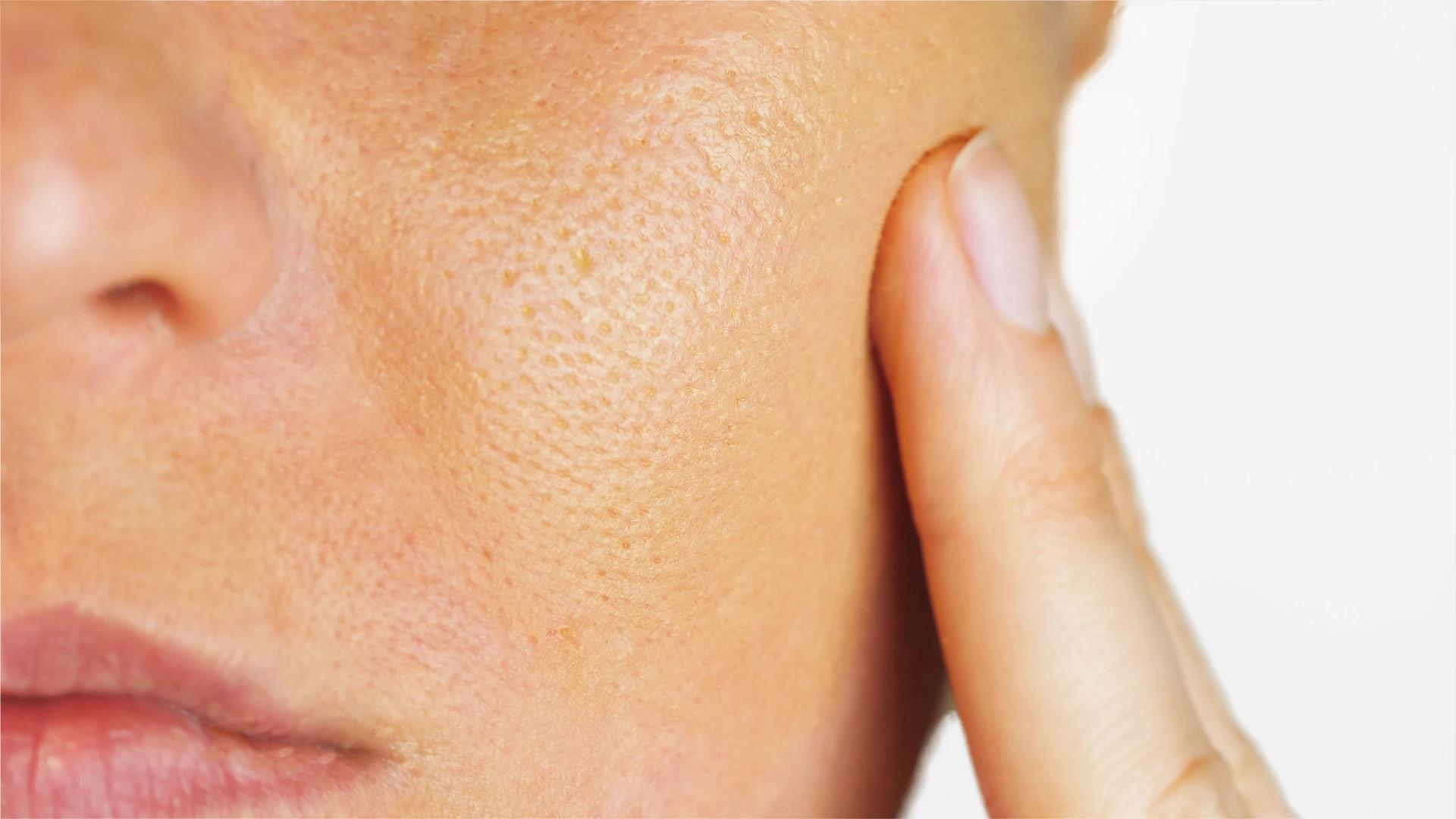
Living in a humid climate can feel like your skin is constantly fighting an uphill battle. One day your pores look fine, the next they're practically waving hello from across the room. If you've ever wondered why your skincare routine works brilliantly in winter but falls apart the moment humidity hits, you're not alone. The truth is, humid weather creates a perfect storm for enlarged pores, excess oil, and that generally frustrated feeling that nothing seems to work. But here's the thing—pore refining masks for humid areas aren't just wishful thinking. They're your secret weapon for keeping your skin looking fresh and refined, even when the air feels thick enough to swim through.
Let's be real—humidity and pores have a complicated relationship. When the air is thick with moisture, your skin goes into overdrive trying to regulate itself, and unfortunately, your pores often bear the brunt of this internal chaos.
When humidity levels rise, your sebaceous glands get the memo to produce more oil. It's like your skin thinks it needs to compete with the moisture in the air. This extra oil doesn't just sit politely on your skin's surface—it mixes with sweat, dead skin cells, and environmental pollutants to create a cocktail that loves to settle into your pores. The result? Pores that look larger, feel clogged, and seem impossible to keep clean.
Here's where it gets interesting. Heat actually makes your skin more elastic, which sounds good in theory but can make pores appear more prominent. When your skin is warm and slightly swollen from humidity, pores stretch out a bit more than usual. Add in the fact that oil production can increase by up to 10% for every degree the temperature rises, and you've got a recipe for pore drama. This is why facial masks for humid weather need to work differently than your standard skincare routine.
Not all mask ingredients are created equal, especially when you're dealing with humid conditions. The key is finding formulations that can handle excess oil without stripping your skin or causing it to produce even more sebum in response.
Clay is basically nature's oil blotter, but different types work better for different situations. Bentonite clay is your heavy-duty option—it's brilliant for deep cleansing facial masks when your pores feel properly clogged. Kaolin clay is gentler and perfect if you have sensitive skin that still needs oil control. French green clay sits somewhere in between and is fantastic for combination skin that can't decide what it wants to be.
Salicylic acid is a game-changer for humid climates because it works inside your pores, not just on the surface. It's oil-soluble, which means it can cut through all that excess sebum to actually clean things out. Niacinamide is another winner—it helps regulate oil production and can make pores appear smaller over time. For those who want something a bit more intensive, look for masks with gentle retinol alternatives that promote cell turnover without the irritation.
Charcoal isn't just trendy—it's genuinely effective at drawing out impurities from deep within pores. Tea tree oil brings antimicrobial properties to the party, which is crucial when humidity creates the perfect breeding ground for bacteria. Witch hazel acts as a natural astringent, helping to temporarily tighten pores and reduce their appearance. These natural pore refining masks can be particularly effective for those who prefer gentler formulations.
Choosing the right type of mask is just as important as picking the right ingredients. Different mask formats work better in different humidity levels, and understanding these differences can make or break your results.
Clay masks for oily skin are probably your best bet in humid conditions. They work by absorbing excess oil and temporarily tightening pores, giving you that fresh, refined look. Multi-clay formulations are particularly clever because they combine different types of clay to address various skin concerns simultaneously. In humid weather, you might find you can use these 2-3 times per week without over-drying your skin, since the moisture in the air helps maintain your skin's hydration levels.
Gel-based oil absorbing face masks can be brilliant for humid climates because they provide treatment without adding heavy ingredients that might feel suffocating in thick air. Peel-off masks offer immediate gratification—you can literally see the gunk they pull out of your pores. Sheet masks infused with pore-minimising serums are perfect for when you want treatment without the mess, though they work best when the active ingredients can penetrate properly.
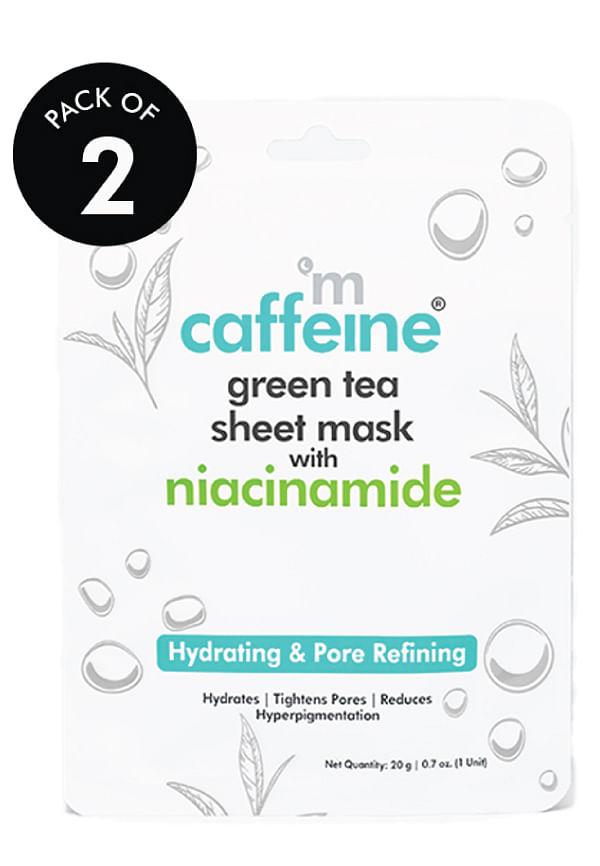
Niacinamide Green Tea Sheet Mask for Pore Refining
Skin tightening masks work differently than oil-absorbing ones. They focus on improving skin elasticity and firmness, which can make pores appear smaller over time. Peptide-infused masks support collagen production, while botanical extracts provide gentle firming effects. These are particularly useful if your pore concerns are more about appearance than actual clogging.
Your skin type doesn't change just because the weather does, but how you treat it definitely should. Humid conditions can amplify certain skin concerns while minimising others, so your mask choice needs to reflect these changes.
If you're dealing with acne-prone skin in humidity, you need masks for acne prone skin that won't make things worse. Look for non-comedogenic formulations that won't clog pores further. Anti-inflammatory ingredients like niacinamide, zinc, or green tea can help calm irritated skin. The tricky bit is avoiding over-drying—in humid conditions, stripping your skin too much can actually trigger more oil production.
Combination skin in humid weather can be particularly challenging because different areas of your face might react differently to the moisture in the air. Multi-masking is your friend here—use a clay mask on your T-zone and a gentler, hydrating mask on drier areas. This targeted approach ensures each part of your face gets what it needs without compromising the whole.
Sensitive skin doesn't get a free pass from pore concerns, but it does need gentler solutions. Look for clay alternatives like rice powder or oatmeal-based masks. Always patch test, especially in humid conditions when your skin might be more reactive. Fragrance-free and hypoallergenic options are essential—the last thing you want is irritation on top of pore problems.
How you apply your mask matters just as much as which one you choose. Humid conditions can affect everything from how the mask adheres to your skin to how quickly it dries, so technique becomes crucial.
Start with a proper cleanse—this is non-negotiable in humid conditions where your skin accumulates more oil and debris throughout the day. A gentle steam treatment can actually be beneficial in humid climates because it helps open pores for better product penetration. Light exfoliation before masking can enhance absorption, but don't overdo it—your skin is already working harder in humid conditions.
Layer thickness matters more in humid weather. Too thin and the mask might not work effectively; too thick and it might not dry properly in the moisture-heavy air. Use clean fingers or a mask brush for even application, paying special attention to areas where pores are most prominent. Don't forget your neck—humidity affects more than just your face.
After removing your mask, your skin needs proper care to maintain the benefits. Use lukewarm water for removal—hot water can stimulate more oil production. Follow up with a lightweight, non-comedogenic moisturiser. Even in humid conditions, your skin needs hydration, just not the heavy kind. Don't skip sun protection—humidity can make you feel like you don't need it, but UV damage is still happening.
Consistency is key when dealing with pore concerns in humid weather. A well-planned routine that accounts for seasonal changes will give you much better results than sporadic intensive treatments.
For most skin types, 2-3 pore cleansing masks per week work well in humid conditions. Oily skin might handle daily use of gentle masks, while sensitive skin should start with once weekly and build up. Consider rotating different types—clay masks for deep cleaning, enzyme masks for gentle exfoliation, and hydrating masks to maintain balance.
Lavender Keratin Mask
Love this product!
5“Makes my hair super shiny and smooth. Loved it.”
Your mask is just one part of the equation. Daily cleansers should support your mask's work without being too harsh. Serums with niacinamide or salicylic acid can maintain pore clarity between mask sessions. Choose moisturisers that hydrate without clogging—gel-based formulas often work brilliantly in humid conditions.
What you eat and drink affects your skin, especially in humid conditions. Stay hydrated, but also consider foods that support skin health. Regular exercise is great, but make sure you're cleansing properly afterwards—sweat mixed with humidity can be particularly problematic for pores. Consider using a gentle cleansing wipe immediately after workouts if you can't shower right away. This is where platforms like Smytten become invaluable. With over 1,500 trusted brands offering trial-sized products, you can experiment with different best face masks for large pores without committing to full-size purchases. Whether you're trying clay masks from Dot & Key or exploring natural options from other curated brands, Smytten's trial packs let you discover what works for your skin in humid conditions. With up to 8 minis for just ₹249 and 100% cashback redeemable for future orders, you can build an effective pore care routine through smart experimentation rather than expensive guesswork.
Even the best intentions can go wrong if you're making common mistakes. Humid weather creates unique challenges that require adjusted approaches to masking.
It's tempting to think that more humidity means you need more intensive treatment, but this can backfire spectacularly. Over-using masks can damage your skin barrier, leading to increased sensitivity and, ironically, more oil production. Watch for signs like persistent redness, increased breakouts, or skin that feels tight and uncomfortable. If this happens, scale back and give your skin time to recover.
Some ingredients don't play well together, and humid conditions can amplify these conflicts. Don't use retinol products on the same day as strong clay masks. Be careful mixing acids—your skin is already working harder in humid conditions. If you're using prescription treatments, check with your dermatologist about how masking fits into your routine.
Humid air can make masks behave differently than expected. They might take longer to dry or feel different on your skin. Don't leave masks on longer than recommended just because they don't feel dry—this can cause irritation. Remove masks gently with lukewarm water and soft cloths. Scrubbing or using hot water can undo all the good work you've just done.
For most skin types, 2-3 times per week works well in humid conditions. Oily skin might benefit from more frequent use, while sensitive skin should start with once weekly and gradually increase if tolerated well.
Natural ingredients like clay, charcoal, and botanical extracts can be highly effective. However, commercial formulations often provide more consistent concentrations and additional beneficial ingredients that work synergistically.
Absolutely. Higher humidity levels may require more oil-absorbing formulations, while lower humidity might need gentler, more hydrating options. Adjust your routine based on seasonal humidity changes.
Initial improvements in skin texture and oil control can be seen within 1-2 weeks of consistent use. Visible pore size reduction typically occurs after 4-6 weeks of regular application.
Both have their place. Peel-off masks provide immediate pore cleaning and visible results, while wash-off clay masks offer deeper oil absorption and are generally gentler. Choose based on your skin's specific needs and sensitivity level.
Choosing the right pore refining masks for humid areas doesn't have to be a guessing game. Understanding how humidity affects your skin, knowing which ingredients work best in these conditions, and developing a consistent routine tailored to your skin type will give you the clear, refined complexion you're after. Remember that what works for your friend might not work for you—skin is individual, and humid conditions can amplify these differences. The key is finding products that balance oil control with skin health, and this is where trial and discovery become essential. Smytten's platform makes this exploration both affordable and smart, connecting you with trusted brands that offer effective solutions for pore concerns. With access to trial sizes from over 1,500 brands and the ability to try up to 8 products for just ₹249, you can build a personalised routine that actually works for your skin in humid conditions. After all, why settle for maybe when you can try it all and find what truly works for your unique skin needs?
