How to Choose Foundation for Your Skin Type: A Simple Guide


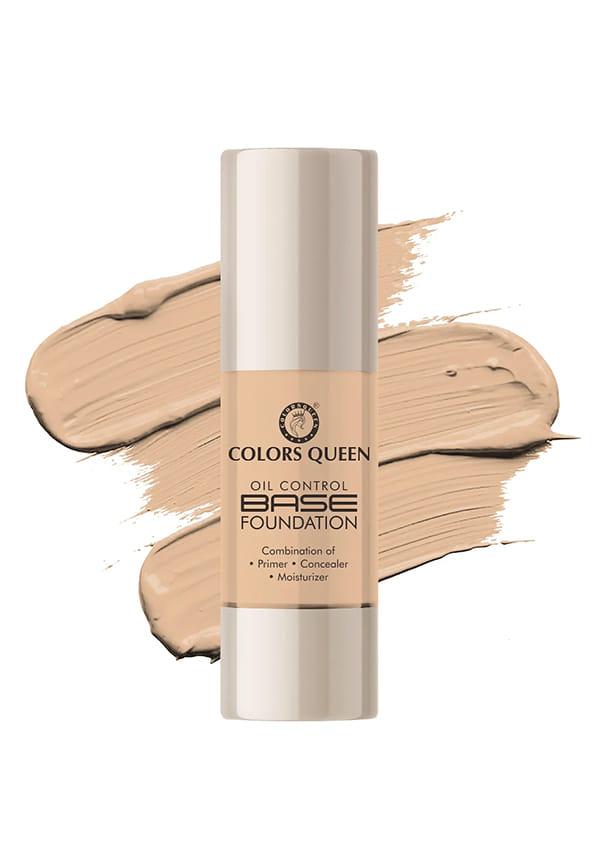
Oil Control Base Foundation Combination of Primer, Concealer & Moisturizer
Standing in front of the mirror, trying to decide between three different foundation shades that all look completely wrong? You're not alone. Finding the perfect foundation feels like solving a puzzle where half the pieces are missing. The truth is, choosing foundation isn't just about colour—it's about understanding your skin's unique needs, from how oily your T-zone gets by midday to whether your cheeks feel tight after cleansing. When you know how to choose foundation for your skin type, everything else falls into place.
Before you even think about shade matching, you need to understand what your skin is actually asking for. Your skin type determines not just which foundation formula will work, but how it'll look and last throughout the day.
The simplest way to identify your skin type is the tissue test. Cleanse your face, wait an hour without applying anything, then press a clean tissue against different areas of your face.
Oily skin leaves obvious oil marks on the tissue, especially from your T-zone. You'll notice enlarged pores, frequent shine, and makeup that seems to slide off by afternoon. Your skin might feel greasy even shortly after cleansing.
Dry skin shows little to no oil on the tissue. Instead, you'll experience tightness, flakiness, or rough patches. Your skin might feel uncomfortable after washing, and fine lines appear more prominent.
Combination skin creates a mixed result—oil from your forehead, nose, and chin, but nothing from your cheeks. This is the most common skin type, where your T-zone behaves like oily skin whilst your cheeks act more like dry skin.
Sensitive skin isn't technically a skin type but a condition that can affect any type. You'll notice redness, stinging, burning, or breakouts when trying new products. Your skin reacts quickly to changes in weather, stress, or ingredients.
Different foundation formulas interact with your skin's natural oils and moisture levels in completely different ways. A matte foundation on dry skin can emphasise flakiness and create a cakey appearance. Meanwhile, a dewy foundation on oily skin might slide right off or make you look overly shiny.
Understanding this relationship helps you avoid the most common foundation mistakes: choosing based on coverage alone, ignoring your skin's daily changes, or picking a formula that fights against your skin instead of working with it.
If you're dealing with oily skin, your foundation needs to be your teammate in oil control, not just a pretty colour that disappears by lunch.
Matte liquid foundations are your best friend. Look for oil-free formulas that promise long wear—these typically contain ingredients that absorb excess oil throughout the day. They provide excellent coverage whilst keeping shine at bay.
Powder foundations work brilliantly for oily skin because they naturally absorb oil. They're buildable, so you can start light and add more coverage where needed. Plus, they're perfect for quick touch-ups during the day.
Oil-control stick foundations offer targeted coverage and are incredibly portable. They're particularly good for covering blemishes whilst providing oil control in specific areas.
When shopping for foundation for oily skin, scan the ingredient list for salicylic acid, which helps keep pores clear whilst you wear your makeup. Silica acts like a tiny sponge, absorbing oil throughout the day. Dimethicone creates a smooth base that helps your foundation glide on evenly and stay put.
Always start with a mattifying primer—this creates a barrier between your skin's oils and your foundation. Apply your foundation in thin layers, building coverage gradually. Set immediately with a light dusting of translucent powder, focusing on your T-zone.
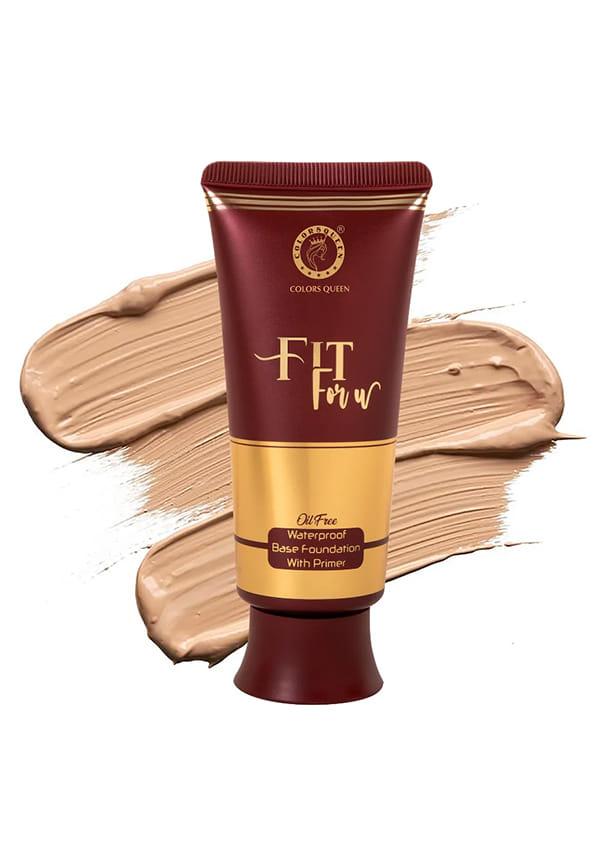
Fit For U Oil Free Foundation
Dry skin needs foundation that works like skincare, providing moisture and comfort whilst delivering coverage.
Dewy liquid foundations are perfect for dry skin. They contain moisturising ingredients and light-reflecting particles that give your skin a healthy, luminous finish. These formulas feel comfortable all day and never look cakey.
Cream foundations offer the most intensive hydration. They're typically full-coverage and feel rich and nourishing on the skin. Perfect for very dry skin or during harsh winter months.
Tinted moisturisers provide light coverage with serious skincare benefits. They're ideal for days when you want a natural look whilst keeping your skin hydrated and protected.
Look for foundations containing hyaluronic acid, which holds up to 1000 times its weight in water. Glycerin draws moisture from the air and locks it into your skin. Peptides help strengthen your skin barrier, making it better at retaining moisture naturally.
Never skip moisturiser, even under hydrating foundation. Wait a few minutes for your moisturiser to absorb, then apply foundation with a damp beauty sponge or your fingers—the warmth helps blend the product seamlessly into your skin.
Combination skin requires a strategic approach since different areas of your face have completely different needs.
Consider using different products for different areas. Apply a mattifying primer to your T-zone and a hydrating primer to your cheeks. You can even use a matte foundation on oily areas and a dewy formula on dry zones, blending carefully where they meet.
Alternatively, choose a buildable liquid foundation that you can apply more heavily to your T-zone for oil control and more lightly to your cheeks for comfort.
Look for foundations described as 'natural' or 'satin' finish—these work well across different skin types. Buildable formulas give you control over coverage and finish in different areas of your face.
Sensitive skin needs foundation that provides coverage without causing irritation or reactions.
Choose foundations labelled as fragrance-free—fragrances are one of the most common irritants in cosmetics. Look for non-comedogenic formulas that won't clog pores. Dermatologist-tested products have been specifically evaluated for sensitive skin compatibility.
Steer clear of foundations containing alcohol, which can be drying and irritating. Avoid heavy fragrances, parabens, and sulfates. If you're acne-prone, be cautious with comedogenic ingredients like coconut oil or certain silicones.
For acne-prone skin, non-comedogenic formulas are essential. Some foundations contain salicylic acid, which can help prevent breakouts whilst providing coverage. Look for buildable coverage so you can cover blemishes without applying too much product overall.
Getting the right shade is just as important as choosing the right formula. The perfect foundation should disappear into your skin, creating a seamless second-skin effect.
Your undertone is the subtle colour beneath your skin's surface. Cool undertones have pink, red, or blue bases—your skin might have a rosy or bluish cast. Warm undertones feature yellow, golden, or peach bases—your skin has a golden or peachy glow. Neutral undertones are a balanced mix of warm and cool.
Look at the veins on your wrist in natural light. Blue or purple veins typically indicate cool undertones. Green or olive-coloured veins suggest warm undertones. If you see both colours equally, you likely have neutral undertones.
Always test foundation on your jawline, not your hand or wrist. Your face and hands can be completely different colours. Test in natural light whenever possible—artificial lighting can be deceiving.
Apply a small amount and wait 5-10 minutes to see how the foundation oxidises. Some formulas change colour slightly as they interact with your skin's natural oils. The right shade should blend seamlessly into your neck—there should be no obvious line where your foundation ends.
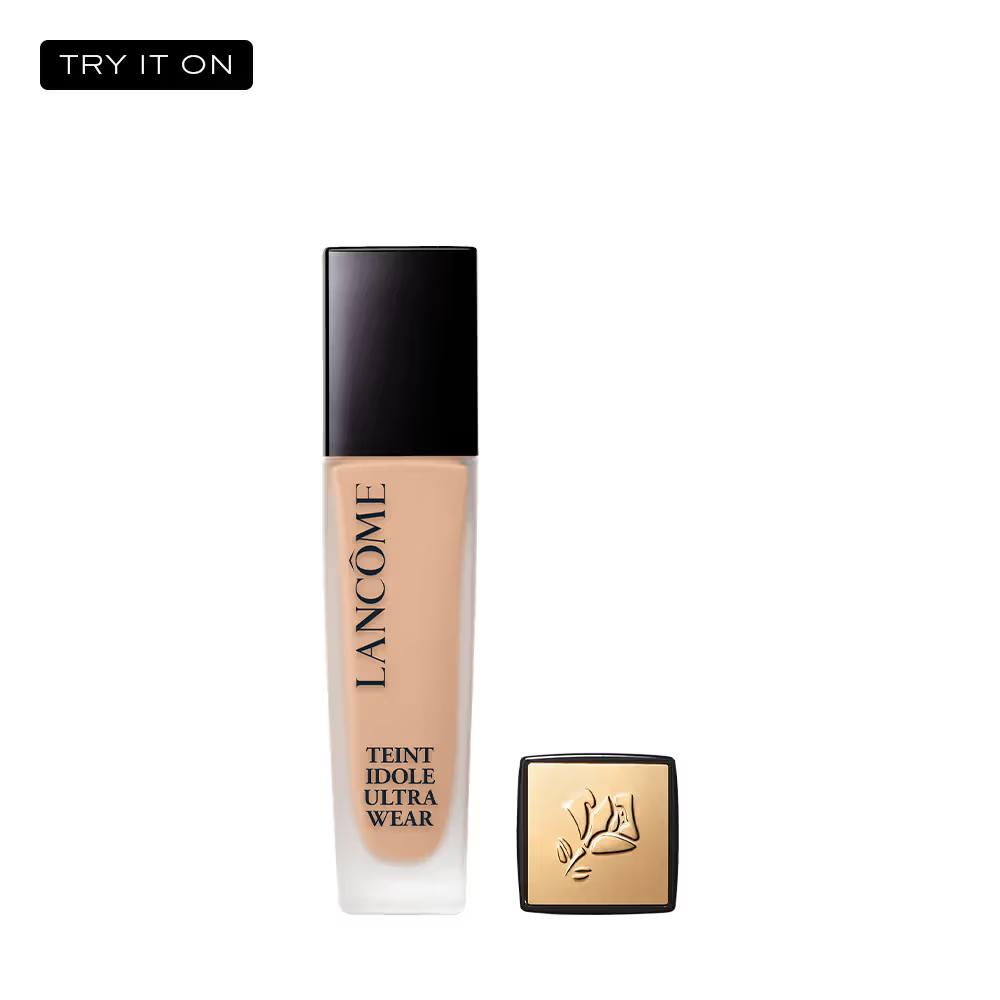
When exploring premium options, the Lancôme Teint Idole Ultra Wear Foundation 220C offers exceptional coverage and longevity for those seeking a professional-quality finish. This full-coverage foundation provides up to 24-hour wear whilst feeling comfortable on the skin, making it particularly suitable for combination to oily skin types that need reliable, long-lasting coverage without compromising on comfort.
Understanding different foundation types helps you choose the best formula for your lifestyle and coverage needs.
Liquid foundations are the most versatile option. They come in various finishes—matte, satin, dewy—and coverage levels from sheer to full. They're easy to blend and build, making them suitable for most skin types and skill levels.
Powder foundations are excellent for oily skin and quick application. They provide natural oil control and are perfect for touch-ups throughout the day. They're also travel-friendly and less likely to spill or break.
Cream foundations offer the highest coverage and are excellent for dry or mature skin. Stick foundations provide targeted coverage and are perfect for spot-concealing whilst offering the convenience of portable application.
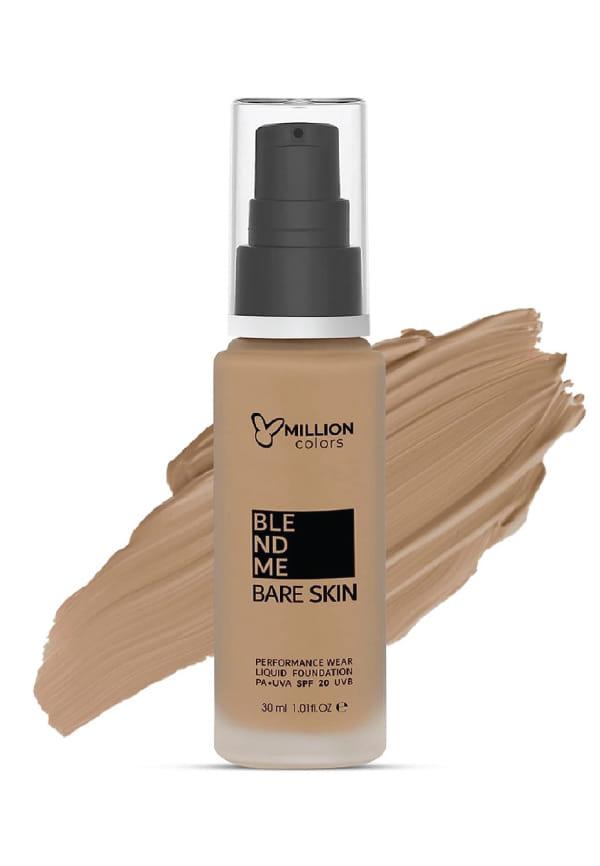
Blend Me Bare Skin Liquid Foundation
BB and CC creams combine skincare benefits with light coverage. Tinted moisturisers offer the least coverage but maximum comfort. Serum foundations provide skincare benefits with buildable coverage—perfect for the no-makeup makeup look.
Even with the right formula and shade, application technique can make or break your foundation look.
Beauty sponges work best for liquid foundations, providing a natural, airbrushed finish. Use them damp for the most seamless blend. Brushes offer more coverage and precision—perfect for building coverage gradually. Your fingers work well for cream foundations, as the warmth helps blend the product naturally.
Set your foundation with a light dusting of translucent powder, focusing on areas that tend to get oily. Setting spray helps lock everything in place and can add extra hydration for dry skin types.
Your foundation needs change with the seasons. Summer might require a lighter formula or a shade adjustment if you tan. Winter often calls for more hydrating formulas as heating systems can dry out your skin.
The perfect foundation shade disappears into your skin. Test it on your jawline in natural light—it should blend seamlessly with both your face and neck. If you can see where your foundation ends, it's not the right match.
Absolutely! Many people need to mix shades to get their perfect match, especially as skin tone changes seasonally. Mix small amounts on the back of your hand before applying to your face.
Liquid foundations typically last 12-18 months, whilst powder foundations can last up to two years. If your foundation changes smell, texture, or colour, it's time to replace it regardless of age.
Always match to your neck. Your face might be slightly different in colour due to sun exposure or natural variation, but your foundation should create a seamless transition between your face and neck.
Choosing the right foundation is about understanding your skin's unique needs and finding a formula that works with them, not against them. Whether you're dealing with oily skin that needs oil control, dry skin that craves hydration, or combination skin that requires a strategic approach, there's a perfect foundation waiting for you.
Remember that finding your perfect match might take some experimentation. Your skin changes with seasons, hormones, and age, so don't be afraid to reassess your foundation needs periodically. The investment in finding the right foundation pays off in confidence and comfort every single day.
If you're curious about trying different formulas before committing to full sizes, platforms like Smytten offer an excellent way to explore various brands and formulations through trial sizes. With access to over 2,400 trusted beauty brands, you can discover what works best for your skin type without the commitment of full-size purchases. It's a smart approach to finding your perfect foundation match whilst exploring the vast world of beauty products available today.
