How to Choose Face Cream for Your Skin Type: A Simple Guide


Standing in the skincare aisle, staring at endless rows of face creams, feeling completely overwhelmed? You're not alone. With hundreds of options promising everything from "instant hydration" to "miracle anti-aging," choosing the right face cream for your skin type can feel impossible. The truth is, most of us have been using the wrong moisturiser for years simply because we never learned how to properly identify what our skin actually needs. Real talk: your skin deserves better than guesswork.
Before diving into product recommendations, let's sort out the basics. Your skin type isn't just a marketing category—it's the blueprint for everything that follows in your skincare routine. Getting this wrong means even the most expensive creams won't deliver the results you're hoping for.
Dry skin feels tight, especially after cleansing, and often shows visible flaking or rough patches. You might notice fine lines appearing earlier than expected, and your skin rarely feels oily, even by midday. This happens when your skin barrier isn't holding onto moisture effectively, often due to genetics, weather, or over-cleansing.
Oily skin produces excess sebum, leaving you with that shiny T-zone (forehead, nose, chin) within hours of cleansing. You're likely familiar with enlarged pores and frequent breakouts, but here's what many don't realise: oily skin can still be dehydrated underneath all that oil production.
Combination skin is exactly what it sounds like—oily in some areas (usually the T-zone) and normal to dry in others (typically the cheeks). This mixed situation makes product selection trickier, as you're essentially dealing with two different skin types on one face.
Sensitive skin reacts easily to new products, weather changes, or stress. You might experience redness, stinging, burning, or breakouts from ingredients that others tolerate perfectly well. This isn't technically a skin type but rather a skin condition that can affect any of the other types.
Here's a simple method to identify your skin type at home. Start with a gentle cleanser, then wait 30 minutes without applying any products. Notice how your skin feels and looks during this time.
The blotting paper test works brilliantly too. Press clean blotting paper against different areas of your face after the 30-minute wait. Lots of oil on the paper indicates oily skin, minimal oil suggests dry skin, and oil only from the T-zone points to combination skin.
Now that you've identified your skin type, let's match you with the right formulation. This is where understanding ingredients becomes your superpower in the skincare game.
Ceramides are absolute heroes for dry skin—they help rebuild your skin's natural barrier and lock in moisture. Look for creams that also contain hyaluronic acid, which can hold up to 1,000 times its weight in water, and glycerin, a gentle humectant that draws moisture from the environment into your skin.
Texture matters enormously here. Your skin will notice the difference when you choose thicker, cream-based formulations over lightweight lotions. Apply your moisturiser within three minutes of cleansing or showering—this "3-minute rule" helps trap existing moisture in your skin.
The biggest myth about oily skin? That it doesn't need moisturising. Skipping moisturiser actually triggers your skin to produce even more oil to compensate for the dryness. Instead, look for oil-free, non-comedogenic formulations that won't clog your pores.
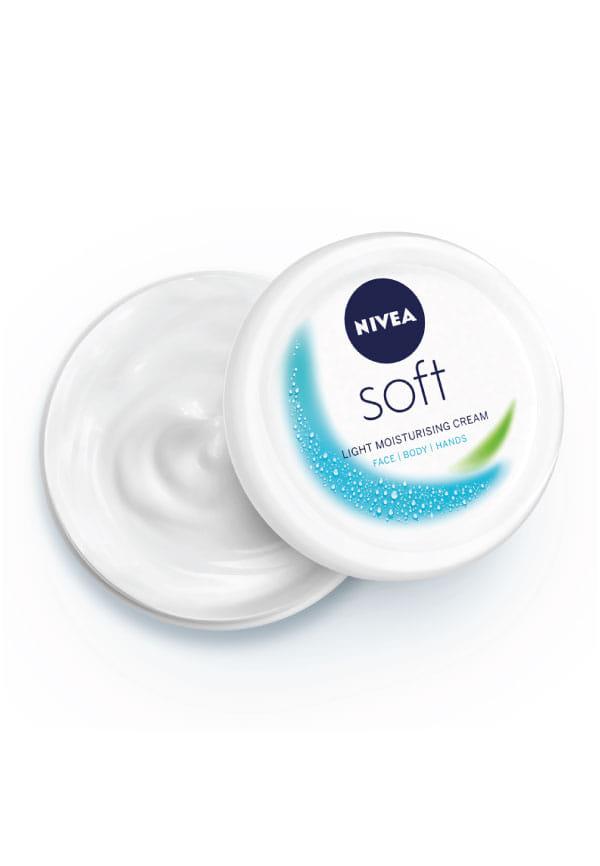
Soft Light Moisturizer For Face, Hand & Body
Niacinamide is particularly brilliant for oily skin types—it helps regulate oil production whilst reducing the appearance of pores. Salicylic acid in low concentrations can also help keep pores clear without over-drying.
Gel textures often work beautifully for oily skin, providing hydration without that heavy, greasy feeling. However, don't automatically dismiss all cream formulations—some lightweight creams can be perfect for oily skin, especially during winter months.
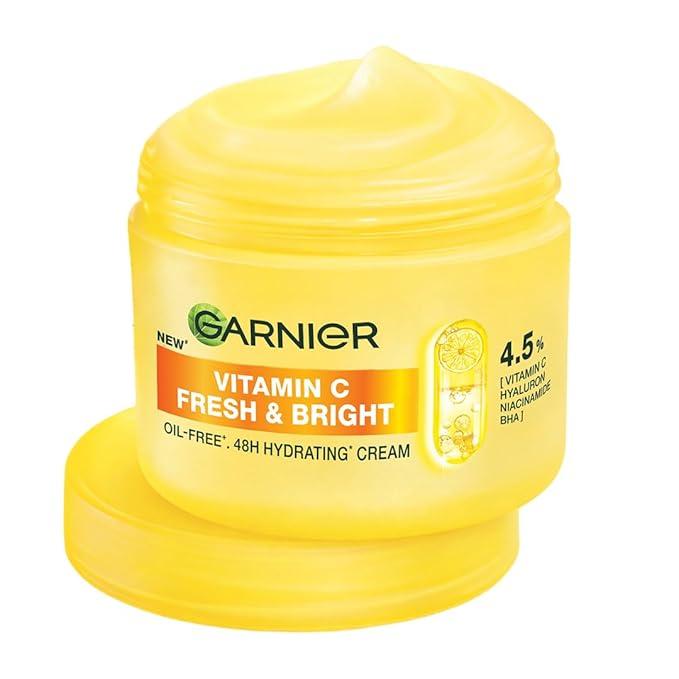
If you want hydration without that sticky, heavy cream feeling, Garnier Fresh & Bright Vitamin C Sorbet Moisturizer is a good one to consider. The sorbet-like texture feels much lighter than a regular face cream, making it a nice fit for oily, normal, and combination skin types that need moisture without extra shine.
The formula brings together Vitamin C, hyaluronic acid, niacinamide, and BHA, so it works beyond basic moisturising. Hyaluronic acid helps keep your skin hydrated, niacinamide supports the skin barrier, Vitamin C helps with a brighter-looking complexion, and BHA is useful for skin that feels congested or uneven. It’s especially helpful if you want a daily moisturiser that feels fresh, lightweight, and glow-focused without making your skin feel greasy.
Combination skin requires a bit more strategy. You can either use different products for different areas of your face or find a universal formulation that balances both needs. Many people with combination skin find success with lightweight, gel-cream hybrids that provide enough moisture for dry areas without overwhelming oily zones.
Seasonal adjustments become particularly important with combination skin. Your routine that works perfectly in humid summer months might leave your cheeks feeling tight and dry come winter.
Sensitive skin needs gentle, fragrance-free formulations with minimal ingredients. Ceramides and colloidal oatmeal are particularly soothing, whilst zinc oxide can provide both protection and calming benefits.
Always patch test new products on a small area of skin for 48 hours before applying to your entire face. Apply the product behind your ear or on your inner wrist, then monitor for any reactions.
Understanding key ingredients transforms you from a confused shopper into a confident decision-maker. These powerhouse ingredients deliver real results when matched correctly to your skin's needs.
Hyaluronic acid works for virtually every skin type because it's incredibly gentle whilst being remarkably effective. It doesn't add oil to your skin—instead, it draws moisture from the environment and holds it in place.
Ceramides are naturally found in healthy skin barriers, making them excellent for repair and protection. They're particularly beneficial if you've been over-exfoliating or dealing with irritation from other skincare products.
Glycerin is a humectant that's been used in skincare for decades because it simply works. It's gentle enough for sensitive skin whilst being effective enough to make a noticeable difference in skin hydration.
Niacinamide is genuinely one of the most versatile ingredients in skincare. It helps with oil control, reduces redness, minimises the appearance of pores, and supports overall skin barrier function. Most skin types tolerate it beautifully.
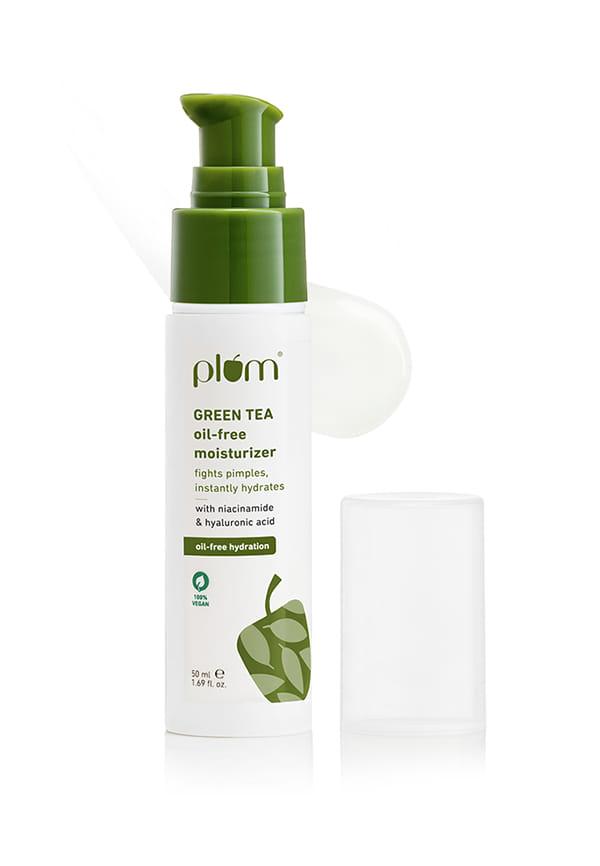
Green Tea Oil Free Moisturizer
Peptides support your skin's natural collagen production, which becomes increasingly important as we age. They're generally well-tolerated and work well in combination with other ingredients.
If you have sensitive skin, be cautious with fragrances, essential oils, and high concentrations of active ingredients like retinol or alpha hydroxy acids in your moisturiser. These can be beneficial but might be better introduced through separate treatment products.
For acne-prone skin, avoid heavy oils like coconut oil or cocoa butter, which can clog pores in some people. Stick to non-comedogenic formulations that have been specifically tested not to cause breakouts.
Armed with knowledge about your skin type and beneficial ingredients, here's your practical selection framework. This systematic approach takes the guesswork out of choosing the perfect moisturiser.
Start with these non-negotiables: Look for non-comedogenic formulations that won't clog pores, regardless of your skin type. Choose fragrance-free options to minimise irritation risk. Seek out products that are allergy-tested or dermatologist-tested for added safety.
For daytime use, SPF 30 or higher is essential—many face creams now include broad-spectrum sun protection, making your morning routine simpler. Evening moisturisers can focus purely on hydration and repair without SPF.
Ingredients are listed in order of concentration, so the first five ingredients make up the majority of the product. If you're looking for specific benefits like niacinamide or hyaluronic acid, these should appear relatively early in the ingredient list.
Be wary of marketing claims that sound too good to be true. Terms like "clinically proven" should be backed by actual studies, whilst "dermatologist-tested" simply means a dermatologist was involved in testing—it doesn't guarantee the product will work for your specific skin concerns.
Even with perfect ingredient matching, new products can sometimes cause unexpected reactions. Start by patch testing any new moisturiser on a small area for 48 hours. If no irritation occurs, begin using the product every other day for a week before moving to daily use.
Give new products at least 4-6 weeks to show results. Your skin needs time to adjust and respond to new formulations, so don't abandon a product after just a few days unless you experience irritation.
Your moisturiser doesn't work in isolation—it's part of a complete system that includes cleansing, treatment products, and sun protection. Understanding how these elements work together maximises your results.
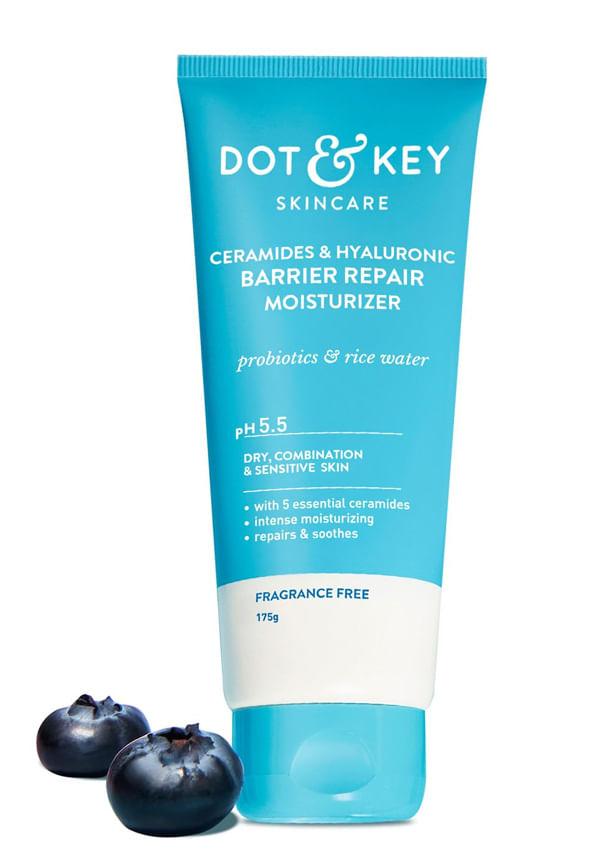
Ceramides & Hyaluronic Barrier Repair Moisturizer
Morning routines should focus on protection: gentle cleanser, followed by your moisturiser, then SPF if your moisturiser doesn't include it. Keep morning routines simple and efficient, especially if you're rushing to get ready for work.
Evening routines can be more elaborate. After cleansing, you might use treatment products like serums or retinol, then follow with your moisturiser. Evening is when your skin does most of its repair work, so this is the time for richer, more nourishing formulations.
Your skin's needs change throughout the year, and your moisturiser should adapt accordingly. Winter often calls for richer formulations to combat heating-induced dryness and harsh weather conditions. Summer might require lighter textures that won't feel heavy in humidity or under makeup.
Air conditioning can be particularly drying, so if you spend long hours in climate-controlled environments, you might need more hydrating products than your skin type would typically suggest.
The right face cream should feel comfortable on your skin without causing tightness, greasiness, or irritation. Within 2-4 weeks of consistent use, you should notice improved hydration and overall skin comfort. If you experience breakouts, excessive oiliness, or persistent dryness, the formulation might not be suitable for your skin type.
Many people can use the same moisturiser throughout the year, but seasonal adjustments often improve results. You might need a richer formulation in winter and a lighter one in summer. Pay attention to how your skin feels and looks in different weather conditions.
Day moisturisers often include SPF and focus on protection from environmental damage. Night moisturisers typically contain higher concentrations of active ingredients and richer textures to support skin repair whilst you sleep. However, many moisturisers work perfectly well for both day and night use.
You should notice immediate improvements in skin comfort and hydration within a few days. For more significant changes like improved texture or reduced fine lines, allow 4-6 weeks of consistent use. Your skin's natural renewal cycle takes about 28 days, so patience is key.
Price doesn't always correlate with effectiveness. Many affordable moisturisers contain the same beneficial ingredients as expensive alternatives. Focus on ingredient lists and formulations that match your skin type rather than price tags. Some budget-friendly options perform just as well as premium products.
Choosing the right face cream doesn't have to be overwhelming once you understand your skin type and know what ingredients to look for. Start with the basics: identify whether your skin is dry, oily, combination, or sensitive, then match that with appropriate formulations and ingredients.
Remember that skincare is highly individual—what works brilliantly for your friend might not suit your skin at all. Trust your skin's response over marketing claims, and don't be afraid to adjust your routine as your skin's needs change with age, seasons, or lifestyle factors.
The beauty of modern skincare is that you have more options than ever before. Platforms like Smytten make it easier to discover new brands and formulations without committing to full-size products immediately. With over 2,400 trusted brands available, you can explore different moisturisers and find what truly works for your unique skin needs. If you're curious about a particular brand or formulation but not ready to invest in the full size, trying minis first can help you make more confident choices for your skincare routine.
