How to Choose Between Hyaluronic Acid Gel and Cream
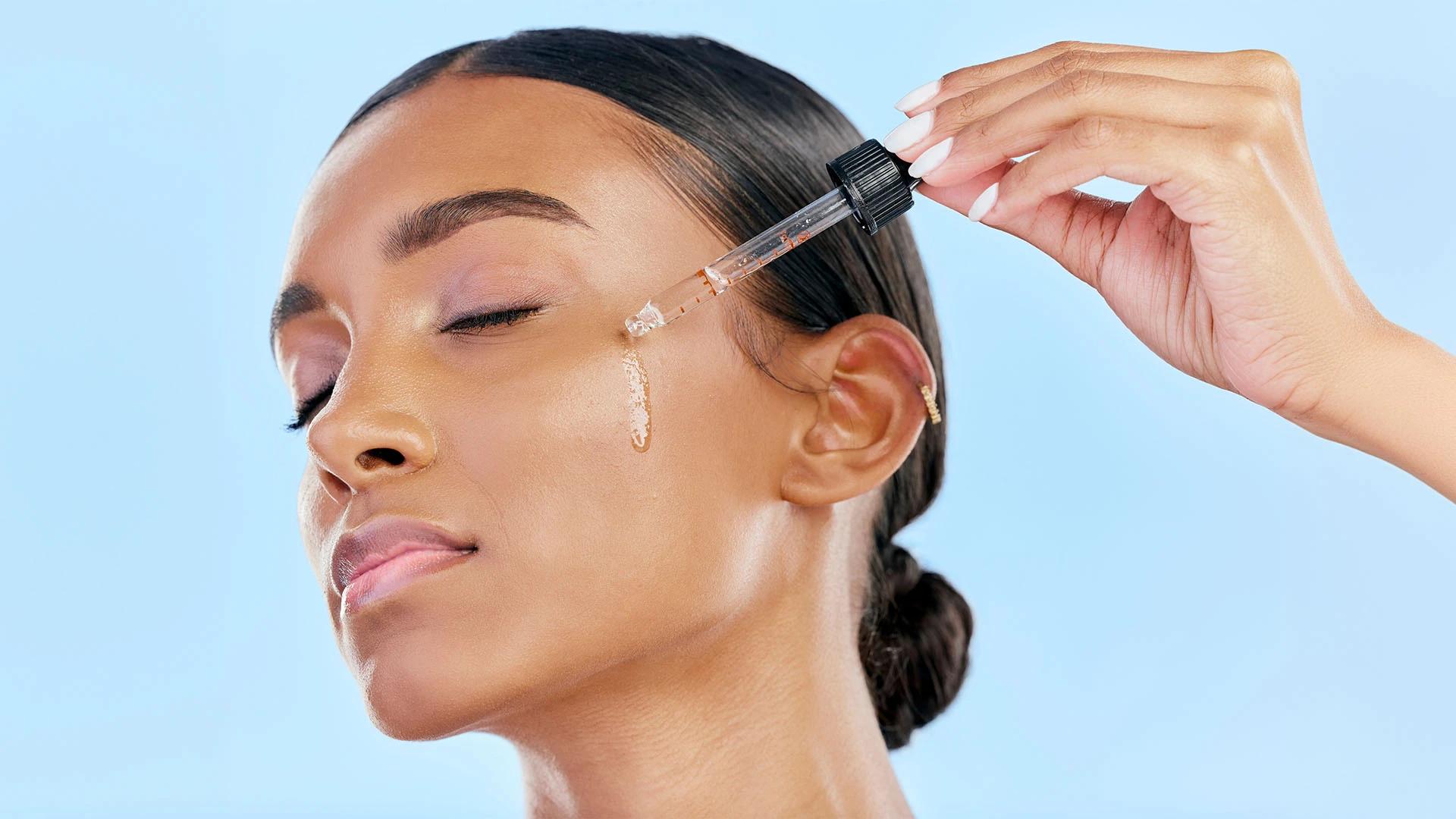

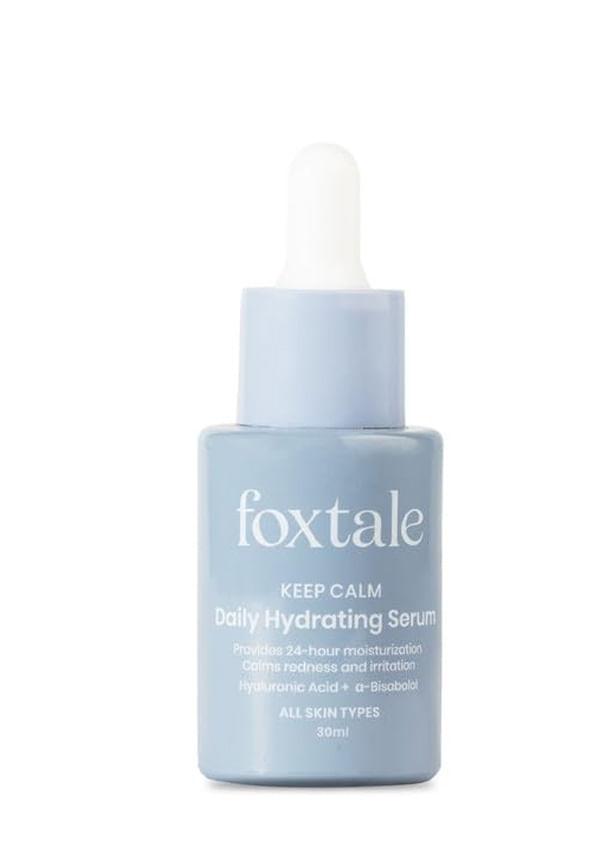
Hydrating Serum with Hyaluronic Acid and Bisabolol
Let's be real—hyaluronic acid is everywhere in skincare right now, and for good reason. This moisture-magnet ingredient can hold up to 1,000 times its weight in water, making it a game-changer for hydration. But here's where it gets tricky: should you go for a gel or cream formulation? The choice between hyaluronic acid in gel vs cream formulations isn't just about personal preference—it's about understanding what your skin actually needs. Whether you're dealing with oily skin that feels suffocated by heavy creams or dry skin that drinks up every drop of moisture, the formulation you choose can make or break your skincare routine. Let's dive into the science and help you figure out which one deserves a spot on your bathroom shelf.
Before we get into the gel versus cream debate, it's worth understanding what makes hyaluronic acid such a skincare superstar. This naturally occurring substance in our skin acts like a moisture reservoir, keeping our complexion plump and hydrated. The hyaluronic acid benefits go beyond just surface-level hydration—it actually helps maintain skin barrier function and can even support wound healing.
But here's the thing: not all hyaluronic acid is created equal, and the way it's formulated makes a massive difference in how it performs on your skin. The molecular weight, concentration, and delivery system all play crucial roles in determining whether you'll see real results or just temporary surface hydration.
The science behind hyaluronic acid for skin is pretty fascinating. This ingredient comes in different molecular weights—high molecular weight (HMW) and ultra-low molecular weight (ULMW). HMW hyaluronic acid sits on the skin's surface, creating an instant plumping effect and helping to lock in moisture. ULMW, on the other hand, can penetrate deeper into the skin layers, providing longer-lasting hydration from within.
Most effective formulations contain around 1-2% hyaluronic acid concentration. Going higher doesn't necessarily mean better results—in fact, it can sometimes lead to irritation or that sticky feeling nobody wants.
This is where things get interesting. Gel formulations are typically water-based, which means they deliver hyaluronic acid in a lightweight, fast-absorbing format. The water content helps the hyaluronic acid molecules bind with moisture immediately, creating that instant hydration boost.
Cream formulations, however, use oil-in-water systems that provide a more sustained release of the ingredient. The emollient base helps seal in the hyaluronic acid while providing additional barrier support through oils and butters.
If you've ever used a gel moisturiser, you'll know that satisfying feeling of lightweight hydration that sinks in without a trace. Gel formulations have become increasingly popular, especially among those who want effective hydration without the heaviness of traditional creams.
The beauty of gel textures lies in their versatility and quick absorption. They're particularly brilliant for those moments when you need hydration but don't want to feel like you're wearing a mask of product on your face.
Gel formulations are absolute winners for oily and combination skin types. If your T-zone tends to get shiny by midday or you're prone to breakouts, a gel might just become your new best friend. The lightweight texture won't clog pores or add unnecessary oil to already active sebaceous glands.
They're also perfect for hot, humid climates and summer skincare routines. When the weather's already doing its best to make you feel sticky, the last thing you want is a heavy moisturiser adding to the situation.
The fast absorption rate of gels means you can apply your skincare and get on with your day without waiting around. There's also something quite refreshing about the cooling effect many gels provide—it's like a mini spa moment in your morning routine.
For those who layer multiple skincare products or wear makeup daily, gels play well with others. They create a smooth base that won't pill under sunscreen or foundation.
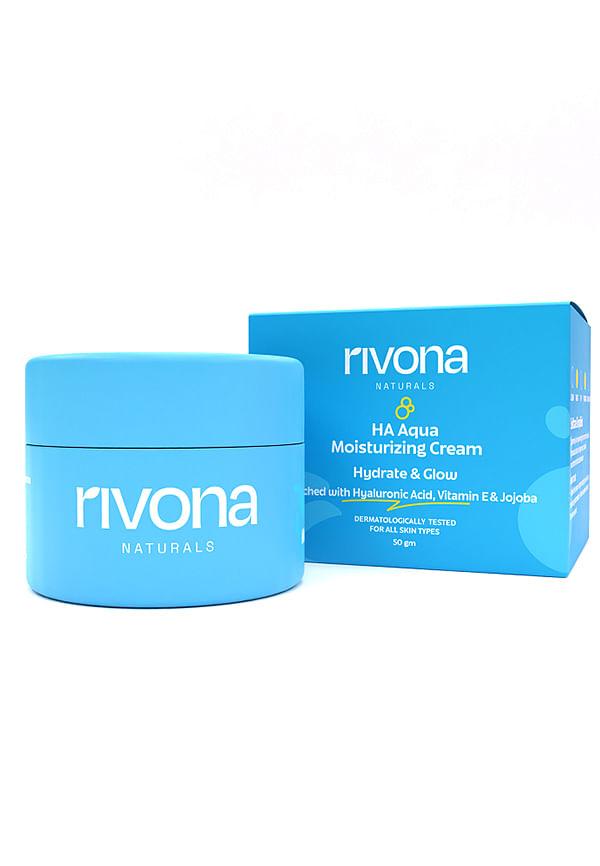
HA Aqua face cream with 2%Hyaluronic Acid for Dry Skin-50gm
Here's where gels might fall short: if you have very dry skin, a gel alone might not provide enough occlusive protection to prevent water loss throughout the day. You might find yourself needing to reapply or layer additional products to maintain hydration.
The lightweight nature that makes gels so appealing can also be their limitation—they simply don't have the staying power of heavier formulations when your skin needs serious moisture support.
Now let's talk about the heavy-hitters of the moisturiser world. Cream moisturiser formulations have been skincare staples for decades, and there's a good reason they've stood the test of time. When your skin needs serious hydration and barrier repair, creams deliver in ways that lighter formulations simply can't match.
The richness of cream textures comes from their higher oil content and emollient ingredients. This isn't just about feeling luxurious—it's about providing comprehensive moisture support that lasts throughout the day and night.
If you're dealing with dry or mature skin, creams are often the way to go. As we age, our skin's natural oil production decreases, and the barrier function becomes less efficient. Cream formulations help compensate for this by providing both immediate hydration and longer-term barrier support.
Winter months and low-humidity environments are where creams really shine. When the air is dry and your heating is working overtime, your skin needs that extra protective layer that only a good cream can provide.
The sustained moisture delivery of creams means you're less likely to experience that tight, uncomfortable feeling that can develop throughout the day. The emollient ingredients work to seal in the hyaluronic acid, creating a moisture sandwich that keeps your skin happy for hours.
Many cream formulations also include additional anti-ageing ingredients like peptides or ceramides, making them multitasking powerhouses in your skincare routine.
If you have oily skin, heavy creams might feel suffocating and could potentially contribute to breakouts. The rich texture that dry skin loves can be too much for skin that's already producing plenty of its own oils.
Hot weather can also make creams feel uncomfortable—nobody wants to feel like they're melting under a layer of moisturiser when it's already sweltering outside.
Right, let's get practical about this gel vs cream for face decision. Your skin type is probably the biggest factor in determining which formulation will work best for you, but it's not the only consideration. Environmental factors, lifestyle, and even the time of year can influence what your skin needs.
Think of it like choosing the right outfit—what works for a beach holiday might not be appropriate for a winter city break. Your skincare needs are just as variable and deserve the same thoughtful consideration.
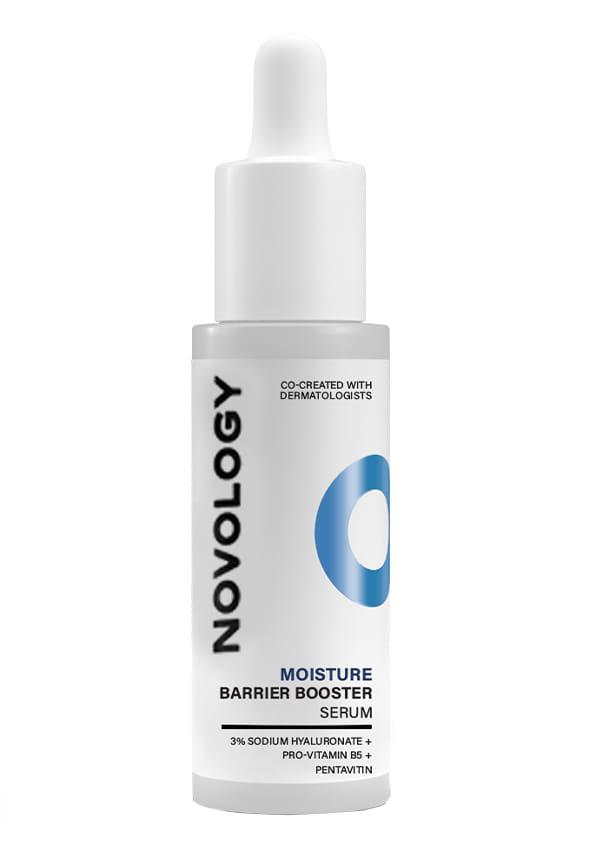
Moisture Barrier Serum, Hydrating Face Serum with Hyaluronic Acid
Oily skin typically responds beautifully to gel formulations. The lightweight texture provides necessary hydration without overwhelming already active oil glands. Look for gels that contain niacinamide alongside hyaluronic acid for added oil control benefits.
Dry skin usually craves the richness of cream formulations. The additional emollients and occlusives help prevent transepidermal water loss, keeping skin comfortable throughout the day. If you're dealing with flaky or tight skin, a cream is probably your best bet.
Combination skin can be tricky—you might benefit from using both formulations strategically. Try a gel on your T-zone and a cream on drier areas like your cheeks. It sounds complicated, but once you get the hang of it, it becomes second nature.
Sensitive skin needs gentle formulations regardless of texture. Look for fragrance-free options with minimal ingredients, whether you choose gel or cream.
Your climate plays a huge role in what your skin needs. Humid environments might call for lighter gels, while dry climates often require the extra protection of creams. Air conditioning and heating can also affect your skin's moisture needs throughout the year.
If you're someone who's always rushing in the morning, a fast-absorbing gel might fit better into your routine than a cream that needs time to sink in properly.
Here's where things get really interesting—you don't necessarily have to choose just one formulation. Many people successfully incorporate both gels and creams into their skincare routine, using them at different times or for different purposes. The key is understanding how to layer products effectively without creating a sticky mess or overwhelming your skin.
A well-planned routine can maximise the benefits of hyaluronic acid while addressing all your skin's needs. It's about creating a system that works for your lifestyle and delivers consistent results.
If you're using a hyaluronic acid serum, you might wonder whether you still need a gel or cream moisturiser. The answer is usually yes—serums provide concentrated hydration, but they often need to be sealed in with a moisturiser to prevent evaporation.
The proper application order is serum first (on slightly damp skin for maximum effectiveness), followed by your chosen moisturiser. This creates layers of hydration that work together rather than competing for absorption.
For those dealing with dry skin hydration challenges, a multi-step approach often works best. You might start with a hydrating toner, follow with a hyaluronic acid serum, and finish with a cream moisturiser. This layering technique helps build up moisture levels gradually without overwhelming the skin.
Timing is crucial too—applying products to slightly damp skin helps hyaluronic acid bind with water more effectively, maximising its hydrating potential.
While hyaluronic acid is generally considered one of the gentlest skincare ingredients, it's not completely without potential issues. Understanding hyaluronic acid side effects helps you use products safely and recognise when something isn't working for your skin.
The good news is that serious side effects are rare, and most people can use hyaluronic acid products without any problems. However, being informed about what to watch for ensures you can enjoy the benefits while minimising any risks.
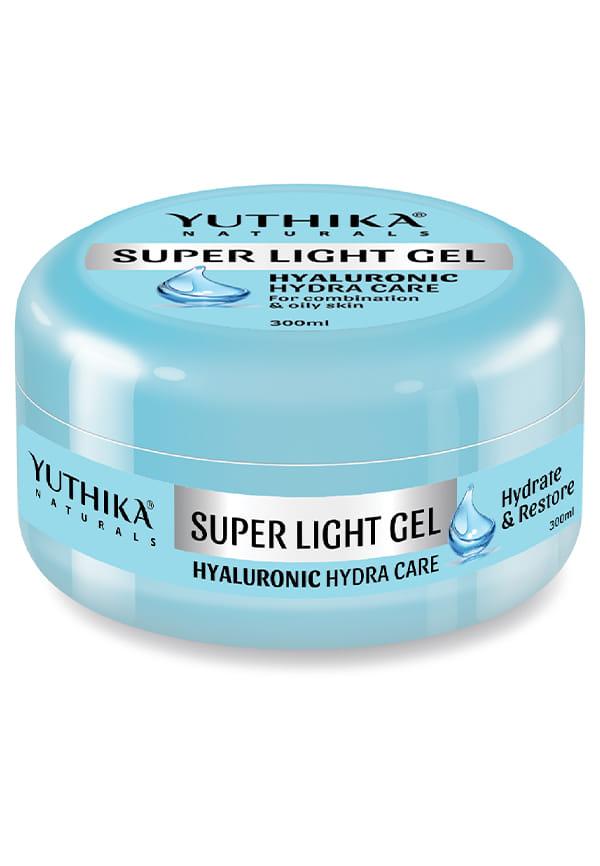
Super Light Gel Face Moisturizer With Hyaluronic Acid
Ironically, one of the most common issues with hyaluronic acid is dryness—but this usually happens when it's applied to completely dry skin in a low-humidity environment. The ingredient can actually draw moisture from your skin if there's no environmental humidity to bind with.
Some people experience irritation from very high concentrations or when products contain additional actives that don't play well together. Starting slowly and patch testing new products can help prevent these issues.
When choosing from the best hyaluronic acid products, look for formulations with around 1-2% concentration and minimal additional actives if you have sensitive skin. Avoid products with strong fragrances or alcohol high up in the ingredient list.
Quality matters too—reputable brands that invest in proper formulation and testing are more likely to deliver safe, effective products. This is where platforms like Smytten become invaluable, offering trial-sized versions of products from trusted brands like Cetaphil and Dot & Key, so you can test formulations before committing to full sizes.
Choosing between hyaluronic acid gel and cream formulations doesn't have to be an either-or decision. Your skin type, climate, and personal preferences all play important roles in determining what works best for you. Gels offer lightweight, fast-absorbing hydration that's perfect for oily skin and humid climates, while creams provide sustained moisture and barrier support that dry and mature skin often craves.
The beauty of modern skincare is that you have options. You might use a gel during summer months and switch to a cream in winter, or apply different formulations to different areas of your face based on varying needs. The key is listening to your skin and adjusting your routine accordingly.
Remember, finding the right products often involves some trial and error. This is where Smytten's approach to product discovery becomes particularly valuable. With trial packs from over 1,500 trusted brands available for just ₹249, you can explore different hyaluronic acid formulations without the commitment of full-size purchases. The platform's 100% cashback system means you can discover what works for your skin while building credit for future purchases—making the journey to perfect skin both affordable and rewarding.
Absolutely! Many people successfully layer different formulations. Apply the gel first for immediate hydration, then follow with a cream for sustained moisture and barrier protection. Just make sure to let each layer absorb properly before applying the next.
Gel formulations are typically better for oily skin because they provide hydration without adding excess oils or feeling heavy. They absorb quickly and won't clog pores or contribute to shine throughout the day.
Consider your skin type, climate, and how your current products feel. If your skin feels tight or dry throughout the day, you might need a cream. If products feel heavy or cause breakouts, a gel might be better. Pay attention to how your skin responds and adjust accordingly.
Hyaluronic acid is generally very gentle, but some people experience dryness if applied to completely dry skin in low humidity, or irritation from very high concentrations. Start with lower concentrations and always apply to slightly damp skin for best results.
Yes, hyaluronic acid is gentle enough for daily use, both morning and evening. In fact, consistent use often provides the best results for maintaining skin hydration and plumpness.
