Skincare
•06 min read

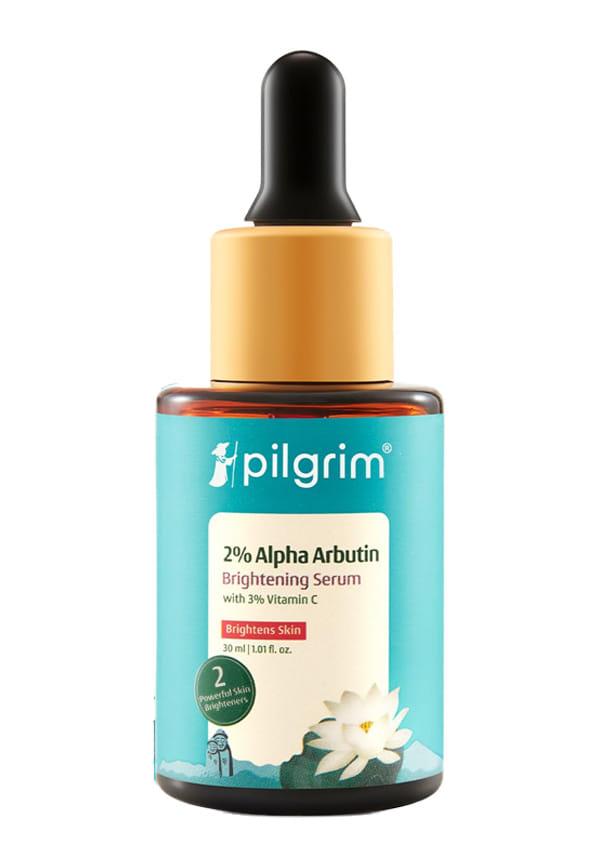
Skin Brightening Serum With Alpha Arbutin & Vitamin C For Glowing Skin
Dark spots and hyperpigmentation can feel like unwelcome guests that just won't leave. Whether it's melasma, post-acne marks, or sun damage, finding the right treatment can be overwhelming. Two ingredients dominate the conversation: alpha arbutin and hydroquinone. Both promise brighter, more even skin, but they work differently and come with their own sets of pros and cons. Let's break down the alpha arbutin vs hydroquinone comparison so you can make the smartest choice for your skin.
Before diving into specifics, let's get real about what causes those stubborn dark spots. Hyperpigmentation treatment starts with understanding that melanin production goes into overdrive due to factors like sun exposure, hormones, or inflammation. This is where skin lightening ingredients come into play.
Both alpha arbutin and hydroquinone work by inhibiting tyrosinase, the enzyme responsible for melanin production. Think of tyrosinase as the factory manager for pigment production—when you slow it down, you reduce the amount of melanin being made. However, the way each ingredient approaches this task differs significantly, which affects everything from how quickly you see results to potential side effects.
Alpha arbutin has become the darling of the skincare world, and for good reason. This naturally derived ingredient comes from bearberry plants and offers a gentler approach to tackling dark spots. The alpha arbutin benefits are impressive, especially for those who want effective results without harsh side effects.
Arbutin for skin works by gradually releasing hydroquinone in controlled amounts, but here's the clever bit—it does so slowly and steadily. This means you get the brightening benefits without the potential irritation that comes with direct hydroquinone application.
Suitable for all skin types, including sensitive skin
Safe for long-term use without rebound hyperpigmentation
Stable in formulations and doesn't degrade easily
Can be used during pregnancy and breastfeeding
Works well with other skincare ingredients like vitamin C and niacinamide
The concentration typically ranges from 1-2% in over-the-counter products, making it accessible and safe for daily use. Results usually become visible after 8-12 weeks of consistent use.
Hydroquinone has long been considered the gold standard for treating severe hyperpigmentation and melasma. It's potent, fast-acting, and clinically proven—but it comes with important caveats that you need to know about.
For melasma treatment and stubborn dark spots, hydroquinone often delivers results faster than any other ingredient. It works by directly inhibiting tyrosinase and can show visible improvements in as little as 4-6 weeks.
Potential skin irritation, redness, and dryness
Risk of ochronosis (paradoxical darkening) with prolonged use
Photosensitivity requiring strict sun protection
Not recommended during pregnancy or breastfeeding
May cause rebound hyperpigmentation if stopped abruptly
In India, hydroquinone is available in concentrations up to 2% without prescription, but stronger formulations require dermatologist supervision. The key is using it correctly and not exceeding recommended durations.
When it comes to the arbutin vs hydroquinone debate, there's no one-size-fits-all answer. Each has its place depending on your skin's needs, sensitivity level, and timeline expectations.
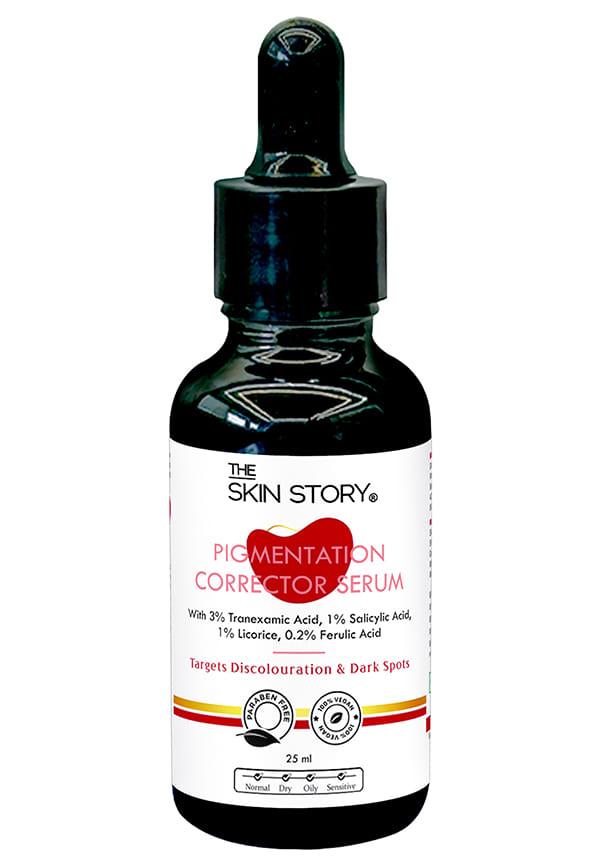
Pigmentation Corrector Face Serum Enriched With Alpha Arbutin For Brighter Looking Skin
Hydroquinone typically shows results within 4-6 weeks, making it the faster option for those who need quick improvements. Alpha arbutin takes a more patient approach, with noticeable results appearing after 8-12 weeks of consistent use. However, alpha arbutin's results tend to be more sustainable long-term.
This is where alpha arbutin really shines. Its gentle nature makes it suitable for sensitive skin types who might struggle with hydroquinone's potential irritation. Alpha arbutin also doesn't carry the risk of ochronosis, making it safer for extended use.
Alpha arbutin products are generally more affordable and accessible, whilst hydroquinone treatments might require dermatologist visits and prescription formulations for optimal results. Consider this when budgeting for your skincare routine.
If you're looking for hydroquinone alternatives, you're in luck. The skincare world has evolved to offer several safe skin brighteners that can deliver impressive results without the concerns associated with hydroquinone.
Alpha arbutin tops the list of hydroquinone alternatives because it offers similar benefits with a much gentler approach. It's particularly effective when combined with other brightening ingredients like vitamin C or kojic acid.
Kojic acid: Derived from fungi, effective but can be irritating for some
Tranexamic acid: Excellent for melasma and post-inflammatory hyperpigmentation
Vitamin C: Antioxidant properties plus brightening benefits
Niacinamide: Gentle and suitable for all skin types
Azelaic acid: Great for acne-related pigmentation
The beauty of these alternatives is that they can often be used together to create a comprehensive brightening routine without the restrictions that come with hydroquinone.
Choosing between these ingredients depends on your specific skin concerns, sensitivity level, and lifestyle factors. Here's how to make the right choice for your skin.
You have sensitive skin that reacts to strong actives
You're looking for a long-term maintenance solution
You're pregnant, breastfeeding, or planning to become pregnant
This is your first time treating hyperpigmentation
You want to combine multiple brightening ingredients
You have severe melasma or very stubborn dark spots
You're under dermatologist supervision
You need faster results for a specific timeline
Other gentler treatments haven't worked
You can commit to strict sun protection
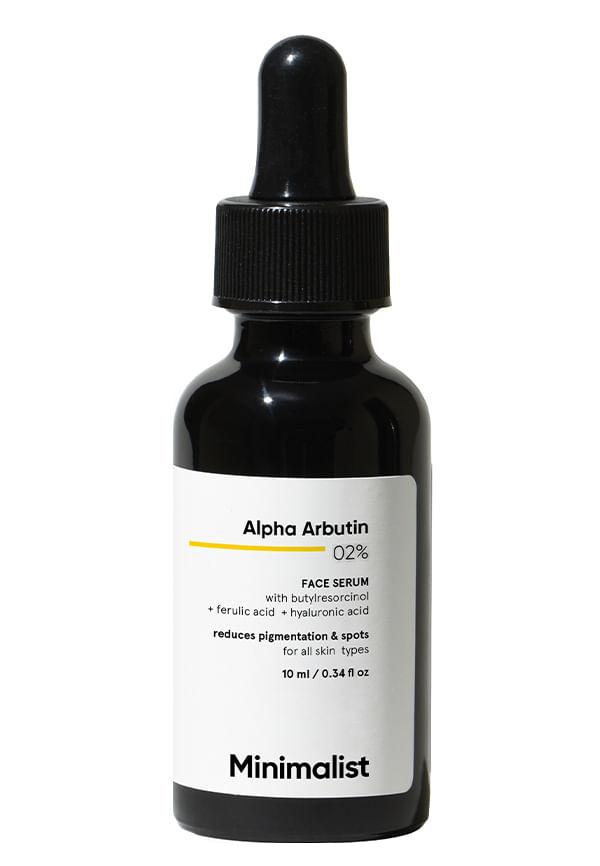
2% Alpha Arbutin Face Serum For Hyperpigmentation
Some dermatologists recommend cycling between ingredients or using them in combination under professional guidance. This approach can maximise benefits whilst minimising risks, but it requires careful monitoring.
When exploring different formulations and finding your perfect match, platforms like Smytten make it easier to try various products without committing to full sizes. With access to trial packs from trusted brands, you can test different concentrations and formulations to see what works best for your skin before making a larger investment.
The search for the best skin lightening serum isn't about finding the strongest ingredient—it's about finding what works consistently for your unique skin. Consider starting with gentler options like alpha arbutin, especially if you're new to active ingredients.
Remember, consistency trumps intensity when it comes to treating hyperpigmentation. A gentle routine you can stick to long-term will often deliver better results than a harsh treatment you can only tolerate for a few weeks.
Neither is universally "better"—it depends on your skin type, concerns, and tolerance level. Hydroquinone works faster but comes with more restrictions, whilst alpha arbutin is gentler and safer for long-term use. For most people starting their hyperpigmentation journey, alpha arbutin is the smarter choice.
Nothing consistently outperforms hydroquinone in terms of speed and potency for severe cases. However, combination treatments using alpha arbutin, vitamin C, and other brightening ingredients can be equally effective over time with fewer side effects.
Hydroquinone, kojic acid, and tretinoin are generally considered stronger than alpha arbutin. However, "stronger" doesn't always mean "better"—it often means more potential for irritation and side effects.
Alpha arbutin slowly releases small amounts of hydroquinone when it breaks down in the skin, but this happens gradually and in much smaller concentrations than direct hydroquinone application. This controlled release is what makes alpha arbutin gentler.
This should only be done under dermatologist supervision. The combination can be effective but increases the risk of irritation and side effects. Most experts recommend using one at a time or alternating between them.
Hydroquinone typically shows results in 4-6 weeks, whilst alpha arbutin takes 8-12 weeks. However, alpha arbutin's results tend to be more sustainable and less likely to rebound when you stop using it.
The alpha arbutin vs hydroquinone comparison ultimately comes down to your individual needs, skin sensitivity, and treatment goals. For most people dealing with mild to moderate hyperpigmentation, alpha arbutin offers the perfect balance of effectiveness and safety. It's particularly appealing for those who want to build a sustainable, long-term skincare routine.
Hydroquinone remains valuable for severe cases under professional guidance, but the restrictions and potential side effects make it less suitable for everyday use. The good news is that with today's advanced formulations and ingredient combinations, you have more options than ever to achieve brighter, more even skin.
Whether you choose alpha arbutin, hydroquinone, or explore other alternatives, remember that treating hyperpigmentation is a marathon, not a sprint. Consistency, patience, and proper sun protection will always be your best allies in this journey. And with platforms like Smytten offering trial-sized products from trusted brands, you can experiment with different formulations and find your perfect match without the commitment of full-size purchases—because why settle for 'maybe' when you can try it all?
