How to Care for Sensitive Skin: Expert Guide


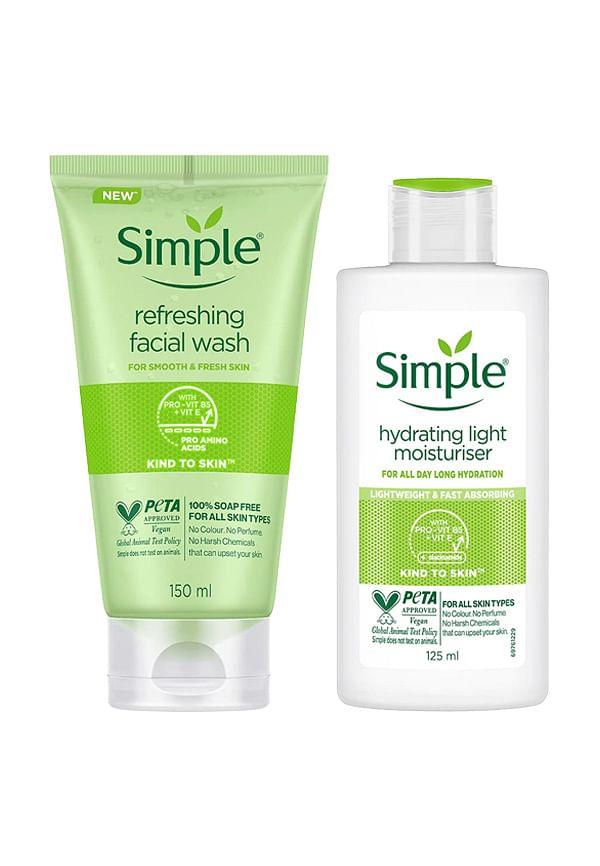
Sensitive Skin Essentials Combo
Great for Sensitive Skin
 5
5“Great product for sensitive skin”
Nice Face Wash & Moisturizer
5“nice face wash and nice moisturizer”
Nice Face Wash & Moisturizer
5“nice face wash and nice moisturizer”
Dealing with sensitive skin can feel like walking through a minefield—one wrong product and you're left with redness, stinging, or that uncomfortable tight feeling. If your skin throws a tantrum at the slightest provocation, you're definitely not alone. Learning how to care for sensitive skin properly can transform your daily routine from a source of stress into something that actually works for you. The good news? With the right approach, gentle products, and a bit of patience, you can build a sensitive skin routine that keeps irritation at bay whilst giving your skin the love it deserves.
Before diving into solutions, let's get clear on what sensitive skin actually means. True sensitive skin is a skin type that reacts easily to environmental factors, products, or even stress. You might notice redness, burning, stinging, or tightness after using certain products or being exposed to wind, sun, or temperature changes.
But here's where it gets interesting—there's a difference between sensitive skin and sensitised skin. Sensitised skin develops sensitivity over time due to over-exfoliation, harsh products, or environmental damage. The silver lining? Sensitised skin can often be restored with proper care, whilst true sensitive skin needs ongoing gentle management.
Your skin might be reacting to more than you realise. Environmental factors like pollution, extreme temperatures, and UV exposure are obvious culprits. But product-based triggers often fly under the radar—fragrances, essential oils, harsh acids, and even some 'natural' ingredients can cause flare-ups.
Sometimes what looks like general sensitivity is actually a specific condition. Eczema care requires targeted treatment for dry, itchy patches, whilst rosacea treatment focuses on persistent redness and visible blood vessels. If you're dealing with severe symptoms or suspect an underlying condition, a dermatologist can help distinguish between general sensitivity and specific skin disorders.
Building a sensitive skin routine isn't about using loads of products—it's about choosing the right ones and applying them correctly. Think of it as creating a protective bubble around your skin that keeps irritants out whilst delivering gentle nourishment.
Start your day with lukewarm water and a gentle cleanser that won't strip your skin's natural barrier. Look for cream or lotion-based cleansers rather than foaming ones, which can be too harsh. Pat your skin dry—never rub—and immediately follow with a fragrance-free skincare moisturiser whilst your skin is still slightly damp.
Sunscreen is non-negotiable, but choose mineral formulas with zinc oxide or titanium dioxide. These sit on top of your skin rather than penetrating it, making them perfect for reactive skin types.
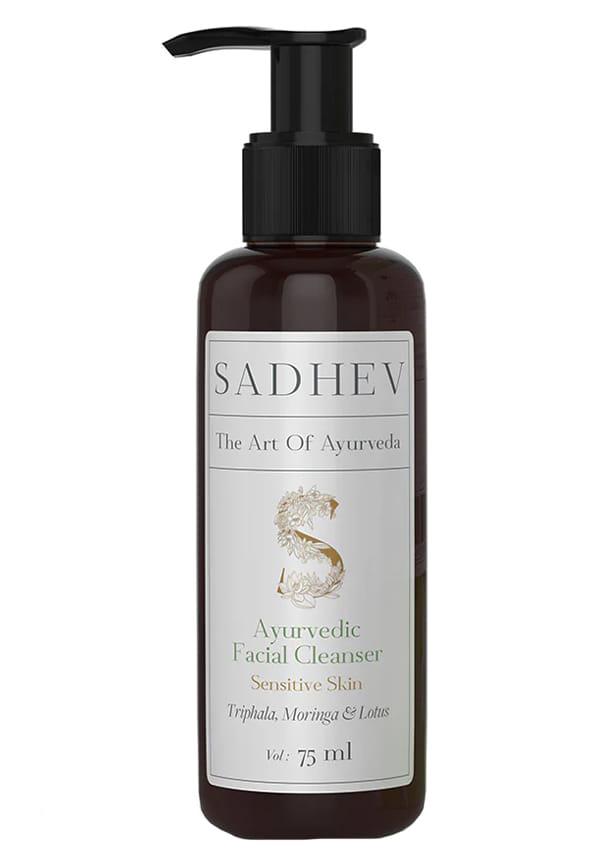
Ayurvedic Facial Cleanser Sensitive Skin
If you wear makeup, double cleansing becomes your best friend. Start with a gentle cleansing oil or balm to dissolve makeup, then follow with your regular gentle cleanser. This prevents you from scrubbing or using harsh makeup removers that can trigger sensitivity.
Evening is prime time for skin barrier repair. Layer your soothing skincare products from thinnest to thickest consistency, allowing each to absorb before applying the next. A good ceramide-rich moisturiser or a gentle face oil can work wonders overnight.
Not all skincare ingredients are created equal, especially when you're dealing with reactive skin. The key is knowing which calming ingredients to seek out and which ones to avoid like the plague.
Ceramides are absolute heroes for sensitive skin—they help restore and maintain your skin barrier, which is often compromised in sensitive skin types. Hyaluronic acid provides gentle hydration without irritation, whilst niacinamide calms inflammation and strengthens your skin over time.
Natural calming ingredients like aloe vera, chamomile, and colloidal oatmeal have been soothing irritated skin for centuries. These ingredients are often found in hypoallergenic products specifically formulated for sensitive skin types.
Fragrances top the list of irritants—even 'natural' essential oils can trigger reactions. Alcohol denat (denatured alcohol) is another major culprit that can dry out and irritate sensitive skin. Strong acids like glycolic acid or high-concentration retinoids might be too intense, especially when you're first establishing your routine.
When your skin is having a moment, quick redness relief becomes essential. The first rule? Don't panic and don't over-treat. Sometimes the best thing you can do is simplify your routine and give your skin space to calm down.
Cool compresses can provide immediate relief—wrap ice cubes in a soft cloth or use a cold, damp flannel for a few minutes. Anti-inflammatory ingredients like green tea extract, liquorice root, or centella asiatica can help reduce redness when applied topically.
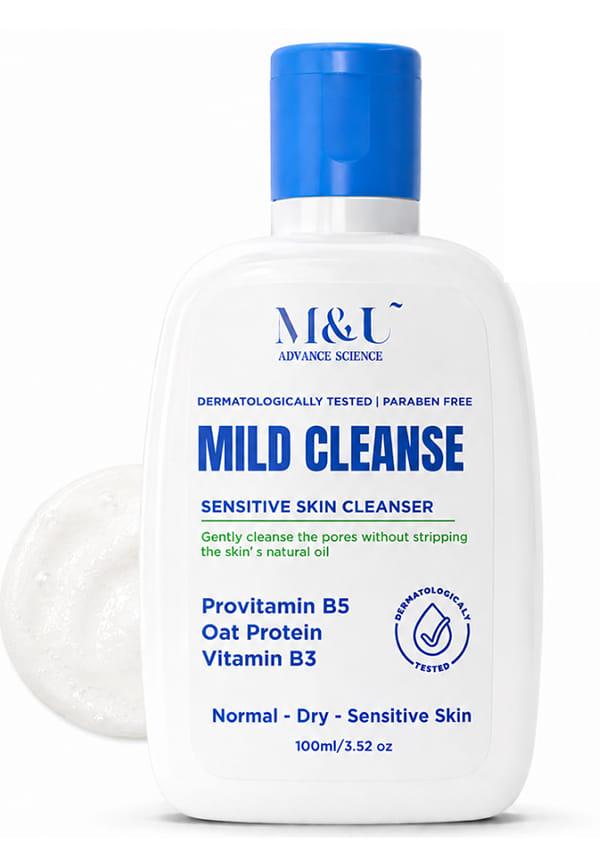
Mild Cleanse Gentle Cleanser for Sensitive Skin
For ongoing eczema care, focus on maintaining moisture and avoiding known triggers. Rosacea treatment often requires identifying and avoiding specific triggers like spicy foods, alcohol, or extreme temperatures, alongside gentle skincare.
Sometimes the gentlest approach involves going back to basics. Learning how to care for sensitive skin naturally can complement your regular routine and provide additional relief during flare-ups.
Oatmeal baths or face masks can soothe irritated skin—just blend plain oats with water to create a gentle paste. Honey, particularly manuka honey, has natural anti-inflammatory properties that can calm reactive skin.
Don't underestimate lifestyle factors either. What you eat, how much you sleep, and your stress levels all impact your skin's sensitivity. Staying hydrated, eating anti-inflammatory foods, and managing stress through exercise or meditation can support your skin from the inside out.
When you're dealing with sensitive skin, product selection becomes crucial. The trial-and-error approach can be expensive and frustrating, especially when each wrong choice means dealing with irritation for days.
This is where platforms like Smytten become invaluable for sensitive skin sufferers. As India's largest product discovery and trial platform, Smytten offers curated trial packs from over 1,500 trusted brands, including gentle options from Cetaphil and other dermatologist-recommended brands. You can explore gentle cleansers, fragrance-free skincare, and hypoallergenic products through mini-sized versions before committing to full-size purchases.
Look for products specifically labelled as suitable for sensitive skin, but remember that 'natural' doesn't always mean gentle. Some of the most effective soothing skincare products combine gentle synthetic ingredients with natural extracts for optimal results.
Your skincare routine is just one piece of the puzzle. Daily habits and environmental factors play a huge role in how your sensitive skin behaves throughout the day.
Hot water might feel relaxing, but it strips your skin's natural oils and can trigger sensitivity. Stick to lukewarm water for both cleansing and showering. Your choice of fabrics matters too—rough textures or synthetic materials can irritate sensitive skin, whilst soft cotton or bamboo fabrics are gentler options.
Even your laundry detergent can affect your skin. Switch to fragrance-free, hypoallergenic options and consider doing an extra rinse cycle to remove any detergent residue that might irritate your skin.
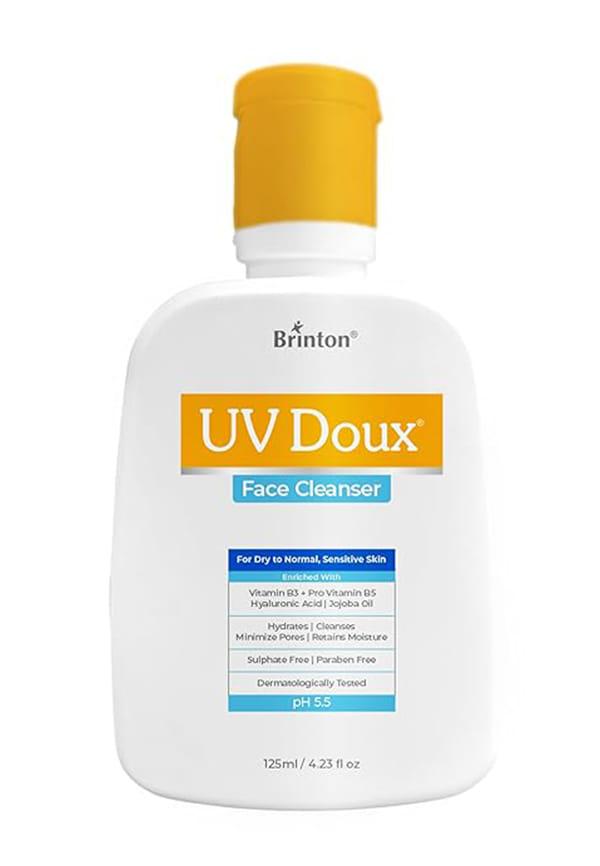
Face Cleanser for Dry, Normal & Sensitive Skin
Effective Mild Cleanser
5“best cleanser ever I have tried lots of cleanser but this is the only cleanser cleanse the face without removing the natural moisture on the skini think it suits for all skin tone but this is mild cleanser if you are using makeup remove with makeup remover cause this is mild cleanser that did not work on makeup”
Gentle and Effective Cleansing
4“Very gentle on face and clean properly”
Gentle Cleanser, Loved
5“Very gentle cleanser. Loved it ”
Focus on a simple routine with gentle cleansers, fragrance-free skincare, and consistent sun protection. Cleanse with lukewarm water, moisturise whilst skin is damp, and always patch-test new products.
Simplify your routine immediately, use cool compresses for redness relief, and stick to products you know work for your skin. Avoid trying new products during flare-ups.
True sensitive skin is typically managed rather than cured, but sensitised skin can often be restored with proper skin barrier repair and gentle care over time.
Sensitive skin reactions are typically mild and gradual, whilst allergic reactions can be severe and immediate. If you experience severe swelling, difficulty breathing, or intense reactions, seek medical attention.
If your sensitivity is severe, doesn't improve with gentle care, or you suspect conditions like eczema or rosacea, professional guidance can help identify triggers and appropriate treatments.
Learning how to care for sensitive skin is a journey, not a destination. What works for your skin might be different from what works for others, and that's completely normal. The key is patience, consistency, and choosing products that support rather than challenge your skin's natural barrier.
Remember that with over 25 million users and 100 million trial minis delivered, Smytten has helped countless people discover products that work for their unique skin needs. The platform's approach of offering trial-sized products means you can test soothing skincare options, gentle cleansers, and hypoallergenic products without the risk of investing in full-size products that might not suit your skin. After all, why settle for 'maybe' when you can try it all and find what truly works for your sensitive skin?
