How to Calm Facial Redness Fast: Quick Fixes for Blotchy Skin

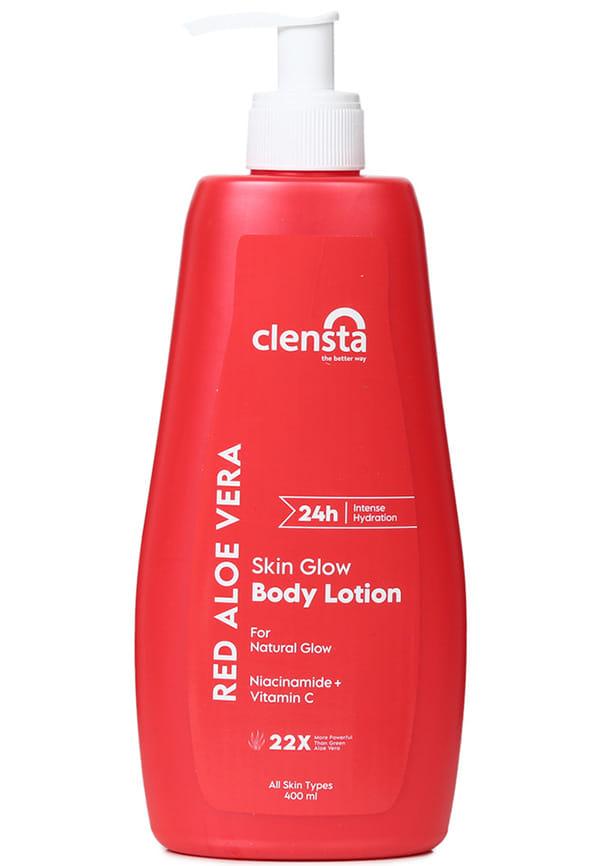
Red Aloe Vera Skin Glow Body Lotion With 2% Niacinamide & Vitamin C
Hydrating Body Lotion
 5
5“It is a very hydrating body lotion”
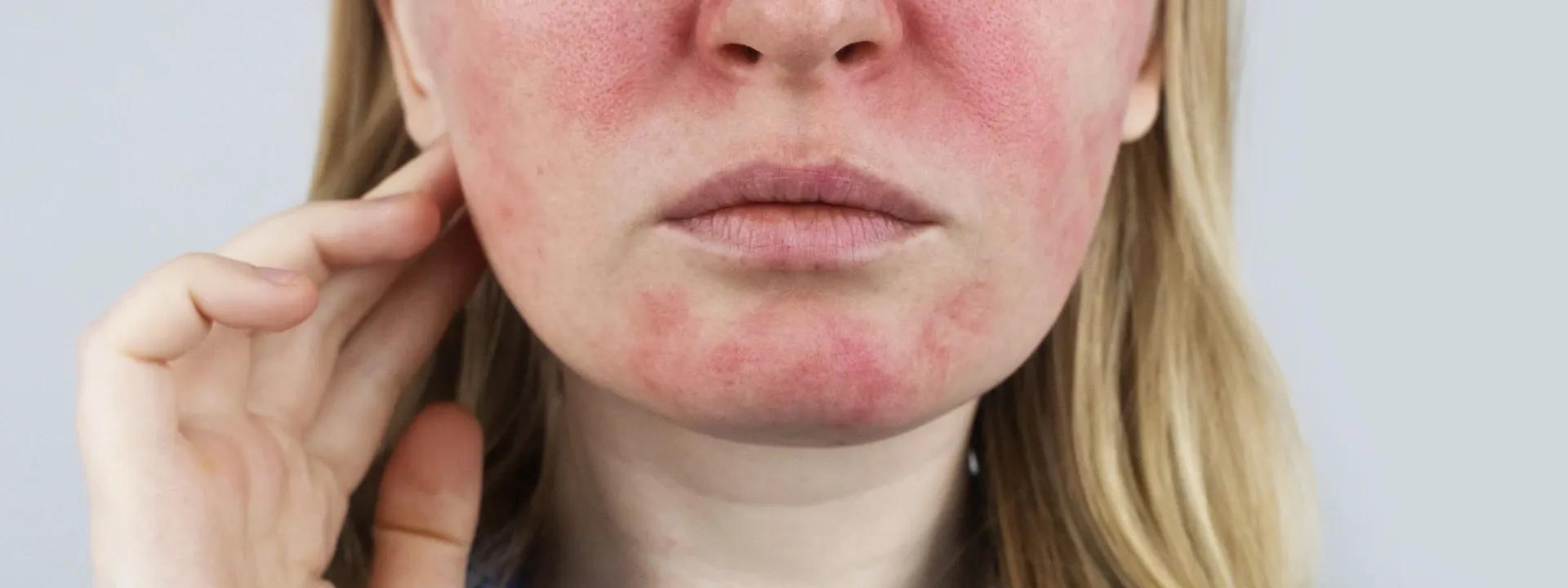
That moment when you catch your reflection and wonder why your face looks like you've been running a marathon in the heat—we've all been there. Facial redness can strike at the most inconvenient times, whether it's stress-induced flushing before an important meeting, post-workout blotchiness, or that stubborn irritation that just won't budge. The good news? You don't have to live with angry, inflamed skin or rely solely on heavy makeup to hide the redness.
Understanding how to calm facial redness fast isn't just about quick fixes—it's about knowing which ingredients actually work, which home remedies are worth your time, and how to build a routine that prevents future flare-ups. From emergency cooling techniques that work in minutes to long-term strategies for sensitive skin, there are proven methods to get your complexion back to its happy, balanced state. Whether you're dealing with occasional sensitivity or chronic redness, the right approach can make all the difference. Platforms like Smytten make it easier than ever to trial gentle, effective products without committing to full sizes, helping you find what truly works for your unique skin needs.
TL;DR
Instant relief methods: Cold compresses, green colour correctors, and cool water rinses can reduce facial flushing within minutes
Proven calming ingredients: Niacinamide, aloe vera, and centella asiatica are scientifically backed for soothing skin irritation
Natural home remedies: Green tea compresses, cucumber masks, and honey treatments offer gentle relief without harsh chemicals
Prevention is key: Building a calming skincare routine and avoiding common triggers helps prevent future redness episodes
Know when to seek help: Persistent redness may indicate conditions like rosacea that require professional treatment
When redness strikes unexpectedly, you need solutions that work fast. These emergency techniques can help calm your complexion whilst you're getting ready for work or before an important event.
Cold therapy is one of the most effective ways to reduce facial flushing quickly. The low temperature causes blood vessels to constrict, immediately reducing the appearance of redness and inflammation. Wrap a few ice cubes in a clean cloth or use a cold, damp flannel—never apply ice directly to your skin. Gently press the compress against the red areas for 5-10 minute intervals, taking breaks to prevent skin damage. This technique works particularly well for stress-induced flushing or post-exercise redness.
Green colour corrector is your best friend for instant camouflage. On the colour wheel, green sits opposite red, making it the perfect neutraliser for blotchy skin. Apply a thin layer of green primer or concealer to red areas before your regular foundation. The key is using just enough to cancel out the redness without creating a grey cast. This technique works brilliantly for spot-treating specific areas like around the nose or on the cheeks.
Sometimes the simplest solutions are the most effective. Splashing your face with cool water can provide immediate relief for sensitive skin redness. The temperature should feel refreshing but not shocking—around 15-20°C is ideal. This method works by temporarily constricting blood vessels whilst removing any irritating substances that might be on your skin's surface. Follow up with a gentle, fragrance-free moisturiser to lock in hydration.
Understanding which ingredients actually work can transform your approach to managing facial redness. These scientifically-backed compounds offer both immediate relief and long-term benefits for reactive skin.
Niacinamide is a form of vitamin B3 that's particularly effective for reducing inflammation and strengthening your skin's natural barrier. Research shows that concentrations between 5-10% can significantly reduce redness whilst improving overall skin texture. Niacinamide works by regulating oil production, reducing inflammation, and helping your skin retain moisture more effectively. Look for serums or moisturisers containing niacinamide and apply them twice daily for best results.
Aloe vera contains compounds called polysaccharides that have proven anti-inflammatory properties. The gel provides an immediate cooling sensation that can help alleviate skin inflammation on contact. Fresh aloe from the plant is most potent, but high-quality commercial products work well too. Apply a thin layer to clean skin and allow it to absorb completely. The cooling effect is immediate, whilst the healing benefits develop over time with regular use.
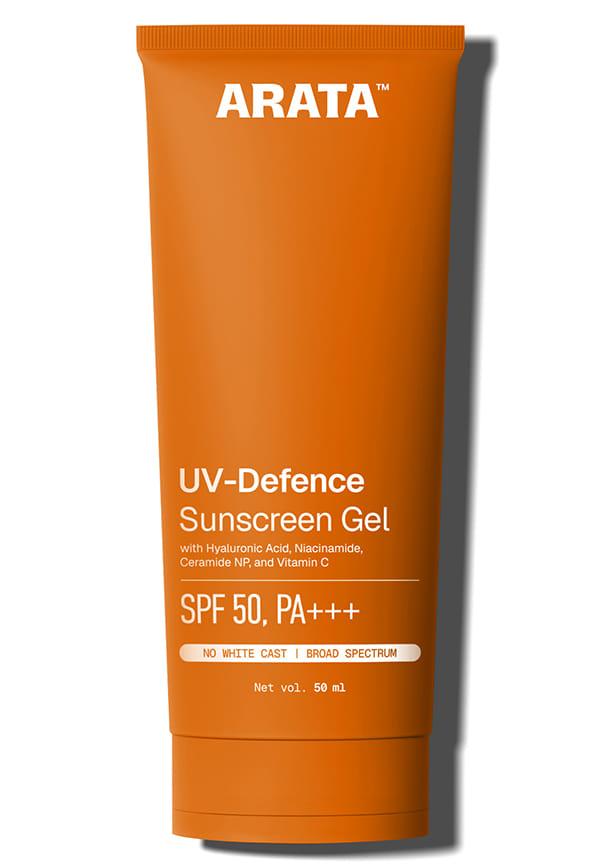
Sunscreen Gel with Niacinamide & Ceramide
Also known as cica, centella asiatica has been used in traditional medicine for centuries and is now backed by modern research. This ingredient contains active compounds like asiaticoside and madecassoside, which are plant-derived compounds that specifically target inflammation and promote skin healing. It's particularly effective for those with rosacea or chronically sensitive skin. Look for products with at least 1% centella extract for therapeutic benefits.
Several other ingredients deserve a place in your redness-fighting arsenal:
Allantoin: Derived from comfrey root, this gentle ingredient promotes cell regeneration and has soothing properties
Caffeine: When applied topically, caffeine can reduce puffiness and temporarily tighten blood vessels
Licorice extract: Contains glabridin, which has anti-inflammatory properties and can help brighten skin over time
Sometimes the most effective treatments are sitting in your kitchen cupboard. These natural remedies can provide gentle relief without the risk of additional irritation from synthetic ingredients.
Green tea is rich in polyphenols, particularly EGCG (epigallocatechin gallate), which has powerful anti-inflammatory properties. Brew a strong cup of green tea, allow it to cool completely, then soak a clean cloth in the liquid. Apply the compress to red areas for 10-15 minutes. The antioxidants in green tea help reduce inflammation whilst the cool temperature provides immediate relief. This method is particularly effective for rosacea redness relief and can be used daily.
Cucumber contains vitamin C and caffeic acid, both of which help reduce inflammation and provide a cooling sensation. Blend half a cucumber with two tablespoons of finely ground oatmeal to create a soothing mask. Oatmeal contains compounds called avenanthramides that have anti-inflammatory properties. Apply this mixture to clean skin for 15-20 minutes, then rinse with cool water. This combination is particularly effective for calming irritated skin after sun exposure or harsh weather.
Raw honey, particularly Manuka honey, has antibacterial and anti-inflammatory properties that make it excellent for soothing red, irritated skin. Apply a thin layer of raw honey to clean skin and leave for 10-15 minutes before rinsing with lukewarm water. For enhanced benefits, mix honey with a small amount of ground oatmeal or aloe vera gel. This treatment is gentle enough for daily use and particularly beneficial for those dealing with acne-related redness.
Whilst quick fixes are helpful for immediate relief, building a consistent calming skincare routine is essential for preventing future flare-ups and maintaining balanced skin.
Start your day with a gentle, non-foaming cleanser that won't strip your skin's natural oils. Follow with a niacinamide serum or a moisturiser containing calming ingredients like centella asiatica. The final step should always be a broad-spectrum SPF of at least 30—sun exposure is one of the most common triggers for facial redness. Look for mineral sunscreens containing zinc oxide or titanium dioxide, as these are less likely to cause irritation than chemical filters.
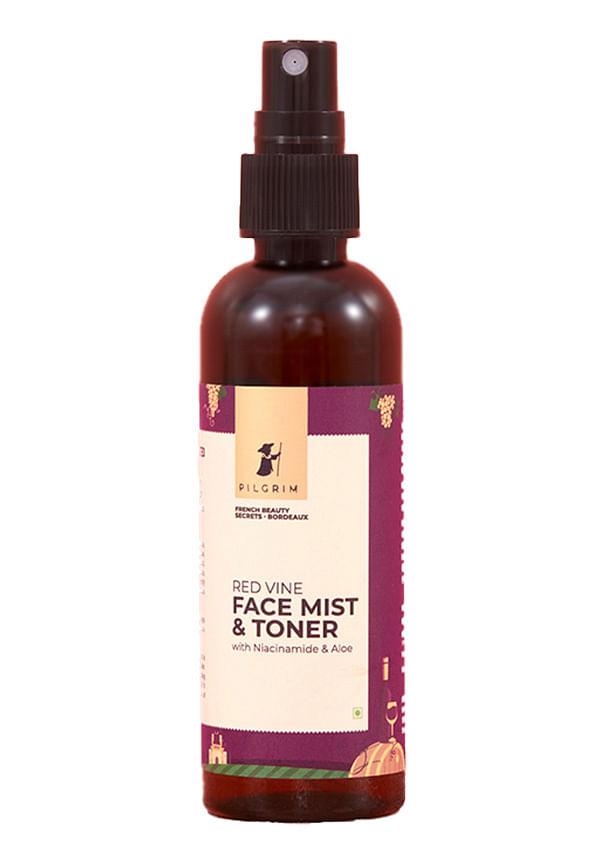
Red Vine Face Mist & Toner with Niacinamide & Aloe
Very Nice Products
4“very nice products I really like this products”
Nice Toner & Fragrance
4“very nyc toner and fragrance.....”
Refreshing and Amazing Smelling Toner
5“very refreshing and amazing smelling toner”
Your evening routine is when your skin does most of its repair work. Remove makeup gently with a micellar water or oil cleanser, followed by your regular gentle cleanser. Apply a serum containing soothing ingredients like aloe vera or centella, then seal everything in with a rich, barrier-repairing moisturiser. Avoid active ingredients like retinoids or acids during flare-ups, as these can worsen irritation.
Once or twice a week, incorporate gentle treatments that support your skin's healing process. A hydrating mask containing hyaluronic acid or ceramides can help restore moisture balance. Avoid physical scrubs entirely—if you need exfoliation, opt for extremely gentle chemical exfoliants like lactic acid, and only when your skin isn't actively irritated.
Understanding what to avoid is just as important as knowing what to use. These common triggers can turn minor irritation into a full-blown redness flare-up.
When your skin is red and irritated, certain ingredients can make things worse. Avoid physical scrubs, which can cause micro-tears and increase inflammation. Strong acids like glycolic acid or high-concentration salicylic acid should be temporarily discontinued. Fragrances and essential oils, even natural ones, are common irritants for sensitive skin. Products containing alcohol (particularly denatured alcohol) can be extremely drying and inflammatory.
Heat is a major trigger for facial redness—this includes hot showers, saunas, and even spicy foods. If you exercise regularly, try to work out in cooler environments and splash your face with cool water immediately afterwards. Stress is another significant trigger, as it can cause blood vessels to dilate. Consider incorporating stress-management techniques like meditation or deep breathing exercises into your routine.
Weather extremes—both hot and cold—can trigger redness. In winter, use a humidifier to combat dry indoor air, and always apply a barrier cream before going outside. In summer, seek shade during peak hours and wear a wide-brimmed hat for extra protection. Even your laundry detergent can be a trigger if it contains harsh fragrances or chemicals.
Whilst many cases of facial redness can be managed at home, some situations require professional intervention. Knowing when to seek help can prevent minor issues from becoming chronic problems.
Rosacea affects millions of people and is characterised by persistent redness, particularly across the cheeks, nose, and forehead. Unlike temporary irritation, rosacea tends to worsen over time without proper treatment. Other signs include visible blood vessels, bumps that resemble acne, and eye irritation. If your redness persists for more than a few weeks or is accompanied by burning or stinging sensations, it's worth consulting a dermatologist.
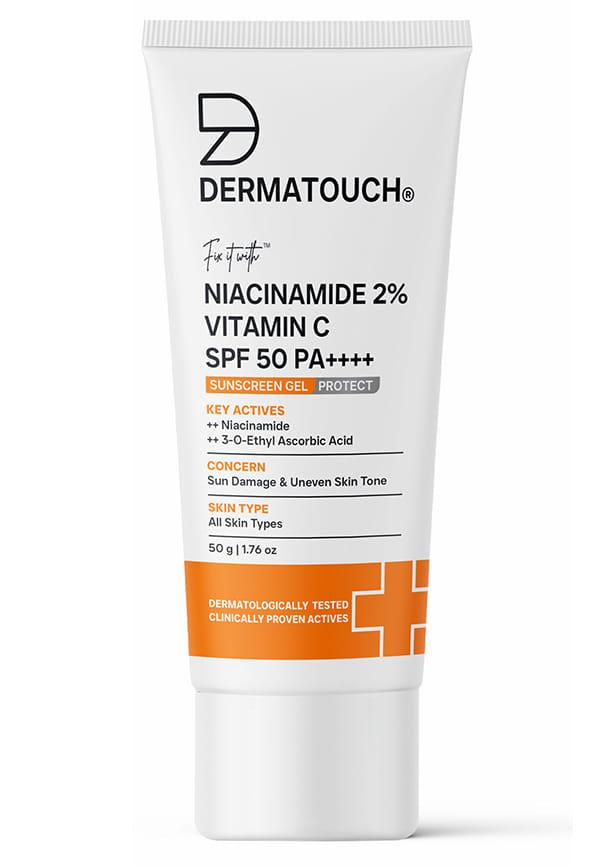
Niacinamide 2% Vitamin C Sunscreen for glowing skin, SPF 50+ PA ++++
Dermatologists have access to prescription treatments that aren't available over the counter. Topical antibiotics like metronidazole gel can reduce inflammation, whilst oral medications may be prescribed for more severe cases. Laser and light therapies can target visible blood vessels and reduce overall redness, though these treatments typically require multiple sessions.
It's important to distinguish between medical treatments for underlying conditions and cosmetic treatments for appearance. Medical treatments for conditions like rosacea may be covered by insurance, whilst cosmetic procedures typically aren't. A dermatologist can help you understand which approach is most appropriate for your specific situation and create a comprehensive treatment plan.
The fastest methods include applying a cold compress for 5-10 minutes, splashing your face with cool water, or using a green colour corrector under your makeup. These techniques provide temporary relief by constricting blood vessels and neutralising the appearance of redness.
Niacinamide is considered one of the most effective ingredients for reducing facial redness. At concentrations of 5-10%, it helps strengthen the skin barrier, reduce inflammation, and regulate oil production. Centella asiatica and aloe vera are also excellent choices for sensitive skin.
Common causes include sun exposure, harsh skincare products, stress, temperature extremes, spicy foods, alcohol, and underlying conditions like rosacea or eczema. Identifying your specific triggers is key to preventing future flare-ups.
For acne-related redness, avoid picking or squeezing spots, which can worsen inflammation. Apply a cold compress to reduce swelling, use products containing niacinamide or centella asiatica, and consider spot-treating with diluted tea tree oil. Always follow up with a gentle moisturiser to prevent dryness. When exploring new products for acne-prone skin, platforms like Smytten allow you to trial gentle, effective formulations before committing to full sizes.
Managing facial redness effectively requires a combination of immediate relief techniques and long-term prevention strategies. Cold compresses, green colour correctors, and cool water rinses can provide quick relief when you need it most. For lasting results, focus on gentle ingredients like niacinamide, centella asiatica, and aloe vera that address inflammation at its source.
Building a consistent routine with fragrance-free, gentle products is essential for preventing future flare-ups. Equally important is identifying and avoiding your personal triggers, whether they're environmental factors, certain ingredients, or lifestyle choices. Remember that some redness may indicate underlying conditions like rosacea that benefit from professional treatment.
The key to success is patience and consistency. Your skin's barrier function improves gradually, so give new routines at least 4-6 weeks to show their full benefits. Most importantly, listen to your skin—if something causes irritation, discontinue use immediately.
Finding the right products to calm facial redness can feel overwhelming, especially when your skin is already irritated and reactive. This is where Smytten's trial approach becomes invaluable—rather than investing in full-size products that might not work for your sensitive skin, you can explore gentle, effective formulations through curated trial packs. With access to over 2,400 trusted brands including Cetaphil, Swiss Beauty, and Bella Vita, you can discover what truly works for your unique skin needs without the financial risk. The platform's 100% cashback on trial minis makes it even easier to experiment with different calming ingredients and formulations. Whether you're looking for a gentle niacinamide serum, a soothing aloe vera gel, or a fragrance-free moisturiser, Smytten's extensive collection ensures you can try before you buy. After all, when dealing with sensitive, red-prone skin, why settle for guesswork when you can #TryItAll and find your perfect calming routine? With Smytten, you can discover India's largest minis collection, get 100% cashback on trials, and explore authentic brand-verified minis, covering 27,000+ pincodes, all for ₹279 for 10 Trial Points.
