How to Build an Effective Skincare Routine for Men with Acne
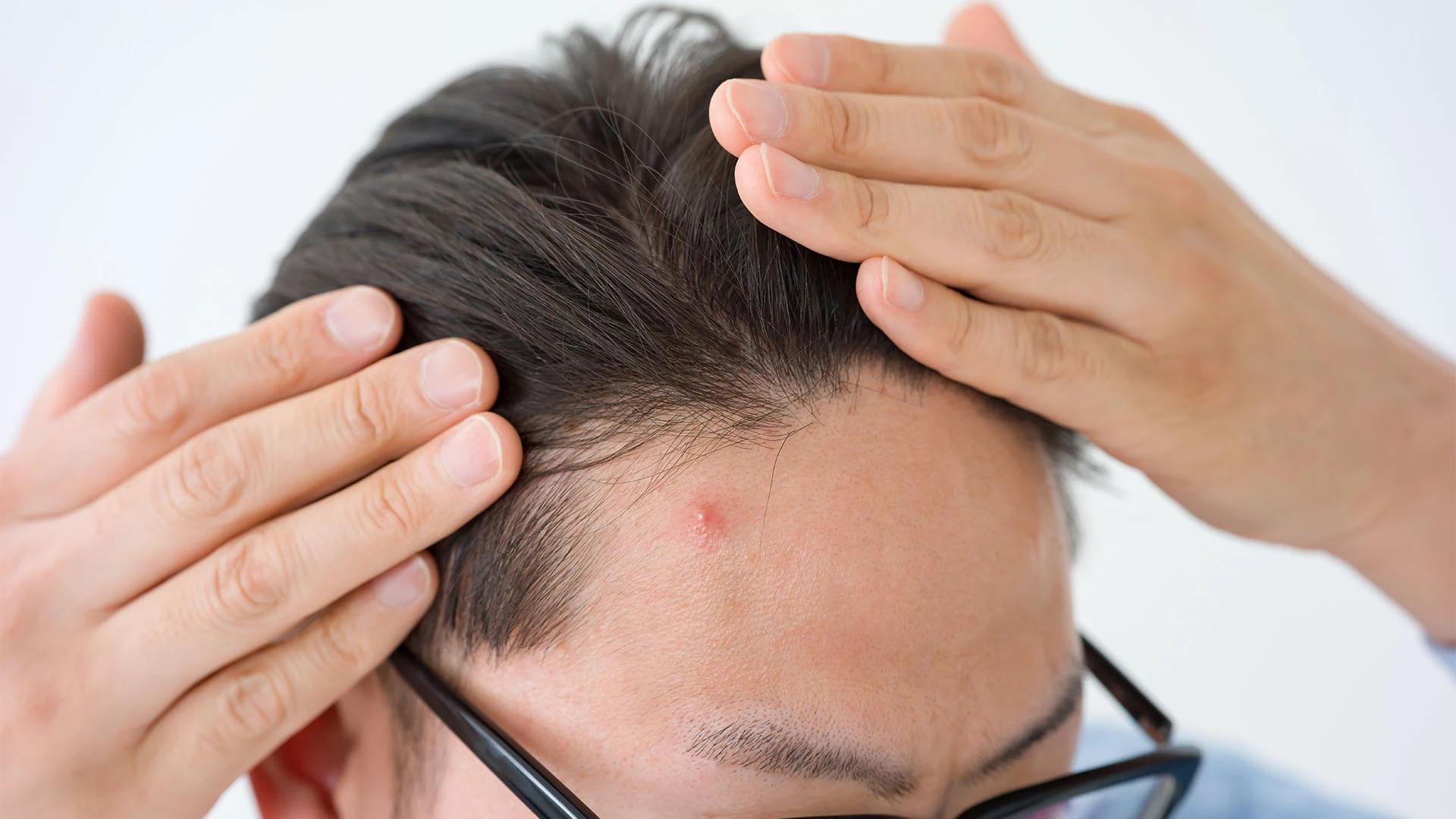

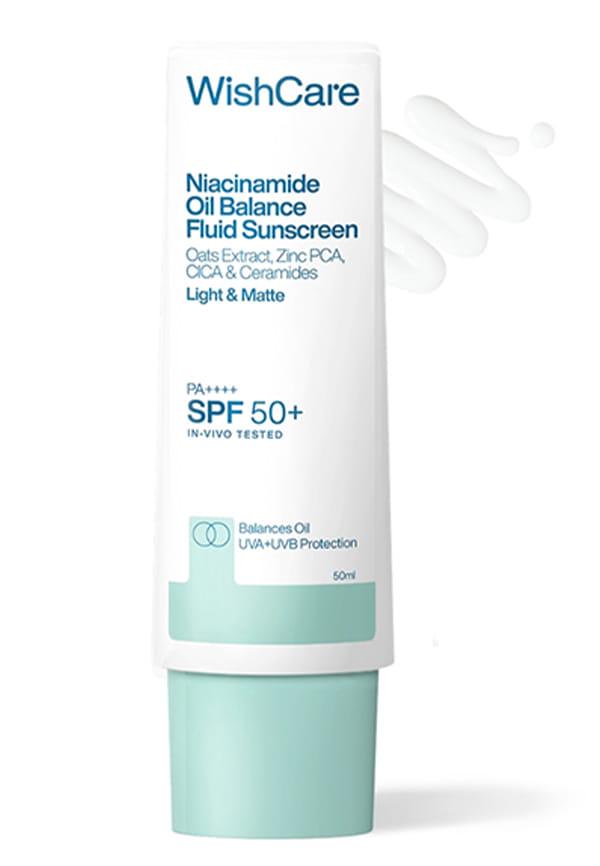
Niacinamide Oil Balance Sunscreen SPF 50 PA++++ - In-Vivo Tested
Easy Application & Smooth Texture
 4
4“it glides easy when I apply it smooth texture”
Superb, Lightweight Sunscreen
5“superb sunscreen with light weight”
Excellent Sunscreen with Application Tip
5“Its a very good Sunscreen... will give a glow in yoir face.... but wait for a few minutes after applying the moisturizer...then you can apply the Sunscreen. Otherwise your face will get oily... Makes your skin fresh and plump.... just go for it... 🤌🏼💗”
Dealing with acne as a man can feel like fighting an uphill battle. Your skin produces more sebum than women's, you're likely dealing with thicker skin texture, and traditional skincare advice often feels generic or feminine-focused. The truth is, men's acne requires a different approach—one that acknowledges your skin's unique needs whilst cutting through the noise of overcomplicated routines. Whether you're battling hormonal breakouts in your twenties, post-gym congestion, or persistent blackheads from daily pollution exposure, building an effective skincare routine for acne doesn't have to be overwhelming. The key lies in understanding what actually works for men's acne-prone skin and why most generic advice falls short. With the right approach and products tailored to your skin's specific concerns, you can achieve clearer, healthier skin without the guesswork. Platforms like Smytten make this journey easier by offering trial-sized versions of proven products, so you can test what works before committing to full-size purchases.
TL;DR
Men's skin produces 25% more oil than women's, requiring targeted cleansing with salicylic acid or benzoyl peroxide
A simple 4-step routine (cleanse, treat, moisturise, protect) is more effective than complex regimens for acne-prone male skin
Niacinamide and retinoids are game-changers for reducing oil production and preventing future breakouts
Consistency matters more than expensive products—stick to your routine for 6-8 weeks to see real results
Natural remedies like tea tree oil can complement clinical treatments but shouldn't replace proven actives
Men's skin operates differently from women's in several crucial ways that most skincare advice completely ignores. Your skin is approximately 25% thicker and produces significantly more sebum throughout your life, thanks to higher testosterone levels. This isn't just about being "oily"—it's about understanding that your pores work overtime, making them more prone to clogging and inflammation.
Hormonal acne in men doesn't follow the same patterns as women's monthly cycles. Instead, it's often triggered by stress, diet, exercise routines, and lifestyle factors that create consistent hormonal fluctuations. Your skin also responds differently to treatments—what works for your girlfriend or sister might actually make your acne worse.
The biggest mistake men make is either doing nothing (hoping it'll sort itself out) or going nuclear with harsh scrubs and alcohol-based products. Both approaches backfire spectacularly. Neglecting your skin allows bacteria to thrive, whilst over-cleansing strips your skin's natural barrier, causing it to produce even more oil in response. This creates a frustrating cycle where your skin gets worse despite your efforts.
Building an effective skincare routine for acne-prone men doesn't require a bathroom full of products. The most successful approach focuses on four essential steps that work synergistically to address your skin's specific needs. This routine targets excess oil production, unclogs pores, reduces inflammation, and prevents future breakouts whilst maintaining your skin's protective barrier.
Your cleanser is the foundation of everything that follows, so getting this step right is crucial. Look for gel-based formulas containing either salicylic acid (2%) or benzoyl peroxide (2.5-5%). Salicylic acid works by dissolving the oil and dead skin cells that clog your pores, whilst benzoyl peroxide kills acne-causing bacteria.
The Qraa Men Charcoal Face Wash offers deep cleansing with activated coconut charcoal, making it excellent for men exposed to urban pollution. For those preferring targeted acne treatment, Men Deserve Anti Acne And Oil Control Face Wash combines salicylic acid with tea tree oil for effective breakout management.
Cleanse twice daily—morning and evening—using lukewarm water and gentle circular motions. Avoid scrubbing aggressively, as this can irritate inflamed skin and spread bacteria. Pat your face dry with a clean towel rather than rubbing.
This is where you address active breakouts and prevent new ones from forming. Niacinamide is particularly effective for men's skin, as it reduces oil production by up to 30% whilst calming inflammation. Apply a niacinamide serum or treatment (5-10% concentration) to your entire face, not just problem areas.
For spot treatments, benzoyl peroxide remains one of the most effective options for active pimples. Start with a 2.5% concentration to minimise irritation. If you're dealing with persistent blackheads, a weekly salicylic acid treatment can help keep pores clear.
Retinoids deserve special mention as they're the gold standard for long-term acne prevention. They work by increasing cell turnover, preventing dead skin cells from clogging pores. Start with a low concentration and use every other night initially.
This step trips up many men who assume oily skin doesn't need moisture. Skipping moisturiser actually makes acne worse by triggering your skin to produce more oil. The key is choosing the right formula—look for lightweight, non-comedogenic moisturisers that won't clog pores.
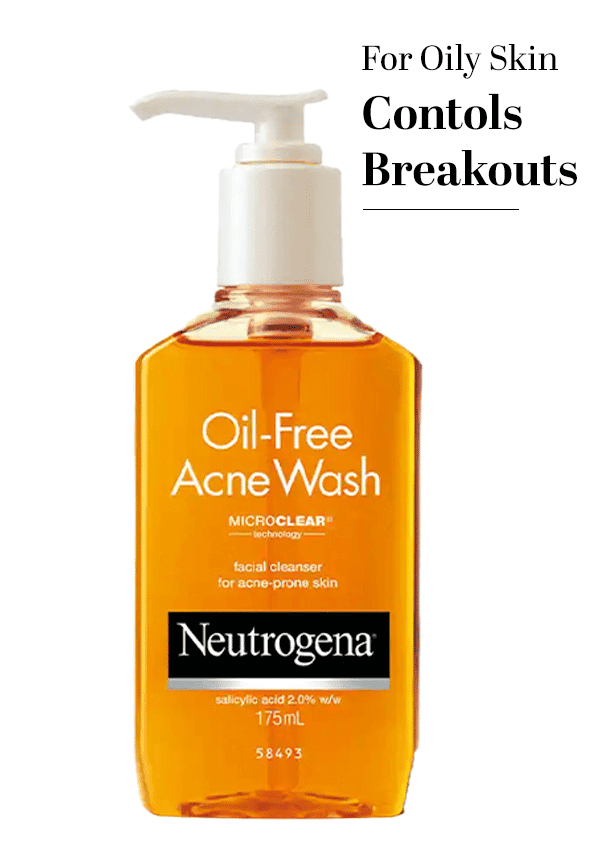
Oil Free Acne Wash For Acne Prone Skin With Salicylic Acid
Reputable Brand for Skin
5“Known brand and known work with skin”
Reputable Brand for Skin
5“Known brand and known work with skin”
Good for Acne Skin
5“best in use for acne skin it helps clean the skin”
Gel-based moisturisers work brilliantly for oily skin, providing hydration without heaviness. Ingredients like hyaluronic acid draw moisture into your skin without adding oil, whilst ceramides help repair your skin barrier.
Apply moisturiser to slightly damp skin for better absorption. If you're using active treatments like retinoids or benzoyl peroxide, a good moisturiser becomes even more crucial to prevent irritation and peeling.
SPF isn't optional, even for acne-prone skin. UV damage worsens acne scars and can actually increase oil production. Modern sunscreens designed for oily skin won't clog pores or leave you looking greasy.
Look for broad-spectrum SPF 30 or higher with zinc oxide or titanium dioxide. These mineral ingredients are less likely to irritate acne-prone skin compared to chemical sunscreens. The Oshea Herbals UV Shield Sun Block Cream SPF 30 PA++ offers effective protection whilst remaining non-greasy.
Apply sunscreen every morning, even on cloudy days or when working indoors. Reapply every two hours if you're outdoors or sweating heavily.
Understanding which ingredients actually work can save you time, money, and frustration. The skincare industry loves to complicate things, but effective acne treatment for men comes down to a handful of proven actives that have decades of research behind them.
Salicylic acid is your best friend for preventing clogged pores. This beta-hydroxy acid (BHA) can penetrate oil-filled pores and dissolve the mixture of sebum and dead skin cells that cause blackheads and whiteheads. It's particularly effective for men because it works well on thicker, oilier skin.
Benzoyl peroxide remains the most effective over-the-counter treatment for inflammatory acne. It kills Propionibacterium acnes (the bacteria that causes acne) and helps prevent antibiotic resistance. Start with 2.5% concentration—higher percentages aren't necessarily more effective but can cause more irritation.
Niacinamide is particularly beneficial for men's skin concerns. This form of vitamin B3 reduces oil production, minimises pore appearance, and has anti-inflammatory properties. It's gentle enough for daily use and plays well with other active ingredients.
Retinoids are the long-term solution for acne prevention. They normalise skin cell turnover, prevent pores from clogging, and can help fade acne scars over time. Prescription retinoids like tretinoin are most effective, but over-the-counter retinol can also provide benefits.
Product | Skin Type | Key Ingredients | Price Range | Best For |
|---|---|---|---|---|
Qraa Men Charcoal Face Wash | Oily, Combination | Activated Charcoal, Aloe Vera | ₹300-₹500 | Deep cleansing, pollution removal |
Men Deserve Anti Acne Face Wash | Oily, Acne-prone | Salicylic Acid, Tea Tree Oil | ₹300-₹500 | Active breakouts, oil control |
St. D'vence Shut the Soap Up Body Wash | Oily, Acne-prone | Salicylic Acid | ₹500-₹800 | Body acne, back acne |
The Love Co. Niacinamide Body Lotion | Oily, Combination | Niacinamide | ₹300-₹500 | Oil balance, acne marks |
Oshea Herbals UV Shield SPF 30 | All skin types | Mineral sunscreen | ₹300-₹500 | Daily sun protection |
When you're dealing with an active breakout, especially before an important event, you need strategies that work quickly without making things worse. The key is targeting the pimple whilst protecting the surrounding healthy skin.
For emergency spot treatment, apply a small amount of benzoyl peroxide (2.5-5%) directly to the pimple. This kills bacteria and reduces inflammation. Ice can also help reduce swelling—wrap an ice cube in a clean cloth and apply for 5-10 minutes.
What you absolutely shouldn't do is squeeze or pick at pimples. This pushes bacteria deeper into your skin, increases inflammation, and significantly raises your risk of scarring. If you must extract a whitehead, use two cotton swabs to gently apply pressure around the base—but honestly, it's better to leave it alone.
Hydrocolloid patches are game-changers for active breakouts. These small, clear patches draw out pus and protect the pimple from bacteria and picking. Apply them to clean, dry skin and leave overnight.
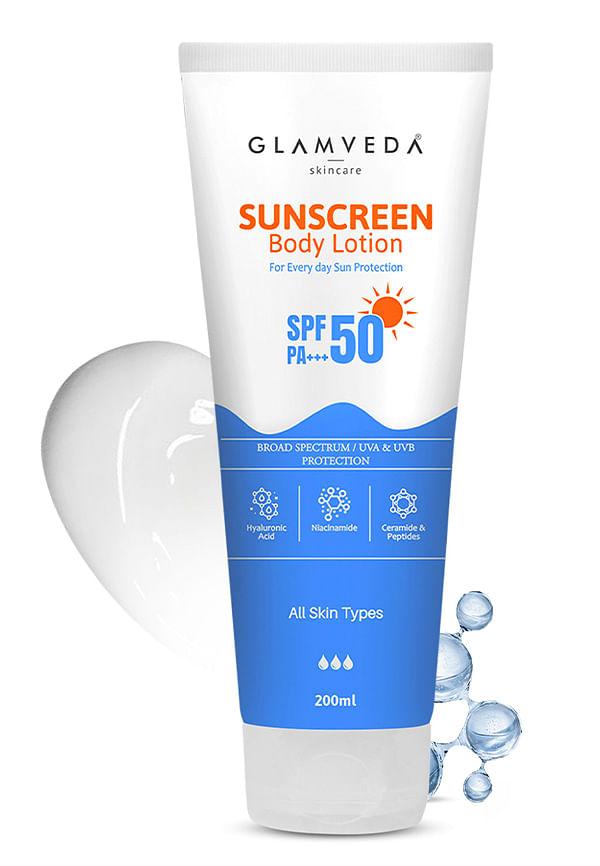
Sunscreen SPF 50 PA+++ Body Lotion with Hyaluronic Acid & Niacinamide, Protects & Nourishes
Timeline expectations are crucial for managing frustration. Most spot treatments show initial improvement within 24-48 hours, but complete healing takes 5-7 days. If you're not seeing any improvement after a week, or if the pimple becomes increasingly painful and swollen, consider seeing a dermatologist.
Men are more prone to acne scarring due to thicker skin and higher likelihood of picking at breakouts. Understanding the different types of scars helps you choose the right treatment approach and set realistic expectations.
Post-inflammatory hyperpigmentation (PIH) appears as dark spots where pimples used to be. These aren't true scars but rather discolouration that fades over time. Vitamin C, niacinamide, and gentle chemical exfoliants can help speed up this process.
True acne scars come in three main types: ice pick (deep, narrow), boxcar (broad depressions), and rolling (wave-like). These require more intensive treatment, often involving professional procedures like chemical peels, microneedling, or laser therapy.
Prevention is always better than treatment. This means never picking at your skin, using sunscreen religiously (UV exposure darkens scars), and treating acne promptly before it becomes severe. The sooner you address active breakouts, the less likely they are to leave permanent marks.
For at-home scar treatment, retinoids are your best bet. They increase cell turnover and can gradually improve the appearance of mild scarring over 6-12 months. Vitamin C serums help with discolouration, whilst gentle chemical exfoliants like lactic acid can improve skin texture.
Whilst clinical treatments form the backbone of effective acne management, certain natural approaches can complement your routine and address underlying factors that contribute to breakouts. Always consult a healthcare provider before starting any supplements, especially if you have underlying health conditions.
Tea tree oil has genuine antimicrobial properties and can be as effective as benzoyl peroxide for mild acne, though it works more slowly. Use a 5-10% concentration and always dilute it—pure tea tree oil can cause severe irritation.
Zinc supplementation shows promise for hormonal acne, particularly in men with zinc deficiency. Studies suggest 30-40mg daily can reduce inflammatory lesions, but consult a healthcare provider before starting supplements.
Your diet plays a bigger role than you might think. High-glycemic foods (white bread, sugary drinks, processed snacks) can trigger insulin spikes that increase oil production. Dairy, particularly skim milk, has also been linked to acne in some studies. Consider reducing these foods for 4-6 weeks to see if your skin improves.
Exercise is brilliant for overall health but can trigger breakouts if you're not careful. Shower immediately after workouts, change out of sweaty clothes quickly, and consider using a gentle body wash with salicylic acid if you're prone to body acne.
Sleep and stress management are often overlooked but crucial factors. Poor sleep increases cortisol levels, which can worsen acne. Aim for 7-9 hours nightly and develop stress management techniques that work for you—whether that's exercise, meditation, or simply ensuring you have downtime.
If you shave regularly, technique matters enormously. Use a sharp, clean razor, shave in the direction of hair growth, and avoid going over the same area multiple times. Consider switching to an electric razor if traditional shaving consistently irritates your skin.
The most effective skincare routine for acne-prone men follows four simple steps: cleanse with a salicylic acid or benzoyl peroxide face wash twice daily, apply a niacinamide treatment, moisturise with a lightweight, non-comedogenic formula, and use broad-spectrum SPF 30+ every morning. Consistency matters more than using expensive products—stick to this routine for 6-8 weeks before expecting significant results.
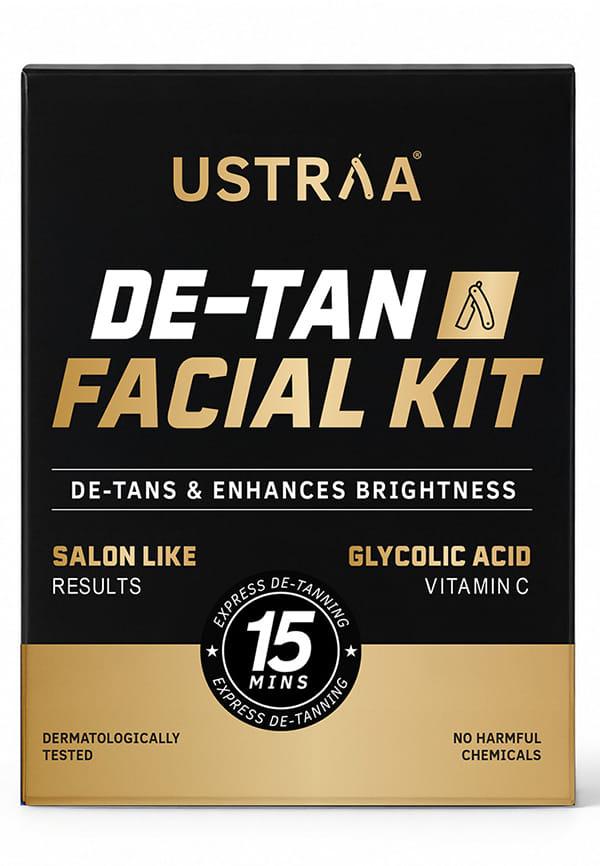
De-Tan Facial Kit for Men with Glycolic Acid & Vitamin C
Most men notice initial improvements within 2-4 weeks, with significant changes becoming apparent after 6-8 weeks of consistent use. Active breakouts may initially worsen during the first 2-3 weeks as your skin adjusts to new products—this is normal and called "purging." Full results, including fading of acne marks, can take 3-6 months.
Absolutely. Acne-fighting ingredients work the same regardless of gender. However, men's skin is typically thicker and oilier, so you might tolerate higher concentrations of active ingredients better than women. The main difference is in texture preferences—men often prefer gel-based products over creams. Trialing different formulations can help find what works best for your skin.
There's no single "best" product, as effective acne treatment requires a combination approach. However, a salicylic acid cleanser is often the most impactful single product for men's acne-prone skin. Look for 2% salicylic acid in a gel formula that can penetrate oily skin effectively whilst providing daily pore-clearing action.
Never skip moisturiser, even with oily, acne-prone skin. When you strip your skin of moisture, it compensates by producing more oil, which can worsen breakouts. Choose oil-free, non-comedogenic formulas with ingredients like hyaluronic acid or niacinamide that hydrate without clogging pores.
See a dermatologist if you have painful, cystic acne, scarring, or if over-the-counter treatments haven't improved your skin after 8-12 weeks of consistent use. Professional treatments like prescription retinoids, antibiotics, or procedures can be game-changers for severe or persistent acne.
The 4-2-4 rule is a cleansing method that involves washing your face for 4 minutes with an oil-based cleanser, followed by 2 minutes with a foam-based cleanser, and finally rinsing for 4 minutes. While it aims for deep cleansing, a simpler 4-step routine (cleanse, treat, moisturise, protect) is generally more effective and less time-consuming for men with acne-prone skin.
Building an effective skincare routine for men with acne doesn't require complexity—it requires the right approach tailored to your skin's unique needs. Men's skin produces more oil and responds differently to treatments, making targeted ingredient selection crucial for success. This guide provides effective skincare for men with acne.
The four-step routine of cleansing, treating, moisturising, and protecting forms the foundation of clear skin. Salicylic acid and benzoyl peroxide remain the most effective ingredients for preventing and treating breakouts, whilst niacinamide helps control oil production and inflammation. Incorporating these into your skincare routine for acne-prone men is key.
Consistency trumps perfection every time. It's better to stick to a simple routine religiously than to constantly switch products or skip steps. Give any new routine 6-8 weeks before making changes, and remember that initial purging is normal. This approach is vital for the best acne products for men.
Natural remedies and lifestyle modifications can support your skincare routine but shouldn't replace proven active ingredients. Focus on stress management, adequate sleep, and post-workout hygiene to address acne from multiple angles. How do I build an effective skincare routine for acne? Follow the steps outlined above for optimal results.
Your journey to clearer skin doesn't have to involve expensive trial and error or bathroom cabinets full of products that didn't work. Smytten is India's largest product discovery and trial platform, connecting consumers with top lifestyle, beauty, wellness, and grooming brands. At its core, Smytten offers curated trial packs - mini-sized products from over 2,400 trusted brands. This lets users explore and experience products before committing to full-size purchases. Each mini is linked with Trial Points, and users can get up to 10 Trial Points for just ₹279. Plus, Smytten offers 100% cashback on the purchase of these minis, redeemable in the shop section for future orders, making product discovery both affordable and rewarding. With over 28 million users and 100 million trial minis delivered across 90% pin code coverage, Smytten helps consumers make smarter, more confident choices. After all, why settle for 'maybe' when you can #TryItAll!
