How to Build a Skincare Routine for Acne Prone Skin
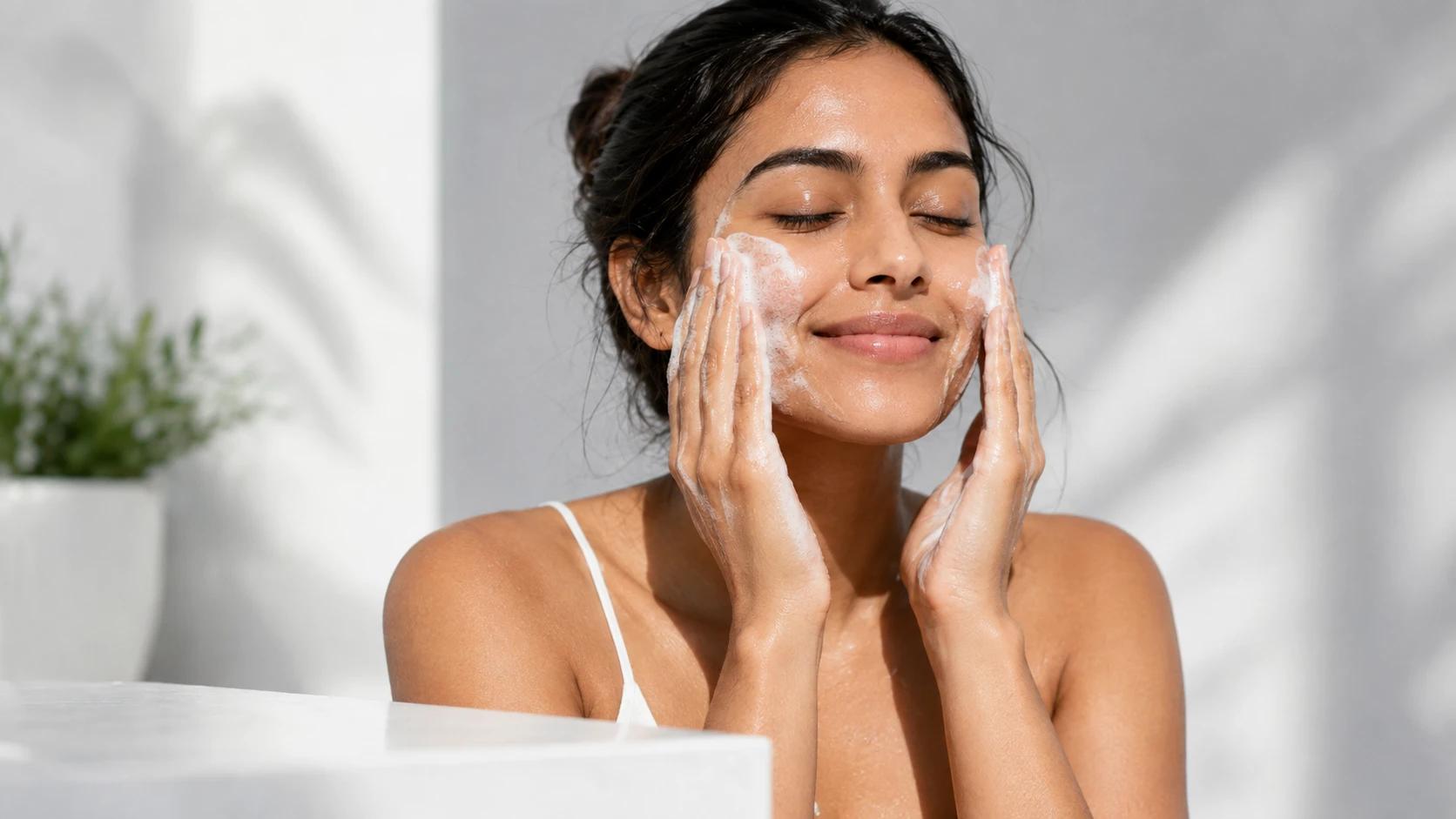

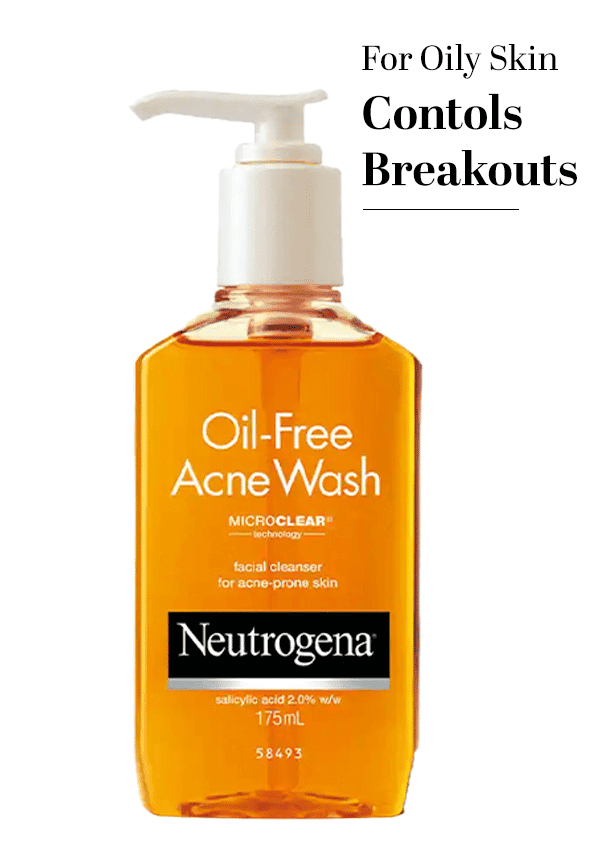
Oil Free Acne Wash For Acne Prone Skin With Salicylic Acid
Reputable Brand for Skin
 5
5“Known brand and known work with skin”
Reputable Brand for Skin
5“Known brand and known work with skin”
Good for Acne Skin
5“best in use for acne skin it helps clean the skin”
If you've been battling breakouts and wondering how to build a skincare routine for acne prone skin that actually works, you're not alone. Managing acne-prone skin feels like walking a tightrope—too gentle and your breakouts persist, too harsh and you're left with irritation and more inflammation. The key lies in understanding that acne-prone skin needs a careful balance of effective actives and gentle care. Whether you're dealing with hormonal breakouts, stubborn blackheads, or post-inflammatory hyperpigmentation, building the right routine can transform your skin's health over time. At Smytten, we've seen countless users discover their perfect acne-fighting products through trial packs, allowing them to test what works before committing to full-size purchases. This comprehensive guide will walk you through creating a dermatologist-backed routine that addresses your specific concerns while keeping your skin barrier healthy and resilient.
Start with gentle cleansing using salicylic acid or benzoyl peroxide, followed by lightweight moisturiser and broad-spectrum SPF in the morning
Evening routines should include double cleansing, targeted treatments with retinoids or AHAs, and barrier-repairing moisturiser
Key ingredients for acne-prone skin include niacinamide for oil control, salicylic acid for pore clearing, and ceramides for barrier repair
Consistency matters more than using multiple products—stick to your routine for 6-12 weeks to see real results
Avoid over-cleansing and never skip moisturiser, even if your skin feels oily
Before diving into product recommendations, it's crucial to understand what makes skin acne-prone in the first place. Acne develops when your pores become clogged with excess oil, dead skin cells, and bacteria, creating the perfect storm for breakouts. This process is influenced by several factors including genetics, hormones, and environmental triggers.
Acne-prone skin typically produces more sebum than normal skin types, thanks to overactive sebaceous glands. This excess oil combines with dead skin cells to form comedones—those pesky blackheads and whiteheads that seem to appear overnight. The presence of Propionibacterium acnes bacteria feeds on this mixture, leading to inflammation and those angry red bumps we all dread.
Hormonal fluctuations, particularly during puberty, menstruation, or times of stress, can trigger increased oil production. Even factors like touching your face frequently, using comedogenic products, or living in humid climates can exacerbate acne-prone skin conditions.
Not all acne is created equal, and understanding your specific type helps tailor your skincare approach. Comedonal acne presents as blackheads and whiteheads without much inflammation, whilst inflammatory acne includes papules, pustules, and cysts that are red, swollen, and often painful.
Many people with acne-prone skin also deal with sensitivity, making it challenging to use traditional acne treatments. If your skin stings easily or becomes red and irritated with new products, you'll need gentler alternatives that still effectively manage breakouts without compromising your skin barrier.
Building an effective acne skincare routine doesn't require a dozen products—it requires the right products used consistently. The foundation of any good routine includes cleansing, treating, moisturising, and protecting. Let's break down each step for both morning and evening routines.
Step 1: Gentle Cleansing
Start your day with a gentle cleanser containing salicylic acid or benzoyl peroxide. Salicylic acid works brilliantly for oily acne skin as it penetrates pores to dissolve oil and dead skin cells. Look for concentrations between 0.5% to 2%—higher isn't always better and can lead to irritation.
Step 2: Treatment Serum
Apply a lightweight treatment serum with niacinamide, which helps regulate oil production and reduces inflammation. Niacinamide is particularly effective for managing breakouts whilst being gentle enough for daily use.
Step 3: Moisturiser
Yes, even oily, acne-prone skin needs moisture. Choose a non-comedogenic, lightweight moisturiser with ingredients like hyaluronic acid or ceramides. This step is crucial for maintaining your skin barrier and preventing your skin from overproducing oil to compensate for dryness.
Step 4: SPF Protection
Never skip sunscreen, especially when using acne treatments that can increase photosensitivity. Look for broad-spectrum SPF 30 or higher in a non-comedogenic formula. Zinc oxide and titanium dioxide are excellent choices for acne-prone skin.
Your evening routine is where the real acne-fighting magic happens. This is when you can use stronger actives and focus on repair and renewal whilst your skin regenerates overnight.
Start with double cleansing if you wear makeup or sunscreen—use an oil cleanser followed by your regular cleanser. This ensures complete removal of the day's buildup without over-stripping your skin. Follow with targeted treatments like retinoids or AHAs, which promote cell turnover and prevent clogged pores.
For active breakouts, apply spot treatments containing benzoyl peroxide or salicylic acid directly to affected areas. Finish with a barrier-repairing moisturiser that contains ceramides or peptides to support overnight skin recovery.
Incorporate chemical exfoliation 2-3 times weekly using AHAs like glycolic acid or BHAs like salicylic acid. These help prevent dead skin cell buildup and keep pores clear. Clay masks once or twice weekly can help absorb excess oil and deep-clean pores, particularly beneficial for those with oily acne skin.
Choosing the right products for your acne skincare routine can feel overwhelming with countless options available. Here's a breakdown of the most effective categories and what to look for in each.
The right cleanser forms the foundation of any effective acne treatment skincare routine. Salicylic acid cleansers work exceptionally well for daily use, gently exfoliating inside pores whilst removing surface oil and debris. Look for formulations that maintain your skin's pH balance around 5.5.
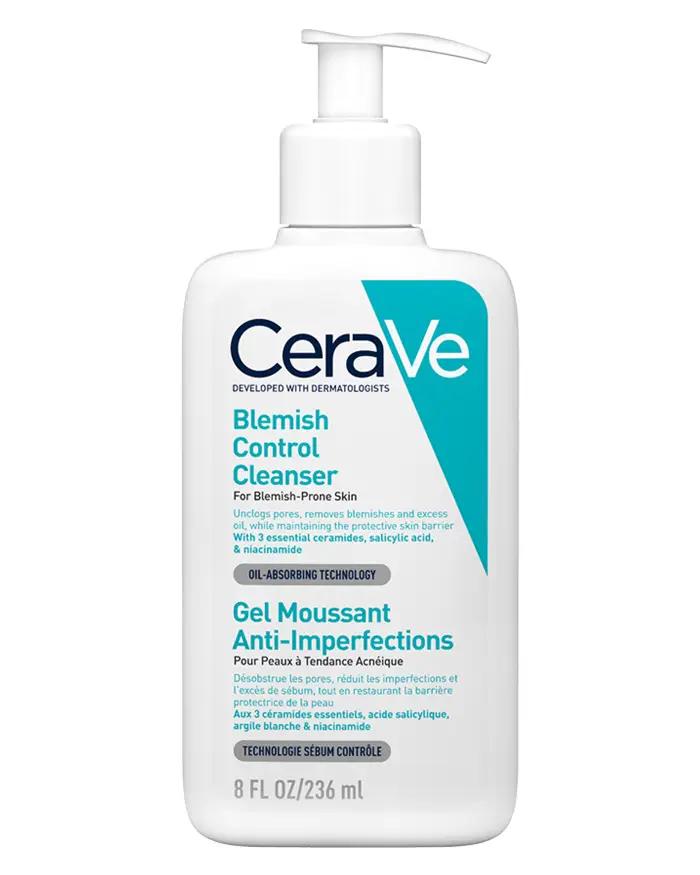
For those dealing with persistent breakouts, benzoyl peroxide cleansers offer antimicrobial benefits, killing acne-causing bacteria. However, start with lower concentrations (2.5%) to avoid irritation. The CeRave Blemish Control Cleanser combines salicylic acid with ceramides and niacinamide, offering effective pore-clearing action whilst supporting the skin barrier—a perfect example of how modern formulations address multiple concerns simultaneously.
If you have sensitive, acne-prone skin, opt for gentle, pH-balanced cleansers with ingredients like ceramides or hyaluronic acid that cleanse without stripping your skin's natural protective barrier.
Niacinamide deserves a starring role in any acne-prone skincare routine. At concentrations of 5-10%, it effectively reduces oil production, minimises pore appearance, and calms inflammation. It's particularly brilliant because it plays well with other actives and rarely causes irritation.
Retinoids remain the gold standard for acne treatment, promoting cell turnover and preventing clogged pores. Start with over-the-counter retinol or adapalene, gradually building tolerance before considering stronger prescription options.
Hyaluronic acid might seem counterintuitive for oily skin, but it provides essential hydration without adding oil or clogging pores. This helps maintain skin balance and prevents the overproduction of sebum that often occurs when skin becomes dehydrated.
The key to finding the perfect moisturiser for acne-prone skin lies in lightweight, gel-based formulas that absorb quickly without leaving a greasy residue. Look for non-comedogenic labels and ingredients like ceramides, which help repair and maintain your skin barrier.
Peptides offer additional benefits by supporting skin repair and reducing inflammation. Avoid heavy creams with comedogenic ingredients like coconut oil or cocoa butter, which can exacerbate breakouts in susceptible individuals.
Even with the best routine, occasional breakouts happen. Having effective spot treatment strategies can help minimise their impact and prevent them from worsening or leaving marks.
Benzoyl peroxide remains one of the most effective spot treatments, working quickly to kill bacteria and reduce inflammation. Apply a thin layer directly to active breakouts, but be cautious as it can bleach fabrics and cause dryness with overuse.
Salicylic acid spot treatments work excellently for blackheads and whiteheads, penetrating pores to dissolve the plug of oil and dead skin cells. For a gentler approach, tea tree oil offers natural antimicrobial properties, though it should always be diluted to prevent irritation.
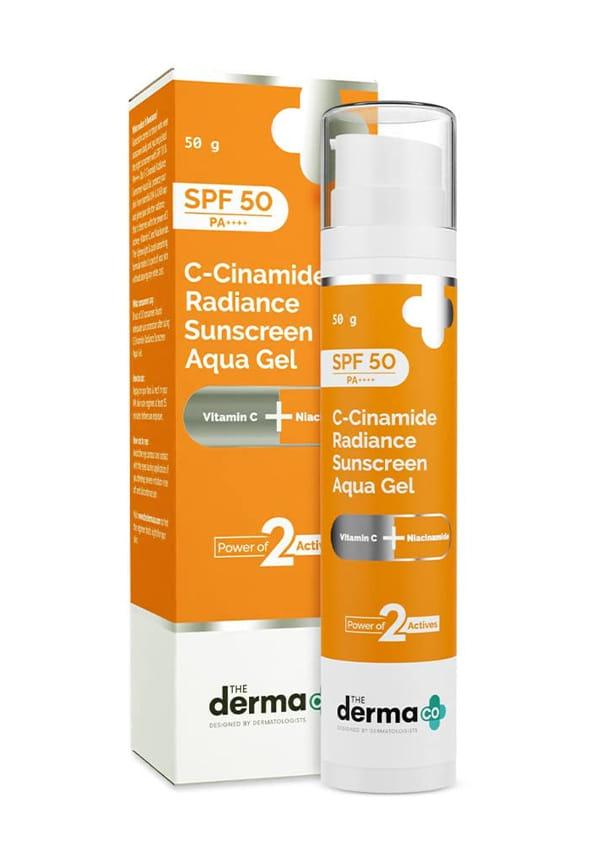
C-Cinamide Sunscreen Aqua Gel SPF 50 PA++++ | Vitamin C & Niacinamide
Good Protection, No White Cast
5“this sunscreen really protect and leave no white cast really goodbthumbs up from my side”
Good Protection, No White Cast
5“this sunscreen really protect and leave no white cast really goodbthumbs up from my side”
Good Protection, No White Cast
5“this sunscreen really protect and leave no white cast really goodbthumbs up from my side”
Hydrocolloid patches have gained popularity for good reason—they create a protective barrier whilst drawing out pus and fluid from active breakouts. They're particularly effective for surface-level pimples and help prevent picking.
The temptation to over-treat acne often leads to more problems than solutions. Avoid the common mistake of layering multiple harsh treatments, which can compromise your skin barrier and lead to increased sensitivity and inflammation.
Never pick or pop pimples, as this can push bacteria deeper into the skin, cause scarring, and spread infection to surrounding areas. If you must extract a whitehead, use proper technique with clean tools and follow up with antiseptic treatment.
Not everyone needs the same approach to managing acne-prone skin. Your routine should reflect your specific skin type, concerns, budget, and lifestyle factors.
Building an effective acne routine doesn't require breaking the bank. Many drugstore brands offer excellent formulations with proven ingredients at budget-friendly prices. Look for generic versions of active ingredients—2% salicylic acid works the same whether it's in a ₹200 or ₹2000 product.
A complete routine can be built for under ₹2000, including a salicylic acid cleanser, niacinamide serum, lightweight moisturiser, and broad-spectrum sunscreen. Focus on consistency rather than expensive products—a simple routine used religiously will outperform an elaborate one used sporadically.
Teenage acne often responds well to over-the-counter treatments containing salicylic acid and benzoyl peroxide. The key is starting gently and building tolerance gradually, as young skin can be more reactive to harsh treatments.
Adult acne requires a more nuanced approach, often incorporating anti-ageing ingredients like retinoids whilst managing hormonal fluctuations. Adult acne-prone skin may also be more sensitive, requiring gentler formulations that still effectively address breakouts.
For those with sensitive acne-prone skin, patch testing new products and introducing one new active ingredient at a time helps identify potential irritants whilst building an effective routine.
When over-the-counter options aren't sufficient, consider professional-grade products with higher concentrations of active ingredients. Prescription retinoids, antibiotics, or hormonal treatments may be necessary for persistent or severe acne.
Professional treatments like chemical peels, extractions, or light therapy can complement your home routine, but should always be performed by qualified professionals to avoid complications.
Understanding what not to do is just as important as knowing the right steps. Many well-intentioned skincare practices can actually exacerbate acne and delay healing.
The biggest mistake people make when learning how to get rid of acne is assuming that more aggressive treatment equals faster results. Over-cleansing strips your skin's natural protective barrier, leading to increased oil production, irritation, and paradoxically, more breakouts.
Limit cleansing to twice daily maximum, and avoid harsh scrubbing or abrasive tools. Your skin should feel clean but not tight or stripped after cleansing. If you experience persistent dryness, redness, or increased breakouts, you may be overdoing it.
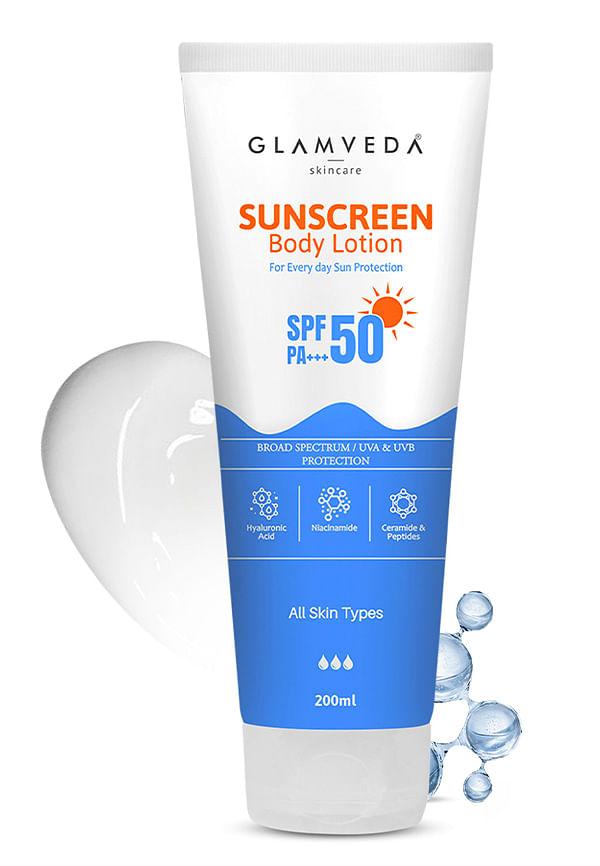
Sunscreen SPF 50 PA+++ Body Lotion with Hyaluronic Acid & Niacinamide, Protects & Nourishes
Many people with oily, acne-prone skin skip moisturiser, thinking it will make their skin greasier. This actually triggers your skin to produce more oil to compensate for the lack of hydration, creating a vicious cycle of increased oiliness and breakouts.
Similarly, skipping sunscreen because you're worried about clogged pores is counterproductive. Sun damage worsens acne scarring and hyperpigmentation, making your skin concerns more pronounced. Modern sunscreens offer lightweight, non-comedogenic options specifically designed for acne-prone skin.
Skincare results take time—typically 6-12 weeks for significant improvement. Constantly switching products or routines prevents you from seeing what actually works for your skin. Consistency is more valuable than perfection when building an effective acne skincare routine.
Track your progress with photos and notes about what you're using. This helps identify patterns and prevents you from abandoning effective treatments too early.
A good acne skincare routine includes gentle cleansing twice daily with salicylic acid or benzoyl peroxide, targeted treatment with niacinamide or retinoids, lightweight non-comedogenic moisturising, and daily broad-spectrum SPF protection. The key is consistency rather than using numerous products.
Most people notice initial improvements within 6-8 weeks of consistent use, with significant results appearing after 12-16 weeks. Patience and consistency are crucial—your skin needs time to adjust to new products and complete its natural renewal cycle.
It's best to introduce one new active ingredient at a time to avoid irritation and identify what works for your skin. Once your skin tolerates individual treatments well, you can carefully combine them, but always start slowly and monitor for signs of over-treatment.
No, even oily acne-prone skin needs moisturiser. Skipping this step can actually increase oil production as your skin tries to compensate for dehydration. Choose lightweight, non-comedogenic formulas with ingredients like hyaluronic acid or ceramides.
Salicylic acid is a BHA that penetrates pores to dissolve oil and dead skin cells, making it excellent for blackheads and prevention. Benzoyl peroxide kills acne-causing bacteria and is more effective for inflammatory acne. Many people benefit from using both, but not simultaneously to avoid irritation. You can easily trial both through Smytten's mini packs to see which works better for your skin type.
Building an effective skincare routine for acne prone skin requires patience, consistency, and understanding your skin's specific needs. Start with the basics—gentle cleansing, targeted treatment, moisturising, and sun protection—before adding additional products. Remember that less is often more when it comes to acne treatment, and over-treating can worsen your concerns.
Focus on proven ingredients like salicylic acid, niacinamide, and retinoids, but introduce them gradually to build tolerance. Don't skip moisturiser or sunscreen, even if your skin feels oily, as these steps are crucial for maintaining skin health and preventing long-term damage.
Most importantly, give your routine time to work. Skincare isn't a quick fix, but with consistent use of the right products, you can achieve clearer, healthier skin over time.
Creating the perfect acne skincare routine is a journey of discovery, and Smytten makes this process both affordable and risk-free. As India's largest product discovery platform, Smytten connects you with over 2,400 trusted brands including Cetaphil, Dot & Key, WishCare, and Bella Vita through curated trial packs. Instead of committing to full-size products that might not work for your skin, you can explore authentic brand-verified minis for just ₹279 and get up to 10 trial points. With 100% cashback on trials redeemable for future purchases, you can try before you buy without the financial risk. Whether you're testing a new salicylic acid cleanser or experimenting with niacinamide serums, Smytten's extensive collection ensures you'll find products that truly work for your acne-prone skin. With PAN-India delivery and over 28 million satisfied users, building your ideal routine has never been more accessible. After all, why settle for 'maybe' when you can #TryItAll!
