How to Build a Daily Sunscreen Routine in High-UV Cities


Living in a high-UV city means your skin faces daily challenges that go beyond the occasional beach day. Whether you're navigating the intense sun in Mumbai, Delhi's pollution-amplified rays, or Bangalore's deceptive cloud cover, building a solid daily sunscreen routine in high-UV cities isn't just skincare—it's essential protection. The thing is, most of us think we've got it sorted with a quick morning slap of SPF, but real talk? That's barely scratching the surface. Your skin deserves a proper game plan that actually works with your lifestyle, not against it.
High-UV cities aren't just about blazing sunshine—they're complex environments where multiple factors team up to challenge your skin. Understanding what you're up against helps you build a sun protection routine that actually makes sense for your daily life.
Cities with UV Index ratings of 6 and above fall into the high-UV category. Think places like Chennai, Hyderabad, or Pune during peak months. But here's what's interesting—altitude, proximity to the equator, and even urban infrastructure play massive roles.
High-altitude cities get extra UV intensity because there's less atmosphere to filter radiation. Meanwhile, coastal cities deal with water reflection that can increase UV exposure by up to 15%. Even concrete and glass buildings create what experts call "UV canyons" where radiation bounces around, hitting your skin from multiple angles.
UVA rays (the aging ones) penetrate deeper and stay consistent throughout the day, whilst UVB rays (the burning ones) peak between 10 AM and 4 PM. In polluted cities, this gets trickier because whilst pollution can scatter some UV rays, it also creates free radicals that amplify skin damage.
The cumulative effect is what really matters for your UV protection skincare routine. Daily exposure adds up, leading to premature aging, dark spots, and increased skin cancer risk. Your skin basically keeps a running tally of every unprotected moment.
If you're noticing new dark spots, increased sensitivity, or that "tired" look even when you're well-rested, your current protection might not be cutting it. Subtle signs like makeup not sitting as well or skincare products stinging slightly can indicate compromised skin barrier function from inadequate sun protection.
Building a routine that works means thinking beyond just slapping on sunscreen everyday. It's about creating a system that fits seamlessly into your life whilst giving your skin the protection it actually needs.
Morning preparation starts with clean skin—residue from overnight products can interfere with sunscreen adhesion. Product application involves proper layering and timing. Midday maintenance keeps protection consistent when you need it most. Evening care helps repair any damage and prep for the next day.
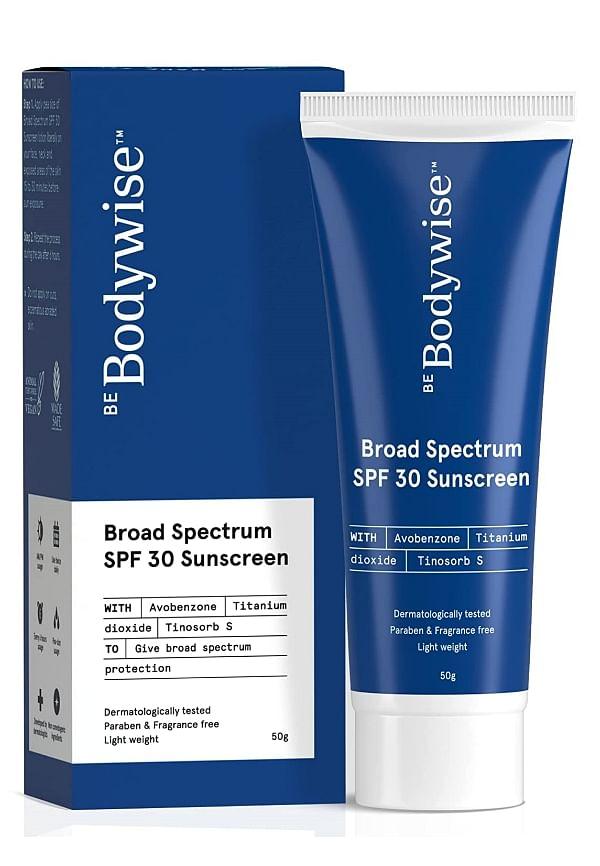
Broad Spectrum Spf 30 Sunscreen
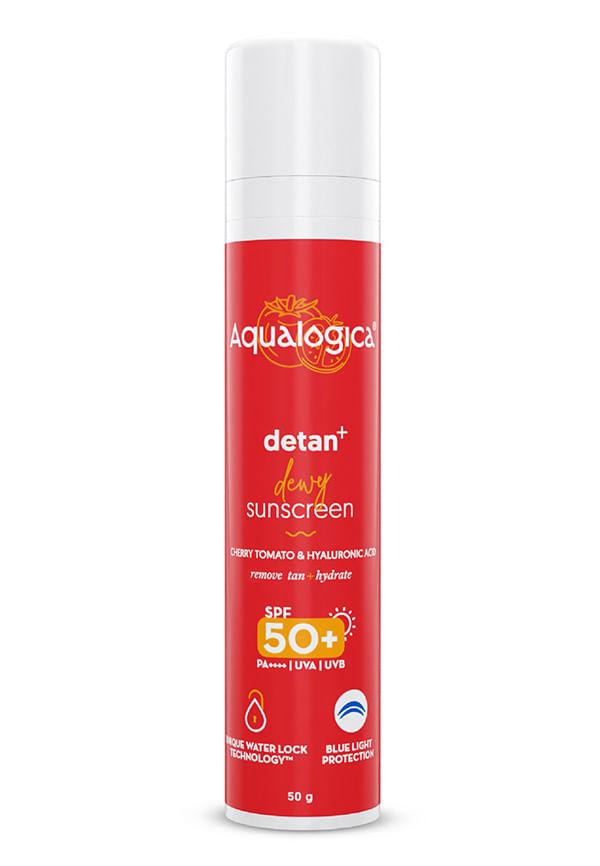
Detan+ Dewy Sunscreen
Watery but Great Absorption
 5
5“very watery absorption is greattttt i loved itt tysmmm”
Watery but Great Absorption
5“very watery absorption is greattttt i loved itt tysmmm”
Excellent Product Experience
5“omggggg it's so good the packing is good the quality and everything is good”
Each step builds on the previous one, creating comprehensive protection that adapts to your day's demands.
The golden rule? Sunscreen goes on last in your morning routine, after moisturiser but before makeup. Wait about 2-3 minutes between each layer to let products absorb properly—rushing this step is where most routines fall apart.
If you're using serums, apply them first, then moisturiser, then sunscreen. This layering ensures each product can do its job without interference whilst building up your skin's defence system.
Not all sunscreens are created equal, especially when you're dealing with high-UV conditions daily. The best sunscreen for face needs to work with your skin type, lifestyle, and the specific challenges of your city's environment.
SPF 30 blocks about 97% of UVB rays, whilst SPF 50 blocks 98%. That 1% difference becomes significant with daily exposure in high-UV cities. For high UV index sunscreen needs, SPF 50+ is your sweet spot—it gives you that extra buffer for real-world application (because let's be honest, most of us don't apply the perfect amount).
Broad spectrum sunscreen is non-negotiable. This means protection against both UVA and UVB rays. Look for ingredients like zinc oxide, titanium dioxide, or modern chemical filters like avobenzone combined with stabilisers.
Your face needs different treatment than your body. Lightweight, non-comedogenic formulas prevent breakouts whilst maintaining protection. Gel-based sunscreens work brilliantly for oily skin, whilst cream formulas suit dry skin types better.
Tinted sunscreens can be game-changers for daily wear—they provide even coverage, reduce white cast, and often contain iron oxides that offer additional protection against visible light and pollution.
If you need sunscreen for sensitive skin, mineral formulations with zinc oxide or titanium dioxide are typically gentler. These create a physical barrier rather than absorbing into skin, reducing irritation risk.
Look for fragrance-free, hypoallergenic options. Brands often offer mini sizes perfect for patch testing before committing to full-size products—something platforms like Smytten make incredibly accessible with trial packs from trusted skincare brands.
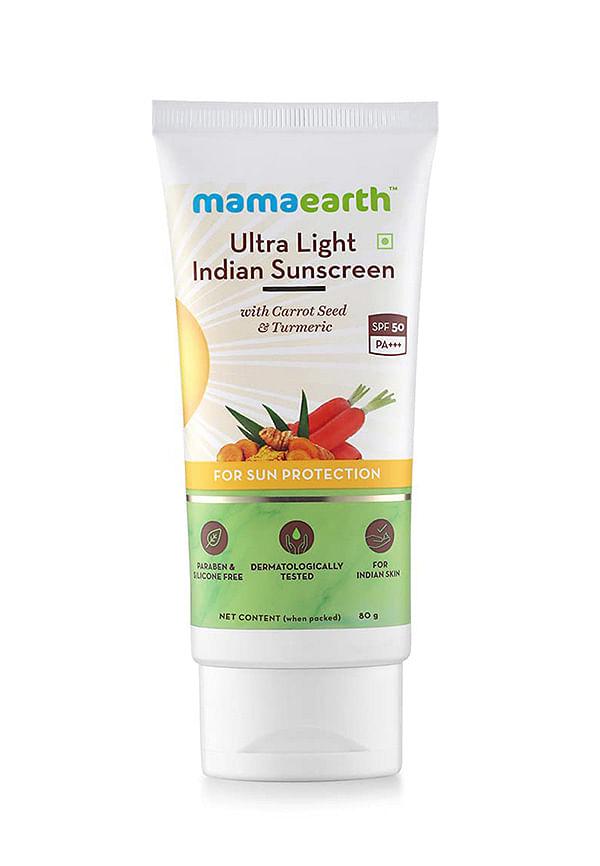
Ultra Light indian Sunscreen
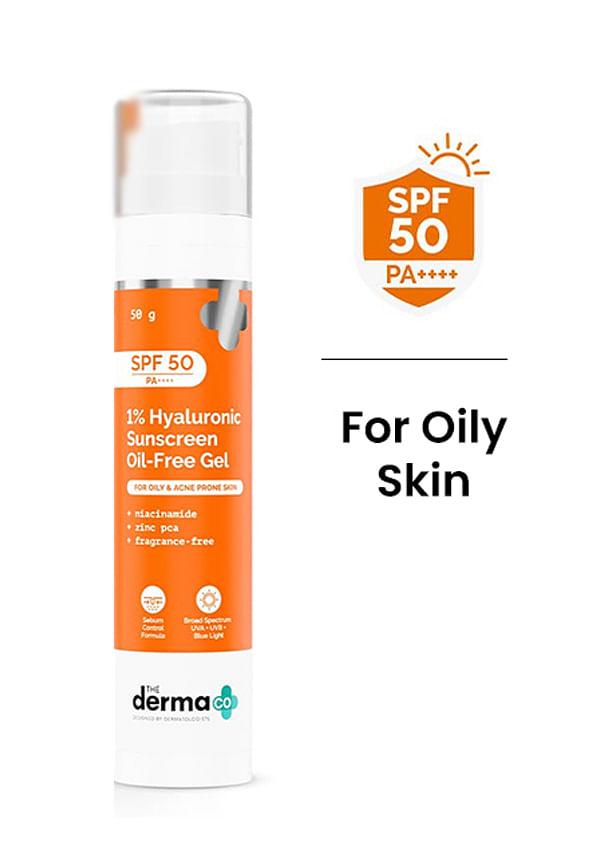
1% Hyaluronic Sunscreen Oil-Free Gel
Soft, Comfortable, No White Cast
4“soft and comfortable. no white cast”
Great everyday sunscreen
5“I really like this sunscreen. It feels light on the skin, blends easily, and doesn’t leave a heavy or sticky feeling. It gives a nice finish and works well for everyday use. Overall, I’m happy with it!”
Loved the product
5“I like it soo muchhhhhhhhhhhhhhh”
Getting your morning application right sets the tone for your entire day's protection. This is where proper sunscreen application tips make the difference between adequate and excellent protection.
For your face and neck, you need about ¼ teaspoon of product. That's more than most people think—roughly the size of a large grape. Divide this between your face and neck, paying special attention to often-missed spots like around your nose, ears, and hairline.
Apply in upward strokes, blending gently without rubbing too vigorously. The goal is even coverage, not deep massage.
Wait 2-3 minutes after moisturiser before applying sunscreen. If you're using makeup, give sunscreen another 5 minutes to set properly. This prevents pilling and ensures each product can form its protective layer effectively.
Primer can go over sunscreen if needed, but choose one that's compatible—silicone-based primers work well over most sunscreens.
Reapplication is where most sun protection routines break down. The 2-hour rule exists for good reason, but making it practical for real life requires some strategy.
Powder sunscreens, setting sprays with SPF, or cushion compacts can refresh protection over makeup. For areas like your neck and hands, keep a small tube of regular sunscreen handy.
If you're mostly indoors, focus reapplication on exposed areas and times when you'll be near windows or stepping outside.
Office windows don't block UVA rays effectively. If you sit near a window, consider reapplying sunscreen mid-morning and mid-afternoon, or invest in window film for your workspace.
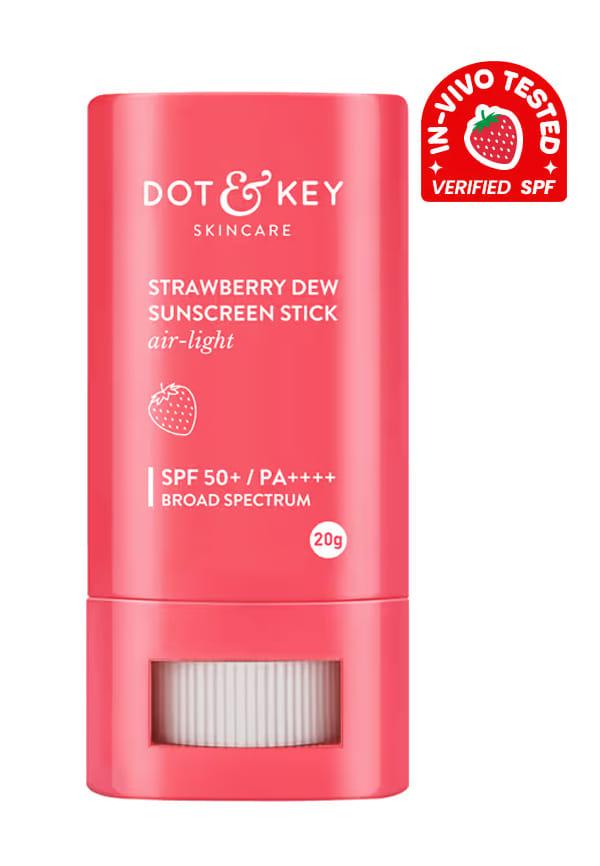
Strawberry Dew Sunscreen Stick Spf 50
Portable with Shiny, Non-Oily Finish
4“easy to carry gives an after shiny but not oily at all”
Nice Texture, Good for Reapplication
5“Very nice texture, really good for reapplying.”
Nice Texture, Good for Reapplication
5“Very nice texture, really good for reapplying.”
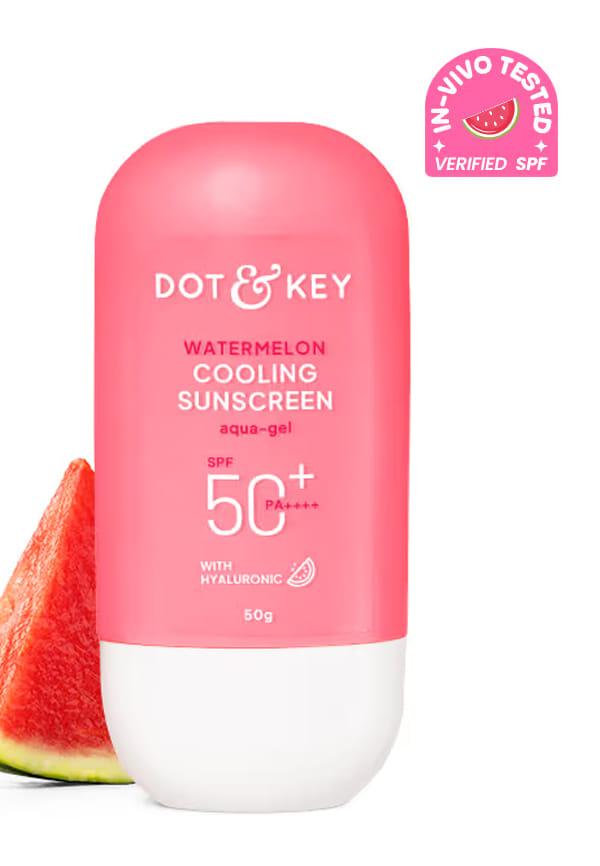
Watermelon Cooling Sunscreen, IN-VIVO Tested SPF 50+ PA++++
Reasonable Price & Fast Delivery
5“Thankyou smytten i got it in reasonable price and fast delivery ”
Great lightweight sunscreen
5“I really liked the Dot & Key Watermelon Sunscreen. It feels lightweight on the skin and blends easily without leaving a heavy or greasy feeling. The watermelon fragrance is also really refreshing. It gives a comfortable finish and works well for everyday use. Overall, a good sunscreen for daily wear! 🍉✨”
New Formula Improved
4“the new formula is great ngl but better than the last one”
Sunscreen is your foundation, but sun damage prevention works best with a multi-layered approach that considers your entire lifestyle and environment.
Wide-brimmed hats, UV-protective clothing, and seeking shade during peak hours (10 AM-4 PM) amplify your sunscreen's effectiveness. Antioxidant serums with vitamin C, niacinamide, or resveratrol provide additional cellular protection against free radical damage.
Sunglasses protect the delicate eye area where sunscreen application can be tricky. Look for 100% UV protection rather than just dark lenses.
Winter sun can be deceptive, especially in high-altitude cities where snow reflection increases UV exposure. Monsoon clouds don't block UV rays as much as you'd think—up to 80% still penetrate cloud cover.
Adjust your routine based on seasonal UV index changes, but maintain consistent daily application regardless of weather.
Even the best-planned routines hit snags. Knowing how to troubleshoot common issues keeps you consistent with your daily sunscreen routine in high-UV cities.
White cast happens when mineral sunscreens aren't blended properly or when you're using too much product. Try warming the product between your palms before application, or look for tinted versions that blend more naturally with your skin tone.
Greasiness usually indicates either too much product or incompatible layering. Wait longer between skincare steps, or switch to a lighter formulation that works better with your skin type.
Set phone reminders for reapplication, keep backup products in your bag and office, and choose formulations you actually enjoy using. The best sunscreen is the one you'll use consistently.
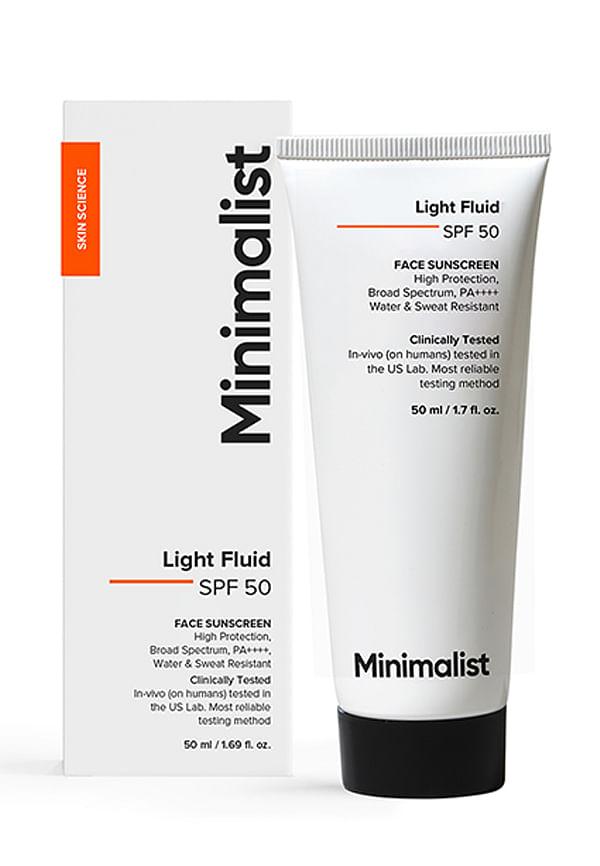
Light Fluid SPF 50 Face Sunscreen
Good Product for Long-Term Use
4“using it since 2 year. good product”
Accurate Product
5“i like the product they work very accurate”
Accurate Product
5“i like the product they work very accurate”
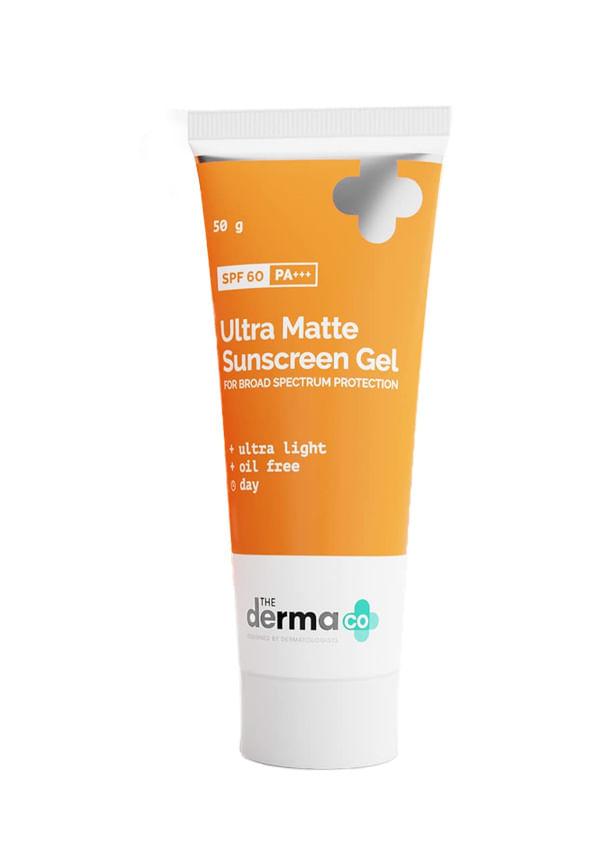
Ultra Matte Sunscreen Gel - SPF 60
Ultra Matte, Non-Greasy Finish
5“gives ultra matte finish, doesn't feel greasy”
Ultra Matte, Non-Greasy Finish
5“gives ultra matte finish, doesn't feel greasy”
Lightweight Non-Oily Sunscreen
5“very light weight good sunscreen non oily stick y feel”
For budget-conscious routines, trial packs let you test different formulations without committing to full sizes. Smytten's approach of offering mini-sized products from trusted brands like Cetaphil and Dot & Key makes it easier to find your perfect match without the financial risk of buying full-size products that might not work for you.
Use approximately ¼ teaspoon of sunscreen for your face and neck. This ensures adequate coverage for optimal protection in high-UV conditions.
Absolutely not. Up to 80% of UV rays penetrate cloud cover. Daily application is essential regardless of weather conditions, especially in high-UV urban environments.
Chemical sunscreens absorb UV rays and convert them to heat, whilst mineral sunscreens create a physical barrier that reflects rays. Both offer effective protection when applied correctly and consistently.
Reapply every 2 hours if you're near windows, or whenever you step outside, even briefly. Indoor UV exposure through windows is often underestimated.
Whilst SPF 30 blocks 97% of UVB rays, SPF 50+ is recommended for daily use in high-UV cities. The extra protection becomes significant with cumulative exposure over time.
Building an effective daily sunscreen routine in high-UV cities isn't about perfection—it's about consistency and smart choices that work with your lifestyle. The key is understanding your environment, choosing appropriate products, and creating systems that make protection automatic rather than optional.
Remember, finding the right products often involves trial and error. With platforms like Smytten offering trial packs from over 1,500 trusted brands, you can explore different formulations without the commitment of full-size purchases. This approach lets you build a routine based on what actually works for your skin, rather than guessing or settling for products that don't quite fit your needs.
Your skin faces unique challenges in high-UV cities, but with the right routine, you're not just protecting against immediate damage—you're investing in healthier, more resilient skin for years to come. After all, why settle for maybe when you can find exactly what works for you?
