How to Build a Ceramides Skincare Routine for Strong Skin


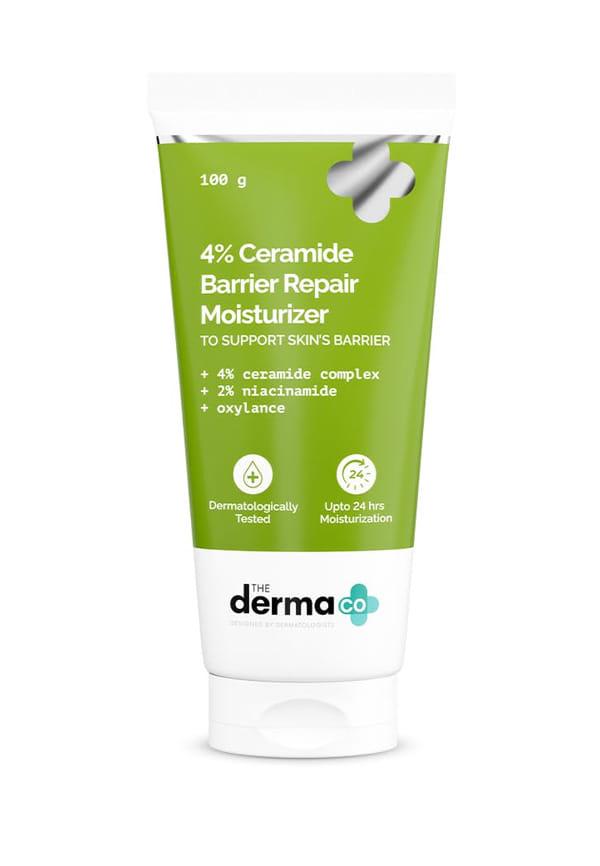
4% Ceramide Barrier Repair Moisturizer
Good texture, helps pore closing
 5
5“good texture and, help to pore closing”
Lightweight & Best Moisture
5“Very light weight best moistrisure”
Good Moisturizer & Blends Well
4“good moisturizer and blends well”
Your skin barrier is basically your body's first line of defence, and when it's compromised, everything feels off—dryness, irritation, that tight feeling that no amount of moisturiser seems to fix. Enter ceramides, the unsung heroes of skincare that might just be the game-changer your routine needs. These lipid molecules naturally make up about 50% of your skin's outer layer, but environmental stressors, harsh products, and even ageing can deplete them faster than your skin can replenish them. Building a ceramides for barrier strengthening routine isn't just about slapping on any ceramide cream—it's about understanding how these powerhouse ingredients work and creating a system that actually supports your skin's natural repair process.
Think of ceramides as the mortar between the bricks of your skin cells. These naturally occurring lipid molecules are essential for maintaining a healthy skin barrier, keeping moisture in and irritants out. When your ceramide levels drop—which happens due to sun damage, over-cleansing, pollution, or simply getting older—your skin barrier becomes compromised.
The science bit? Ceramides skincare works because these molecules are identical to what your skin naturally produces. Unlike some ingredients that sit on the surface, ceramides actually integrate into your skin's structure, helping to rebuild and strengthen the barrier from within. Signs your skin barrier needs ceramide support include persistent dryness, increased sensitivity, rough texture, or that feeling like your moisturiser just isn't cutting it anymore.
Your skin loses ceramides daily through normal wear and tear, but certain factors accelerate this process. UV exposure breaks down existing ceramides, whilst harsh cleansers strip them away faster than your skin can replace them. Air conditioning, heating, and pollution all contribute to ceramide depletion, which explains why your skin might feel more sensitive during seasonal changes or after moving to a new city.
Watch out for these telltale signs: products that used to work suddenly causing irritation, makeup not sitting properly, or that perpetually thirsty feeling no matter how much you moisturise. If your skin feels tight after cleansing or you're dealing with unexpected breakouts, your barrier might be crying out for ceramide reinforcement.
Not all ceramides are created equal, and understanding the different types can help you choose products that deliver real results. The ceramides benefits vary depending on which specific ceramides are included in your skincare products.
Here's what to look for on ingredient lists and why each type matters for strengthening skin barrier function:
This is the most abundant ceramide in healthy skin, making up about 20% of all ceramides in your barrier. Ceramide NP is particularly effective at preventing water loss and maintaining skin elasticity. Products featuring this ceramide are often your best starting point for barrier repair.
Brilliant for improving skin texture and supporting natural cell turnover. If you're dealing with rough, uneven skin alongside barrier issues, ceramide AP can help smooth things out whilst strengthening your skin's defences.
The heavyweight champion of water retention. This ceramide forms particularly strong bonds in your skin barrier, making it excellent for those dealing with severe dryness or compromised barriers from over-exfoliation or medical treatments.
These ceramide precursors offer anti-inflammatory and antimicrobial benefits. They're particularly useful if your compromised barrier has led to increased sensitivity or minor skin infections.
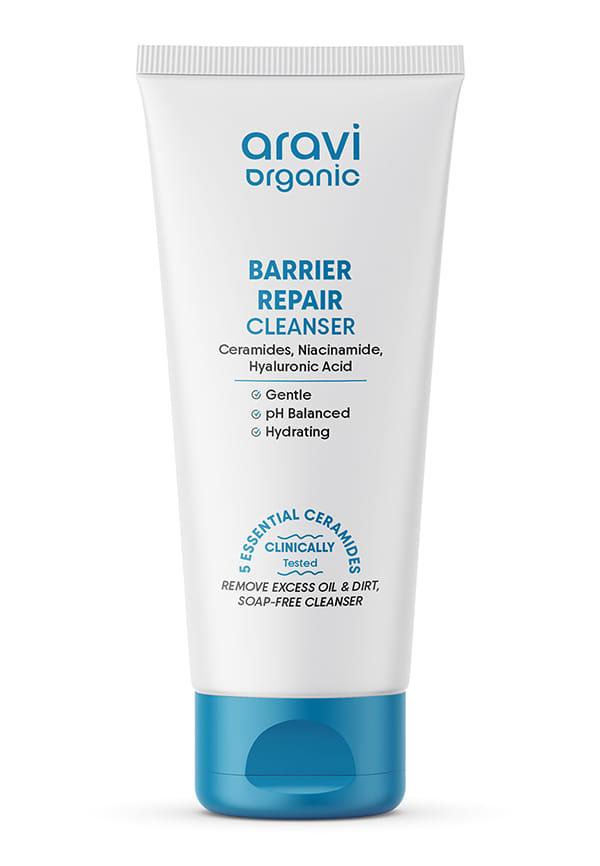
Hydrating Barrier Repair Face Wash - With Ceramide & Niacinamide
Building an effective skin barrier routine with ceramides requires strategic layering and timing. The key is introducing ceramides gradually and pairing them with complementary ingredients that enhance their effectiveness.
Your routine should focus on gentle cleansing, strategic ceramide application, and protective measures that prevent further barrier damage. Here's how to structure both your morning and evening routines for maximum barrier repair:
Step 1: Gentle cleanser (avoid sulphates that strip ceramides)
Step 2: Ceramide serum on damp skin for better absorption
Step 3: Ceramide cream to seal in the serum
Step 4: SPF 30+ to prevent further ceramide degradation
Step 1: Oil cleanser followed by gentle water-based cleanser
Step 2: Treatment products (if using actives, apply before ceramides)
Step 3: Ceramide serum whilst skin is still slightly damp
Step 4: Rich ceramide moisturiser for overnight barrier repair
Apply ceramide products to slightly damp skin—this helps with absorption and creates a more effective barrier seal. Use gentle pressing motions rather than rubbing, and always work from the centre of your face outward. Give each layer 30-60 seconds to absorb before applying the next product.
The magic happens when ceramides team up with other barrier-supporting ingredients. These combinations can significantly enhance skin barrier repair and help you see results faster than using ceramides alone.
Understanding which ingredients work synergistically with ceramides can help you build a more effective routine and avoid combinations that might compromise your barrier repair efforts:
This combination is pure hydration gold. Hyaluronic acid draws moisture to the skin, whilst ceramides lock it in. Apply hyaluronic acid first, then follow with your ceramide products for a moisture sandwich effect that keeps skin plump and protected.
Perfect for sensitive or reactive skin. Niacinamide reduces inflammation and regulates oil production, whilst ceramides rebuild the barrier. This combo is particularly effective for those dealing with barrier damage from acne treatments or environmental stress.
The holy trinity of barrier repair. Your skin barrier needs all three lipid types—ceramides, cholesterol, and fatty acids—in roughly equal proportions. Products that include all three can provide comprehensive barrier restoration.
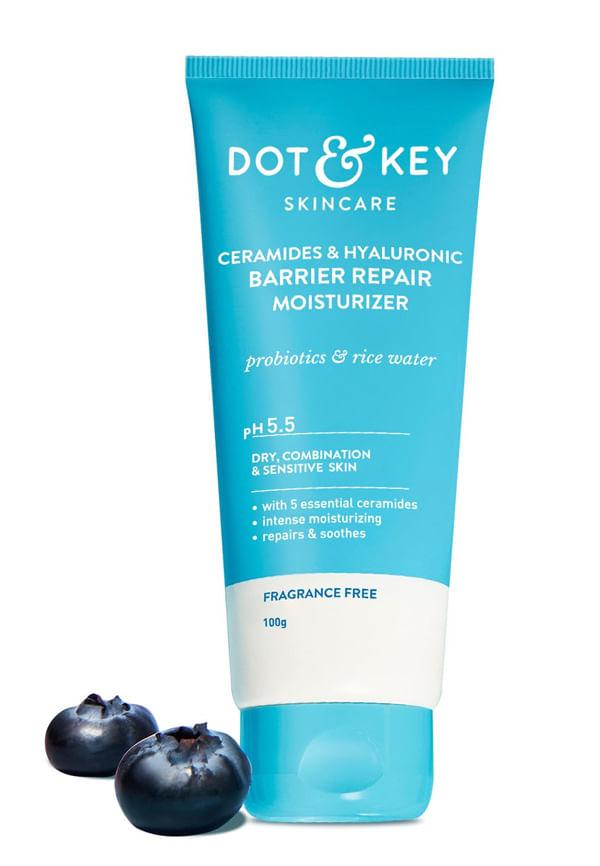
Ceramides & Hyaluronic Barrier Repair Moisturizer
Worth Every Penny
5“every penny worth in this product”
Excellent Moisturizer
5“best moisturizer..not oily and good for every weather”
Excellent Moisturizer
5“best moisturizer..not oily and good for every weather”
Steer clear of harsh alcohols (denatured alcohol), strong fragrances, and over-exfoliation. These can counteract ceramides' barrier-building effects. Also, be cautious with vitamin C and retinoids—whilst they can work with ceramides, timing and pH levels matter.
Your skin's specific needs should guide how you incorporate ceramides into your routine. Whether you're dealing with persistent dryness, sensitivity, or other concerns, customising your approach ensures better results.
Different skin types and concerns require slightly different approaches to ceramide application and product selection:
For chronically dry skin, focus on intensive moisture barrier reconstruction. Use ceramide products twice daily, layer multiple ceramide-containing products, and consider overnight treatments with occlusive ingredients like petrolatum to prevent water loss whilst ceramides work their magic.
Start slowly with sensitive skin routine modifications. Introduce one ceramide product at a time, patch test everything, and choose formulations free from common irritants. Look for ceramides paired with soothing ingredients like allantoin or centella asiatica.
Combine ceramides with peptides and antioxidants for comprehensive anti-ageing benefits. Ceramides help maintain barrier function that naturally declines with age, whilst other actives target specific ageing concerns like fine lines and loss of firmness.
After chemical peels, laser treatments, or intensive retinoid use, ceramides are essential for barrier repair. Use gentle, fragrance-free ceramide products and avoid any additional actives until your barrier is fully restored.
Even with the best intentions, it's easy to sabotage your barrier repair efforts. Understanding these common pitfalls can help you build a more effective ceramides skincare routine that actually delivers results.
Many people unknowingly undermine their ceramide routine through seemingly innocent habits or product choices:
Washing your face more than twice daily or using harsh cleansers defeats the purpose of adding ceramides back. Stick to gentle, pH-balanced cleansers and resist the urge to cleanse after sweating unless absolutely necessary.
Ceramides work best at skin's natural pH (around 5.5). Using highly alkaline products can destabilise ceramides and prevent proper barrier formation. Check product pH levels or use a pH-adjusting toner if needed.
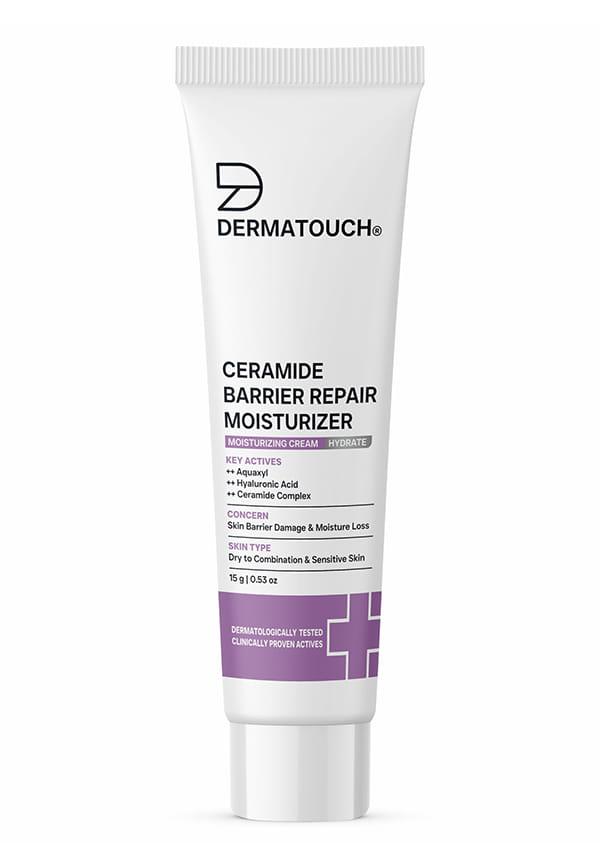
Ceramide Barrier Repair Moisturizer
Applying ceramides to completely dry skin reduces their effectiveness. Always apply to slightly damp skin, and don't wait too long between cleansing and moisturising—the longer you wait, the more moisture your skin loses.
Barrier repair takes time—usually 4-6 weeks to see significant improvement. Don't switch products too quickly or add too many new ingredients at once. Your skin needs consistency to rebuild effectively.
When exploring ceramide products, platforms like Smytten make it easier to find your perfect match without the commitment of full-size purchases. With trial packs from trusted brands, you can test different ceramide formulations to see what works best for your skin before investing in full-size products.
Ceramide NP, AP, and EOP are the most researched and effective for barrier repair. Look for products containing multiple ceramide types rather than just one, as they work synergistically to rebuild your skin's natural lipid barrier.
Ceramides can be used both morning and evening. Apply them after water-based serums but before heavier creams or oils. For best results, use ceramide products consistently rather than sporadically.
Pure ceramides are non-comedogenic and won't clog pores. However, some ceramide products contain other ingredients that might cause breakouts in acne-prone individuals. Always check the full ingredient list and patch test new products.
Most people notice improved hydration within a week, but significant barrier repair typically takes 4-6 weeks of consistent use. Severely compromised barriers may take up to 8 weeks to fully restore.
It's difficult to overdo ceramides since they're naturally present in skin. However, using too many heavy ceramide products might feel greasy or cause milia in some people. Start with one ceramide product and gradually add more if needed.
Yes, synthetic ceramides are chemically identical to natural ones and often more stable in formulations. Many dermatologist-recommended products use synthetic ceramides because they're more predictable and less likely to cause reactions.
Building an effective ceramides for barrier strengthening routine is about consistency, patience, and choosing the right products for your skin's specific needs. Remember that barrier repair is a gradual process—your skin didn't become compromised overnight, and it won't heal overnight either. Focus on gentle cleansing, strategic ceramide application, and protective measures that prevent further damage.
The beauty of ceramides lies in their versatility and compatibility with most skin types and concerns. Whether you're dealing with dryness, sensitivity, or simply want to maintain a healthy barrier, ceramides can be your skin's best friend. Start with one well-formulated ceramide product, introduce it gradually, and build from there based on your skin's response.
With Smytten's extensive range of skincare trial packs, you can explore different ceramide formulations from trusted brands without the guesswork. Try various ceramide serums, creams, and treatments to discover what works best for your unique skin needs. After all, why settle for maybe when you can try it all and find your perfect barrier-strengthening routine?
