How to Boost Skin Moisture: Expert Hydration Guide

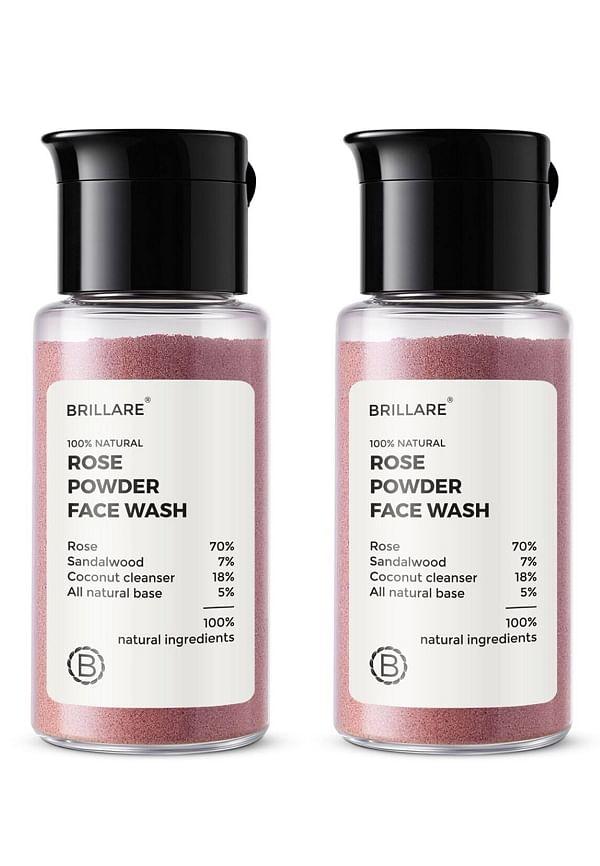
Rose Powder Face Wash Combo For Hydrated, Younger Looking Skin
Great Product!
 5
5“Good product for this rage go for it”
Must Try Product
4“nice product must Try this once”
Let's be real—dry, flaky skin is nobody's vibe. Whether it's the harsh winter air, endless screen time, or just genetics being a bit dramatic, dehydrated skin can leave you feeling less than your best. But here's the thing: learning how to boost skin moisture isn't rocket science. It's about understanding what your skin actually needs and giving it the right kind of love. From simple lifestyle tweaks to game-changing products, we're diving into everything you need to know about keeping your skin plump, happy, and glowing. Ready to say goodbye to that tight, uncomfortable feeling? Let's sort this out together.
Your skin is basically a protective barrier that's constantly working overtime. Think of it as your body's bouncer—keeping the good stuff in and the bad stuff out. But sometimes, this barrier gets a bit overwhelmed and starts letting moisture escape faster than you can say "dehydrated skin causes."
Environmental factors are probably the biggest troublemakers here. Dry air from heating systems, harsh UV rays, and pollution all gang up on your skin's natural moisture barrier. Then there are those everyday habits that seem harmless but are secretly sabotaging your hydration game.
Hot showers that strip away natural oils
Harsh cleansers that leave skin feeling squeaky clean (not good!)
Over-exfoliating because more isn't always better
Skipping moisturiser when you're in a rush
Not drinking enough water throughout the day
Your skin barrier is made up of dead skin cells held together by lipids—think of it like a brick wall where the cells are bricks and lipids are the mortar. When this barrier is healthy, it keeps moisture locked in and irritants locked out. But when it's compromised, you get that tight, uncomfortable feeling that screams "help me!"
Ceramides, cholesterol, and fatty acids are the real MVPs here. They work together to maintain your skin's natural moisture levels and keep everything functioning smoothly. When these get depleted, that's when skin barrier repair becomes essential.
Here's something that might surprise you: the best dry skin remedies often start from the inside out. Your skin is basically a reflection of what's happening internally, so let's tackle hydration from every angle.
Water is obviously the star of the show, but it's not just about chugging eight glasses a day (though that definitely helps). Your body needs consistent hydration throughout the day to keep skin cells plump and happy.
Aim for 8-10 glasses of water daily, more if you're active
Eat water-rich foods like cucumbers, watermelon, and oranges
Consider hydration-boosting supplements like omega-3s and vitamin C
Herbal teas count towards your fluid intake too
Your kitchen is basically a skincare goldmine. These natural remedies for dry skin have been tried and tested for generations, and there's a reason they're still popular.
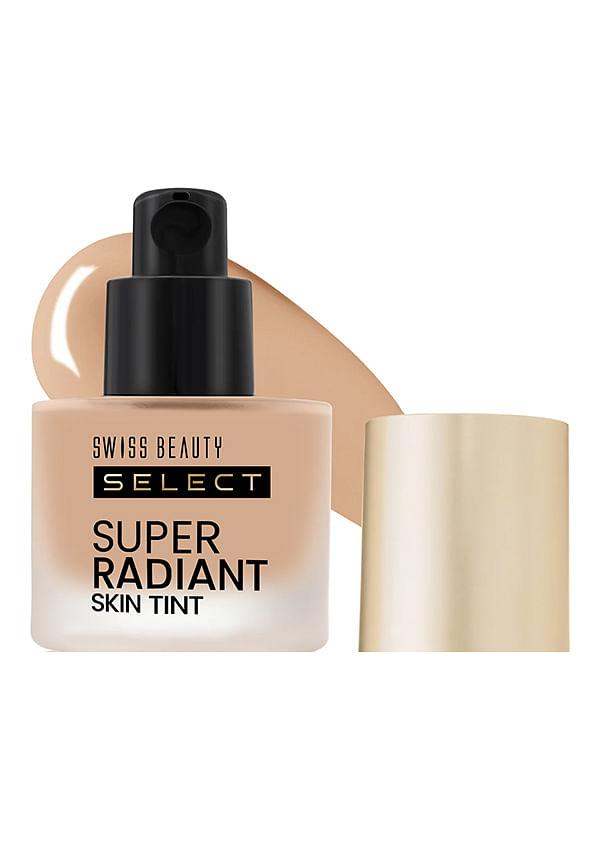
Select Super Radiant Hydrating Skin Tint
Love it! Natural Look
5“lovet it so lite weight i m loving this giving very natural look on my face”
Honey masks: Raw honey is a natural humectant that draws moisture to your skin
Oatmeal treatments: Colloidal oatmeal soothes irritation and locks in moisture
Avocado face masks: Packed with healthy fats that nourish dry skin
Coconut oil: Apply to damp skin for maximum absorption
Creating a solid skin moisturising routine doesn't have to be complicated. It's about consistency and using the right products in the right order. Think of it as building layers of hydration that work together to keep your skin happy all day long.
Mornings are all about protection and preparation. You want to hydrate skin naturally while setting it up to handle whatever the day throws at it.
Start with a gentle, non-stripping cleanser
Apply a hydrating serum to damp skin (this is key!)
Layer on your moisturiser while the serum is still tacky
Never skip SPF—UV damage breaks down your moisture barrier
Nighttime is when your skin does most of its repair work, so this is your chance to really boost those moisture levels. Your evening routine should focus on deep hydration and skin barrier repair.
Double cleanse if you wear makeup or sunscreen
Use a more intensive serum with ingredients like hyaluronic acid
Apply a richer moisturiser than your morning one
Consider adding a face oil for extra nourishment
Not all moisturisers are created equal, and understanding ingredients can help you make smarter choices. The best moisturisers for dry skin typically combine different types of hydrating ingredients that work in harmony.
These ingredients are like moisture magnets—they pull water from the environment and deeper layers of skin to the surface. Perfect for giving you that instant plump feeling.
Hyaluronic acid: Holds up to 1000 times its weight in water
Glycerin: Gentle and effective for all skin types
Sodium PCA: A natural component of skin that attracts moisture
Aloe vera: Soothing and hydrating, especially for sensitive skin
While humectants pull moisture in, occlusives create a barrier to prevent water loss. Emollients smooth and soften skin texture. Together, they're your hydration dream team.
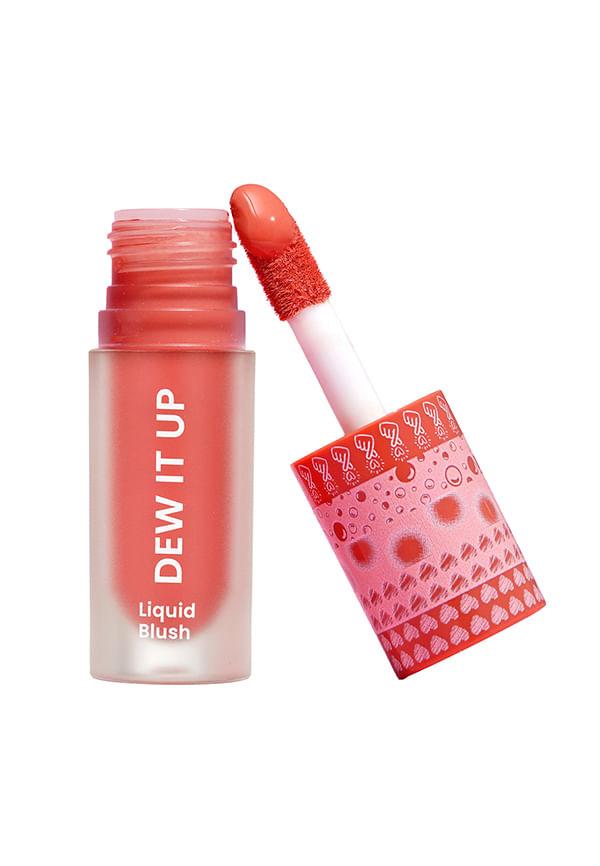
Swiss Beauty Dew It Up Liquid Blush
Really impressed with the product
4“Nice I really like the product I'm really impressed”
Swiss Beauty: Good but needs formulation improvement
4“Swiss beauty I'm kinda impressed but the formulation could be improved though... Although it's good 🙂↔️🩷 ”
Good Pigment and Colour
4“very nice pigment and colour good”
Ceramides: Restore and maintain your skin barrier
Shea butter: Rich in vitamins and naturally moisturising
Squalane: Lightweight but deeply hydrating
Petrolatum: The most effective occlusive ingredient available
Once you've got the basics down, there are some next-level strategies to really amp up your hydration game. These skin hydration tips can make a noticeable difference in how your skin looks and feels.
You don't need expensive spa treatments to get professional results. These techniques can seriously upgrade your hydration routine without breaking the bank.
Use a humidifier to maintain 40-50% humidity in your home
Try the "sandwich method"—serum, moisturiser, then another layer of serum
Apply products to slightly damp skin for better absorption
Use hydrating sheet masks 2-3 times per week
The order you apply your skin hydration products matters more than you might think. Start with the thinnest consistency and work your way up to the thickest.
Cleanser → Toner → Serum → Moisturiser → Face oil → SPF (morning)
Wait 30-60 seconds between each layer
Pat products in rather than rubbing
Use upward motions when applying
Sometimes the biggest barrier to hydrated skin isn't what you're not doing—it's what you are doing. These common mistakes might be working against your hydration goals without you even realising it.
We've all been guilty of these at some point. The good news is that once you know what to avoid, it's easy to make better choices.
Taking scalding hot showers (stick to lukewarm water)
Using products with high alcohol content
Over-cleansing or using harsh scrubs daily
Forgetting to moisturise your neck and décolletage
Not adjusting your routine for seasonal changes
Your environment plays a huge role in skin hydration. Small changes to your surroundings can make a big difference in how your skin feels and looks.
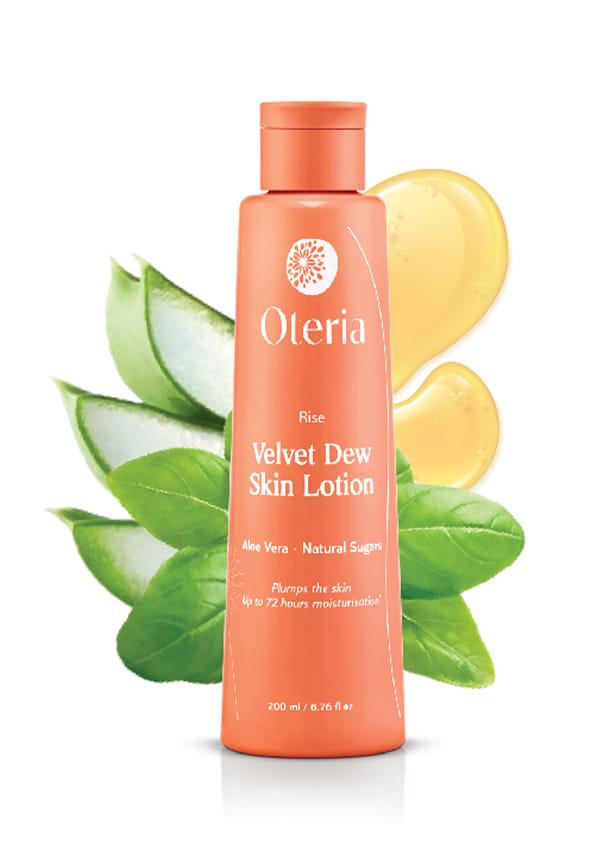
Velvet Dew Skin Lotion
Keep indoor humidity between 40-50%
Protect your skin from harsh winds and cold air
Use a silk or satin pillowcase to reduce friction
Keep your skincare products in a cool, dry place
Finding the right products for your skin can feel overwhelming, especially when there are so many options out there. That's where platforms like Smytten come in handy—you can try mini versions of different moisturisers and serums before committing to full sizes. With over 1,500 trusted brands including skincare favourites like Cetaphil and Dot & Key, you can discover what actually works for your skin without the guesswork.
Apply a hyaluronic acid serum to damp skin, follow immediately with a ceramide-rich moisturiser, and use a humidifier in your room. You should see improvement within 24-48 hours.
Dry skin lacks oil and is a skin type, while dehydrated skin lacks water and is a skin condition. Dehydrated skin can feel tight even if it's oily, while dry skin typically feels rough and flaky.
At minimum, twice daily—morning and evening. If your skin feels tight during the day, you can apply a light layer of moisturiser over your makeup or reapply if you're not wearing any.
It's not recommended. Facial skin is more delicate and has different needs than body skin. Body moisturisers are often too heavy and may contain fragrances that can irritate facial skin.
You should notice immediate relief from dryness, but it typically takes 2-4 weeks of consistent use to see significant improvements in skin texture and overall hydration levels.
It's not essential, but it can be beneficial. Day moisturisers are often lighter and may contain SPF, while night moisturisers tend to be richer and focus on repair and deep hydration.
Learning how to boost skin moisture is really about understanding your skin's needs and being consistent with your care routine. It's not about having the most expensive products or the most complicated routine—it's about finding what works for your skin and sticking with it. Remember, hydrated skin starts from within, so don't forget about drinking water and eating nourishing foods alongside your topical routine.
The key is to start simple and build from there. Try one or two new techniques at a time, and give your skin a few weeks to adjust before making major changes. With Smytten's trial packs, you can experiment with different skin hydration products from trusted brands without the commitment of full-size purchases. After all, why settle for maybe when you can try it all and find exactly what makes your skin happy? Your future glowing, hydrated self will definitely thank you for taking the time to figure out what works best.
