How to Boost Skin Elasticity Naturally Today


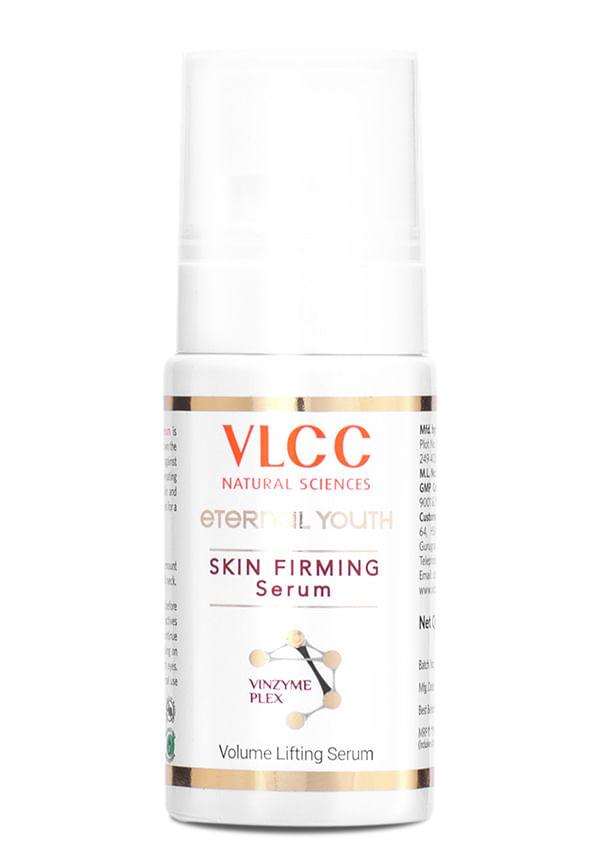
Eternal Youth Skin Firming Serum
Let's be real—when you catch a glimpse of yourself in the mirror and notice your skin isn't as bouncy as it used to be, it can feel a bit overwhelming. That slight sagging around the jawline or those fine lines that seem to have appeared overnight? Totally normal, but also totally fixable. The good news is that improving skin elasticity now doesn't require a magic wand or a fortune spent on treatments. Your skin has an incredible ability to bounce back when you give it the right support, and we're here to walk you through exactly how to make that happen. From simple daily habits to targeted skincare ingredients that actually work, there are plenty of natural ways to help your skin regain that firm, youthful bounce you've been missing.
Think of skin elasticity as your skin's superpower—it's what allows your skin to stretch when you smile and snap right back into place. This magic happens thanks to two key proteins: collagen and elastin. Collagen provides structure and firmness, whilst elastin gives your skin that stretchy, bouncy quality that keeps it looking plump and youthful.
Here's where things get a bit tricky. From around age 25, your body starts producing about 1% less collagen each year. That might not sound like much, but it adds up quickly. By the time you hit your thirties, you might notice your skin doesn't bounce back quite as readily after a late night or a stressful week.
The signs of declining natural skin elasticity are pretty easy to spot once you know what to look for:
But before you panic, remember that age isn't the only factor at play. Sun exposure, smoking, poor nutrition, dehydration, and even sleeping on your side can all speed up the breakdown of collagen and elastin. The brilliant thing about understanding these factors is that many of them are completely within your control.
Ready to give your skin the support it needs? These science-backed methods can help you start seeing improvements in your skin's firmness and bounce. The best part is that most of these approaches work together, so you're not choosing just one—you're building a comprehensive routine that addresses skin elasticity from multiple angles.
Your skin is basically a reflection of what's happening inside your body, so let's start there. Proper hydration isn't just about drinking water (though that's crucial)—it's about giving your skin the building blocks it needs to maintain its structure.
Aim for at least 8 glasses of water daily, but don't stop there. Foods rich in vitamin C like oranges, strawberries, and bell peppers are absolute game-changers for collagen boosting. Your body literally cannot make collagen without vitamin C, so this isn't optional.
Protein is equally important since collagen is, well, a protein. Include lean meats, fish, eggs, or plant-based proteins like lentils and quinoa in your daily meals. Antioxidant-rich foods like blueberries, dark chocolate, and green tea help protect existing collagen from damage whilst supporting new production.
Not all skincare ingredients are created equal when it comes to firming skin. Some are just marketing hype, whilst others have solid science backing their effectiveness.
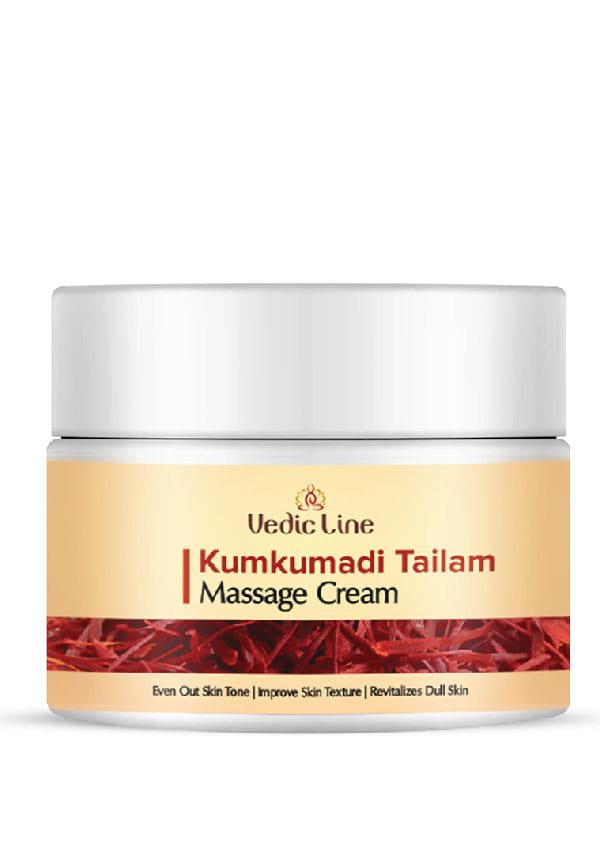
Kumkumadi Tailam Face Cream Improve Skin Elasticity & Texture
Hyaluronic acid is your skin's best friend for maintaining moisture and plumpness. It can hold up to 1,000 times its weight in water, which means it helps your skin look fuller and more elastic almost immediately.
Vitamin C serums are non-negotiable for anti-aging skincare. Look for stable forms like magnesium ascorbyl phosphate or sodium ascorbyl phosphate if you have sensitive skin. These help stimulate collagen production whilst protecting against environmental damage.
Peptides are like little messengers that tell your skin to produce more collagen. They're gentler than retinoids but still effective for skin rejuvenation. Perfect if you're looking for results without irritation.
Here's something most people don't realise: exercise doesn't just tone your muscles—it can actually help improve skin firmness too. When you work out, you increase blood flow, which delivers oxygen and nutrients to your skin cells whilst helping remove waste products.
Facial exercises might feel a bit silly at first, but they can genuinely help tone the muscles underneath your skin. Try gentle massage techniques or facial yoga poses that target areas where you're noticing sagging.
Regular cardio and strength training boost circulation and can help maintain healthy skin from the inside out. Plus, exercise helps manage stress hormones that can accelerate skin ageing.
Sometimes you want to bring in the big guns, and that's completely understandable. Professional skin tightening treatments can offer more dramatic results, but they're not always necessary for everyone.
Non-invasive professional options like radiofrequency treatments or ultrasound therapy can stimulate deep collagen production. These treatments typically require multiple sessions and can cost anywhere from ₹5,000 to ₹25,000 per session, depending on the technology and clinic.
At-home devices have come a long way in recent years. LED light therapy masks, microcurrent devices, and even at-home radiofrequency tools can provide gentler versions of professional treatments. They're more affordable in the long run but require consistent use over several months to see results.
The key is having realistic expectations. Professional treatments can provide more immediate and dramatic results, whilst at-home methods require patience but offer the convenience of fitting into your daily routine. Many people find that combining both approaches—starting with professional treatments and maintaining results with at-home care—gives them the best of both worlds.
Sometimes the most powerful changes come from the smallest daily habits. These might seem basic, but they're the foundation of maintaining youthful skin for years to come.
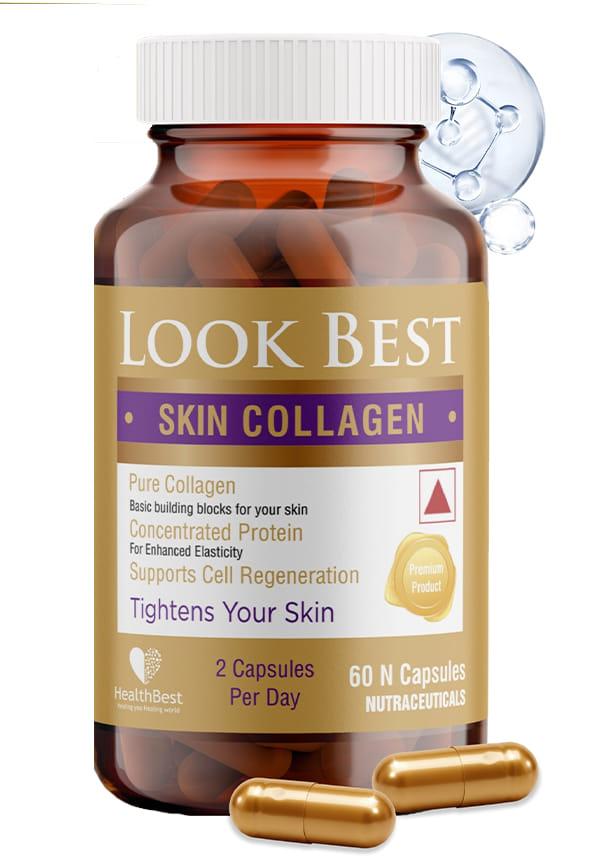
Skin Collagen Supplement for Women & Men - Enhances Skin Tightening, Boosts Elasticity & Firmness
Excellent Product
 5
5“best really good product 👌 👏 👍”
Effective and Improves Skin
5“skin looking best now and effective”
Excellent Acne Treatment
5“"This skin medicine effectively treats acne, blemishes, and inflammation. Its natural ingredients soothe irritation, promote healing, and restore skin balance. Regular use improves skin texture, reduces redness, and prevents future breakouts, making it a reliable solution for healthy, glowing skin”
Sun protection is absolutely non-negotiable. UV damage is the number one cause of premature skin ageing and collagen breakdown. Use a broad-spectrum SPF 30 or higher every single day, even when it's cloudy or you're staying indoors near windows.
Sleep quality affects everything, including your skin's ability to repair and regenerate. During deep sleep, your body produces growth hormone, which helps repair damaged collagen. Aim for 7-9 hours of quality sleep and consider sleeping on your back to avoid creating sleep lines that can become permanent over time.
Stress management isn't just good for your mental health—chronic stress increases cortisol levels, which can break down collagen and elastin. Find stress-reduction techniques that work for you, whether that's meditation, yoga, or simply taking a few deep breaths throughout the day.
Your skincare routine should be gentle but consistent. Over-cleansing or using harsh scrubs can damage your skin barrier and accelerate ageing. Stick to gentle cleansers, moisturise regularly, and introduce new products gradually to avoid irritation.
This is probably the question everyone wants answered: can you actually turn back the clock on skin ageing? The honest answer is both yes and no, depending on what you mean by 'reverse.'
Your skin has an amazing capacity for renewal and repair, especially when you give it the right support. Studies show that consistent use of proven ingredients like vitamin C, retinoids, and peptides can stimulate new collagen production and improve skin firmness over time.
However, the timeline for seeing improvements varies significantly. With topical treatments, you might notice some immediate plumping effects from hydration, but real structural changes in collagen boosting typically take 3-6 months of consistent use. Professional treatments might show results sooner, but they still require time for your skin to build new collagen.
The key to success is combining multiple approaches rather than relying on just one magic solution. When you address skin elasticity through nutrition, skincare, lifestyle habits, and possibly professional treatments, you're giving your skin the best possible chance to improve.
It's also worth noting that prevention is always easier than reversal. Starting good habits early and maintaining them consistently will always give you better results than trying to fix years of damage all at once.
Ready to put all this knowledge into action? Here's a realistic, step-by-step plan for improving skin elasticity now without overwhelming yourself or your skin.
During your first two weeks, focus on building the foundation. Start drinking more water—aim for that 8-glass target and notice how your skin responds. Introduce a vitamin C serum in the morning and a gentle moisturiser with hyaluronic acid. Most importantly, make SPF a non-negotiable part of your morning routine.
For weeks three and four, you can start adding more targeted treatments. This might be the perfect time to explore different anti-aging skincare ingredients through trial sizes—after all, why commit to a full-size product when you can test what works for your skin first? Consider adding a peptide serum or a gentle retinol alternative like bakuchiol to your evening routine.
Throughout the month, pay attention to your sleep schedule and stress levels. These factors have a huge impact on how well your skin responds to any treatments you're using. Keep a simple skin diary noting any changes you observe—sometimes improvements are so gradual that we don't notice them without actively looking.

Glow Boosting Serum
This is where platforms like Smytten become incredibly valuable for anyone serious about skin rejuvenation. Instead of gambling on expensive full-size products that might not work for your skin, you can try curated trial packs from trusted brands. With access to mini-sized products from over 1,500 brands, you can experiment with different approaches to find what truly works for your unique skin needs, all whilst getting 100% cashback on your trials.
The most effective natural approach combines proper hydration, a nutrient-rich diet high in vitamin C and protein, consistent use of proven skincare ingredients like hyaluronic acid and vitamin C, regular exercise, and excellent sun protection. Results typically become noticeable after 6-12 weeks of consistent effort.
Yes, mild to moderate skin sagging can often be improved significantly through non-surgical methods. Professional treatments like radiofrequency or ultrasound therapy, combined with consistent skincare and lifestyle changes, can provide noticeable firming effects. However, severe sagging may require surgical intervention for dramatic results.
Timeline varies by method: hydration improvements can be seen within days, skincare ingredients typically show results after 4-6 weeks, whilst deeper collagen changes take 3-6 months. Professional treatments may show initial results after 2-4 sessions, with continued improvement over several months.
Focus on vitamin C-rich foods like citrus fruits, berries, and leafy greens, high-quality proteins like fish and lean meats, and antioxidant-rich options like green tea and dark chocolate. Bone broth, eggs, and nuts also provide essential building blocks for collagen synthesis.
It depends on your specific concerns and budget. Many effective ingredients are available in affordable formulations, and consistent use of proven ingredients often provides better results than occasional expensive treatments. The key is finding products that work for your skin type and using them consistently.
Improving skin elasticity naturally isn't about finding one miracle solution—it's about creating a comprehensive approach that supports your skin from multiple angles. The methods we've discussed work best when combined, and the key to success is consistency rather than perfection.
Remember that your skin is unique, and what works brilliantly for your friend might not be the perfect solution for you. This is why trial and error is such an important part of the process. With over 25 million users discovering their perfect products through trial-sized options, there's real value in testing before investing in full-size products.
Start with the basics—hydration, sun protection, and gentle skincare—then gradually introduce more targeted treatments as your skin adjusts. Be patient with the process, celebrate small improvements, and remember that taking care of your skin is an investment in how you'll look and feel for years to come. After all, why settle for 'maybe' when you can find exactly what works for your skin?
