How to Boost Skin Collagen for Elasticity and Fewer Wrinkles


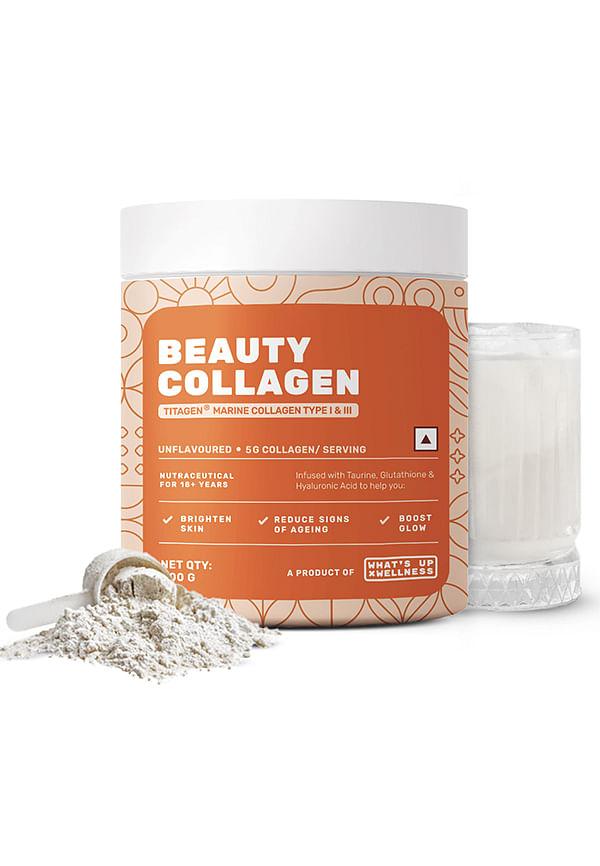
Beauty Collagen with Glutathione, Biotin, & Vitamin C - Unflavoured
Ever noticed how your skin felt firmer and more bouncy in your twenties? That plump, elastic quality wasn't just good genes—it was collagen working overtime. As we age, our skin's collagen production naturally slows down, leading to fine lines, sagging, and that frustrating loss of firmness. But here's the good news: understanding how to boost your skin's collagen can help you maintain that youthful elasticity for longer. Whether you're dealing with early signs of ageing or looking to prevent them, this complete guide to collagen for skin elasticity will show you science-backed methods to support your skin's natural structure.
Think of collagen as your skin's scaffolding—it's the most abundant protein in your body, making up about 75% of your skin's structure. This powerhouse protein works alongside elastin to keep your skin firm, plump, and resilient. When you pinch your skin and it bounces back quickly, that's collagen and elastin working together. There are several types of collagen, but Type I collagen is the star when it comes to skin health. It forms the foundation of your skin's dermis, providing strength and structure. Type III collagen supports Type I, whilst Type II is primarily found in cartilage. The collagen benefits for skin extend beyond just firmness—this protein also helps maintain hydration levels and supports the skin's natural repair processes. Here's where it gets concerning: after age 25, we lose approximately 1% of our collagen each year. By the time you reach 45, you've lost about 25% of your skin's collagen. This gradual decline explains why fine lines start appearing around your eyes and mouth, and why your skin doesn't bounce back quite like it used to. The good news? Understanding skin collagen production means you can take steps to slow this process and even encourage new collagen formation.
Before diving into supplements and treatments, let's talk about what you can do right now to support your skin's natural collagen production. Improving skin elasticity starts with giving your body the building blocks it needs and protecting what you already have. Vitamin C is your collagen's best friend. This powerful antioxidant is essential for collagen synthesis—without adequate vitamin C, your body simply can't produce quality collagen. Load up on citrus fruits, berries, bell peppers, and leafy greens. Topically, a good vitamin C serum can work wonders for stimulating collagen production whilst protecting against environmental damage. Your diet plays a crucial role in natural skin elasticity. Protein-rich foods provide the amino acids your body needs to build collagen. Think lean meats, fish, eggs, legumes, and nuts. Bone broth has gained popularity for good reason—it contains collagen peptides that may support your body's own collagen production. Foods rich in zinc, copper, and vitamin A also support the collagen synthesis process. Sun protection isn't just about preventing burns—it's one of the most effective ways to preserve existing collagen. UV rays break down collagen fibres through a process called photoaging. Daily SPF use can significantly slow collagen loss and maintain skin firmness over time. Don't underestimate the power of quality sleep and stress management. During deep sleep, your body repairs and regenerates collagen. Chronic stress, on the other hand, increases cortisol levels, which can break down collagen faster than your body can replace it. Gentle facial massage can also boost circulation, potentially supporting collagen production in the skin.
The supplement aisle is packed with collagen products making bold claims, but what does the research actually show? Collagen supplements for skin have been studied extensively, and the results are genuinely promising. Clinical studies consistently show that taking 2.5-10g of hydrolysed collagen peptides daily can improve skin elasticity, hydration, and reduce the appearance of fine lines. In one notable study, women who took 10g of collagen peptides daily for 12 weeks showed a 20% increase in skin elasticity compared to the placebo group. Another study found that just 2.5g daily improved skin hydration by 28% after 8 weeks. The key is in the form: hydrolysed collagen peptides are broken down into smaller molecules that your body can actually absorb. Whole collagen proteins are too large to be absorbed intact, which is why not all collagen supplements are created equal. Marine collagen tends to have smaller peptides and may be absorbed more efficiently than bovine collagen, though both show benefits in studies. Timeline matters when it comes to collagen and wrinkles. Most people notice improved skin hydration within 4-6 weeks, but significant changes in elasticity and fine lines typically appear after 8-12 weeks of consistent use. This isn't an overnight fix—it's about supporting your skin's long-term health.
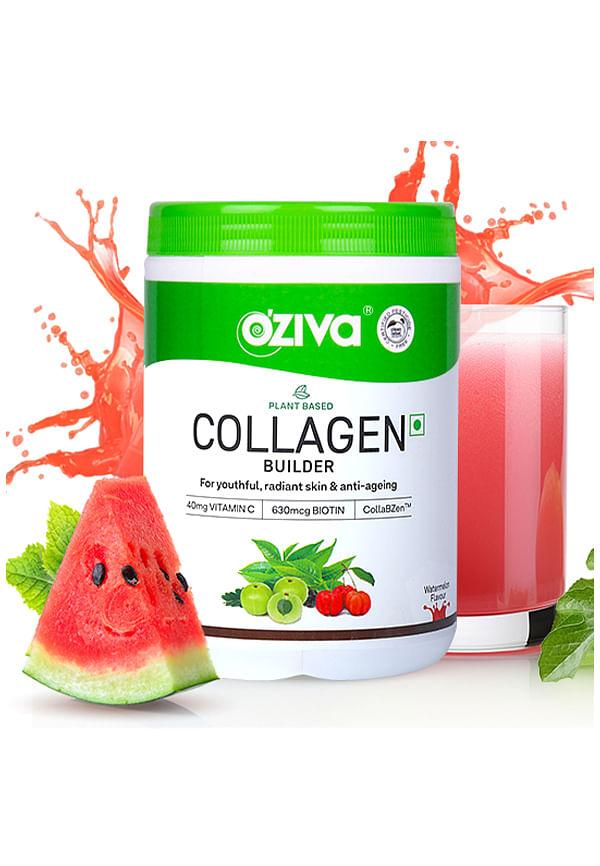
Collagen Builder for Anti-Ageing & Skin Radiance with Vitamin C, Watermelon
When shopping for collagen supplements, look for Type I collagen peptides with a molecular weight between 2,000-5,000 Daltons. This size range ensures optimal absorption. Third-party testing for purity and potency is crucial—you want to know you're getting what's on the label. Marine collagen from wild-caught fish often provides the highest bioavailability, whilst grass-fed bovine collagen is another excellent option.
Here's something important to understand: topical collagen itself can't penetrate your skin effectively. The molecules are simply too large. However, certain collagen skincare ingredients can stimulate your skin's own collagen production, and that's where the real magic happens. Retinoids are the gold standard for collagen for anti-aging. These vitamin A derivatives have decades of research showing they can increase collagen production by up to 80% with consistent use. Start slowly with a low concentration to build tolerance, and always use SPF during the day. Skin firming peptides are another game-changer. These small protein fragments can signal your skin to produce more collagen. Look for products containing palmitoyl pentapeptide-4 or copper peptides, which have shown promising results in clinical studies. Vitamin C serums work both as antioxidants and collagen boosters. L-ascorbic acid is the most potent form, though magnesium ascorbyl phosphate is gentler for sensitive skin. Use vitamin C in the morning under your SPF for maximum protection and collagen support. Niacinamide deserves a mention here too. This form of vitamin B3 helps protect existing collagen from breakdown whilst supporting the skin barrier. It's gentle enough for daily use and plays well with other active ingredients.
Let's set realistic expectations about collagen and wrinkles. Collagen loss is a gradual process, and rebuilding it takes time. When collagen fibres become damaged or depleted, the skin loses its ability to snap back into place, leading to permanent creases—what we call wrinkles. The relationship between boost skin collagen efforts and visible results isn't linear. Prevention is always easier than correction. If you're in your twenties or thirties, focusing on collagen preservation through sun protection and antioxidants will serve you better in the long run than trying to reverse damage later. For those already seeing signs of collagen loss, combining multiple approaches yields the best results. Studies show that people who use both oral collagen supplements and topical retinoids see greater improvements than those using either method alone. This makes sense—you're supporting collagen production from both inside and outside. Realistic timelines for wrinkle improvement through collagen support typically span 3-6 months. Fine lines may soften sooner, but deeper wrinkles require consistent, long-term care. Remember, you're working with your skin's natural renewal cycle, which takes about 28 days for younger skin and can extend to 40+ days as we age.
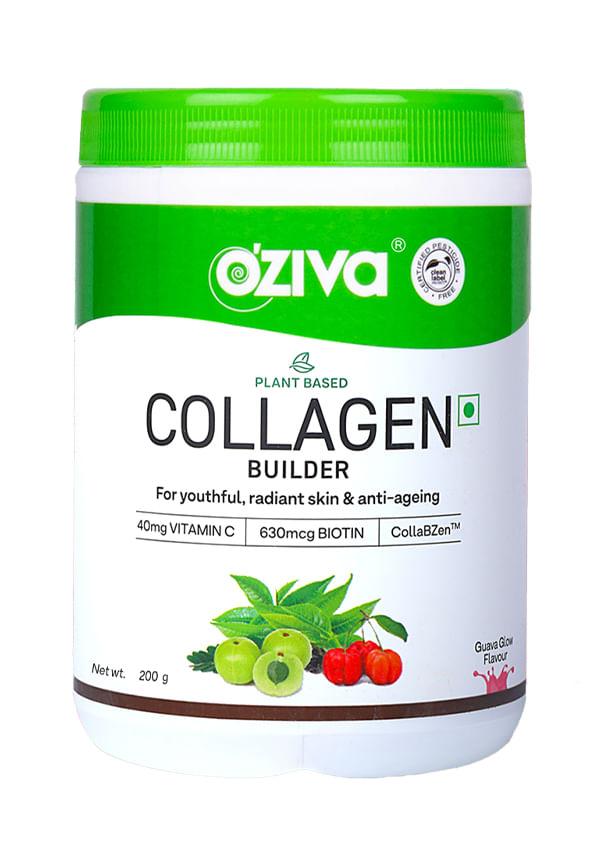
Collagen Builder for Anti-Ageing & Skin Radiance with Vitamin C, Guava Glow 200g
Even with the best intentions, it's easy to make mistakes that can sabotage your collagen efforts. One of the biggest errors is taking collagen with coffee or tea. The tannins in these beverages can interfere with absorption, so it's better to take your supplement on an empty stomach or with water. Quality matters enormously with collagen supplements. Avoid products that don't specify the type of collagen, molecular weight, or source. If a supplement seems too cheap, it probably is—quality collagen peptides require proper processing and testing. Dosage confusion is another common issue. More isn't always better, and taking excessive amounts won't speed up results. Stick to the 2.5-10g daily range that's been proven effective in studies. Taking collagen inconsistently is like going to the gym once a month—you won't see the benefits. Some people expect immediate results and give up too quickly. Collagen supplementation is a long-term strategy, not a quick fix. Give it at least 12 weeks of consistent use before evaluating effectiveness.
The sweet spot for collagen supplements for skin appears to be between 2.5-10g daily, based on clinical research. Most studies showing significant skin benefits used doses in this range. Starting with 5g daily is a sensible approach for most people. Your individual needs may vary based on age, current skin condition, and overall health. Younger people with good skin might benefit from the lower end of this range, whilst those with more advanced signs of aging might need closer to 10g daily. Timing can optimise absorption. Take collagen on an empty stomach, ideally 30 minutes before meals or 2 hours after eating. This ensures the amino acids aren't competing with other proteins for absorption. Some people prefer taking it first thing in the morning, whilst others find bedtime works better for their routine. Consistency trumps perfection. It's better to take 5g daily without fail than to take 10g sporadically. Your body needs a steady supply of these building blocks to maintain collagen synthesis.
Type I hydrolysed collagen peptides with molecular weights of 2,000-5,000 Daltons show the best absorption and skin benefits in clinical studies. Marine collagen often provides superior bioavailability compared to bovine sources.
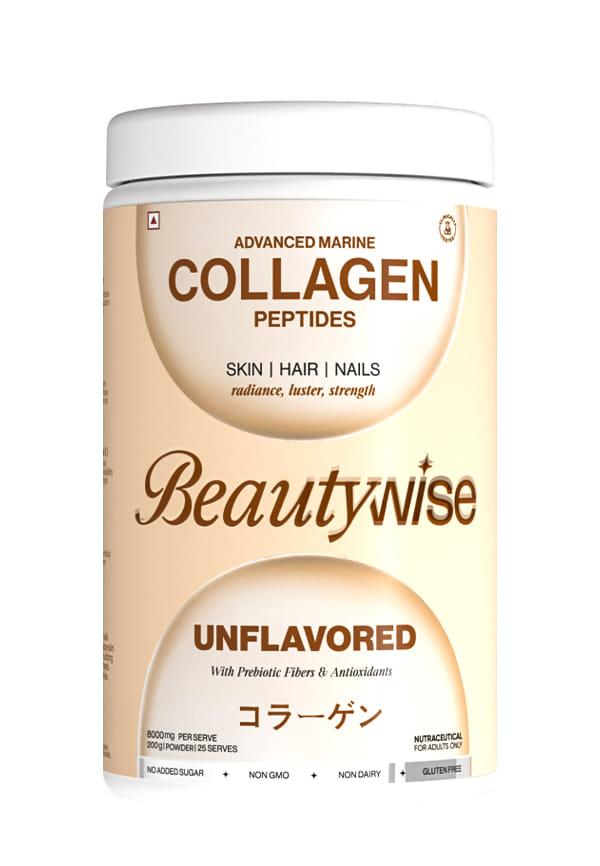
Advanced Collagen Peptides (Unflavored)
Yes, clinical studies consistently show that oral collagen supplements can improve skin elasticity by 7-20% within 8-12 weeks when taken at doses of 2.5-10g daily. The key is consistent, long-term use.
Most people notice improved skin hydration within 4-6 weeks, with significant elasticity improvements visible after 8-12 weeks of consistent use. Maximum benefits typically appear after 3-6 months.
Take collagen on an empty stomach, preferably 30 minutes before meals or 2 hours after eating, to maximise absorption. Many people find morning or bedtime works well for consistency.
Collagen supplements are generally very safe, with rare mild side effects including digestive upset in sensitive individuals. Always consult healthcare providers before starting new supplements, especially if you have allergies or medical conditions.
Building and maintaining healthy collagen levels is one of the most effective ways to support your skin's elasticity and reduce the appearance of wrinkles over time. The combination of proper nutrition, targeted skincare ingredients, and quality supplements can make a real difference in how your skin looks and feels. Remember, this isn't about chasing perfection or stopping the aging process entirely—it's about supporting your skin's natural functions so you can age gracefully and confidently. Whether you choose to focus on dietary changes, add a collagen supplement to your routine, or incorporate collagen-boosting skincare ingredients, consistency is key. If you're curious about trying new skincare products but hesitant to commit to full sizes, platforms like Smytten offer a smart way to explore different brands and formulations. With access to trial sizes from trusted skincare brands, you can test what works for your skin before investing in full-size products. It's a practical approach that takes the guesswork out of building an effective anti-aging routine.
