How to Boost Scalp Health Naturally: Simple Remedies

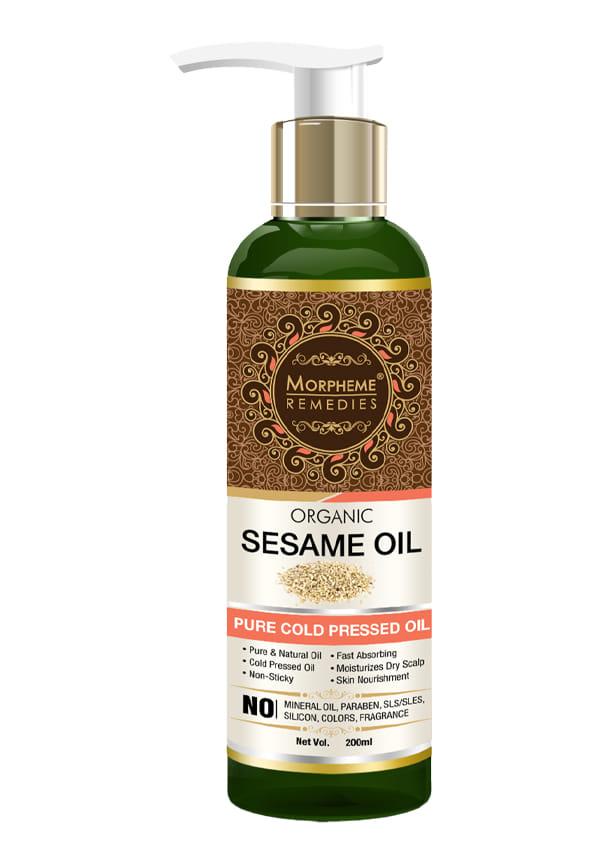
Remedies Organic Sesame Oil (Pure Coldpressed Oil) For Hair, Body, Skin Care, Massage
Your scalp is the foundation of healthy hair, yet it's often overlooked in our beauty routines. When your scalp feels tight, itchy, or produces too much oil, it's sending signals that something needs attention. The good news? You don't need expensive treatments or harsh chemicals to restore balance. Natural remedies have been nurturing scalp health for centuries, offering gentle yet effective solutions for everything from dryness to excess sebum production. Whether you're dealing with post-monsoon fungal issues, winter dryness, or the stress-induced scalp sensitivity that many of us know too well, understanding how to boost scalp health naturally can transform not just your hair, but your confidence too. At Smytten, we've seen countless users discover their perfect scalp care routine through trial-sized natural products, proving that the right approach doesn't have to break the bank.
TL;DR
A healthy scalp is essential for strong hair growth and requires different care based on whether it's dry, oily, or sensitive
Natural remedies like coconut oil, aloe vera, and apple cider vinegar can effectively address common scalp issues without harsh chemicals
Regular scalp massage, proper exfoliation, and nutrition play crucial roles in maintaining optimal scalp condition
Building a consistent natural scalp care routine takes 4-6 weeks to show visible results
Understanding your specific scalp type helps you choose the most effective natural treatments
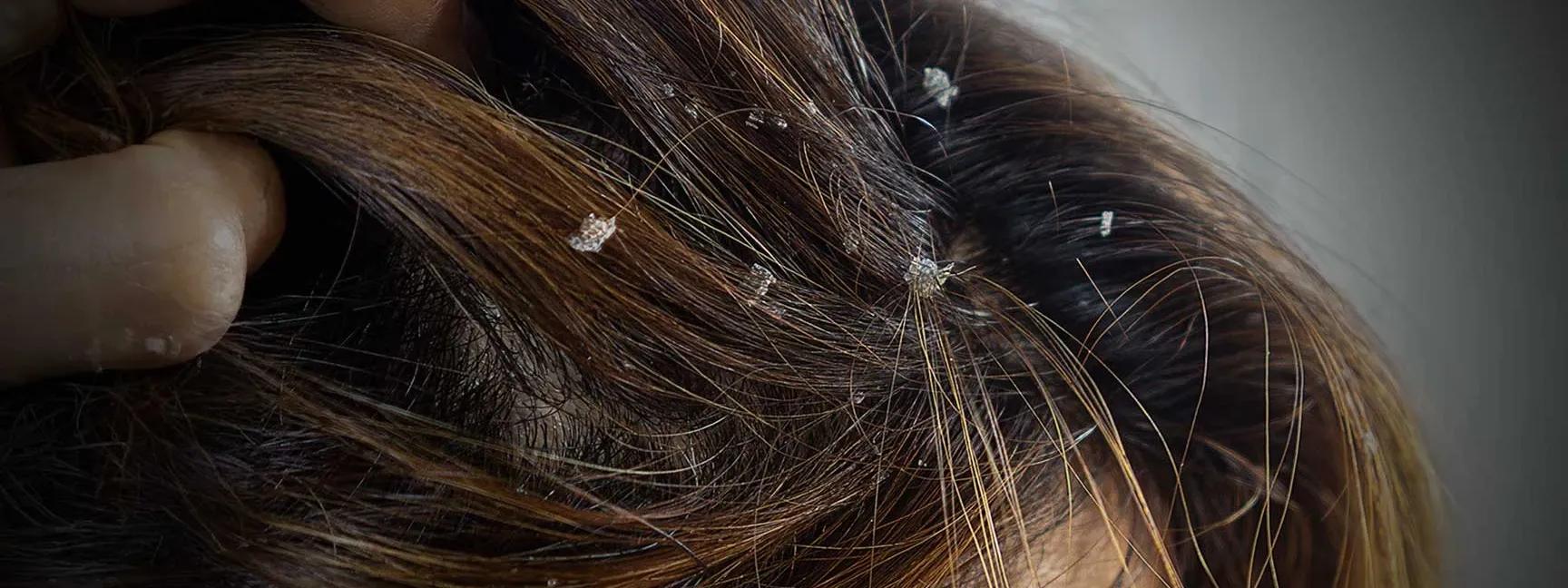
Your scalp speaks to you daily, but are you listening? A healthy scalp should feel comfortable, look clear, and maintain balanced oil production. When something's amiss, the signs are usually quite obvious once you know what to look for.
The most common indicators of scalp distress include persistent itching, visible flaking, excessive oiliness within hours of washing, or conversely, a tight, dry feeling that never seems to go away. You might notice your hair looking dull despite using quality products, or perhaps your usual styling routine isn't giving the same results. These aren't just cosmetic concerns—they're your scalp's way of signalling that the delicate ecosystem up there needs some attention.
Hair follicle health directly correlates with scalp condition. When your scalp is inflamed, dry, or clogged with product buildup, it creates an environment where hair struggles to grow properly. Think of it like trying to grow plants in poor soil—the results will always be disappointing. Common scalp conditions like seborrheic dermatitis, contact dermatitis from harsh products, or simple dehydration can all impact how your hair looks and feels.
To assess your scalp condition, try this simple check: gently part your hair in several places and look for redness, scaling, or unusual bumps. Notice how your scalp feels throughout the day—does it get itchy by evening? Does it feel tight after washing? These observations will guide you towards the most effective natural treatments.
Understanding why scalp issues develop helps you prevent them from recurring. Environmental factors play a massive role—Delhi's pollution, Mumbai's humidity, or Bangalore's sudden weather changes all impact your scalp differently.
Product buildup is perhaps the most overlooked culprit. That dry shampoo you love, the styling gel that gives perfect hold, even some conditioners can accumulate on your scalp over time. This buildup clogs hair follicles and creates an environment where bacteria and fungi thrive. It's like wearing the same shirt for weeks—eventually, things get uncomfortable.
Your diet and hydration levels directly affect scalp health too. When you're not drinking enough water or surviving on processed foods, your scalp often shows the effects before your skin does. Stress and hormonal fluctuations—whether from work pressure, irregular sleep, or monthly cycles—can trigger everything from increased oil production to sudden sensitivity.
Many people also fall into the overwashing or underwashing trap. Washing daily with harsh shampoos strips natural oils, causing your scalp to overcompensate by producing more sebum. On the flip side, washing too infrequently allows oils, dead skin cells, and product residue to accumulate, creating scalp congestion.
The key to effective natural scalp care lies in understanding your specific scalp type and choosing remedies accordingly. What works brilliantly for your friend's oily scalp might leave your dry scalp feeling even more parched.
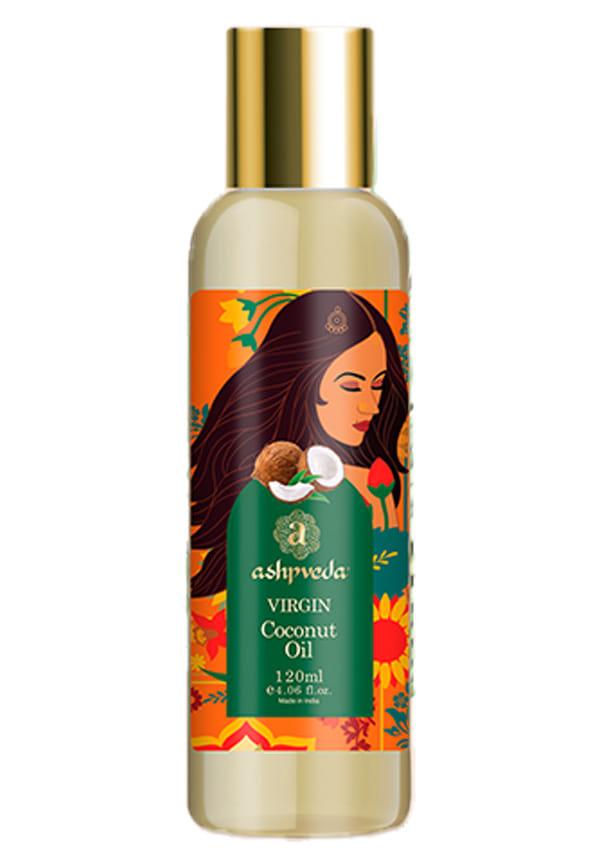
Organic Cold Pressed Virgin Coconut Oil for Hair and Skin | Ayurvedic Herb Enriched Fragrance Oil, Enhancing Scalp Health and Promotes Skin Firmness
If your scalp feels tight, shows white flakes, or gets itchy frequently, you're likely dealing with dryness. This is especially common during winter months or if you live in an air-conditioned environment most of the day.
Coconut oil remains one of the most effective dry scalp solutions. Its molecular structure allows it to penetrate the hair shaft and scalp skin, providing deep moisture. Warm a tablespoon of virgin coconut oil and massage it into your scalp 30 minutes before washing. For extra nourishment, mix it with a few drops of jojoba oil, which closely mimics your scalp's natural sebum.
Aloe vera gel works wonders for soothing itchy scalp naturally. Fresh aloe vera contains anti-inflammatory compounds that calm irritation while providing gentle moisture. Apply pure aloe vera gel directly to your scalp, leave for 20 minutes, then rinse with cool water.
A honey and oatmeal mask can provide intensive hydration. Mix two tablespoons of finely ground oats with one tablespoon of raw honey and enough warm water to make a paste. This combination gently exfoliates while the honey's humectant properties draw moisture to your scalp.
An oily scalp often feels greasy within hours of washing and may be accompanied by larger, yellowish flakes. The goal isn't to strip all oils but to balance sebum production naturally.
Apple cider vinegar rinses are incredibly effective for oily scalp remedies. Mix one part raw, unfiltered apple cider vinegar with three parts water. After shampooing, pour this mixture over your scalp, massage gently, and rinse after two minutes. The acetic acid helps balance your scalp's pH while removing excess oil and product buildup.
Tea tree oil, when properly diluted, can help regulate oil production. Add 3-4 drops to a tablespoon of carrier oil like grapeseed or sweet almond oil. This concentration is strong enough to be effective but gentle enough for regular use.
Clay-based treatments work excellently for absorbing excess oil. Bentonite or rhassoul clay mixed with water or rose water creates a purifying mask that draws out impurities without over-drying your scalp.
Regular scalp exfoliation is crucial for maintaining healthy hair follicles, but it needs to be done gently to avoid irritation. Think of it as giving your scalp the same attention you give your face—regular but gentle care.
DIY sugar scrubs offer the perfect balance of effectiveness and gentleness. Mix two tablespoons of fine brown sugar with one tablespoon of olive oil and a few drops of essential oil like rosemary or peppermint. Massage this mixture into your damp scalp using circular motions, focusing on areas where you typically apply products. The sugar dissolves as you massage, preventing over-exfoliation.
Brush techniques can provide daily gentle exfoliation. Use a boar bristle brush or a scalp massage brush with soft silicone bristles. Brush your dry hair from roots to tips before washing, which helps distribute natural oils and loosens dead skin cells. This method is particularly effective for those with sensitive scalps who can't tolerate scrubs.
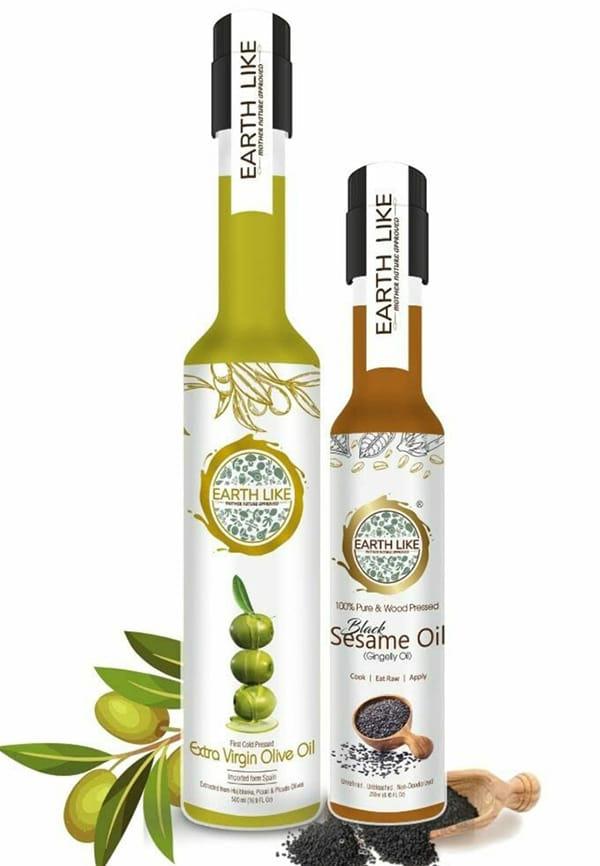
Olive Oil & Cold Pressed Black Sesame Oil Combo for Hair, Skin & Massage
Good Product, Best from Smytten
 5
5“good one.... best product from smytten application”
Good Product, Best from Smytten
5“good one.... best product from smytten application”
Natural enzyme exfoliants offer a chemical-free alternative to physical scrubs. Mash half a ripe papaya with a tablespoon of honey to create a gentle enzyme mask. The papain in papaya naturally breaks down dead skin cells and protein buildup without mechanical scrubbing.
For most scalp types, exfoliation once or twice weekly is sufficient. Oily scalps may benefit from twice-weekly treatments, while dry or sensitive scalps should stick to once weekly. Always exfoliate before shampooing, never on freshly washed hair, as this can cause irritation.
What you put into your body significantly impacts what grows out of your scalp. Hair follicle health depends on a steady supply of specific nutrients, and deficiencies often show up as poor hair quality or slow growth.
Biotin, iron, and omega-3 fatty acids form the holy trinity of hair nutrition. Biotin supports keratin production—the protein that makes up your hair. You'll find it naturally in eggs, nuts, and sweet potatoes. Iron deficiency is one of the most common causes of hair thinning, especially in women. Include iron-rich foods like spinach, lentils, and lean meats in your diet, paired with vitamin C sources to enhance absorption.
Omega-3 fatty acids keep your scalp supple and support healthy sebum production. Walnuts, flaxseeds, and fatty fish like salmon are excellent sources. If you're vegetarian, consider adding chia seeds to your daily routine—they're packed with plant-based omega-3s.
Hydration plays a more significant role in scalp health than most people realise. When you're dehydrated, your scalp produces less natural oil, leading to dryness and potential irritation. Aim for at least 8-10 glasses of water daily, more if you're active or live in a hot climate.
Sleep and stress management directly impact your scalp's condition. Poor sleep disrupts hormone production, which can trigger everything from increased oil production to hair loss. Chronic stress elevates cortisol levels, potentially leading to scalp inflammation and disrupted hair growth cycles. Simple practices like evening meditation or keeping a consistent sleep schedule can significantly improve your scalp health.
Consistency trumps intensity when it comes to scalp care. A simple daily routine that you actually follow will give better results than elaborate weekly treatments you do sporadically.
Start each morning with a 4-minute scalp massage using your fingertips—not your nails. Begin at your hairline and work in small circles towards the crown of your head. This simple practice increases blood circulation to hair follicles, helps distribute natural oils, and feels wonderfully relaxing. You can do this with dry hair or add a drop of rosemary oil to your fingertips for extra stimulation.
Proper washing frequency varies by scalp type, but most people benefit from washing every 2-3 days. Oily scalps might need daily washing, while dry scalps can often go 3-4 days between washes. Pay attention to how your scalp feels rather than following a rigid schedule—some weeks you might need more frequent washing due to exercise or environmental factors.
Heat protection isn't just for your hair lengths—your scalp needs protection too. When using blow dryers, keep them at least 6 inches away from your scalp and use the cool setting for the final blast. If you use heated styling tools, apply a heat protectant to your roots as well as your lengths.
Nighttime scalp care can be as simple as switching to a silk or satin pillowcase, which reduces friction and helps maintain your scalp's natural moisture balance. If you have long hair, loosely braid it or use a silk scrunchie to prevent tangles that can stress your scalp while you sleep.
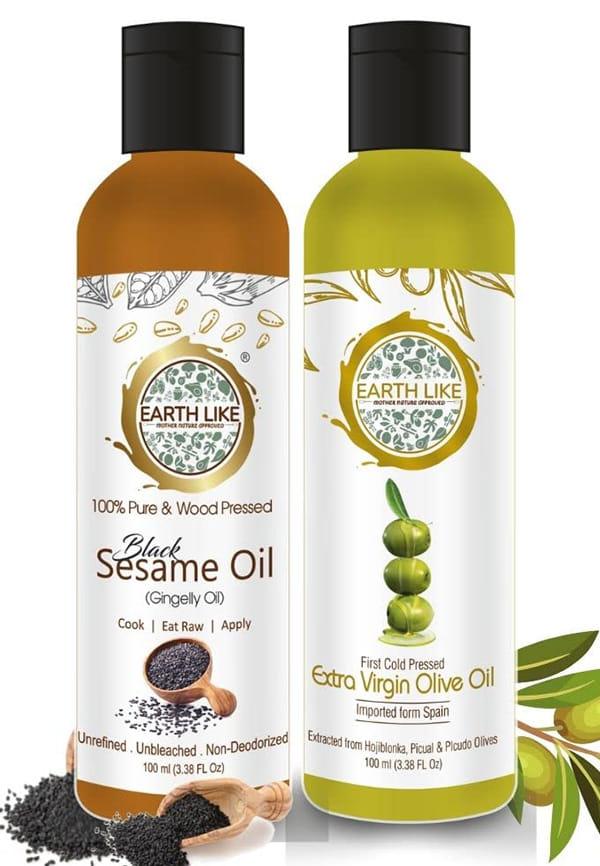
Olive Oil & Cold Pressed Black Sesame Oil Combo for Hair, Skin & Massage
Great Olive Oil for Body
4“The olive oil 🫒 is great for body”
Excellent Baby Massage Oil
5“Good for massage i am using it for my baby ”
Excellent Product and Delivery
5“nice packaging.. delivered early than expected.. useful for travelling... overall nice quality...”
Start with gentle cleansing using a mild, sulphate-free shampoo, followed by targeted treatments based on your specific issues. For inflammation, try aloe vera or chamomile tea rinses. For dryness, use coconut oil treatments twice weekly. Consistency is key—give any natural remedy at least 4-6 weeks to show results. If you're unsure about which products to try, Smytten's trial packs let you test different natural scalp treatments without committing to full-size purchases.
A 30-day scalp detox can help reset your scalp's natural balance. Week 1: Clarify with apple cider vinegar rinses every other day. Week 2: Introduce gentle exfoliation twice weekly. Week 3: Add targeted treatments for your scalp type. Week 4: Establish your long-term maintenance routine. During this period, avoid harsh styling products and heat tools as much as possible.
Focus on improving blood circulation through daily massage, ensuring adequate nutrition (especially protein, iron, and B vitamins), and protecting your scalp from environmental damage. Regular gentle exfoliation removes buildup that can weaken hair follicles, while consistent moisture balance prevents both dryness and excess oil production.
Maintain a clean, balanced scalp environment through appropriate washing frequency, regular but gentle exfoliation, and targeted treatments for your scalp type. Protect from sun damage, manage stress levels, and ensure your diet includes hair-healthy nutrients. Most importantly, be patient—healthy hair growth is a long-term commitment, not a quick fix.
Natural scalp care isn't about following the latest trends—it's about understanding your scalp's unique needs and responding with gentle, consistent care. Whether you're dealing with dryness, excess oil, or sensitivity, natural remedies offer effective solutions without the harsh side effects of chemical treatments.
Remember that scalp health is interconnected with your overall wellness. What you eat, how much you sleep, and how you manage stress all impact your scalp's condition. The most effective approach combines topical natural treatments with lifestyle factors that support healthy hair growth from within.
Start with simple changes—a daily scalp massage, switching to a gentler shampoo, or adding one targeted treatment to your weekly routine. As you begin to understand how your scalp responds to different approaches, you can refine your routine for optimal results.
Building a natural scalp care routine doesn't have to be overwhelming or expensive. The key is finding what works for your specific scalp type and sticking with it long enough to see results. Smytten makes this journey easier by offering trial packs from trusted brands, allowing you to explore different natural scalp treatments before committing to full-size products. With over 28 million users discovering their perfect hair care routine through authentic brand-verified minis, you can try before you buy and find your ideal natural scalp care solution. After all, why settle for 'maybe' when you can #TryItAll and discover what truly works for your scalp's unique needs?
