How to Boost Collagen Naturally: A Complete Guide


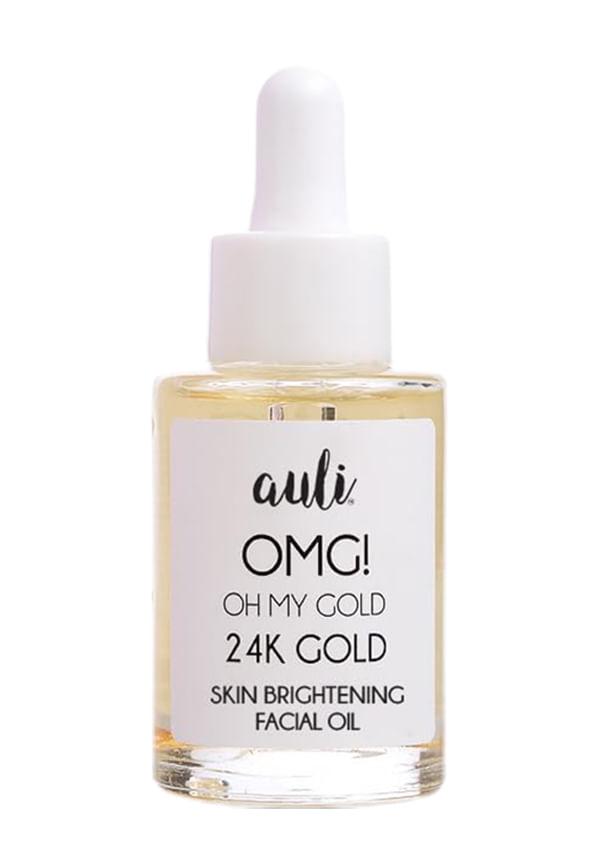
Auli OMG 24K Gold Flakes Induced Facial Oil, Prevents Ageing and Hydrates Skin - 30 gm
Let's be real—we've all stared at our reflection and wondered where that bouncy, plump skin from our teens went. The answer? Collagen. This protein powerhouse is basically your skin's best friend, keeping everything firm, smooth, and youthful. But here's the thing: your body starts slowing down collagen production in your twenties, and by your forties, you're looking at a 25% drop. Sounds dramatic, but don't panic. There are loads of natural ways to give your collagen levels the boost they need, and we're about to dive into all of them.
Think of collagen as the scaffolding that holds your skin together. It's the most abundant protein in your body, making up about 30% of all your proteins. There are actually 28 different types of collagen, but the ones you should know about are Type I (found in your skin, bones, and tendons), Type II (in your cartilage), and Type III (in your skin and blood vessels).
Your natural collagen production starts declining around age 25—yep, that early. By the time you hit 45, you've lost about a quarter of your collagen stores. The signs? Fine lines around your eyes, skin that doesn't bounce back like it used to, and maybe some joint stiffness when you get out of bed. It's not just about vanity either; collagen affects everything from your skin elasticity to your joint health.
Here's where it gets exciting—you can actually eat your way to better collagen levels. The trick is knowing which foods pack the biggest punch and how to combine them for maximum impact.
If you're not vegetarian, these are your heavy hitters for direct collagen intake:
Bone broth is basically liquid gold for your skin. One cup can give you 6-12 grams of easily absorbed collagen peptides. Make it at home by simmering chicken, beef, or fish bones for 12-24 hours with some vegetables and a splash of apple cider vinegar.
Fish and shellfish are brilliant because they provide marine collagen, which some studies suggest is more easily absorbed than other types. Plus, you're getting those omega-3 fatty acids that help reduce inflammation.
Chicken isn't just for Sunday roasts—the skin and cartilage are packed with collagen. Don't feel guilty about eating the crispy bits!
Egg whites are rich in proline, one of the amino acids your body needs to make its own collagen. They're also super versatile for breakfast or baking.
Plant-based? No worries—you can still support your body's collagen production:
Legumes and beans provide the amino acid building blocks your body needs to synthesise collagen. Think lentils, chickpeas, and black beans.
Nuts and seeds are packed with zinc and copper, minerals that are essential for collagen synthesis. Almonds, pumpkin seeds, and cashews are your friends here.
Soy products like tofu and tempeh offer complete amino acid profiles, giving your body everything it needs to build collagen from scratch.
Quinoa and hemp seeds are plant-based protein powerhouses that contain all the essential amino acids.
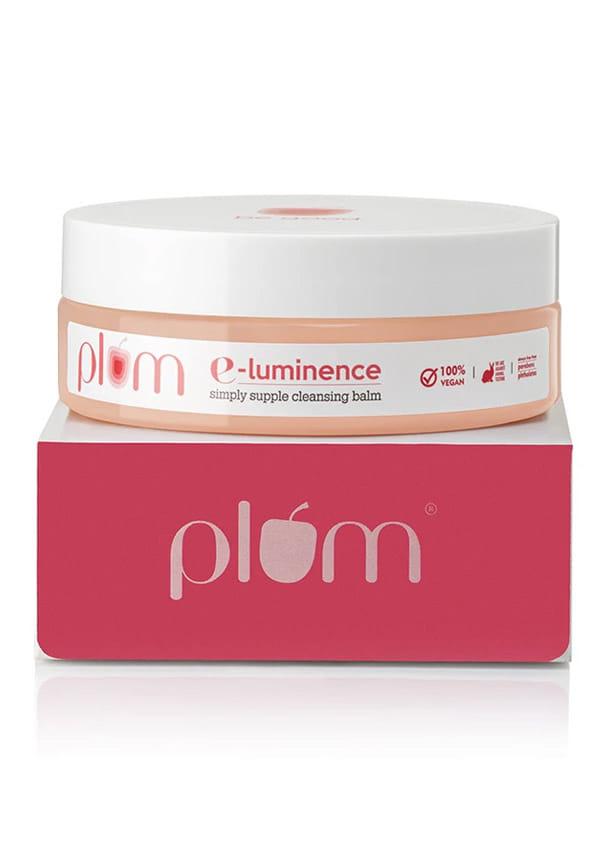
E-Luminence Simply Supple Cleansing Balm
Nice Balm, Gentle Feel
 5
5“Love it nice balm it smell so hood and feels grntle on your skin”
Nice Balm, Gentle Feel
5“Love it nice balm it smell so hood and feels grntle on your skin”
Nice Balm, Gentle Feel
5“Love it nice balm it smell so hood and feels grntle on your skin”
Here's something crucial: your body can't make collagen without vitamin C. It's like trying to bake a cake without flour—just won't work.
Citrus fruits are the obvious choice—oranges, lemons, and grapefruits are all brilliant sources.
Berries are not only delicious but packed with vitamin C and antioxidants. Strawberries, blueberries, and blackberries are perfect for smoothies or just snacking.
Bell peppers actually contain more vitamin C than oranges. The red ones are particularly potent.
Leafy greens like spinach and kale give you vitamin C plus chlorophyll, which has its own anti-ageing benefits.
Food is just one piece of the puzzle. Your lifestyle choices can either support or sabotage your collagen levels, so let's talk about what actually works.
Sometimes the best offence is a good defence. Protecting the collagen you already have is just as important as boosting production:
Daily sunscreen is non-negotiable. UV rays break down collagen faster than anything else, so SPF 30 or higher should be your daily uniform, even when it's cloudy.
Reduce sugar intake because sugar causes glycation—a process that damages collagen fibres and makes them stiff and brittle. Those afternoon biscuits might be sabotaging your skin goals.
Stay hydrated because dehydrated skin shows every line and wrinkle more prominently. Aim for at least 8 glasses of water daily to keep your skin plump and healthy.
Quality sleep is when your body does most of its repair work. Aim for 7-9 hours of proper sleep—your skin literally regenerates while you're dreaming.
Your skincare routine can be a powerful ally in your collagen-boosting journey:
Retinoids are vitamin A derivatives that stimulate collagen production. Start slowly with a low concentration and work your way up to avoid irritation.
Vitamin C serums provide topical antioxidant protection and support collagen synthesis. Look for stable forms like magnesium ascorbyl phosphate or sodium ascorbyl phosphate.
Gentle cleansing is key—harsh scrubs and strong cleansers can strip your skin's natural barrier, making it harder for your skin to maintain its collagen structure.
Facial massage improves circulation and lymphatic drainage, bringing nutrients to your skin cells and helping remove waste products.
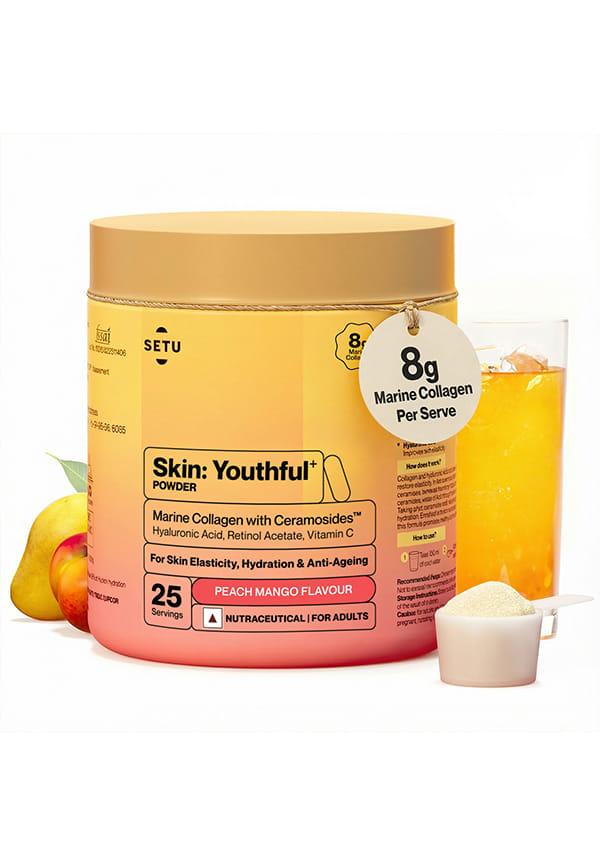
Youthful with 8g Marine Collagen + Ceramosides™ for 4X Faster Hydration
Excellent Product
5“very good product can purchase without doubt”
Holy Grail Collagen
5“due to this collagen my skin is glowing now. holy grail.”
You've probably seen collagen supplements everywhere, from powders to gummies. But are they worth it compared to getting collagen from food? The science is actually pretty interesting.
Whole foods often provide better bioavailability because they come with cofactors—other nutrients that help your body absorb and use the collagen more effectively. When you eat bone broth, you're not just getting collagen; you're getting minerals, amino acids, and other compounds that work together.
That said, collagen supplements can be convenient and concentrated. Marine collagen supplements tend to have smaller peptides that might be more easily absorbed than bovine collagen. Plant-based collagen supplements don't actually contain collagen (since plants don't make it), but they provide the building blocks your body needs to make its own.
If you do choose supplements, timing matters. Take them on an empty stomach for better absorption, and consider pairing them with vitamin C to maximise effectiveness.
Your face shows collagen loss first, so let's talk about targeted strategies to keep your complexion looking fresh and youthful.
These methods can help support your skin's natural collagen production:
Facial exercises might sound silly, but they can help tone the muscles underneath your skin, providing better support for the collagen matrix above.
Gua sha and jade rolling are ancient techniques that boost circulation, bringing nutrients to your skin cells and helping with lymphatic drainage.
DIY collagen-supporting masks using ingredients like vitamin C-rich fruits, honey, and oatmeal can provide topical nourishment.
Professional treatments like microneedling and LED light therapy can stimulate your skin's natural collagen production, though these should be done by qualified professionals.
Building a collagen-supporting diet doesn't have to be complicated. Start with these strategies:
Plan your weekly meals to include at least one collagen-rich food and one vitamin C source at each meal. Your shopping list should include bone broth ingredients, fatty fish, citrus fruits, berries, and leafy greens.
Try combining multiple collagen boosters in one meal—like a salad with grilled salmon, bell peppers, and strawberries, or a smoothie with berries, spinach, and collagen powder.
Don't forget about hydration strategies beyond water. Green tea provides antioxidants that protect existing collagen, while herbal teas can contribute to your daily fluid intake.
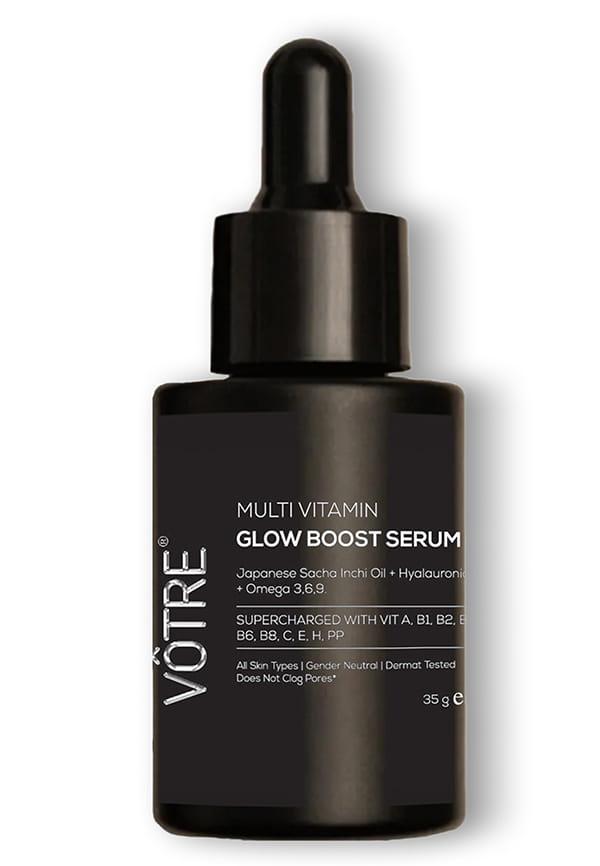
White Essence® Luminous Brightening Face Serum | Encapsulated Alpha Arbutin, Vitamin C & Hyaluronic Acid | For Brighter Looking Skin, Skin Clarity &
Let's set realistic expectations about what natural collagen boosting can do for you. This isn't about overnight transformations—it's about gradual, sustainable improvements.
For skin elasticity improvements, you might start noticing subtle changes after 6-8 weeks of consistent effort. Your skin might feel more hydrated and look slightly plumper. The real improvements typically show up around the 3-6 month mark.
Joint health benefits often appear sooner than skin changes. You might notice less stiffness in the morning or after sitting for long periods within a few weeks of increasing your collagen intake.
Hair and nail strength are bonus benefits that many people notice. Your nails might grow faster and break less, while your hair could become shinier and stronger.
Gut health is another unexpected benefit—collagen helps maintain the integrity of your intestinal lining, which can improve digestion and reduce inflammation throughout your body.
When it comes to trying new anti-ageing skincare products, platforms like Smytten make it easier to discover what works for your skin without the commitment of full-size purchases. With trial packs from trusted brands like Dot & Key and Cetaphil, you can explore different collagen-supporting serums and treatments before investing in the full-size versions. This approach helps you make smarter, more confident choices about your skincare routine.
Bone broth contains the highest direct collagen content, providing 6-12g per cup of easily absorbed collagen peptides. Fish with skin and chicken cartilage are also excellent sources.
Combine vitamin C-rich foods like citrus fruits and berries with collagen-containing foods like bone broth and fish, while protecting existing collagen with daily SPF and reduced sugar intake.
Bone broth is the top collagen-boosting beverage, providing direct collagen intake. Green tea and vitamin C-rich smoothies also support natural collagen production.
Focus on vitamin C foods like oranges and bell peppers, protect with sunscreen daily, get quality sleep, stay hydrated, and include collagen-rich foods like fish and egg whites in your diet.
Simmer animal bones (chicken, beef, or fish) for 12-24 hours with vegetables and apple cider vinegar to extract collagen into homemade bone broth. This creates a nutrient-rich liquid packed with bioavailable collagen.
Boosting collagen naturally isn't about finding one magic solution—it's about creating a lifestyle that supports your body's natural processes. From eating collagen boosting foods and protecting your skin from UV damage to getting enough sleep and staying hydrated, every small choice adds up to bigger results over time.
Remember, your skin is unique, and what works brilliantly for your friend might not be your cup of tea. That's where trial and experimentation become your best friends. Whether you're exploring new vitamin C serums or trying different collagen-rich recipes, the key is consistency and patience. Your skin didn't lose its collagen overnight, and it won't bounce back overnight either—but with the right approach, you can definitely help it along the way.
