Skincare
•09 min read

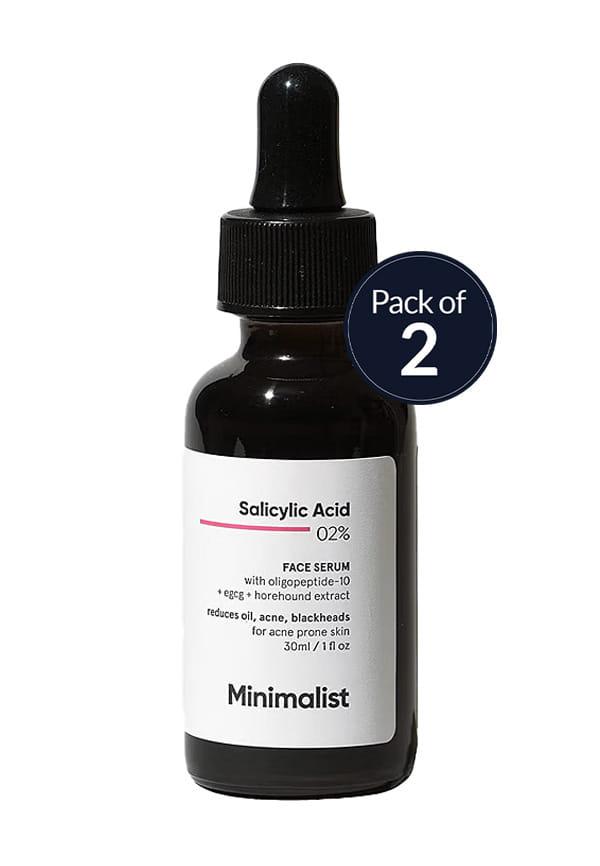
2% Salicylic Acid Serum For Acne, Blackheads & Open Pores
Let's be real—blackheads are the uninvited guests that just won't leave your skin alone. You've probably tried everything from pore strips to DIY masks, only to watch those stubborn dark spots make a comeback within days. But here's where salicylic acid steps in as your skin's new best mate. This powerhouse ingredient doesn't just tackle blackheads on the surface; it dives deep into your pores to tackle the root cause. Think of it as the difference between sweeping dust under the rug versus actually hoovering it up properly. Ready to discover how salicylic acid for blackheads removal deep dive can transform your skincare game? Let's get into it.
Salicylic acid isn't just another trendy skincare ingredient—it's a scientifically-backed solution that actually works. Unlike other exfoliating acids that only work on the skin's surface, this clever little molecule has a unique superpower: it's oil-soluble, which means it can slip right through the oily sebum clogging your pores.
Here's the fascinating bit: salicylic acid can penetrate up to 0.06mm deep into your pores. That might sound tiny, but it's exactly the depth needed to reach where blackheads form. This exfoliating acid works by dissolving the bonds between dead skin cells and breaking down the sebum that's creating those pesky clogs. What sets it apart from other acids like glycolic or lactic acid is its molecular structure. While AHAs (alpha hydroxy acids) are water-soluble and work brilliantly on the skin's surface, salicylic acid is a BHA (beta hydroxy acid) that can navigate through oil. It's like having a key that fits perfectly into the lock of your clogged pores.
Pore strips might give you that satisfying instant gratification, but they're basically just pulling out the visible tip of the iceberg. The deeper sebum plugs remain untouched, which is why your blackheads return so quickly. Physical extraction, whether done at home or professionally, can also be harsh and may damage surrounding skin tissue. The real issue with surface-level treatments is that they don't address the ongoing cycle of blackhead formation. Your pores continue producing oil and shedding dead skin cells, so without proper deep pore cleansing, you're stuck in an endless loop of temporary fixes.
Now that you understand the science, let's talk about putting it into practice. Using salicylic acid effectively isn't just about slapping it on your face and hoping for the best—there's a proper method to maximise its blackhead-busting potential. The key to successful acne treatment with salicylic acid lies in consistency and patience. Unlike harsh scrubs that promise instant results, this approach focuses on gradual, sustainable improvement that actually lasts.
If you're new to salicylic acid, start with 0.5% to let your skin adjust. This gentler concentration is perfect for sensitive skin types or those who've never used chemical exfoliants before. Once your skin builds tolerance (usually after 2-3 weeks), you can graduate to 1-2% formulations. For moderate blackhead concerns, 1-2% concentrations offer the sweet spot between effectiveness and gentleness. Professional-strength options (above 2%) should only be considered under dermatological guidance, as they can cause significant irritation if used incorrectly.
Timing matters when it comes to salicylic acid application. Evening use is generally recommended since some formulations can increase sun sensitivity. Start by applying it every other night, gradually increasing to nightly use as your skin adapts. When layering with other skincare products, remember the golden rule: thinnest to thickest consistency. Apply salicylic acid after cleansing but before moisturiser. Wait about 10-15 minutes between application and your next product to allow proper absorption.
Begin with a gentle, oil-based cleanser to remove makeup and surface impurities. Follow with a water-based cleanser to ensure your skin is properly prepped for the salicylic acid treatment. This double-cleansing method, popularised by Korean skincare routines, ensures maximum penetration. Post-treatment care is crucial for maintaining healthy skin barrier function. Always follow up with a lightweight, non-comedogenic moisturiser to prevent over-drying, which can actually trigger more oil production and worsen blackheads.
Not all blackheads are created equal, and different areas of your face might need tailored approaches. Understanding your specific blackhead patterns helps you choose the most effective products and application methods. The beauty of modern skincare is that you can customise your routine based on your unique needs. Some people struggle primarily with nose blackheads, while others deal with widespread blemish control issues across their entire face.
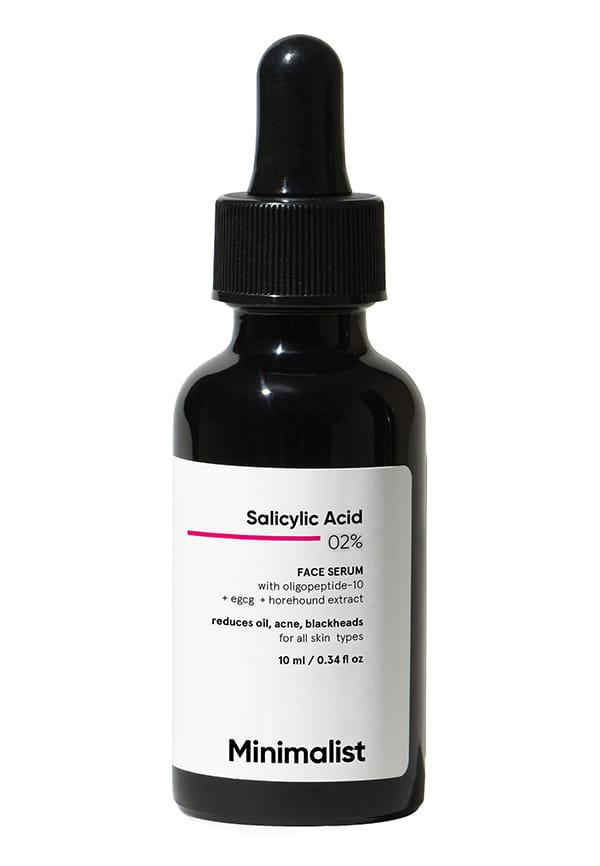
2% Salicylic Acid Serum For Acne, Blackheads & Open Pores
The nose area tends to have larger pores and higher oil production, making it a blackhead hotspot. Concentrated serums work brilliantly here because you can apply them precisely where needed without affecting the rest of your face. For stubborn nose blackheads, consider using a higher concentration product specifically on this area while using a gentler formula elsewhere. Spot treatment techniques involve applying a small amount directly to affected pores and leaving it on overnight. To remove blackheads from nose at home safely, consistency trumps intensity. Daily gentle treatment with 1-2% salicylic acid will yield better long-term results than aggressive weekly treatments.
When dealing with widespread acne concerns, a comprehensive approach works best. Multi-step routines that combine salicylic acid with complementary ingredients like niacinamide can address both current breakouts and prevent future ones. Combining BHA with soothing ingredients like green tea extract helps minimise potential irritation while maintaining effectiveness. This approach supports long-term blemish control without compromising your skin's health.
Once you've mastered the basics, there are several advanced techniques to enhance your results. These methods focus on optimising penetration and combining salicylic acid with other beneficial ingredients for comprehensive pore cleansing. The goal isn't to use more product or higher concentrations—it's about creating the ideal conditions for salicylic acid to work its magic. Think of it as fine-tuning your approach rather than completely overhauling it.
Proper skin preparation can significantly improve how well salicylic acid penetrates your pores. The double cleansing method we mentioned earlier isn't just trendy—it's scientifically sound. Oil-based cleansers dissolve makeup and sebum, while water-based cleansers remove any remaining impurities. Steam treatments or warm compress techniques can temporarily open pores, allowing better product penetration. However, avoid overdoing this—once or twice weekly is plenty. Too much heat can actually irritate skin and cause broken capillaries. Using an exfoliating toner before your salicylic acid treatment can also improve absorption. Look for gentle formulations with low concentrations of AHAs that won't compete with your BHA treatment.
Some ingredients play beautifully with salicylic acid, while others can cause irritation or reduce effectiveness. Niacinamide is a fantastic partner—it helps regulate oil production and reduces inflammation without interfering with salicylic acid's exfoliating action. Hyaluronic acid and ceramides are excellent for maintaining hydration while using exfoliating treatments. They help prevent the over-drying that can sometimes occur with regular salicylic acid use. Avoid combining salicylic acid with retinoids, vitamin C, or other strong actives in the same routine. These combinations can cause irritation and may reduce the effectiveness of both ingredients.
Even the best skincare ingredients can sometimes cause unexpected reactions or fail to deliver the results you're hoping for. Understanding how to navigate these challenges ensures you get the most from your salicylic acid routine without compromising your skin's health. The key is learning to distinguish between normal adjustment periods and genuine problems that require intervention. Most people experience some initial changes when starting salicylic acid, but knowing what's normal helps you make informed decisions.
Initial purging is completely normal when you start using salicylic acid. This temporary increase in breakouts occurs because the acid is bringing deeper clogs to the surface faster than usual. Purging typically lasts 4-6 weeks and affects areas where you normally break out. Adverse reactions, on the other hand, involve new breakouts in areas where you don't typically have issues, excessive redness, or persistent stinging. If you experience these symptoms, reduce frequency or concentration, and consider consulting a dermatologist. Adjusting your routine based on your skin's response is crucial. Some people can use salicylic acid daily from the start, while others need to build up tolerance gradually over several weeks.
Some blackheads are particularly stubborn and may require professional intervention. Dermatologists can perform safe extractions or recommend prescription-strength treatments for severe cases. For at-home intensive protocols, consider using salicylic acid in combination with gentle physical exfoliation once weekly. A soft-bristled cleansing brush or konjac sponge can help remove loosened debris without causing damage. Realistic timeline expectations are important—extremely deep blackheads may take 3-6 months of consistent treatment to fully resolve. Patience and consistency yield better results than aggressive approaches.
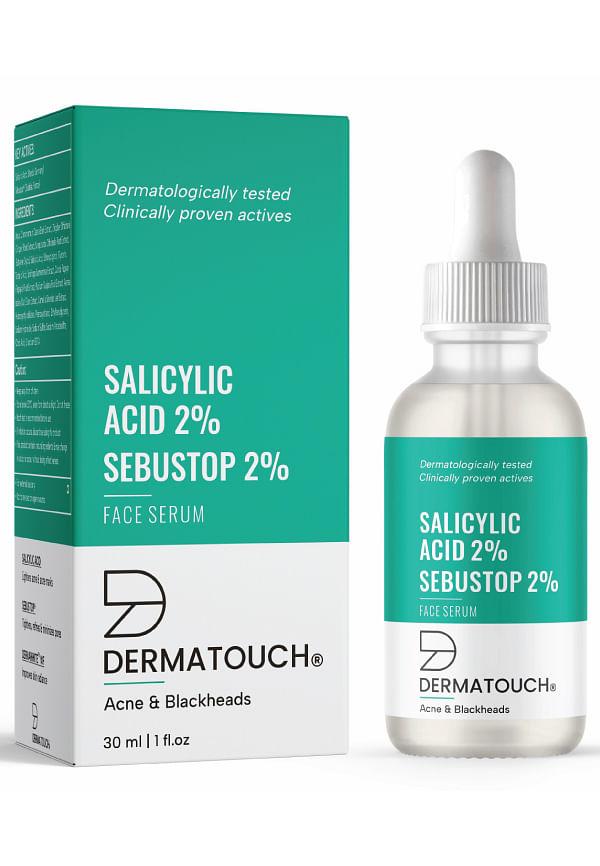
DERMATOUCH Salicylic Acid 2% Seboclear 1% Serum| For Acne & Blackheads | Specially for Acne-prone & Oily Skin | 30ml
Successful blackhead management isn't just about treatment—it's about creating a sustainable routine that prevents future formation while maintaining healthy skin. This long-term approach ensures you won't find yourself back at square one in a few months. Prevention strategies focus on maintaining optimal pore health through consistent care rather than reactive treatments. Think of it as maintaining a garden rather than constantly weeding an overgrown plot.
Once you've achieved your desired results, transitioning to a maintenance routine helps preserve your progress. This might involve reducing salicylic acid frequency to 2-3 times weekly while maintaining other supportive skincare practices. Lifestyle factors play a significant role in blackhead formation. Regular pillowcase changes, avoiding touching your face, and maintaining a balanced diet can all contribute to clearer skin. Hormonal fluctuations, stress levels, and sleep quality also impact your skin's oil production. Seasonal adjustments to your regimen account for changing environmental conditions. You might need more intensive treatment during humid summer months or additional hydration during dry winter periods.
Knowing when to consult a dermatologist can save you time, money, and potential skin damage. If you've been consistent with salicylic acid treatment for 3-4 months without significant improvement, professional guidance might be needed. Cost-effective home care strategies focus on quality over quantity. Investing in a few well-formulated products often yields better results than using numerous mediocre ones. This is where platforms like Smytten become invaluable—you can try different salicylic acid formulations through trial packs before committing to full-size purchases. Monitoring your progress through photos and notes helps you make informed decisions about adjusting your routine. What works for your friend might not work for you, so personalising your approach based on your skin's specific responses is crucial.
Absolutely! Salicylic acid is particularly effective for deep blackheads because it's oil-soluble and can penetrate up to 0.06mm deep into pores. This allows it to dissolve the sebum and dead skin cells that create stubborn clogs, unlike surface treatments that only address the visible portion.
You'll typically notice initial improvements within 2-4 weeks of consistent use. Significant blackhead reduction usually becomes visible after 6-8 weeks, with optimal results achieved after 3-4 months of regular treatment. Remember, patience and consistency are key.
Beginners should start with 0.5-1% concentrations to build tolerance. Most people find 1-2% formulations effective for moderate blackhead concerns. Higher concentrations should only be used under professional guidance, as they can cause irritation.
Many people can use salicylic acid daily once their skin has adjusted, but it's best to start with every other day application. Monitor your skin's response and adjust frequency accordingly. Some people find 3-4 times weekly sufficient for maintenance.
Evening application is generally recommended, especially when starting out. Some salicylic acid formulations can increase sun sensitivity, and nighttime use allows the ingredient to work without interference from makeup or environmental factors.
Salicylic acid truly is a game-changer for blackhead removal when used correctly. The key lies in understanding that effective treatment requires patience, consistency, and the right approach for your skin type. Unlike quick fixes that provide temporary relief, salicylic acid addresses the root cause of blackheads by penetrating deep into pores and preventing future formation. Starting with the appropriate concentration and gradually building tolerance ensures you get maximum benefits without irritation. Remember that combining salicylic acid with proper cleansing techniques and complementary ingredients can enhance results while maintaining skin health. For those looking to explore different salicylic acid formulations without the commitment of full-size purchases, Smytten offers an ideal solution. With curated trial packs from trusted brands, you can discover which products work best for your skin before investing in larger sizes. The platform's approach of letting you try multiple formulations for just ₹249, with 100% cashback redeemable for future purchases, makes finding your perfect blackhead-fighting routine both affordable and risk-free. After all, why settle for maybe when you can try it all and find what actually works for your unique skin needs?
