How to Avoid the Potential Side Effects of Rice Water on Face

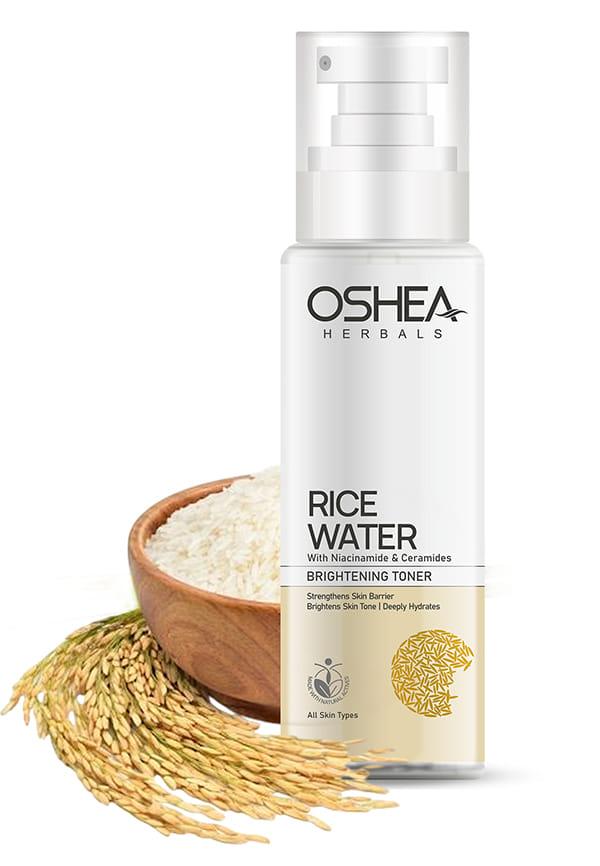
Rice Water Brightening Toner
Excellent Product
 5
5“toooooooo much good product thanks”
Excellent Product
5“toooooooo much good product thanks”
Rice water has become quite the skincare sensation lately, and honestly, we get why. This humble kitchen ingredient promises everything from rice water skin brightening to improved texture, making it tempting to dive straight into a rice water facial routine. But here's the thing—while rice water benefits for skin are real, there are some potential bumps along the way that nobody really talks about. Let's be real: understanding the side effects of rice water on face is just as important as knowing its benefits. Think of this as your friend looking out for you before you try something new.
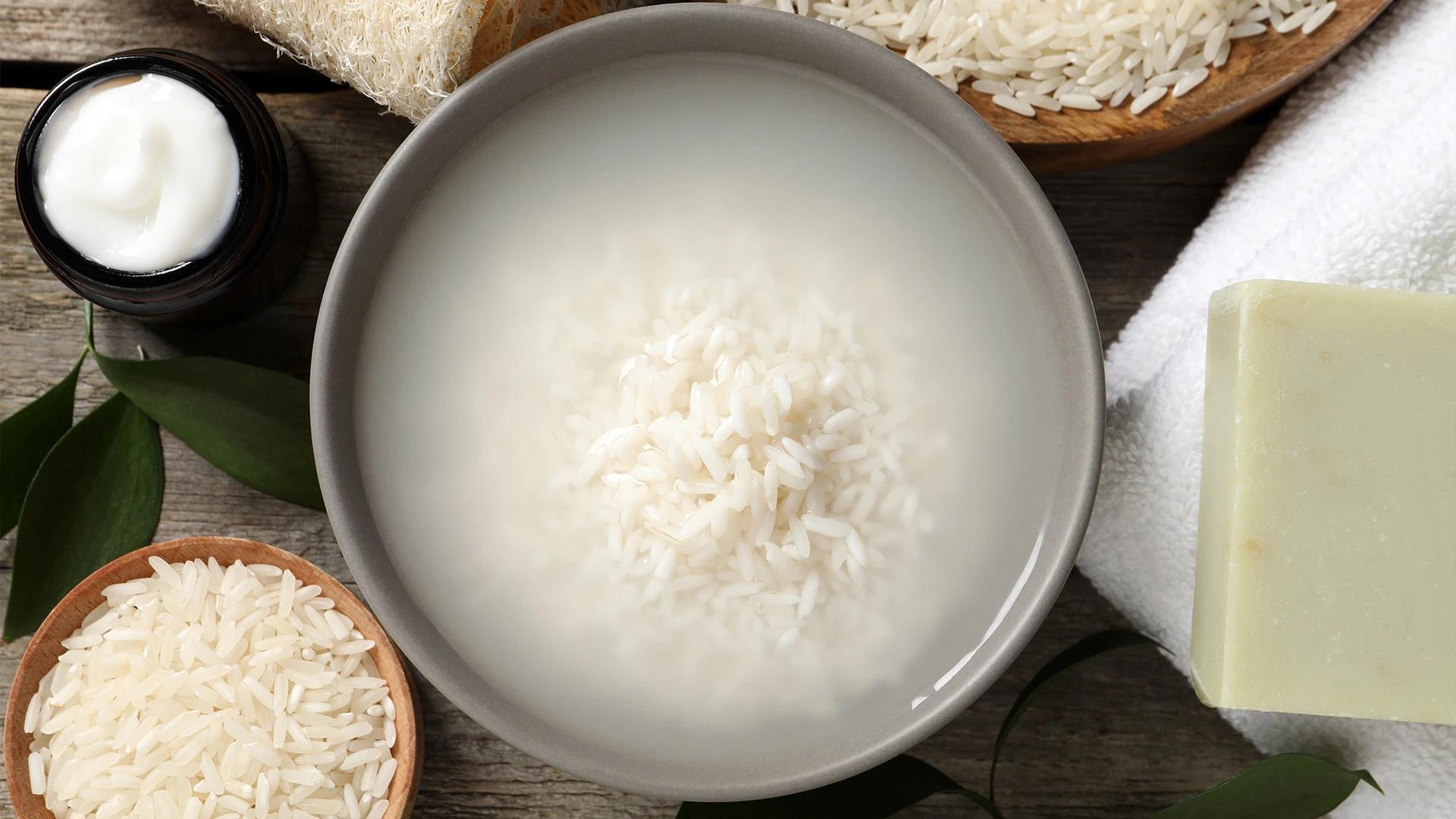
Before we dive into the potential hiccups, let's chat about what makes rice water for face treatments so appealing in the first place. Rice water contains amino acids, vitamins B and E, minerals, and antioxidants that can genuinely benefit your skin. The starch content is what gives it that slightly milky appearance and contributes to its potential rice water skin hydration properties.
When you apply rice water to your face, these compounds interact with your skin barrier. The amino acids can help with rice water skin rejuvenation, while the vitamins work on improving overall skin health. However, this interaction isn't always smooth sailing for everyone—your skin's pH, existing conditions, and sensitivity levels all play a role in how well you'll get along with this trendy ingredient.
Let's get into the nitty-gritty of what could go wrong with your rice water skin care routine. Don't worry—most of these are totally avoidable with the right approach.
This is probably the most common issue people face when starting their rice water journey. Your skin might react with redness, tingling, or that uncomfortable tight feeling. This usually happens when the rice water is too concentrated or when your skin barrier is already compromised.
Some people are genuinely allergic to rice proteins, and applying rice water can trigger anything from mild irritation to more serious reactions like swelling or persistent redness. If you've ever had issues with rice-based products before, this is definitely worth considering.
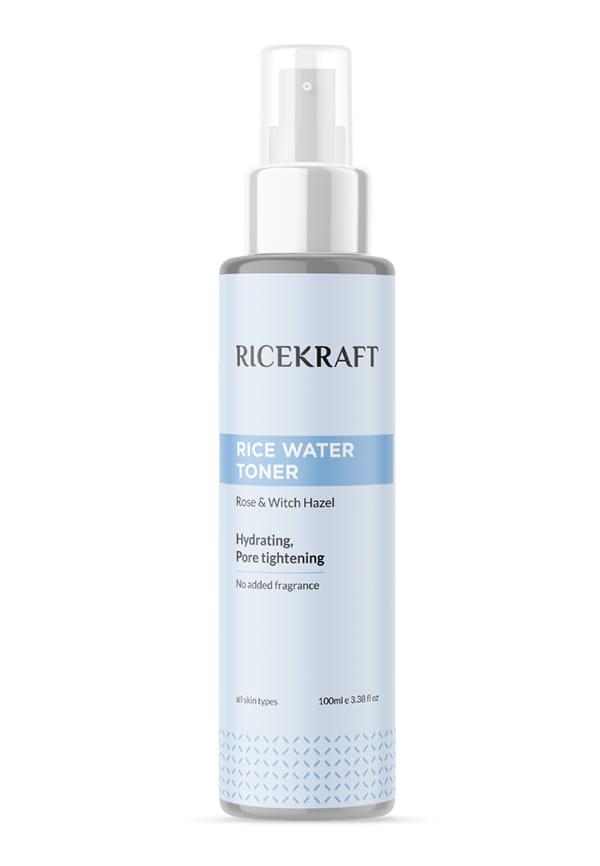
Rice Water Toner
Good Rice Water Toner
5“rice water is very good for the skin and this toner is also very good”
Soft & Bright Skin
5“makes my skin soft and bright non drying”
Here's something that might surprise you—rice water can sometimes contribute to breakouts. The starch content, while great for some skin benefits, can potentially clog pores if not properly diluted or if your skin doesn't play well with heavier textures.
Ironically, while rice water is often touted for rice water skin hydration, it can sometimes have the opposite effect. Using it too frequently or in too high a concentration can disrupt your skin's natural moisture balance, leaving you feeling drier than before.
This one's a bit sneaky—some of the compounds in rice water can make your skin more sensitive to UV rays. It's not as dramatic as some chemical exfoliants, but it's still worth being extra careful about sun protection when incorporating rice water into your routine.
Now that we've covered what could go wrong, let's talk about how to do things right. The key to avoiding most side effects of rice water on face treatments lies in proper preparation and application.
Start with a 1:3 dilution ratio—one part rice water to three parts regular water. This might seem overly cautious, but trust us, it's better to start gentle and work your way up. For your first few tries, limit application to once or twice a week max. You can always increase frequency later if your skin is loving it.
Storage is crucial too. Fresh rice water should be used within 24-48 hours and kept refrigerated. Fermented rice water lasts a bit longer but can become too acidic if left too long, which increases irritation risk.
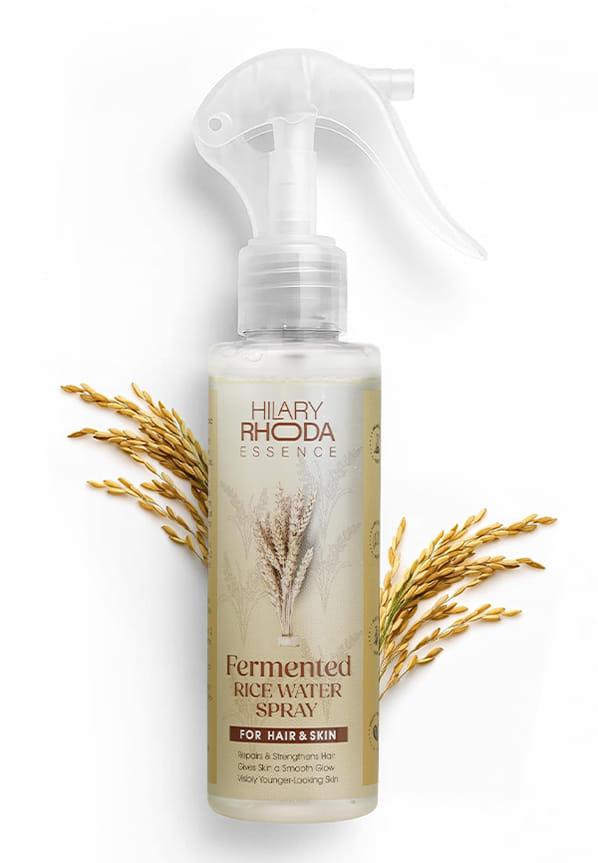
Essence Fermented Rice Water Spray
Enhances Overall Skin Glow
5“No words can define glow of overall skin glow after using this”
Very Nice Product
4“very nice 👍🏼👍🏼👍🏼👍🏼👍🏼👍🏼”
Let's be honest—rice water isn't for everyone, and that's totally fine. If you have extremely sensitive skin, conditions like eczema or rosacea, or a history of food allergies (especially to grains), you'll want to be extra careful.
People with oily, acne-prone skin should also proceed with caution. While rice water can help with rice water skin texture improvement, the starch content might not play well with already congested pores. If you're dealing with active breakouts, it might be worth sorting those out first before adding rice water to the mix.
The golden rule of trying any new skincare ingredient applies here: patch testing is your best friend. Apply a small amount of diluted rice water to your inner wrist or behind your ear and wait 24-48 hours to see how your skin reacts.
When you do start incorporating rice water into your routine, introduce it gradually. Start with once a week, then slowly increase if your skin is happy. Pay attention to how your skin feels not just immediately after application, but over the following days too.
Keep a skincare diary during your first month of using rice water. Note any changes in your skin's texture, hydration levels, or sensitivity. This will help you spot patterns and adjust your routine accordingly.
If rice water doesn't turn out to be your skin's cup of tea, don't worry—there are plenty of other natural options that might work better for you. Oatmeal water offers similar soothing properties with less risk of irritation. Green tea toners can provide antioxidant benefits without the starch content that sometimes causes issues with rice water.
For those specifically looking for rice water skin brightening effects, vitamin C serums or liquorice root extract might be safer alternatives. These ingredients have solid research backing their brightening claims and are generally better tolerated by sensitive skin types.
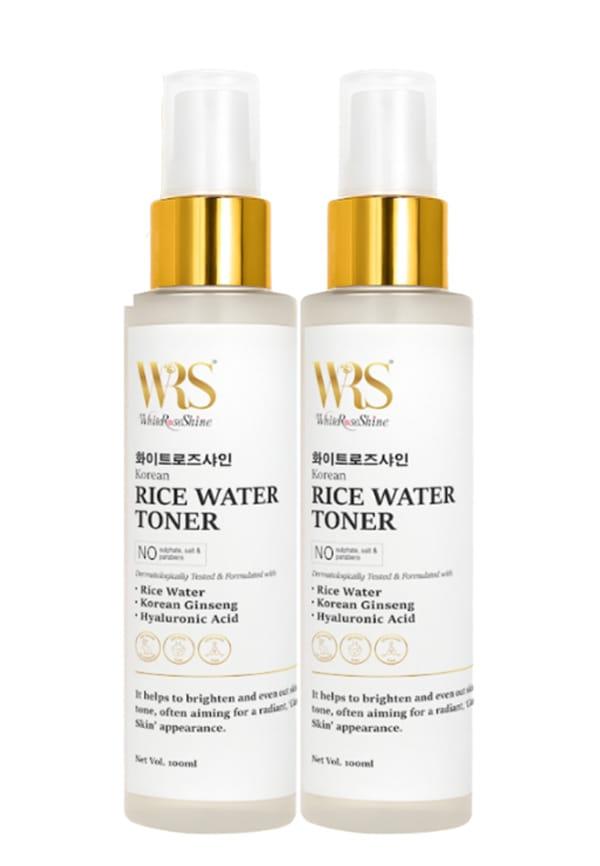
Korean Rice Water Toner
The beauty of exploring skincare alternatives is that you can discover what truly works for your unique skin needs. Platforms like Smytten make this exploration both affordable and low-risk by offering curated trial packs from trusted skincare brands. With access to mini-sized products from over 1,500 brands, you can test different approaches to rice water skin tightening and rice water skin tone improvement without committing to full-size products that might not work for you.
Yes, rice water can potentially cause breakouts, especially if it's not properly diluted or if you have acne-prone skin. The starch content can clog pores in some people. Always start with a diluted version and monitor your skin's response.
For beginners, once or twice a week is plenty. You can gradually increase to every other day if your skin tolerates it well, but daily use isn't necessary and might lead to irritation.
Watch out for persistent redness, burning, itching, increased breakouts, or unusual dryness. If you experience any of these symptoms, stop using rice water immediately and give your skin time to recover.
Not really. While many people can use rice water safely, those with very sensitive skin, grain allergies, or certain skin conditions should be extra cautious. When in doubt, consult with a dermatologist before starting.
Rice water can be a lovely addition to your skincare routine when used thoughtfully and safely. The key is understanding that even natural ingredients can have side effects and taking the time to introduce them properly. Your skin is unique, and what works for your friend or favourite influencer might not work for you—and that's completely normal.
Remember, skincare is all about finding what makes your skin happy and healthy. If rice water doesn't turn out to be your thing, there are countless other options to explore. The most important thing is listening to your skin and being willing to adjust your routine based on how it responds. With platforms offering trial-sized products from trusted brands, you can explore different skincare approaches without the commitment or cost of full-size products, making your journey to better skin both exciting and budget-friendly.
