How to Avoid Kojic Acid Side Effects for Radiant Skin


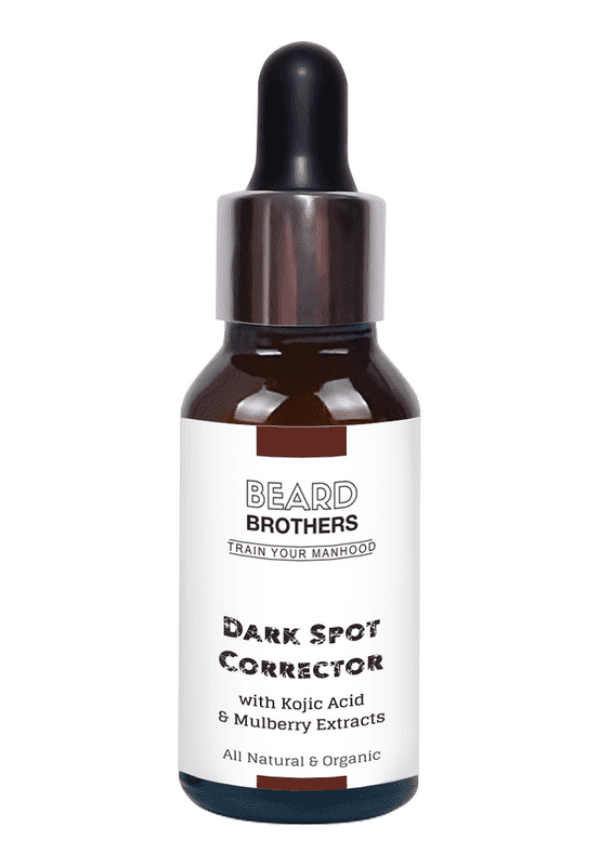
Dark Spot Corrector Serum with Kojic Acid and Mulberry extracts for Men
Kojic acid has become quite the skincare superstar, especially if you're dealing with dark spots or uneven skin tone. This naturally derived ingredient promises brighter, more radiant skin, but like any powerful skincare active, it comes with potential kojic acid side effects that you need to know about. The good news? Understanding these risks and knowing how to use kojic acid safely can help you get all the benefits without the drama. Let's dive into everything you need to know about keeping your skin happy while achieving that glow you're after.
Kojic acid is a natural byproduct of fermented rice, originally discovered during the sake-making process in Japan. This gentle yet effective ingredient has made its way into countless kojic acid products because of its impressive ability to inhibit melanin production—the stuff that causes dark spots and uneven pigmentation.
The science behind kojic acid for skin is pretty fascinating. It works by blocking tyrosinase, an enzyme that's essential for melanin synthesis. When this enzyme gets blocked, your skin produces less pigment, which means those stubborn dark spots start to fade over time. That's why you'll find kojic acid in everything from serums to cleansers, all promising that coveted bright, even complexion.
Kojic acid benefits extend beyond just spot treatment. Here's what makes it so popular:
Effective treatment for kojic acid hyperpigmentation issues like melasma and age spots
Gentle enough for regular use when formulated correctly
Works well with other skincare ingredients like vitamin C and niacinamide
Provides gradual, natural-looking kojic acid brightening results
Real talk—while kojic acid is generally considered safe, it's not without its potential downsides. Understanding these kojic acid side effects helps you spot trouble early and adjust your routine accordingly.
The most common issue people face is skin sensitivity and irritation. You might notice some redness, stinging, or a burning sensation, especially when you first start using kojic acid products. This usually happens because your skin needs time to adjust to the ingredient, but it can also signal that the concentration is too high for your skin type.
Contact dermatitis is basically your skin's way of saying "nope" to an ingredient. With kojic acid, this might show up as:
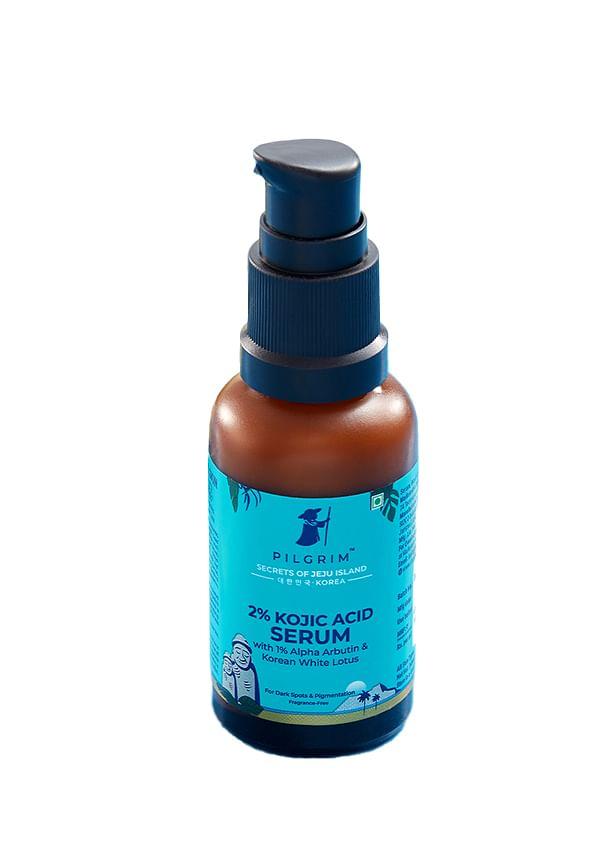
2% Kojic Acid Serum For Dark Spots & Pigmentation
Persistent redness and swelling
Itchy, flaky patches
Small bumps or blisters
Skin that feels tight or uncomfortable
Here's something crucial—kojic acid can make your skin more sensitive to UV rays. This means you're at higher risk for sunburn and potentially more pigmentation issues if you're not careful with sun protection. It's a bit ironic since you're using kojic acid to fix pigmentation problems in the first place.
Certain skin types and conditions make you more likely to experience side effects. If you have sensitive skin, eczema, or rosacea, you'll want to be extra cautious. People with darker skin tones should also pay attention, as they might be more prone to post-inflammatory hyperpigmentation if irritation occurs.
The key to successful kojic acid skin care is all about smart, gradual introduction. Think of it like training for a marathon—you wouldn't run 26 miles on your first day, right? Same principle applies here.
Start with a patch test every single time you try a new kojic acid product. Apply a small amount to your inner forearm or behind your ear, then wait 24-48 hours to see how your skin reacts. If there's no irritation, you're probably good to go, but still start slowly.
When it comes to application, less is definitely more at first:
Begin with using kojic acid products every other day or even twice a week
Apply to clean, dry skin
Use a pea-sized amount for your entire face
Always follow with a moisturiser to prevent dryness
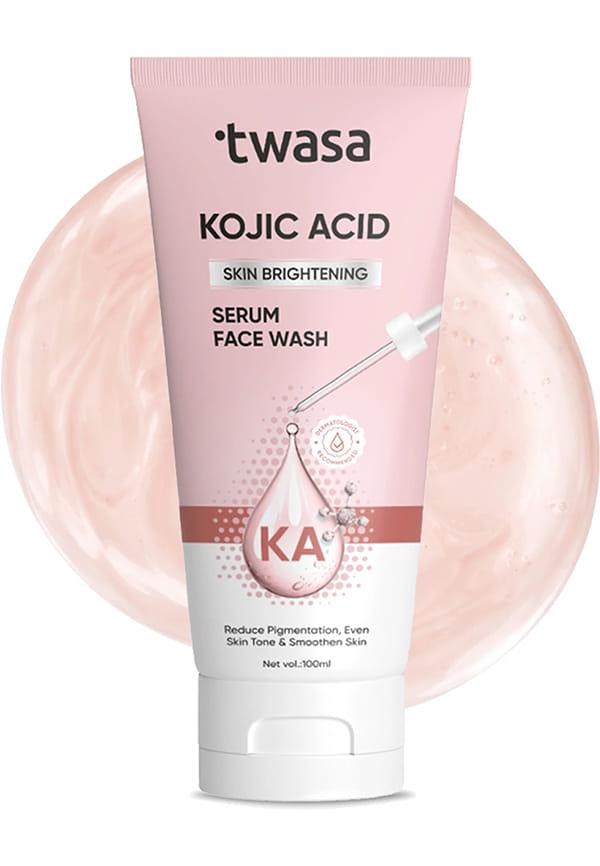
Kojic Acid For Dark Spots, Even Skin Tone & Pigmentation
This cannot be emphasised enough—daily sunscreen is non-negotiable when using kojic acid. Choose a broad-spectrum SPF 30 or higher, and reapply throughout the day if you're spending time outdoors. Consider wearing a hat and seeking shade during peak sun hours too.
Finding the sweet spot for kojic acid uses depends on your skin's tolerance and the product concentration. Most over-the-counter products contain 1-4% kojic acid, which is generally safe for home use. However, higher concentrations should only be used under professional guidance.
For daily use, stick to lower concentrations and pay attention to how your skin responds. If you notice any persistent irritation, scale back the frequency or take a break altogether. Your skin will tell you what it needs if you listen.
Smart ingredient pairing can actually enhance kojic acid effectiveness while reducing side effects:
Hyaluronic acid helps maintain moisture and reduces irritation
Niacinamide can calm inflammation and strengthen your skin barrier
Vitamin E provides antioxidant protection
Avoid mixing with strong acids like glycolic or tretinoin initially
If you experience severe burning, persistent redness, or any signs of an allergic reaction, stop using the product immediately and consider seeing a skin specialist. They can help determine if kojic acid is right for your skin type and recommend safer alternatives if needed.
Sometimes kojic acid just isn't the right fit, and that's perfectly fine. There are plenty of other brightening ingredients that might work better for your skin. Vitamin C, arbutin, and licorice root extract are all gentler alternatives that can provide similar benefits with fewer side effects.
The beauty of modern skincare—and platforms like Smytten—is that you can explore different options without committing to full-size products. With access to trial packs from trusted brands, you can test what works for your unique skin needs before making bigger purchases.
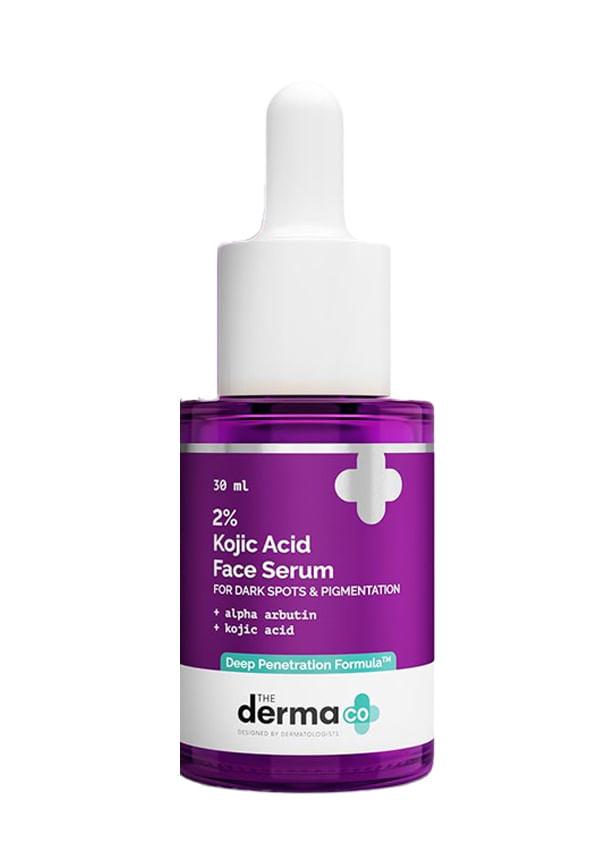
2% Kojic Acid Face Serum with 1% Alpha Arbutin & Niacinamide
For most people, yes, but it depends on the concentration and your skin's tolerance. Start with every other day and gradually increase frequency if your skin handles it well.
If you have eczema or very sensitive skin, kojic acid might cause irritation. Always patch test first and consider consulting a dermatologist before adding it to your routine.
While kojic acid is generally considered safe, it's always best to check with your healthcare provider before using any new skincare ingredients during pregnancy or whilst breastfeeding.
Stop using the product immediately, gentle cleanse the area, and apply a soothing moisturiser. If symptoms persist or worsen, consult a dermatologist.
Most people start seeing improvements in 4-6 weeks with consistent use. Remember, patience is key with any pigmentation treatment.
Understanding kojic acid safety is all about being informed and listening to your skin. While this ingredient can be incredibly effective for treating hyperpigmentation and achieving brighter skin, it's not a one-size-fits-all solution. The key is starting slowly, using proper sun protection, and being honest about how your skin responds.
Reading kojic acid reviews and doing your research helps, but remember that everyone's skin is different. What works brilliantly for your friend might not be your skin's cup of tea, and that's completely normal. Smytten's trial platform lets you explore kojic acid products from trusted brands like Dot & Key and others, helping you discover what truly works for your skin without the guesswork. With over 25 million users finding their perfect skincare matches through trial packs, you can make confident choices about your skincare routine. After all, why settle for 'maybe' when you can try it all and find what actually works for you?
