How to Apply Sunscreen Correctly for Maximum Sun Protection


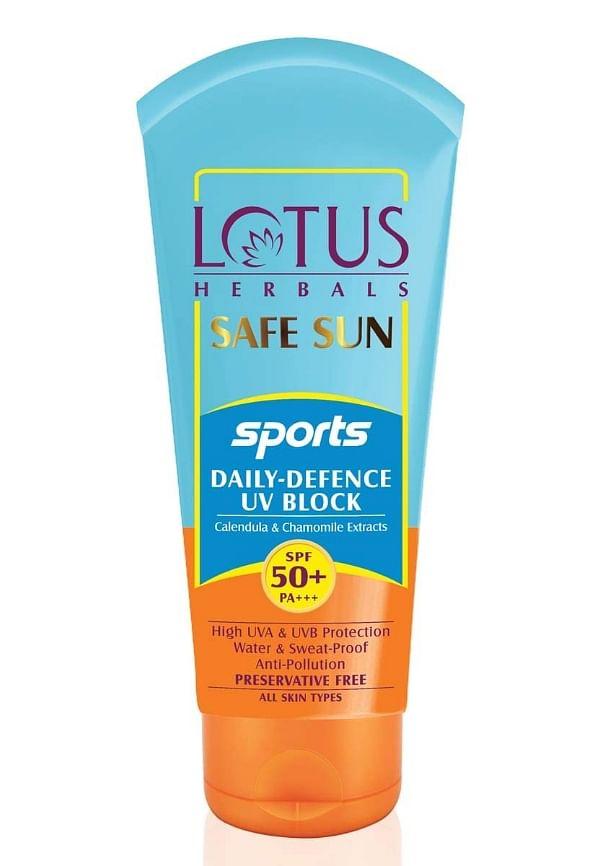
Safe Sun Sports Daily-Defence UV Block Sunscreen SPF 50+
Picture this: you've diligently applied your sunscreen every morning, yet you're still dealing with dark spots, premature fine lines, or that dreaded post-holiday sunburn. The culprit? It's likely not your SPF choice, but how you're applying it. Real talk – most of us think we're sunscreen pros, but we're actually missing crucial steps that leave our skin vulnerable to UV damage. Whether you're prepping for Mumbai's scorching summer or simply want to protect your skin during those AC-to-auto commutes, mastering proper sunscreen application is your first line of defence against sun damage.
Getting your sunscreen application right isn't just about slapping on some cream and hoping for the best. It's a methodical process that starts before you even open that tube. Think of it as building a protective shield – every step matters, and skipping one can leave gaps in your defence.
Before you reach for your sunscreen, your skin needs to be properly prepped. Start with a gentle cleanser to remove any overnight buildup, then follow with your regular moisturiser. This creates a smooth, hydrated base that helps your sunscreen spread evenly and bond effectively with your skin. Wait about 5-10 minutes for your moisturiser to fully absorb – rushing this step can cause your sunscreen to pill or apply unevenly.
Here's where most people go wrong – they simply don't use enough product. For your face and neck, you need about a quarter teaspoon, which translates to roughly two finger-lengths of product squeezed onto your index and middle fingers. This might seem like a lot, especially if you're used to applying a thin layer, but this amount is crucial for achieving the SPF protection listed on your bottle.
Start with the dot method: place small dots of sunscreen across your forehead, cheeks, nose, and chin. Gently blend outward using upward strokes, ensuring you don't miss those easily forgotten spots like your eyelids, ears, and the area around your hairline. For your neck, apply in upward strokes from your collarbone to your jawline. Don't forget the often-missed areas: behind your ears, your eyelids, and the tops of your feet if you're wearing open shoes.
Timing is everything when it comes to sun protection. Your sunscreen needs time to properly bond with your skin and create that protective barrier you're counting on. This isn't just skincare folklore – it's science-backed advice that can make the difference between protected skin and unexpected burns.
Chemical sunscreens need about 15-30 minutes to fully activate and provide optimal protection. This is because the active ingredients need time to penetrate your skin's surface and form a protective layer. Physical sunscreens with zinc oxide or titanium dioxide work immediately upon application, but still benefit from a few minutes of settling time. Plan your morning routine accordingly – apply your sunscreen before you get dressed, not as you're rushing out the door.
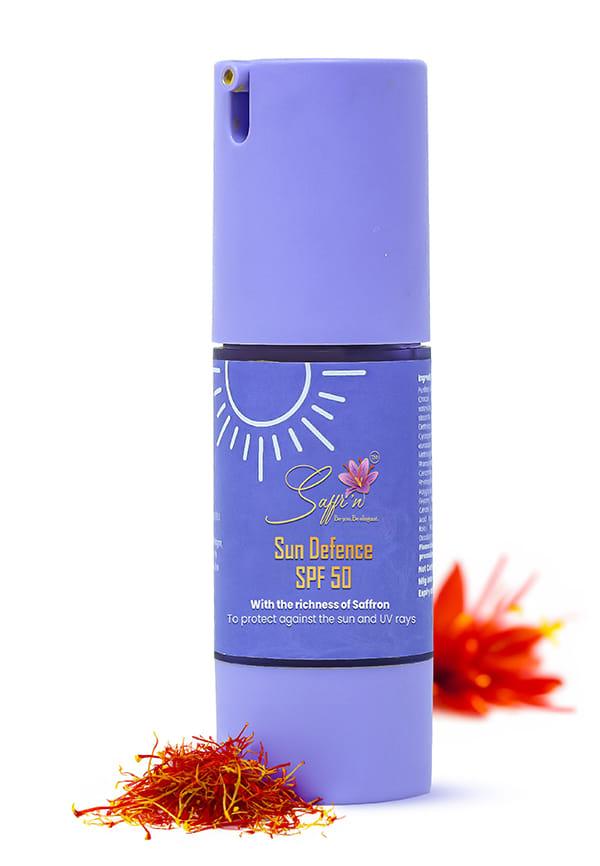
Sun Defence SPF 50
The golden rule for layering is thinnest to thickest consistency. After cleansing, apply any serums (like niacinamide or vitamin C), then moisturiser, and finally sunscreen. If you're using makeup, let your sunscreen set for a few minutes before applying primer or foundation. This prevents pilling and ensures each product can do its job effectively without interfering with the others.
Not all sunscreens are created equal, and finding the right formula for your skin type can make the difference between consistent daily use and a bottle that sits forgotten in your drawer. Understanding the different types available helps you make an informed choice that you'll actually want to use every day.
Physical sunscreens contain mineral ingredients like zinc oxide and titanium dioxide that sit on your skin's surface and reflect UV rays. They're ideal for sensitive skin and work immediately upon application. Chemical sunscreens contain ingredients like avobenzone and octinoxate that absorb UV rays and convert them to heat. They tend to blend more seamlessly into skin but may cause irritation for those with sensitive skin. Consider your skin's tolerance and your lifestyle when choosing between the two.
While SPF 30 blocks about 97% of UVB rays and SPF 50 blocks about 98%, the real game-changer is broad-spectrum protection. This means your sunscreen protects against both UVA rays (which cause premature ageing and hyperpigmentation) and UVB rays (which cause sunburn). For daily use, SPF 30 is sufficient, but if you're spending extended time outdoors or have a history of sun sensitivity, SPF 50+ offers that extra peace of mind.
Sunscreen for face formulations are typically lighter, less greasy, and designed to work well under makeup. They often contain additional skincare benefits like antioxidants or hydrating ingredients. Sunscreen for body tends to be more economical and may have a thicker consistency that's perfect for larger surface areas but might feel heavy on facial skin. Investing in a dedicated facial sunscreen makes daily application more pleasant and sustainable.
Here's the truth that many people don't want to hear: sunscreen isn't a once-and-done deal. Even the most diligent morning application loses effectiveness throughout the day due to natural skin oils, sweat, and environmental factors. Understanding when and how to reapply ensures your protection stays strong from morning to evening.
The standard advice is to reapply every two hours, but this timeline shifts based on your activities. If you're swimming, sweating heavily, or towelling off, you need to reapply immediately afterward, regardless of how much time has passed. For office workers who spend most of their day indoors, reapplication before lunch and again in the late afternoon is usually sufficient. Set phone reminders until it becomes second nature.
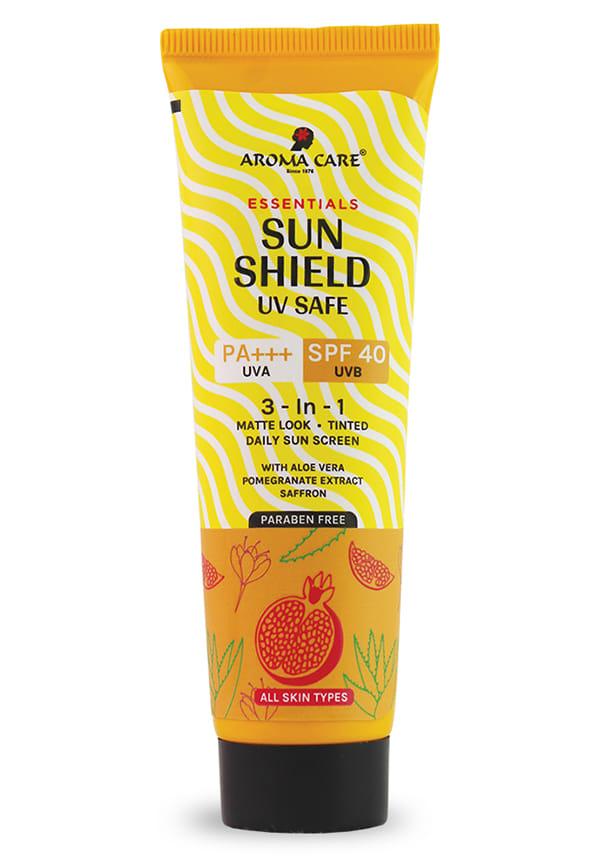
Sun Shield UV Safe SPF 40 3-IN-1
Good Product, Slightly Oily
 4
4“good product Little bit oily t”
Reapplying sunscreen over makeup doesn't have to mean starting your entire look from scratch. SPF setting sprays can provide additional protection, though they shouldn't be your only source of sun protection. Powder sunscreens offer another option for touch-ups, though they're best used as supplementary protection rather than your primary defence. For the most effective reapplication, gently blot away excess oils with a tissue, then apply a thin layer of sunscreen using patting motions.
Even with the best intentions, small mistakes in your sunscreen application routine can significantly compromise your protection. These aren't just minor oversights – they're the difference between skin that stays healthy and skin that shows premature signs of damage years down the line.
The most common mistake? Using far too little product. Most people apply only 25-50% of the recommended amount, which can reduce your protection by half or more. For your entire body, you need about one ounce (roughly a shot glass full) of sunscreen. This might seem excessive, but remember that the SPF rating on your bottle is based on this specific amount. Skimping on quantity is like wearing a helmet that only covers half your head.
Applying sunscreen as you're walking out the door is another major error. Your skin needs time to absorb the product and form that protective barrier. Similarly, many people forget about reapplication entirely, assuming their morning application will last all day. Even if you're indoors most of the time, UV rays can penetrate windows, and your sunscreen's effectiveness diminishes throughout the day.
While preventing that painful lobster-red burn is reason enough to use sunscreen daily, the long-term benefits extend far beyond immediate comfort. Think of daily sunscreen use as an investment in your skin's future – one that pays dividends in maintained elasticity, even tone, and healthy ageing.
UV exposure is responsible for up to 80% of visible facial ageing signs. Daily sunscreen use helps prevent the breakdown of collagen and elastin, keeping your skin firmer and more resilient over time. It also prevents the formation of new dark spots and helps existing hyperpigmentation fade more effectively when combined with treatments like niacinamide or vitamin C serums.
UV rays don't take winter holidays or cloudy day breaks. Up to 80% of UV rays can penetrate clouds, and snow can reflect up to 80% of UV radiation back at your skin. Even indoors, UVA rays can penetrate glass windows. Making sunscreen a non-negotiable part of your daily routine, regardless of weather or season, ensures consistent protection year-round.
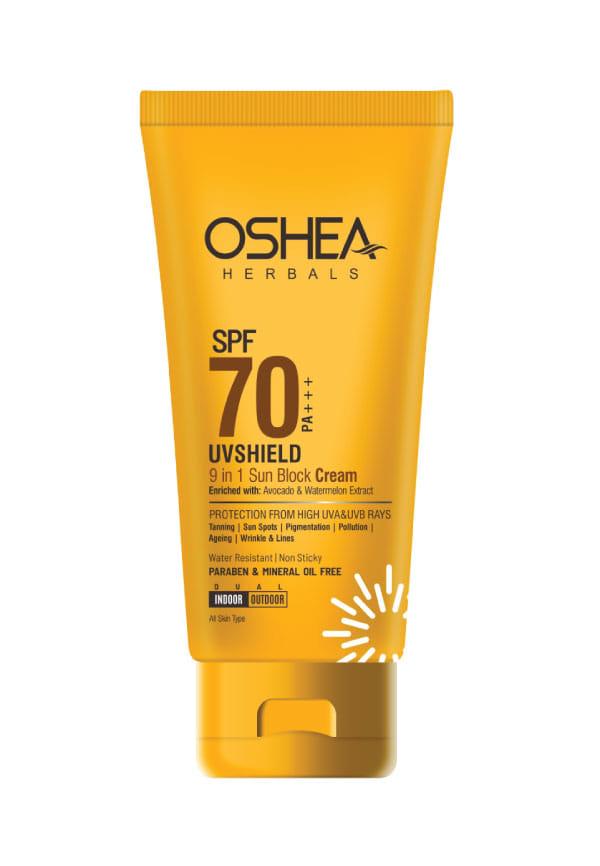
UVshield 9 In 1 Sun Block Cream SPF-70 PA+++
Good Screen, Good Result
4“acchi screen hai achcha result hai”
Good Screen, Good Result
4“acchi screen hai achcha result hai”
Good Screen, Good Result
4“acchi screen hai achcha result hai”
Start with clean, moisturised skin. Apply sunscreen 15-30 minutes before sun exposure using the two-finger rule for your face (about 1/4 teaspoon). Use the dot method to distribute product evenly, blend gently without rubbing too vigorously, and don't forget often-missed areas like ears, eyelids, and neck. Reapply every two hours or immediately after swimming or sweating.
Moisturiser should always go on first, followed by sunscreen. This allows your moisturiser to hydrate your skin and create a smooth base for even sunscreen application. Wait 5-10 minutes between applications to ensure your moisturiser is fully absorbed before applying sunscreen.
Use approximately 1/4 teaspoon (about 1.25ml) for your face and neck combined. This translates to roughly two finger-lengths of product squeezed onto your index and middle fingers. This amount ensures you're getting the SPF protection listed on the bottle.
Your clean hands are perfectly adequate for applying sunscreen. In fact, using your fingers allows you to feel the coverage and ensure even distribution. Just make sure your hands are clean before application and wash them afterward to avoid transferring product to your eyes or other sensitive areas.
If you can rub the sunscreen in completely without any visible residue within 30 seconds, you're likely not using enough. Quality sunscreen should take a moment to blend in properly when applied in the correct amount. Your skin should feel protected but not heavy or greasy.
Mastering proper sunscreen application is one of the most impactful things you can do for your skin's long-term health. It's not just about preventing sunburn – it's about preserving your skin's elasticity, preventing hyperpigmentation, and maintaining that healthy glow you've worked so hard to achieve with your skincare routine.
The key is making it sustainable. Find a sunscreen formula you genuinely enjoy using, set reminders for reapplication, and remember that consistency trumps perfection. Whether you're dealing with hormonal acne and need a non-comedogenic formula, or you have sensitive skin that requires mineral ingredients, there's a sunscreen out there that works for your specific needs.
At Smytten, you'll find curated selections from trusted brands that make daily sunscreen use a pleasure rather than a chore. With over 28 million users discovering their perfect products through trial-sized options, you can explore different formulations until you find the one that seamlessly fits into your routine. After all, the best sunscreen is the one you'll actually use every single day.
